

 ChatGPT
 Perplexity
 Claude
 Gemini
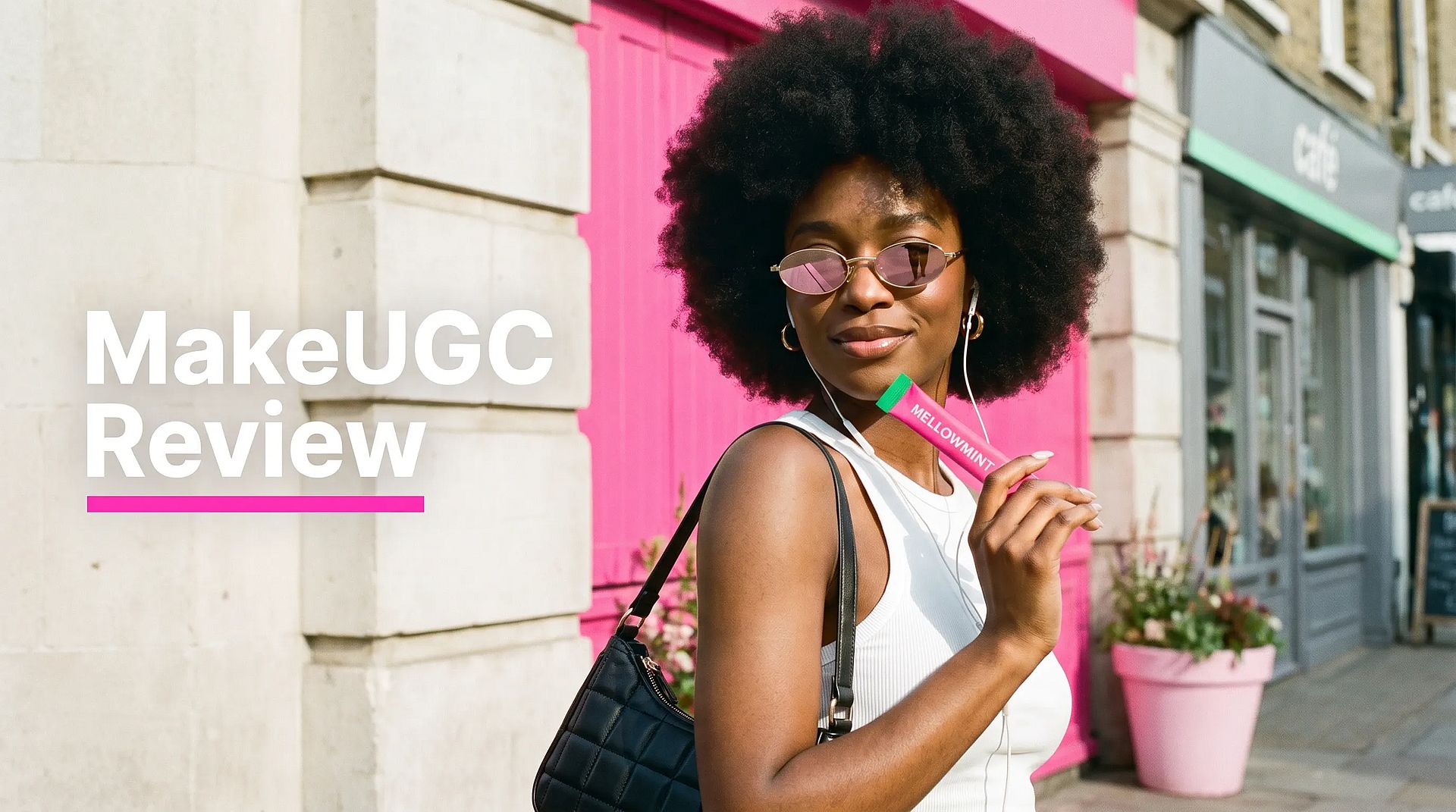
MakeUGC is an AI tool that makes UGC-style video ads with AI actors, scripts and product-in-hand shots. E-commerce brands, app teams and agencies use MakeUGC AI to test ads at volume. MakeUGC pricing starts at $29 per month on yearly billing, and every plan opens with a $1 trial that renews at full price. This review covers MakeUGC features, real user feedback and the best MakeUGC alternatives. Facts checked in November 2026.
TL;DR
- What it is: an AI UGC ad generator with up to 1,000+ AI actors and Product in Hand.
- Price: from $29/month billed yearly; a $1 trial renews at full price.
- Best for: physical-product brands that need many short actor-led ads.
- Watch out for: trial renewals and refund complaints on Trustpilot.
- Alternative: OpenArt builds full ads with your own reusable presenter in Director mode, with 40 free credits and no credit card required.
What Is MakeUGC?
MakeUGC started as an AI UGC video generator. Its homepage headline is "Create winning video ads with AI." Today it also makes cinematic, animated and image ads, and it offers an API.
The basic flow is simple. You paste a product page or write a brief, MakeUGC writes a script, and an AI actor reads it on camera. MakeUGC says more than 10,000 companies use it.
How Much Does MakeUGC Cost?
MakeUGC uses monthly credits. Its pricing page shows these plans, priced per month on yearly billing:
| Plan | Price (billed yearly) | Credits/month | AI actors | Export quality |
|---|---|---|---|---|
| Starter | $29/month | 500 | 300+ | 480p to 720p |
| Growth | $39/month | 1,000 | 500+ | Up to 4K |
| Pro | $79/month | 2,000 to 5,000 | 1,000+ | Up to 4K |
| Enterprise | Custom | Custom | Custom | Custom |
Every plan has a "Start for $1" trial. After the trial, the plan renews at full price unless you cancel. MakeUGC's trial page lists renewal prices of $59, $79 and $149 per month, which are higher than the yearly rates above. Check the price shown at checkout before you start.
Credits refresh each month and do not roll over. API and MCP access are included in all plans. MakeUGC says all videos are yours to use commercially, with no watermark.
What Are MakeUGC's Main Features?
MakeUGC covers most steps of a short UGC ad:
- AI actors, from 300+ on Starter to 1,000+ on Pro, plus custom avatars on Growth and Pro.
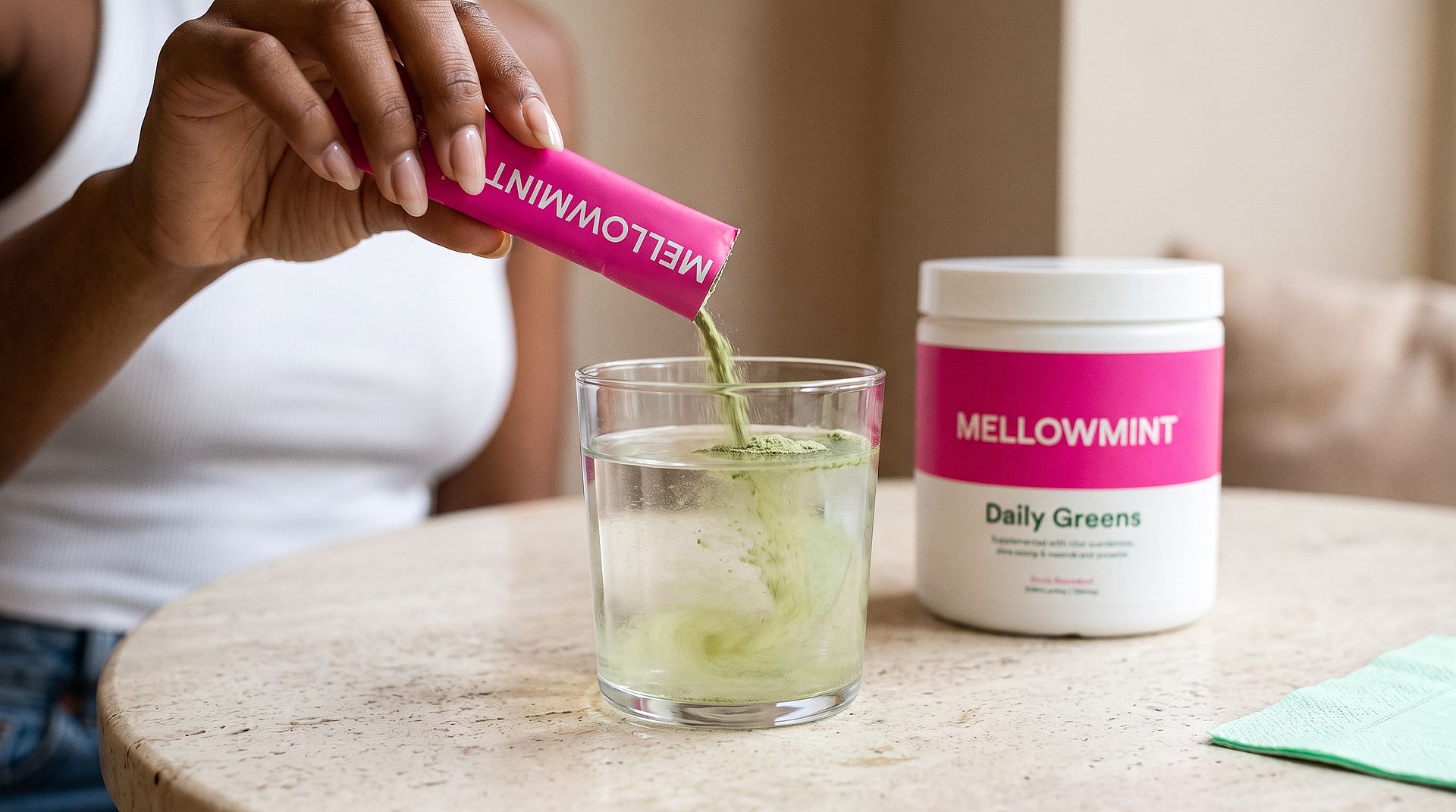
- Product in Hand, where an actor holds your product, made from one photo or video.
- Script writing from a product page, plus an AI Hook Generator.
- 50+ languages, voice cloning and speech-to-speech.
- Batch Mode that makes 10 variations at once for testing.
- Editor with captions, music, B-roll and trims.
- Video models including Seedance 2.5, Veo 3.1 and WAN 3.0, plus its own talking-actor model, Make 1.0.
What Do Users Say About MakeUGC?
User feedback on MakeUGC is mixed. On Trustpilot, MakeUGC has 195 reviews but no displayed score (November 2026), because Trustpilot removed reviews that broke its rules. About 42% of the remaining reviews are 5 stars and 54% are 1 star.
What users like:
- Realistic output that some brands say produced winning ads.
- Fast drafts and easy actor swaps for A/B tests.
- A good fit for physical products, thanks to Product in Hand.
Common problems users report:
- Charges after the $1 trial or after cancelling.
- Refund requests that were denied or only partly paid.
- Lip-sync and movement that are not always consistent.
- Extra credits spent on fixes and retries.
Is MakeUGC Worth It?
MakeUGC is worth trying if you sell physical products and need many short actor-led ads. The low yearly price and Product in Hand are its main strengths.
If you take the $1 trial, set a reminder to cancel before it renews. If you need longer ads with several scenes, the same presenter in every ad, and music, a tool built for full ads may fit better.
MakeUGC vs OpenArt
MakeUGC and OpenArt both make UGC-style ads. MakeUGC is built around stock AI actors reading a script. OpenArt plans and builds the whole ad, from script to finished multi-scene video.
| MakeUGC | OpenArt | |
|---|---|---|
| Entry price | $29/month billed yearly, $1 trial | $14/month (Starter) |
| Free option | $1 trial, then paid | 40 free credits, no credit card required |
| Presenters | 300+ to 1,000+ stock AI actors, custom avatars | Your own reusable character with OpenArt Characters, plus an AI Copyright and IP Check before you publish |
| Product in the ad | Product in Hand | Product stays consistent across scenes in Director mode |
| Ad from a link | Script from product page | Yes, with URL to Video |
| Full ad with scenes, music, captions | Editor with captions, music, B-roll | Yes, in Director mode |
| Other languages | 50+ | OpenArt Dub Video changes the spoken language and re-syncs the lips |
| Commercial use | Yes, no watermark | Commercial rights apply on eligible paid plans |
Choose MakeUGC when you want a large library of stock actors at a low yearly price. Choose OpenArt when you want a presenter of your own that keeps the same look across every ad, plus product scenes and music in one place.
How OpenArt Solves Common MakeUGC Problems
OpenArt is an AI creative suite for images, video and audio. Its Director mode plans and builds a full ad from a short brief, with UGC Ads and Product Ads quick starts.
| Problem with MakeUGC | What OpenArt does |
|---|---|
| $1 trial that renews at full price | 40 free credits with no credit card required, so nothing renews by surprise |
| Stock actors that change from ad to ad | Build one presenter with OpenArt Characters that keeps the same look in every ad |
| Short single-scene clips | Director mode plans multi-scene ads with product scenes, music and captions |
| Credits spent on fixes and retries | Ask for changes in plain words in chat, and see the credit cost before you generate |
How to Make a UGC Ad With OpenArt
- Step 1: Pick UGC Ads in Director mode. Open Director mode, choose UGC Ads under Quick Starts, and describe your product and the hook you want to test.
- Step 2: Add your product and presenter. Upload product photos or paste a product link. Add a presenter built with OpenArt Characters so the same face appears in every version.
- Step 3: Review, generate and edit by chat. Choose Guide me to check the script and storyboard, then generate. Ask for changes in plain words, such as "swap the opening line" or "add captions."
For single clips, use the AI Video Generator. For more ad ideas, see the UGC ads page.
Need one image or clip instead of a full ad? Describe it in Chat Mode, then change the result by typing what you want.
How to Make AI UGC Ads That Don't Look AI-Generated
These tips come from OpenArt's own ad tests and work in any tool.
- Use one consistent creator. Give your brand one presenter and reuse them in every ad. Create the look once with the AI Image Generator, then save it in OpenArt Characters.
- Describe a phone shot. "Shot on iPhone, soft window light, no retouching" looks more real than "8k, flawless."
- Write casual lines. Put the script in quotes and keep to about 25 to 30 words per 10 seconds.
- Mix shots. Switch between the presenter, product close-ups and hands using the product.
- Test hooks. Keep the main ad and remake only the first 3 seconds for A/B tests.
- Keep it honest. The US Federal Trade Commission bans fake customer testimonials, so do not present AI actors as real buyers. Before you publish, run the presenter image through the AI Copyright and IP Check. It flags brand similarity and famous-face likeness with a Safe, Warning or Unsafe rating. Treat the result as a risk screen and get legal review for high-stakes campaigns.

MakeUGC FAQ
What is MakeUGC?
MakeUGC is an AI video ad generator. It writes scripts and creates UGC-style videos with AI actors, product shots and voiceovers.
How much does MakeUGC cost?
Plans start at $29 per month on yearly billing. Growth is $39 and Pro is $79 per month on yearly billing. Every plan offers a $1 trial that renews at full price.
Can I create UGC for free with MakeUGC?
MakeUGC has no free plan. The lowest-cost way to try it is the $1 trial. OpenArt offers 40 free credits, no credit card required.
How do I cancel MakeUGC?
MakeUGC says you can cancel from your account settings and keep access until the end of the billing period. Some Trustpilot reviewers say they needed to email support, so keep a record of your cancellation.
Who is the founder of MakeUGC?
MakeUGC does not name its founders on its website. Product Hunt lists George Stock as a founder.
Can I use MakeUGC videos commercially?
Yes. MakeUGC says every video and image you create is yours to use commercially on any platform.
What are the best MakeUGC alternatives?
Arcads is known for realistic stock actors, and Creatify for ads built from product links. OpenArt builds full multi-scene ads with your own reusable presenter and starts with 40 free credits.
MakeUGC vs OpenArt: which should I choose?
MakeUGC suits teams that want a large stock actor library, Product in Hand and a low yearly price. OpenArt suits teams that want one reusable presenter, multi-scene ads in Director mode, and images, video and audio in one account. OpenArt plans start at $14 per month, and you can try it with 40 free credits, no credit card required.
Can I make image ads and video ads in one tool?
Yes. MakeUGC offers image ads alongside video. OpenArt makes images, video and audio in one account, so you can create product photos with the AI Image Generator and turn them into a video ad in Director mode without switching tools.