
Mile 80 Wired OpenArt Into Every Stage of Production.
Mile 80 built its AI video production pipeline on OpenArt and Claude. The studio now delivers full brand identities in weeks and puts AI-generated shots into broadcast campaigns for BMW.
At a glance
Pipeline
~90%of assets via MCP
Generation runs through OpenArt's MCP server, connected to Claude.
Volume
~50shots per character
Volume-then-selection workflow for each character or object.
Speed
5 weeksto a full brand identity
Gammarama, from visual system to finished videos.
Broadcast
BMWbroadcast season
AI-generated shots running in campaigns for a major automotive brand.
Mile 80 rebuilt its video pipeline around OpenArt
Ryan Sheffer founded Mile 80 nearly a decade ago after years in video editing and visual effects. The studio built its name on live events: 360-degree screens, immersive stage shows, and projects that sometimes call for hundreds of assets at 30K resolution. Its client list includes BMW, Google Cloud, Amazon, and Intuit.
When OpenArt opened a direct connection for outside tools through its MCP server, Mile 80 saw a way to bring AI generation straight into its existing workflow. The team connected Claude to OpenArt and built a production pipeline where Claude handles the creative process from start to finish. It builds shot lists, manages the production bible, reviews individual frames, and sends generation requests to OpenArt.
Everything stays in one place. Claude holds the full project context, from character references to environment boards, so the team never has to download from one tool and re-upload to another.
About 90% of the studio's assets now come through that connection.
Our UI is Claude for OpenArt these days.
The alternative is expensive. A one-week shoot runs into the hundreds of thousands of dollars and still can't match the volume the team needs. The team generates roughly 50 shots per character or object through MCP, selecting the best from each batch. That volume-then-selection workflow would be impossible on a traditional shoot budget.
Two artists on the team, Camila and Francez, took it further. They built a custom Claude skill that reads a video script, breaks it into shots, and sends the OpenArt requests automatically. That single automation removed the back-and-forth between scripting and generation that used to eat days of production time.
CUSTOM PIPELINE
All project context stays in Claude: character references, environment boards and the production bible, so nothing moves between tools. Any production team can build its own workflow on OpenArt's MCP server the same way.
Script
A custom Claude skill reads the video script.
Shot list
Claude breaks it into shots, with the production bible in context.
OpenArt MCP
Each shot goes to OpenArt as a generation request.
Review
Claude reviews frames; artists select the best of each batch.
Generate the first frame, the last frame, and fill in the motion
The OpenArt feature Mile 80 uses most is start frame/end frame generation. The team creates the first and last frames of a shot, and OpenArt fills in the motion between them. That gives artists full control over where a shot begins and where it ends, with the AI handling the transition.
Mile 80 also asks OpenArt to generate visuals with a green screen already baked into the shot. The studio then uses its editing tools to remove the green background and layer the AI footage into a live scene. The Rolls-Royce animation was built entirely from OpenArt-generated frames, then composited into the final deliverable.
As Sheffer says: “I can't think of a brand that is higher end than that.”
Sheffer calls this the bridge between AI generation and traditional video editing. The green screen means AI-generated footage behaves like any other element on the editing timeline. The studio's existing tools and skills still apply. Nothing about the team's craft changes. The source of the footage does.
Five weeks from blank page to finished brand
Gammarama was a live event series that needed a full brand identity: visual system, video scripts, storyboards, finished videos, and execution for a large-format screen display. The client wanted something serious but fun, along the lines of a new TED Talks. Mile 80 had five weeks.
Sheffer says the timeline would have been impossible without the OpenArt pipeline.
It would have absolutely been impossible. There's no way that we could have done what we did.
The team would have had to cut styles and drop animated elements to fit the schedule. Instead, they delivered everything.
Green screen generation handled the layering. Claude, connected to OpenArt through MCP, handled direction and shot management. Start/end frame generation let the team try out a look before spending real production time on it. Lead animator Fran pushed the team's AI workflows forward and made the Gammarama delivery possible on that timeline.
On a recent BMW project, Mile 80 delivered broadcast campaign videos with AI-generated shots running alongside traditional footage. Most of that season's videos included at least one shot generated or partly generated through OpenArt.
The BMW season covered multiple brands in the automaker's portfolio. The studio also produced an animated character on a baked-in green screen for a tech company's New York City subway campaign, using the same generation-and-layering approach that now runs through every project.
-
Gammarama
Full brand identity in 5 weeks
Visual system, videos, storyboards, event execution
-
BMW
AI shots in broadcast campaigns
Multiple brands across a full campaign season
-
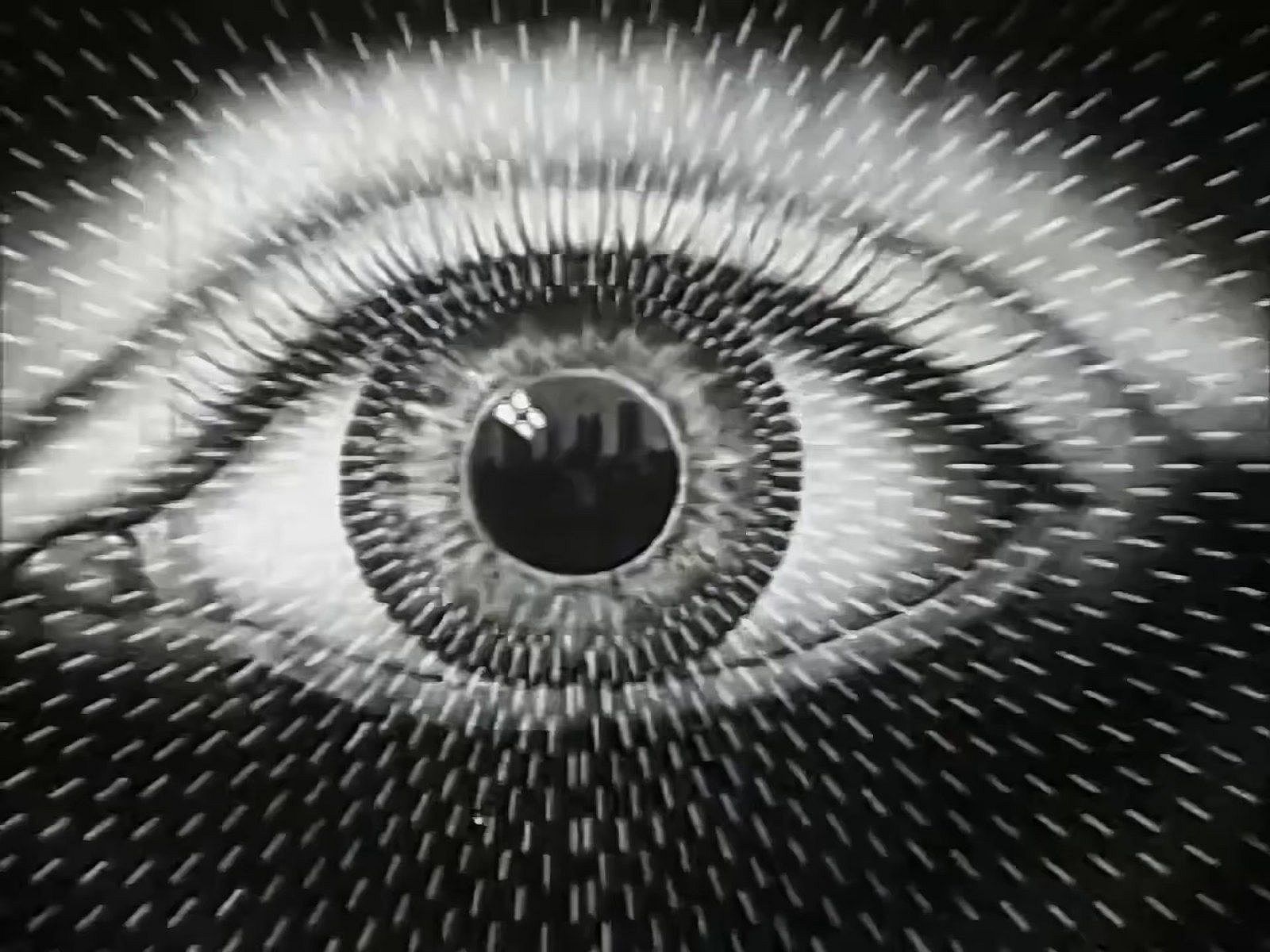
NYC Subway Campaign
Green-screen character
Layered into live footage for a tech company’s national ad campaign
The ceiling moved, the deadlines stayed
The gain for Mile 80 is not faster turnarounds. Client reviews still take the same time, and a one-day video still goes through the approval chain. The gain is ambition.
Projects that would have been scaled down now ship at full scope. One current project includes a cinematic creature sequence that the team says would not have been possible before, because there was never enough time to build it. The start/end frame workflow lets them try out a shot, evaluate it, and move on in hours instead of days.
Mile 80 is now testing live-action work: real footage shot simply, then upgraded with AI effects, creature work, or set extensions in post. Sheffer says he could see filming on an iPhone and get cinematic results.
Your capacity to go from idea to visualization is much improved.

Bring your next production to life with OpenArt.
Every leading model
One subscription, with day-0 access to new releases.
Room for your whole team
Unlimited seats and credits that never expire.
Your data stays yours
We never train on your data. You control where it goes.
Support from day one
White glove onboarding, training, and priority support.
 Sora
 Google
 Kling
 Seedance
 Hailuo
 Flux