

 ChatGPT
 Perplexity
 Claude
 Gemini
Midjourney prompts for selfies let you generate photorealistic self-portraits, creative AI headshots, and social media photos without picking up a camera. Whether you need a natural-looking Instagram selfie, a polished professional portrait, or a stylized artistic shot, the right prompt gives you full control over lighting, expression, and setting. These 25 AI selfie prompts cover casual, professional, and creative styles for every platform and mood.
Key Takeaways
- Lighting keywords like "golden hour," "natural light," and "warm lighting" have the biggest impact on how realistic your AI selfie looks.
- Adding a prop or activity ("with a coffee cup," "with a guitar") makes the selfie feel candid and tells a story about the subject.
- These prompts work with any AI image generator that supports Midjourney-style models, including Stable Diffusion and FLUX.
- Background details set the mood: "cozy indoor setting" reads differently than "urban street" or "beach sunset," and each attracts a different audience.
- Expression and outfit modifiers ("confident expression," "casual attire") control the personality of the selfie more than any other prompt element.
25 Best Midjourney Selfie Prompts
Each prompt below is ready to copy and paste into your preferred AI image tool. We have included a description explaining what makes each prompt effective and how to adjust it for your own needs.
1. Natural Light Instagram Selfie
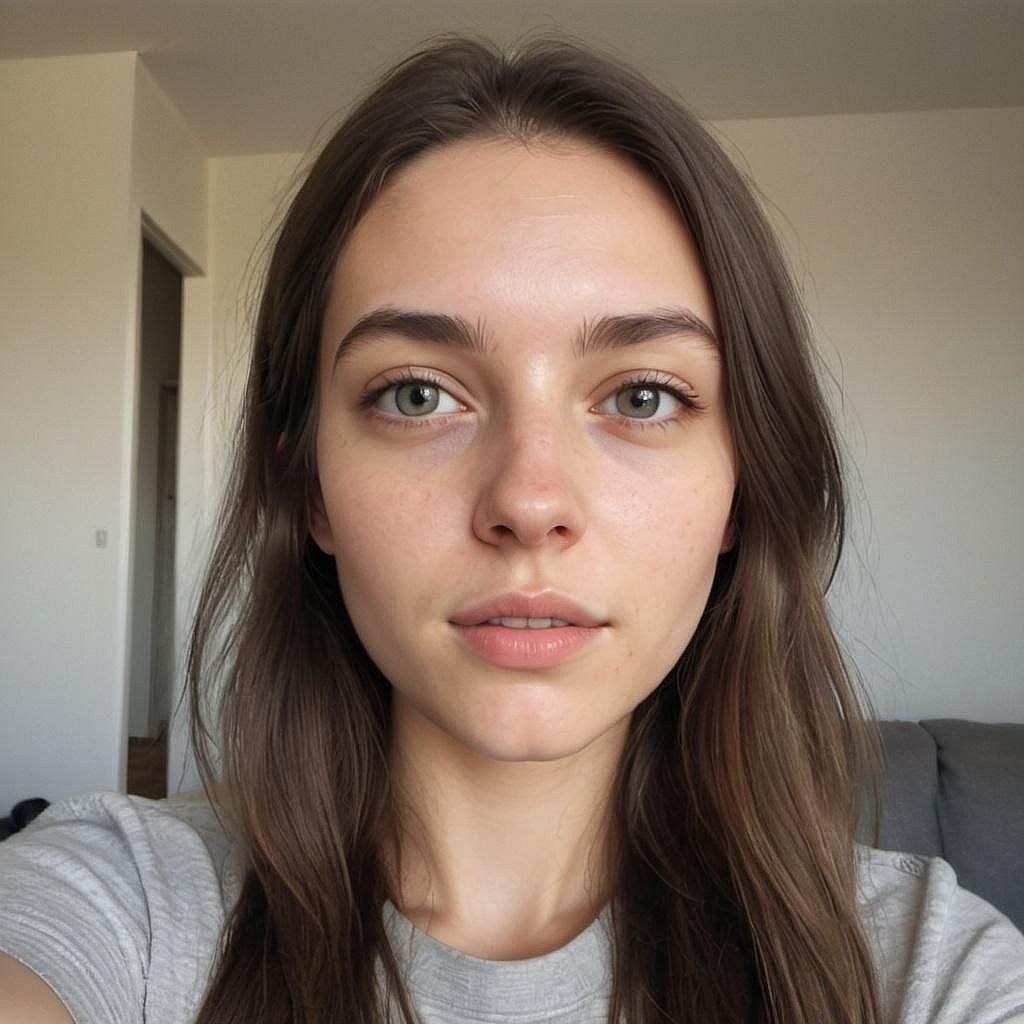
Prompt: Hyper-realistic selfie of a young woman in natural light, minimal makeup, casual attire, Instagram-ready.
"Natural light" is one of the most reliable modifiers for realistic AI selfies. It tells the model to simulate soft, diffused illumination that flatters skin tones. Combined with "minimal makeup" and "casual attire," this prompt produces the kind of effortless photo that performs well on Instagram feeds.
2. Cozy Indoor Portrait

Prompt: Realistic selfie of a man with a beard, wearing glasses, in a cozy indoor setting, warm lighting.
Accessories like beards and glasses give the AI specific textures to render, which improves overall realism. "Warm lighting" in an indoor setting produces amber tones that make the photo feel inviting and lived-in.
3. Vibrant Urban Selfie
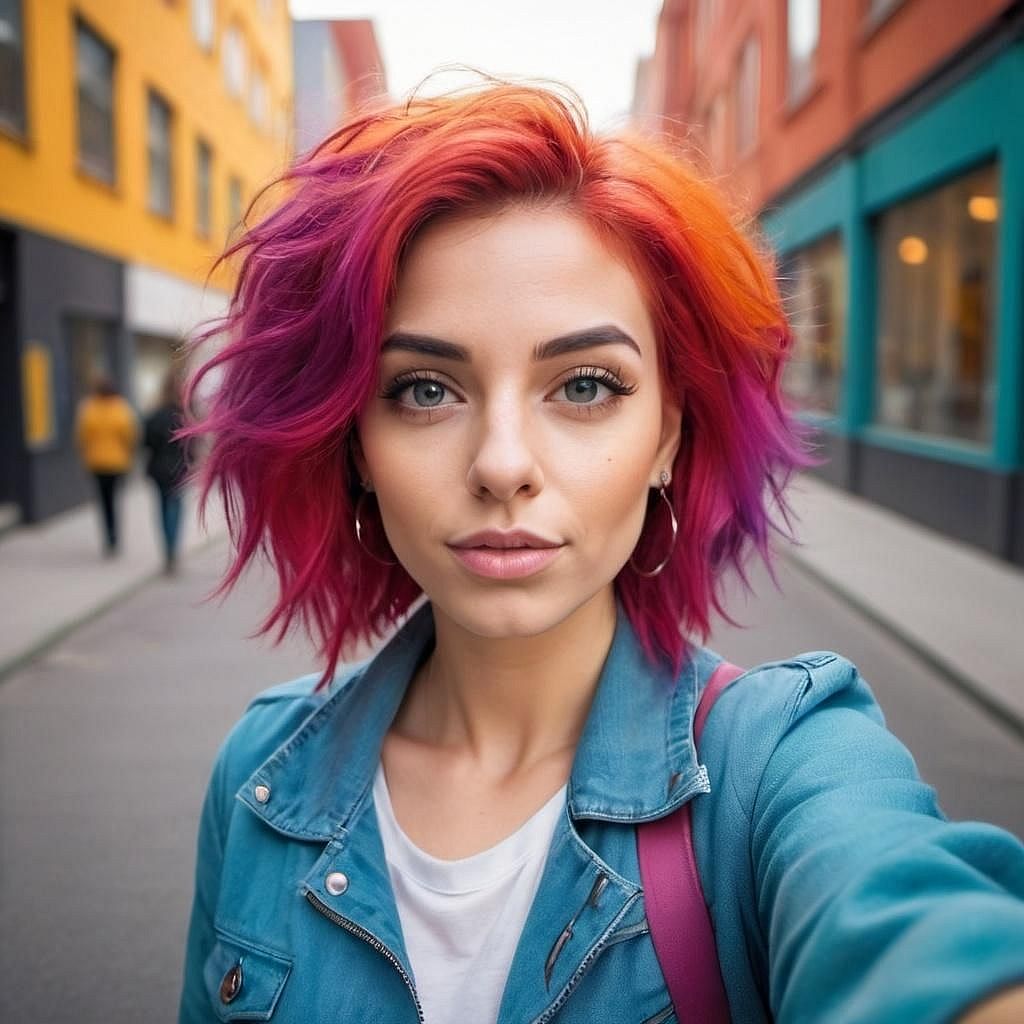
Prompt: High-definition selfie of a woman with vibrant hair color, trendy outfit, urban background.
"Vibrant hair color" pushes the AI to generate bold, saturated tones that contrast sharply with an urban backdrop. This kind of prompt works best when you want a selfie that pops on social media rather than blending into a feed of neutral-toned photos.
4. Natural Outdoor Close-Up
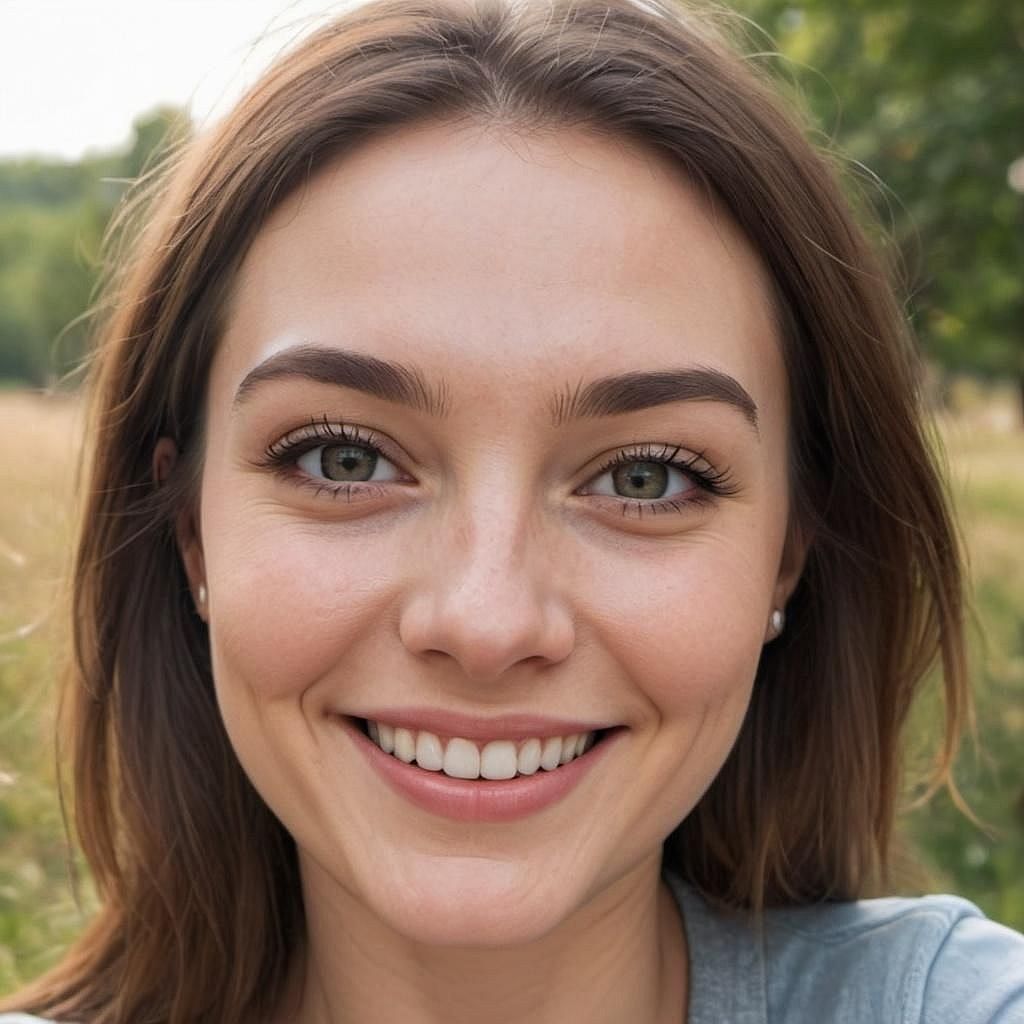
Prompt: Realistic close-up selfie of a smiling woman, clear skin, natural makeup, outdoor setting.
"Close-up" combined with "clear skin" tells the AI to focus on facial detail and produce clean, pore-level rendering. The outdoor setting provides natural illumination that the model handles well, producing images that look like they came from a smartphone front camera.
5. Professional Office Selfie
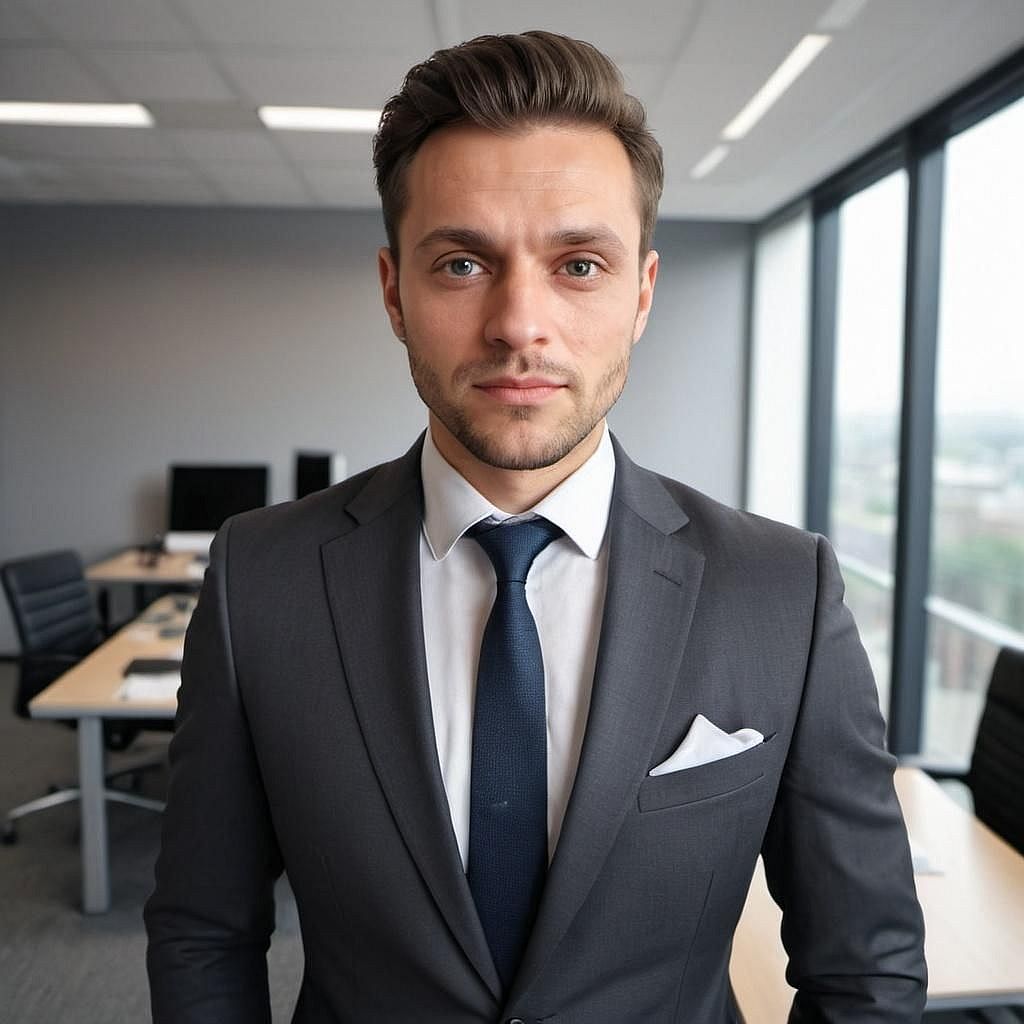
Prompt: Realistic selfie of a man in a suit, professional look, office background, confident expression.
"Confident expression" is the modifier that separates a professional selfie from a casual one. The suit and office background reinforce the corporate tone, but the expression is what makes the viewer take the subject seriously. This prompt style works well for LinkedIn and company bios.
6. Golden Hour Beach Selfie
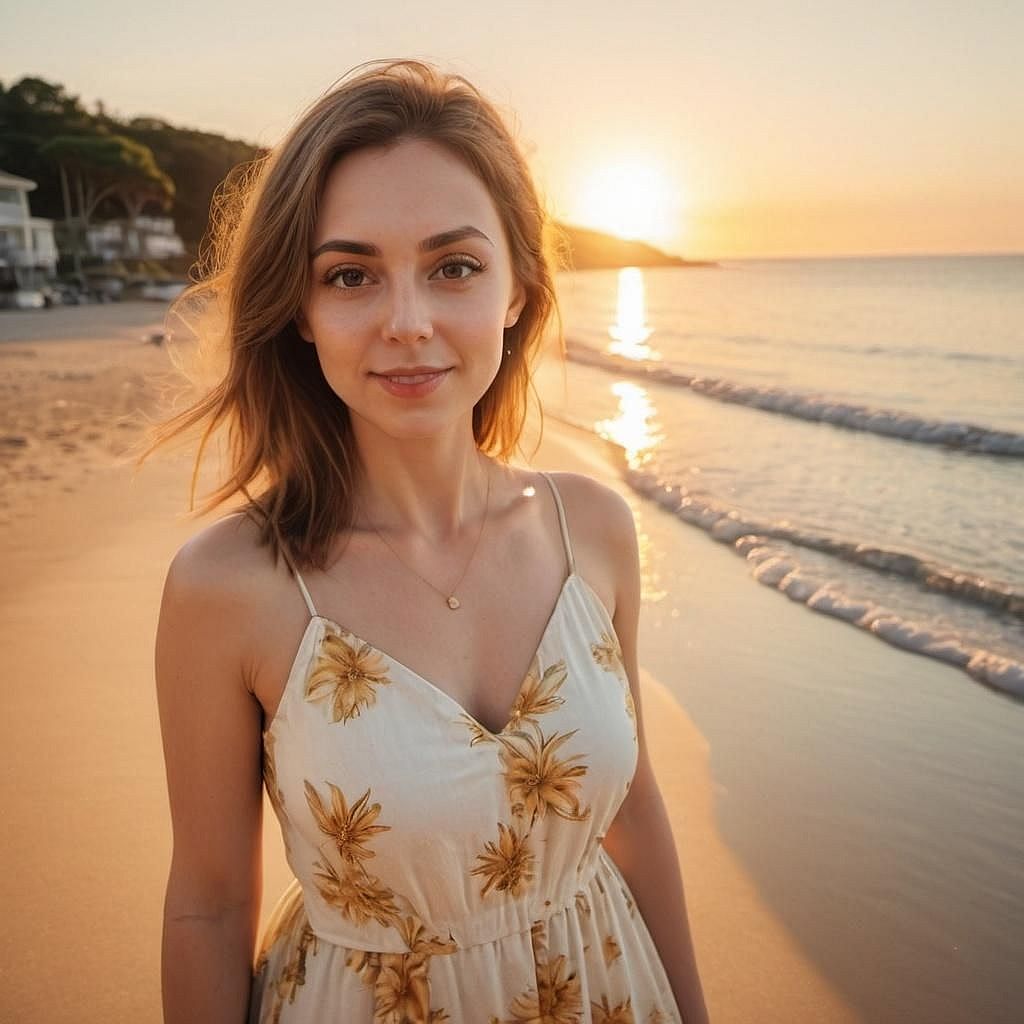
Prompt: Realistic selfie of a woman in a summer dress, beach background, golden hour lighting.
"Golden hour lighting" is one of the most effective lighting prompts for AI selfies. It produces warm, directional light with long shadows and a natural glow that flatters every skin tone. The beach setting adds reflected light from sand and water that creates a soft fill effect.
7. Couple's Park Selfie
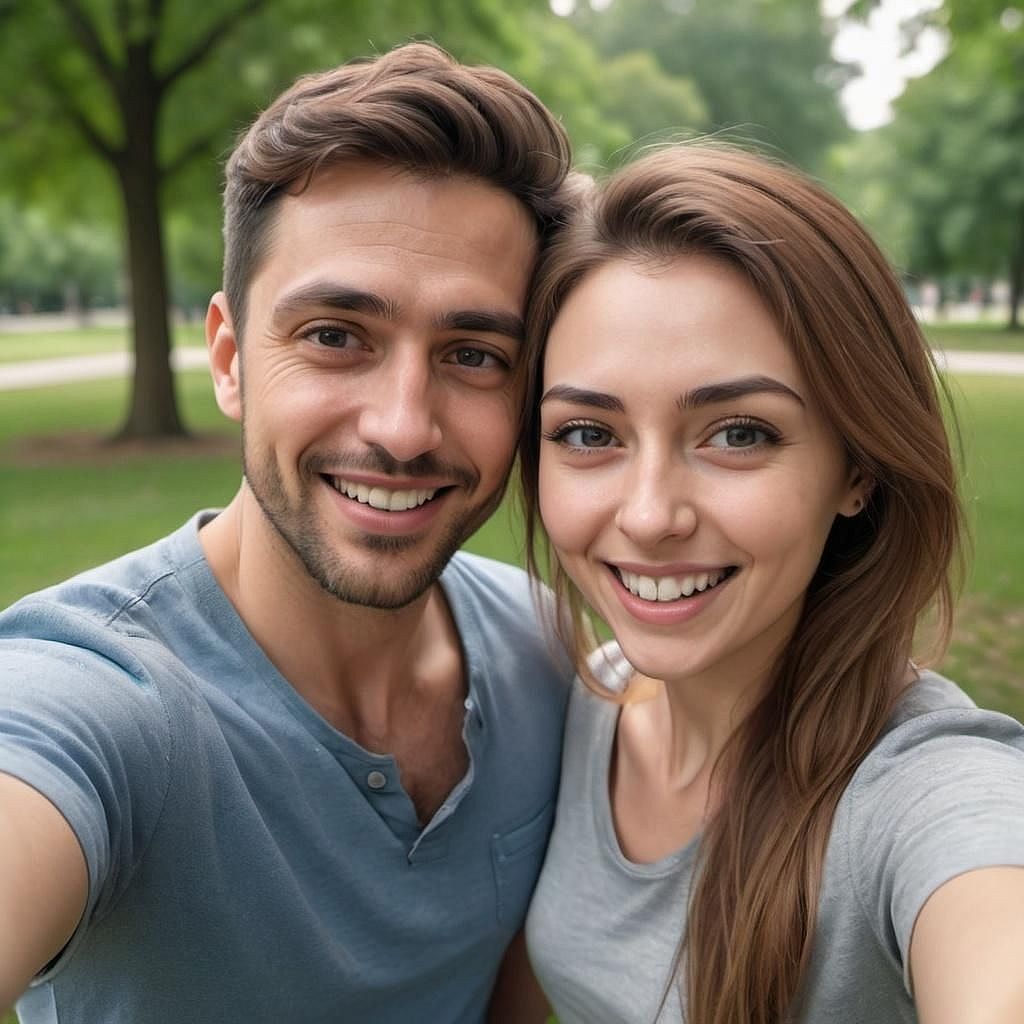
Prompt: Realistic selfie of a couple, happy expressions, casual clothing, park setting.
Multi-subject selfies are harder for AI to generate well. The key is keeping the prompt simple: "couple" with "happy expressions" gives the model clear direction without overcomplicating the composition. The park provides natural depth and color variety behind both subjects.
8. Garden Portrait with Freckles
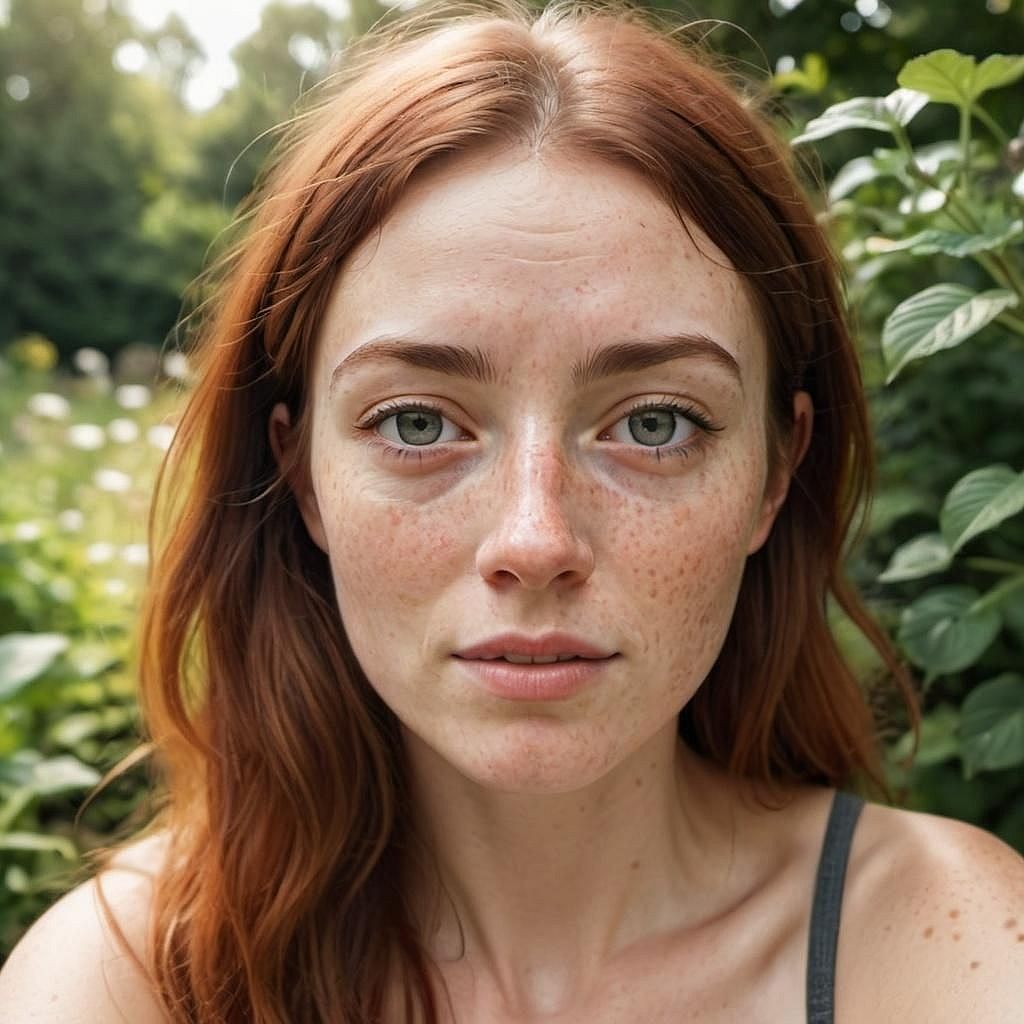
Prompt: Realistic selfie of a woman with freckles, minimal makeup, natural light, garden background.
Specifying "freckles" demonstrates how skin-level details improve the realism of AI-generated selfies. The model renders individual marks and variations that make the portrait feel like a real person rather than a smoothed-out composite.
9. Evening Cityscape Selfie
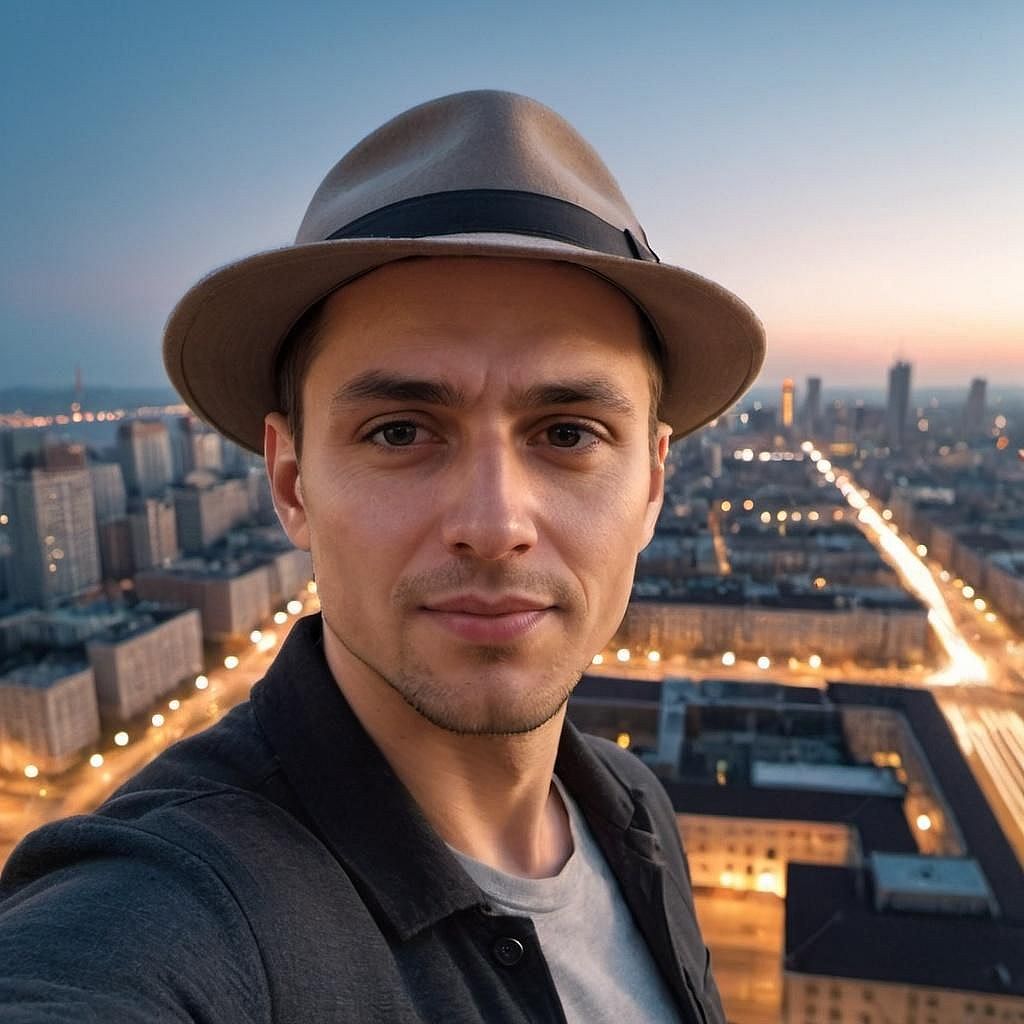
Prompt: Realistic selfie of a man with a hat, casual attire, cityscape background, evening light.
"Evening light" produces a cooler color palette than golden hour, with blues and purples in the sky contrasting against warm artificial lighting from buildings. The hat adds a distinctive silhouette element that strengthens the composition.
10. Bookworm Indoor Selfie
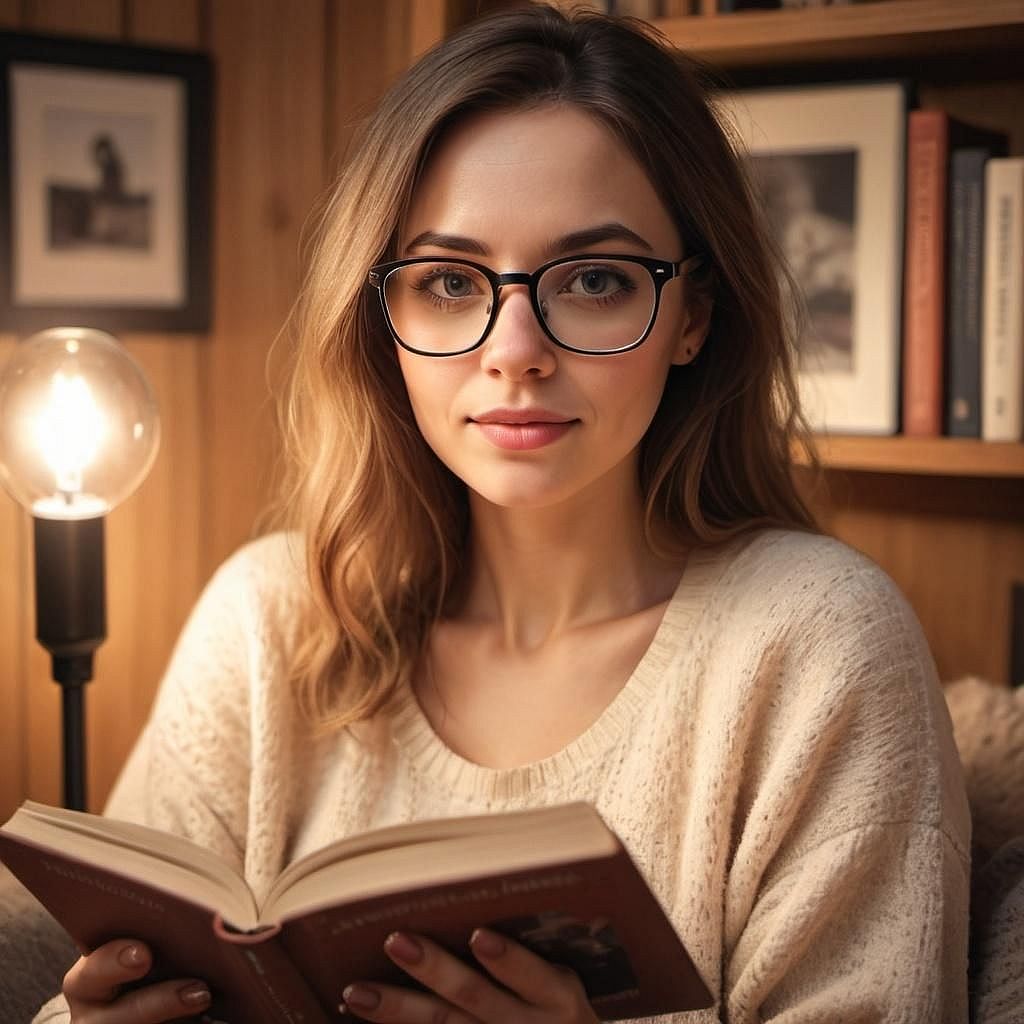
Prompt: Realistic selfie of a woman with glasses, reading a book, cozy indoor setting, warm tones.
Props like a book give the selfie context and narrative. Instead of a static portrait, the subject appears mid-activity, which makes the image feel spontaneous. "Warm tones" ensures the color grading supports the cozy atmosphere.
11. Dog Owner Park Selfie
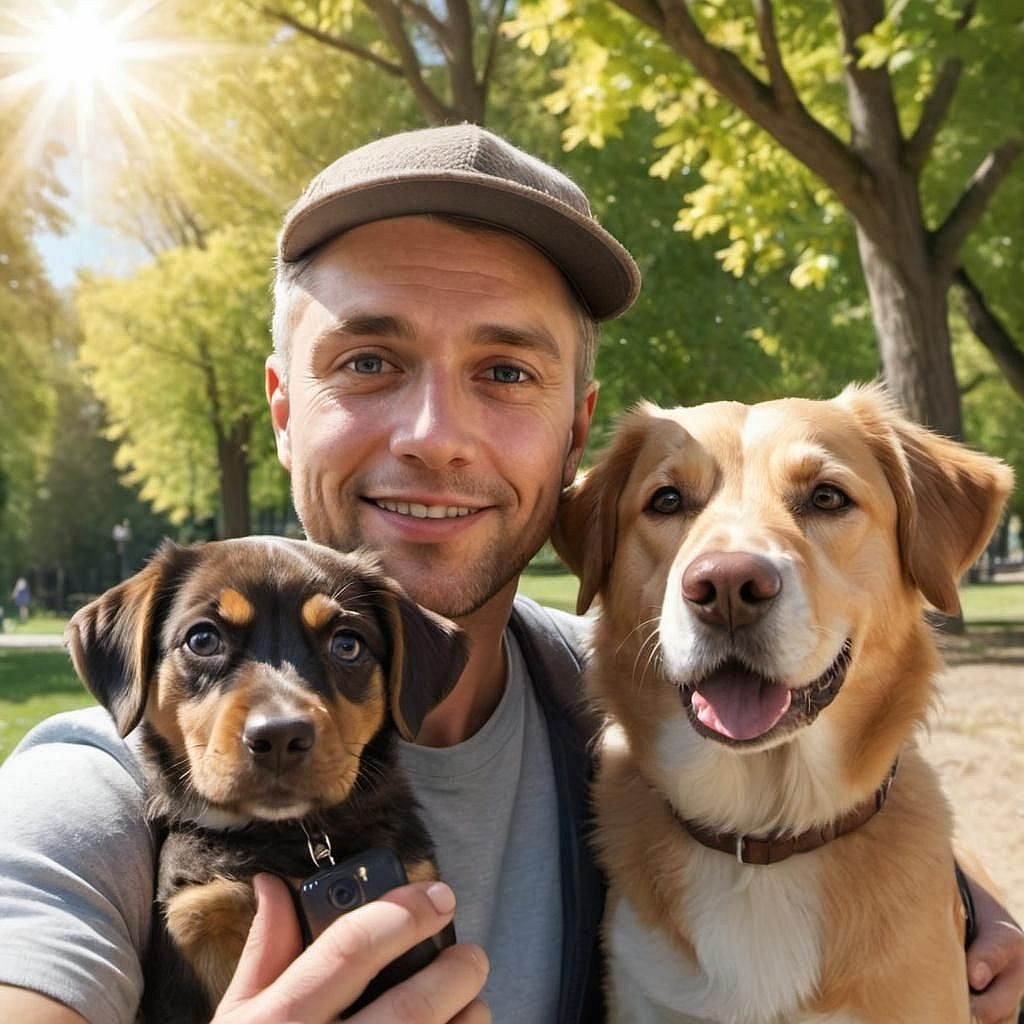
Prompt: Realistic selfie of a man with a dog, outdoor park setting, sunny day.
Including a pet in a selfie prompt adds a second subject with different textures (fur, eyes, posture) that the AI must render alongside the human face. "Sunny day" provides strong directional light that creates clear shadows and helps separate the subjects from the background.
12. Gym Workout Selfie
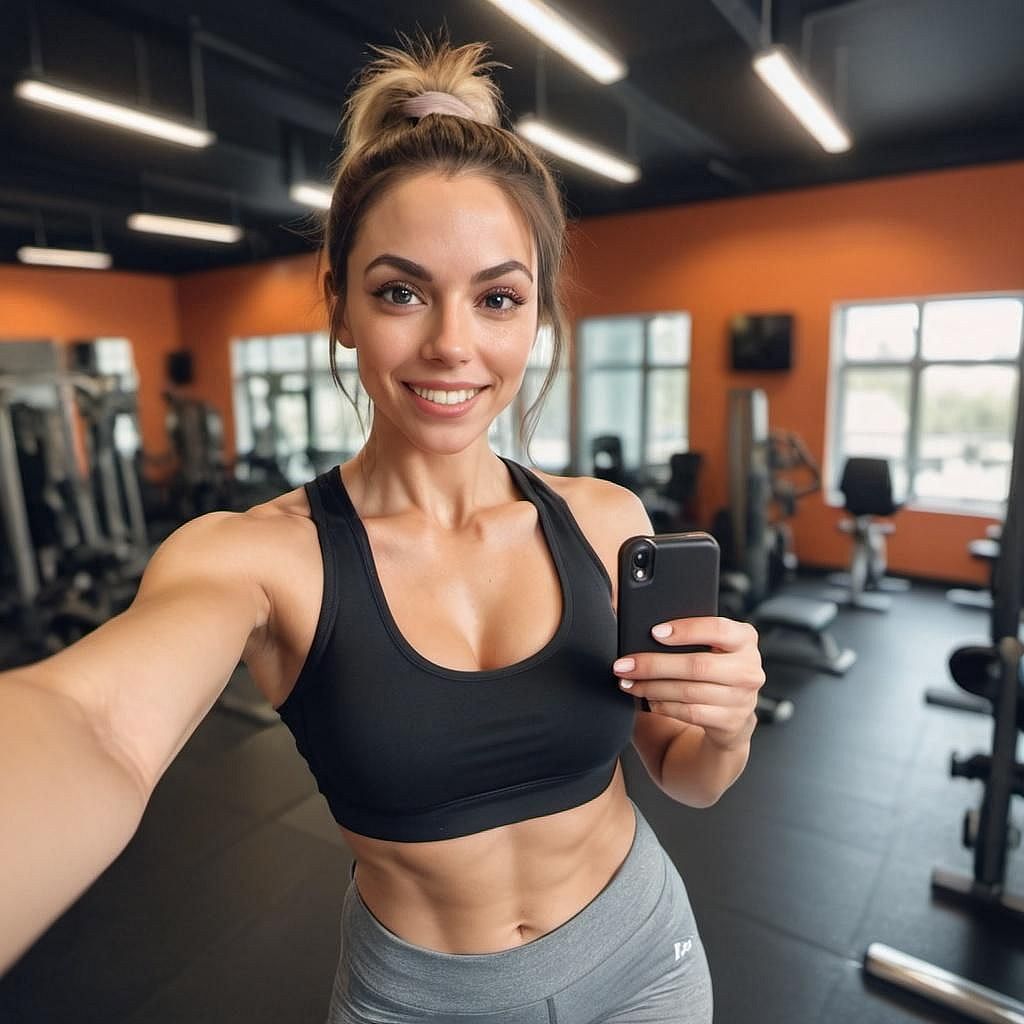
Prompt: Realistic selfie of a woman in workout clothes, gym background, energetic vibe.
"Energetic vibe" is a mood modifier that influences posture, expression, and even the angle of the selfie. The gym background introduces equipment and mirrors that add visual complexity and context to the portrait.
13. Home Studio Musician Selfie
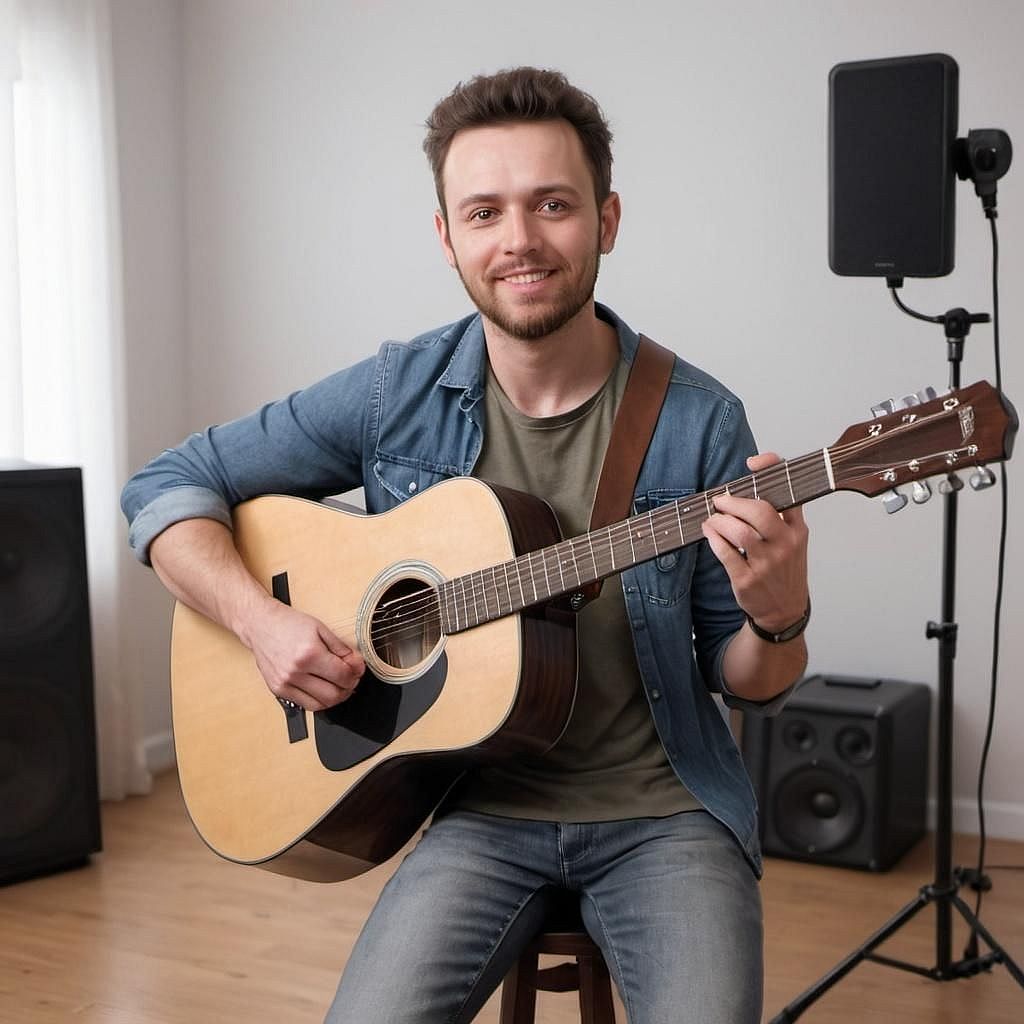
Prompt: Realistic selfie of a man with a guitar, casual attire, home studio background.
Instruments are excellent selfie props because they immediately communicate a creative identity. The "home studio background" adds authenticity with acoustic panels, microphones, and cables that signal this person is a working musician.
14. Cafe Coffee Selfie
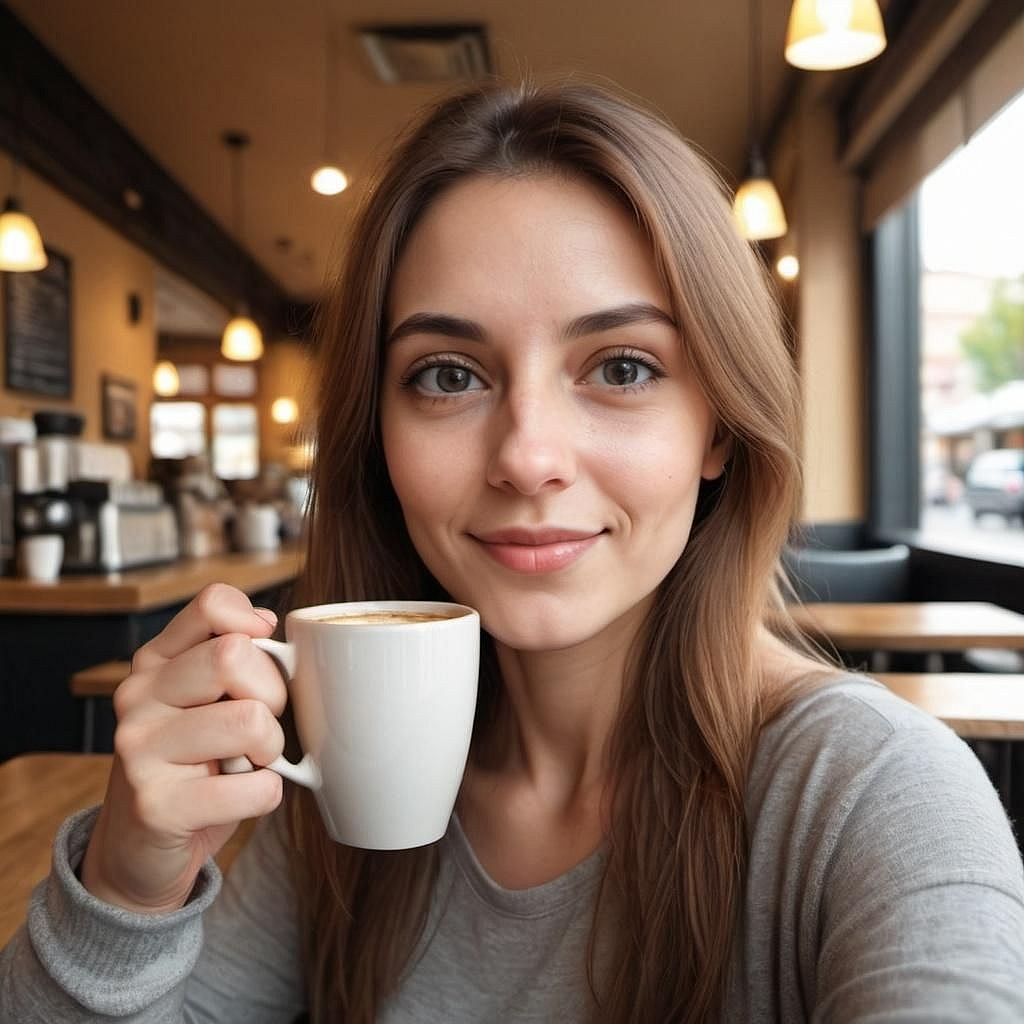
Prompt: Realistic selfie of a woman with a coffee cup, cafe background, relaxed atmosphere.
"Relaxed atmosphere" is a subtle mood instruction that influences facial expression and body language. Cafe selfies are among the most popular social media photo types, so this prompt is useful for generating lifestyle content that feels authentic.
15. Urban Skater Selfie
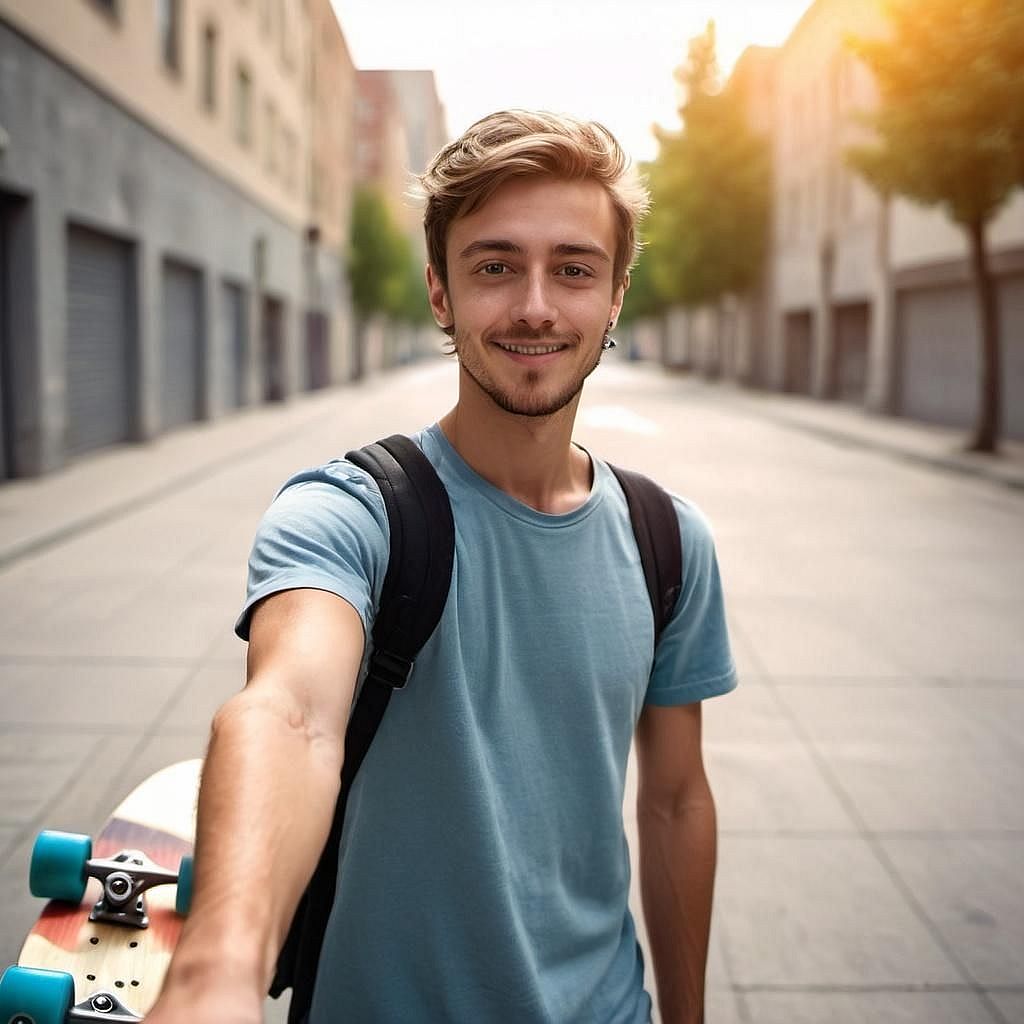
Prompt: Realistic selfie of a man with a skateboard, urban street background, youthful energy.
"Youthful energy" and a skateboard prop create a selfie with strong personality. Urban street backgrounds provide graffiti, concrete, and architectural lines that contrast well with the casual styling of the subject.
16. Winter Snow Selfie
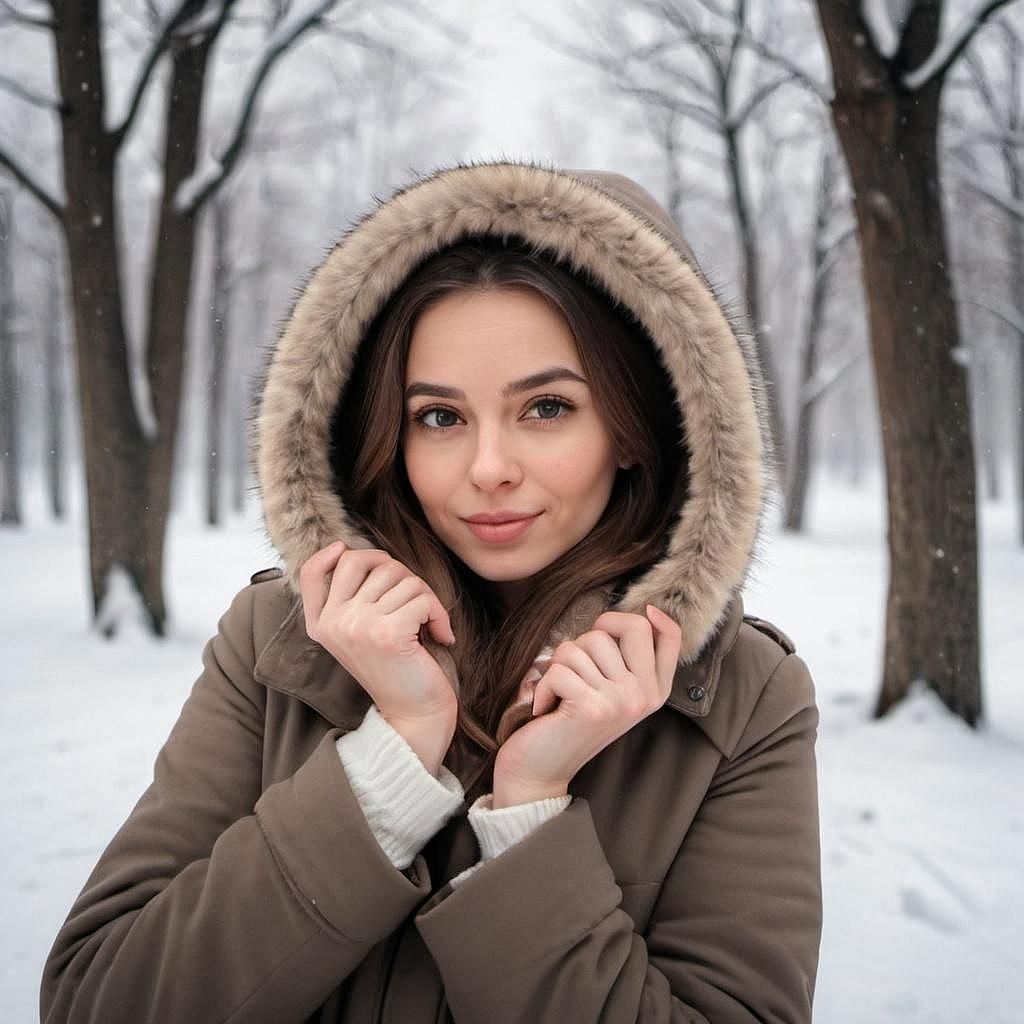
Prompt: Realistic selfie of a woman in a winter coat, snowy background, cozy and warm.
Winter selfie prompts test the AI's ability to handle cold-weather details: breath vapor, rosy cheeks, snowflakes on clothing. "Cozy and warm" directs the expression and posture toward comfort rather than discomfort, which keeps the portrait inviting.
17. Trail Adventure Selfie
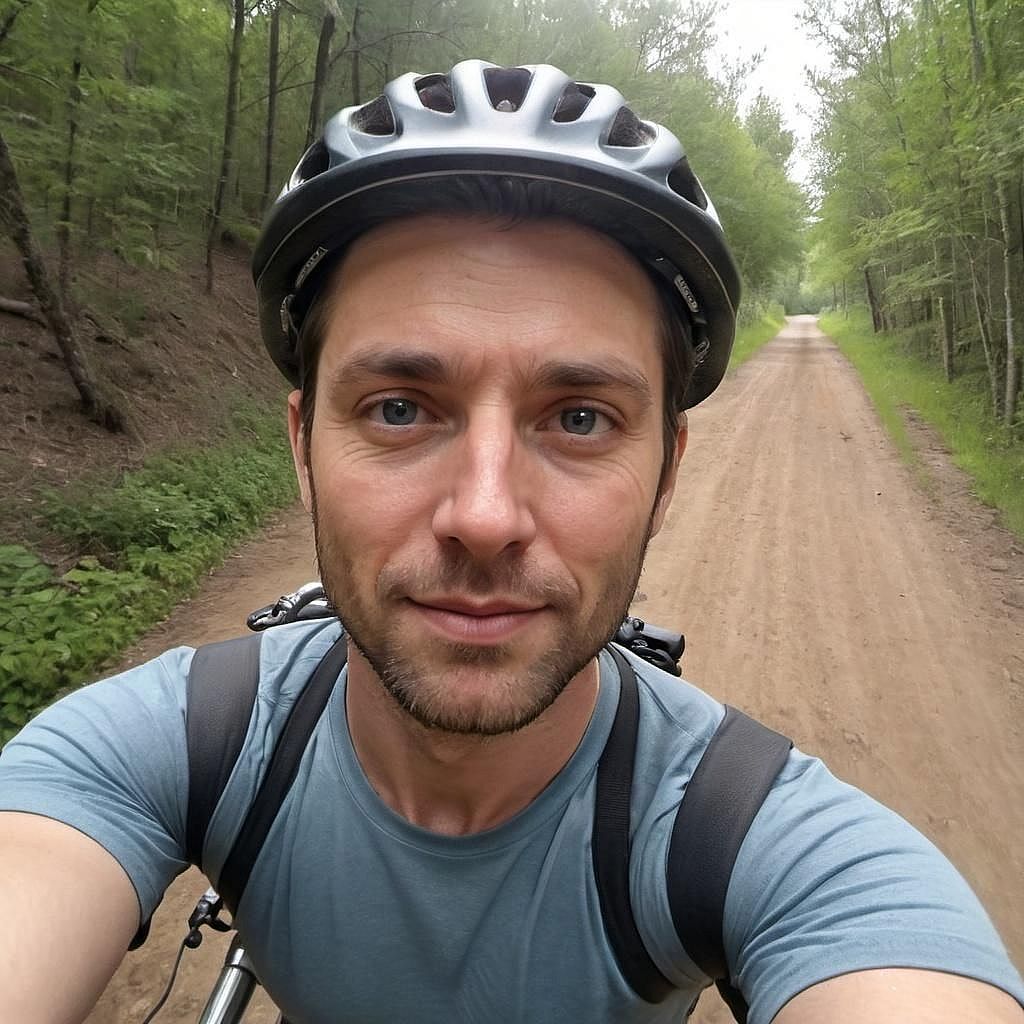
Prompt: Realistic selfie of a man with a bicycle, outdoor trail setting, adventurous spirit.
"Adventurous spirit" is a mood keyword that shifts the subject's body language from posed to active. The trail setting provides natural depth with trees, paths, and uneven terrain that makes the selfie feel like a mid-ride snapshot.
18. Spring Garden Selfie
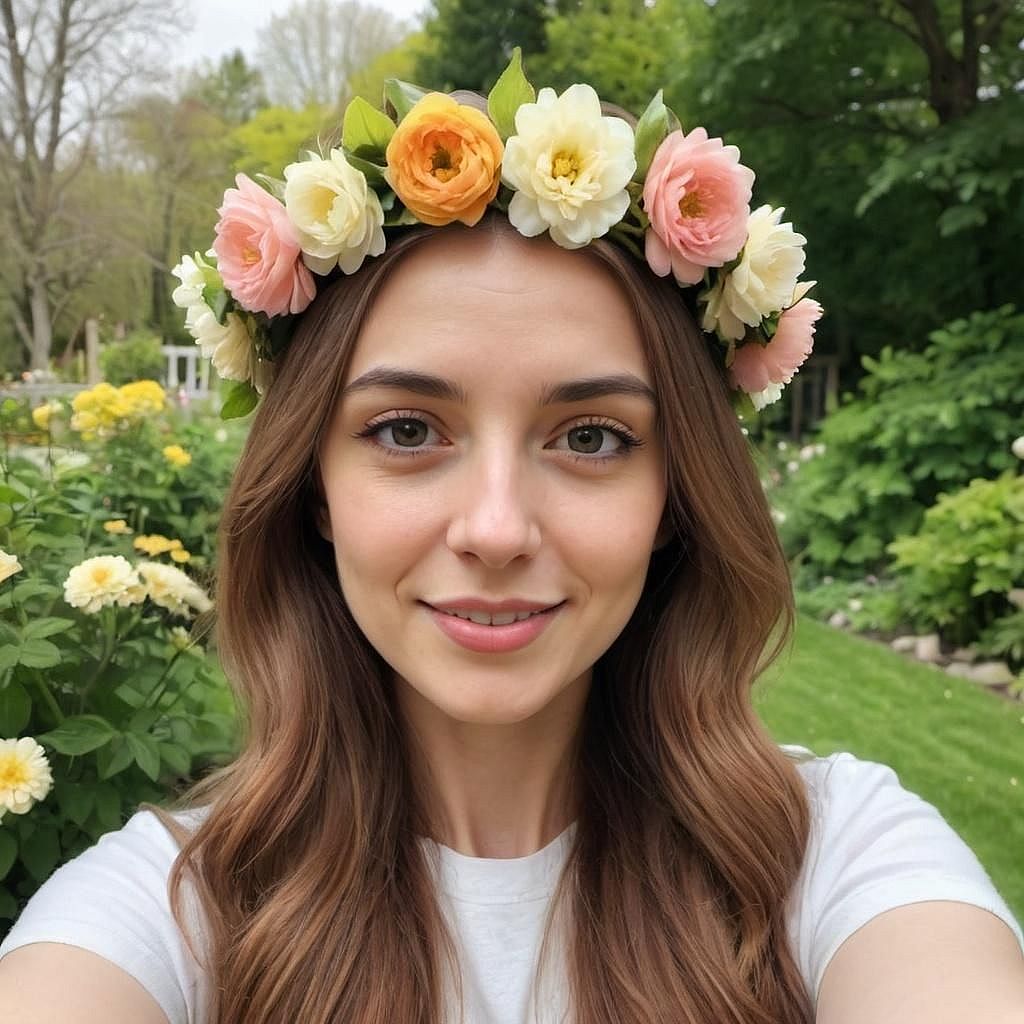
Prompt: Realistic selfie of a woman with a flower crown, garden background, springtime feel.
Flower crowns give the AI a complex accessory to render: individual petals, leaves, and varying colors woven together. "Springtime feel" activates bright greens, soft pastels, and warm sunlight that complete the seasonal atmosphere.
19. Tourist Explorer Selfie
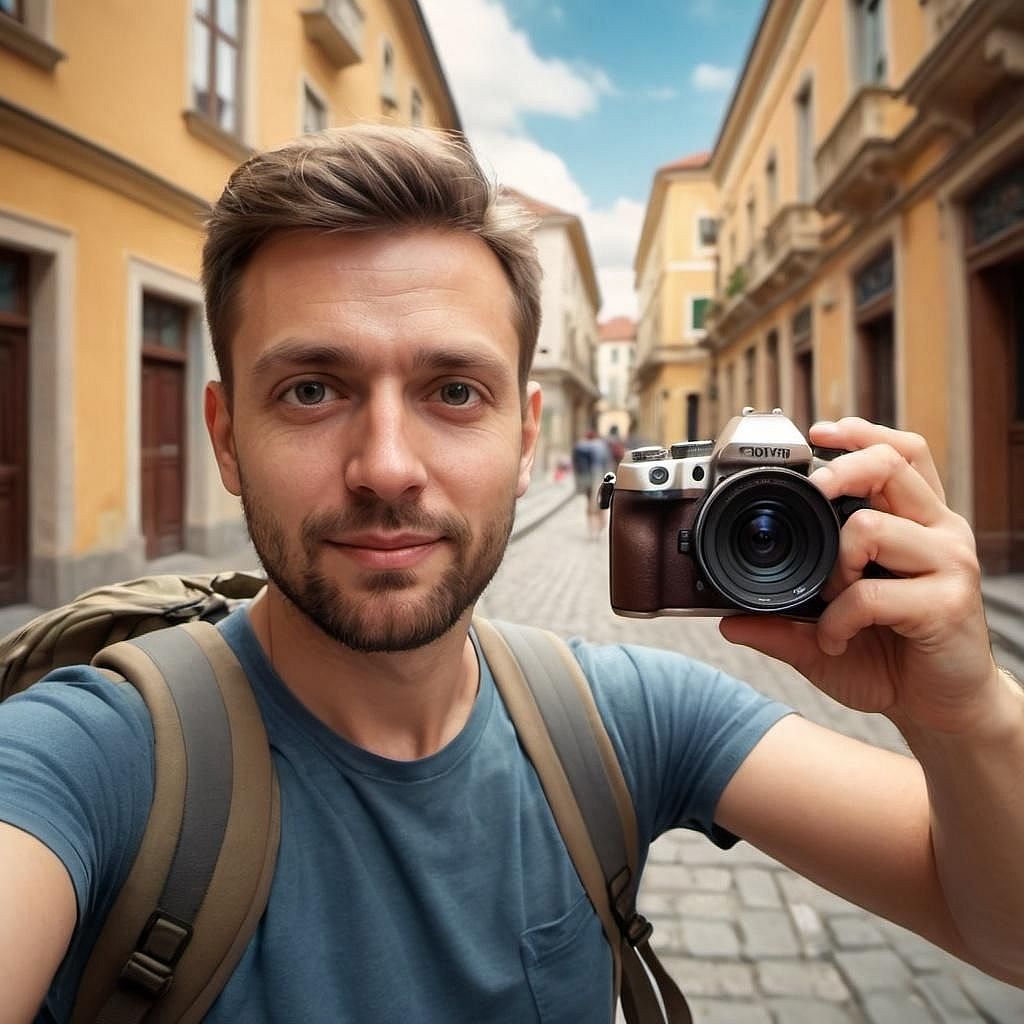
Prompt: Realistic selfie of a man with a camera, tourist setting, exploring new places.
A camera as a prop creates a visual irony: the subject is photographing while being photographed. "Tourist setting" is intentionally vague, which lets the AI generate a visually interesting landmark or street scene without being locked to a specific location.
20. Beach Sunset Portrait
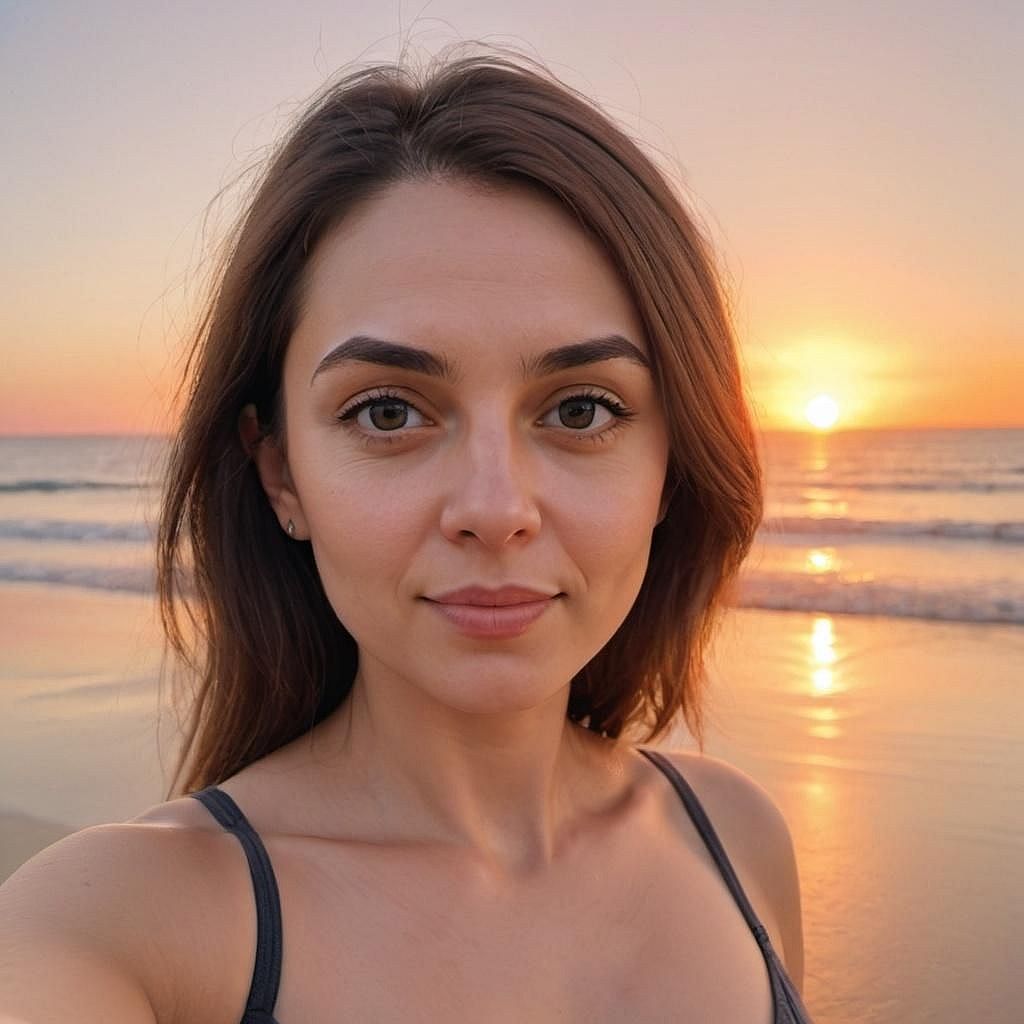
Prompt: Realistic selfie of a woman with a sunset background, beach setting, serene expression.
Sunsets produce dramatic backlighting that silhouettes the subject's hair and creates a warm rim light effect. "Serene expression" matches the calm atmosphere and prevents the AI from generating an overly energetic pose that would clash with the setting.
21. Library Intellectual Selfie
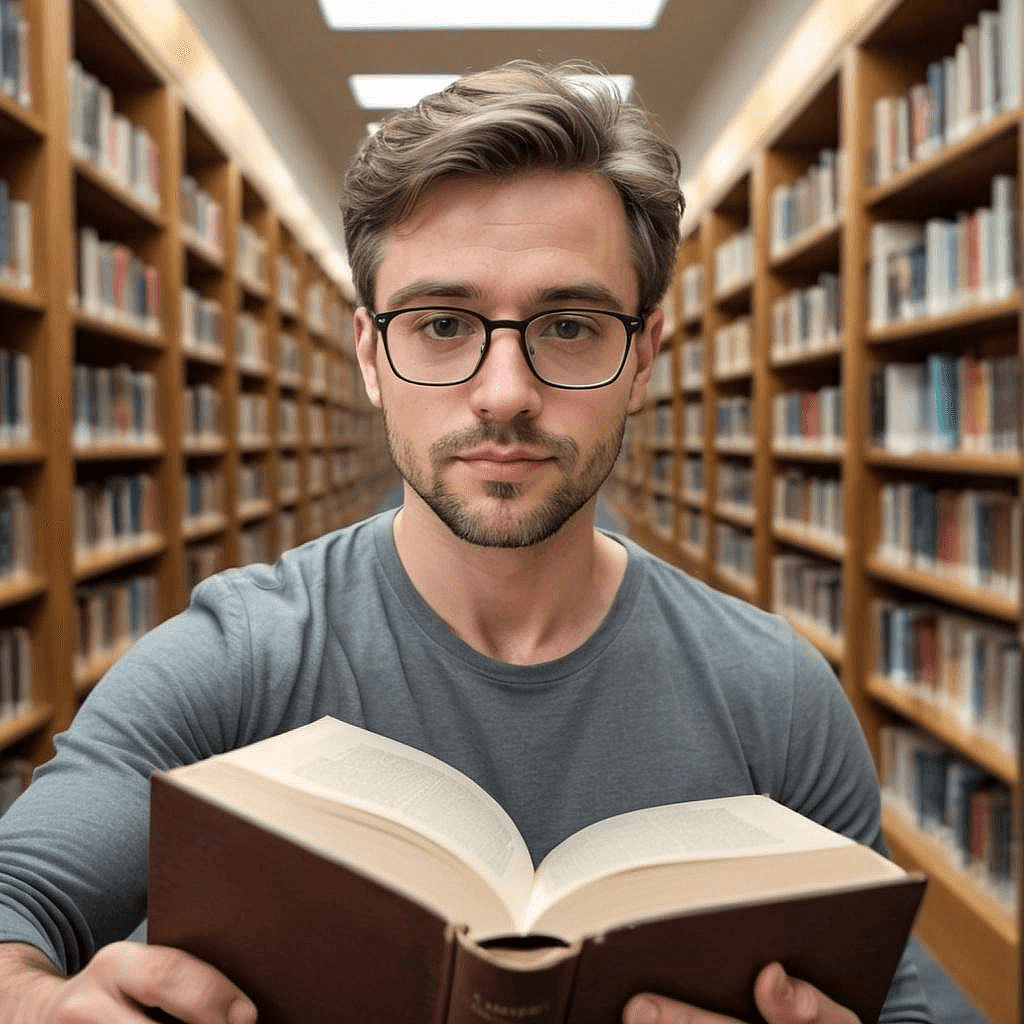
Prompt: Realistic selfie of a man with a book, library background, intellectual vibe.
"Intellectual vibe" directs the subject's expression toward thoughtful and composed rather than casual or playful. Libraries provide rich backgrounds with rows of books creating natural leading lines and warm wood tones that complement most skin colors.
22. Cat Owner Home Selfie
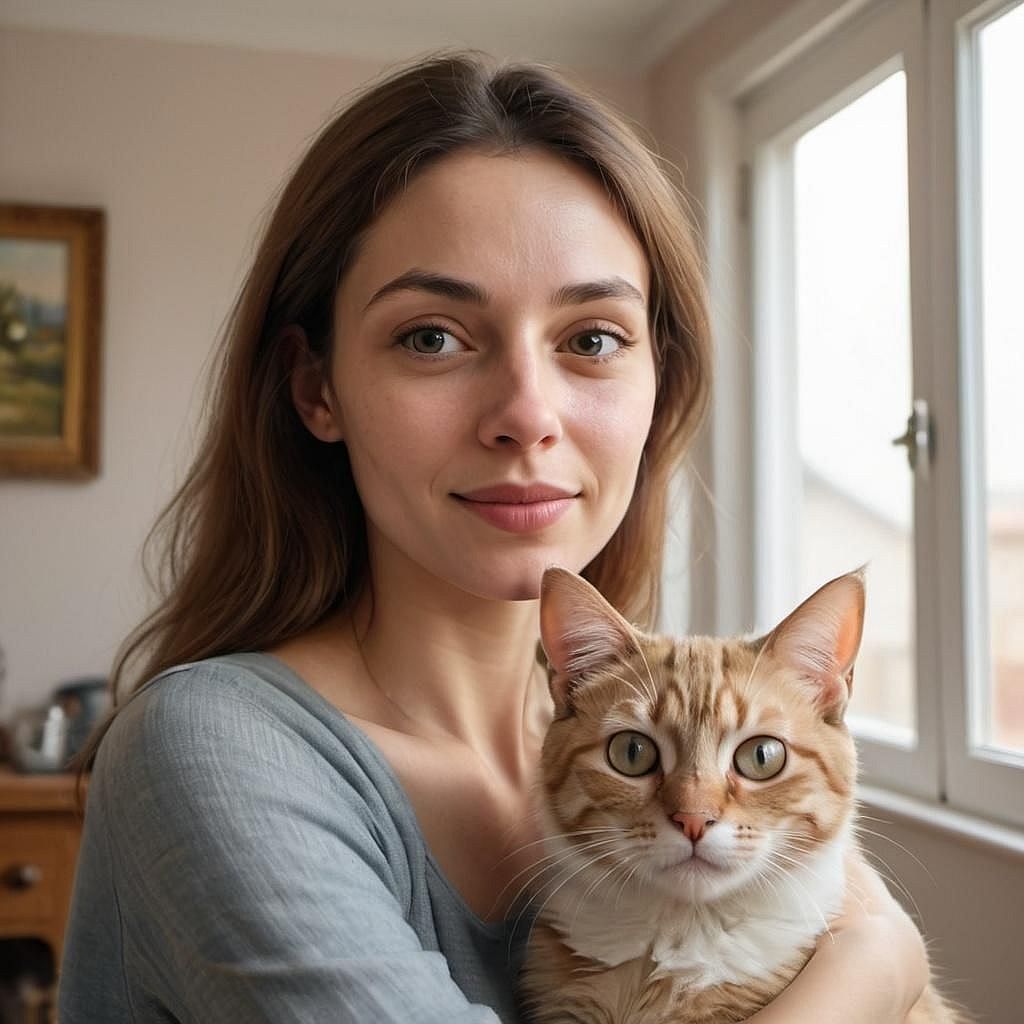
Prompt: Realistic selfie of a woman with a pet cat, home setting, affectionate moment.
"Affectionate moment" tells the AI to generate interaction between the person and the cat: holding, nuzzling, or the cat resting on a shoulder. This creates a warmer, more dynamic composition than simply placing both subjects in the frame.
23. Morning Coffee Routine Selfie
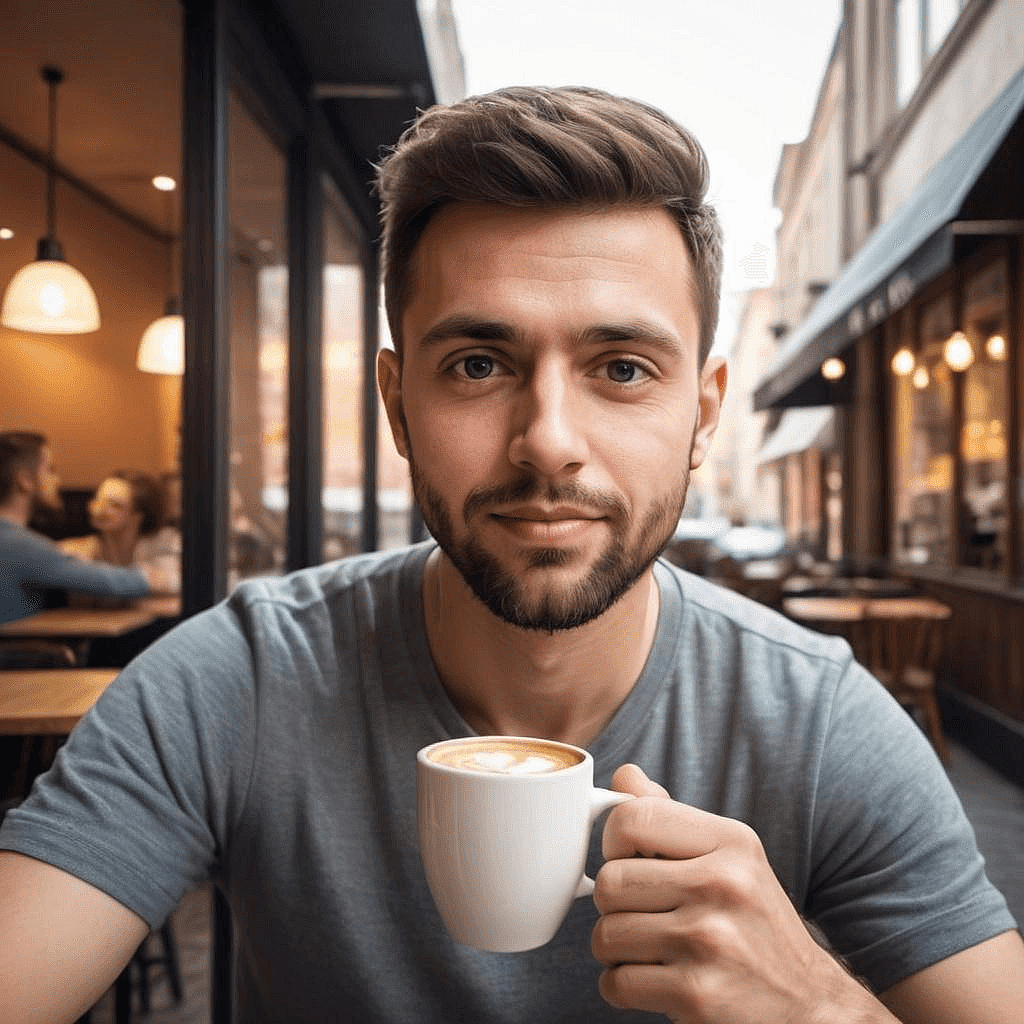
Prompt: Realistic selfie of a man with a coffee cup, urban cafe background, morning routine.
"Morning routine" suggests early daylight filtering through cafe windows, creating a specific time-of-day atmosphere. This prompt produces lifestyle selfies that feel authentic because the activity and setting reinforce each other naturally.
24. Countryside Portrait
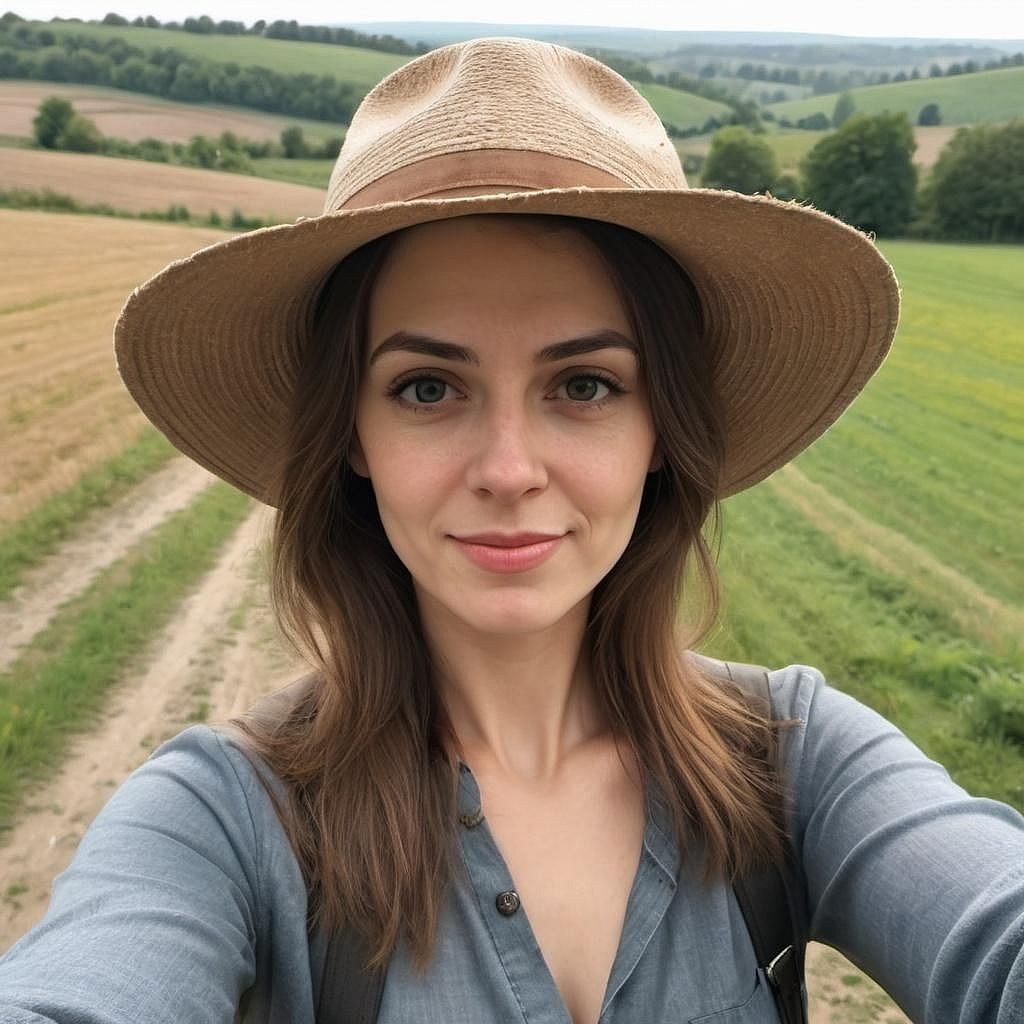
Prompt: Realistic selfie of a woman with a hat, countryside background, rustic charm.
"Rustic charm" activates earthy tones, weathered textures, and pastoral scenery. The hat provides a strong compositional element at the top of the frame that draws attention to the face. This prompt works well for lifestyle, fashion, and travel content creators.
25. Sports Fan Stadium Selfie
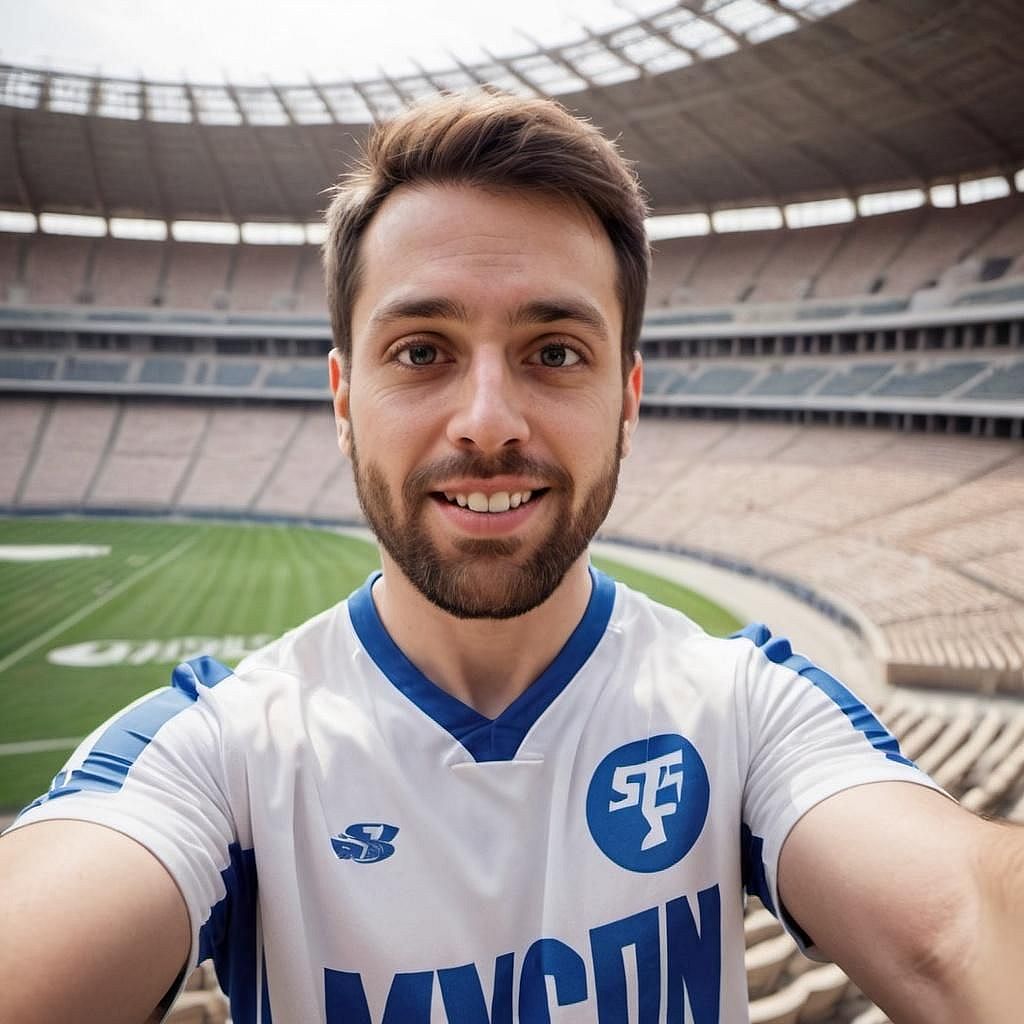
Prompt: Realistic selfie of a man with a sports jersey, stadium background, fan excitement.
"Fan excitement" produces an energetic expression with wide eyes and an open smile. The stadium background provides a massive sense of scale with rows of seats, bright field lights, and crowd elements that frame the subject in an exciting environment.
7 Tips for Writing Better AI Selfie Prompts
Getting a convincing AI selfie takes more precision than other types of AI art prompts. These tips will help you generate portraits that look like they came from a real camera.
1. Start with "realistic selfie" as your base. This two-word foundation tells the AI to simulate smartphone camera characteristics: shallow depth of field, slightly wide-angle distortion, and natural skin textures. It is the single most important modifier for photorealistic results.
2. Name the lighting condition. Lighting controls the entire mood of a selfie. "Natural light" and "golden hour" produce warm, flattering results. "Studio lighting" creates a clean, commercial look. "Evening light" gives you cooler tones with dramatic contrast.
3. Add one prop or activity. A coffee cup, guitar, book, or pet transforms a static portrait into a moment. Props give the AI additional texture targets and create a visual story that makes the selfie more engaging than a plain headshot.
4. Specify the background with purpose. "Urban street," "beach sunset," and "cozy indoor setting" each produce fundamentally different portraits. The background should match the personality and platform you are creating the selfie for.
5. Use mood keywords for expression control. "Confident expression," "relaxed atmosphere," "energetic vibe," and "serene expression" all produce different facial configurations. These are more effective than describing specific muscle movements like "smiling with teeth."
6. Include one clothing detail. "Business suit," "casual attire," "workout clothes," or "summer dress" each set a visual tone that affects how the viewer interprets the entire selfie. Clothing is the fastest way to establish the purpose of the portrait.
7. Run variations and compare. Generate the same prompt three to five times, then try changing one element (lighting, background, or expression). Small adjustments often produce dramatically different results, and comparing variations helps you identify which modifiers have the most impact.
Where to Create AI Selfies
You can generate all of these selfie styles on OpenArt, which supports multiple AI models and gives you control over generation parameters like aspect ratio, guidance scale, and sampling steps. The platform lets you save your favorite prompts and compare results across different models to find the style that works best for your needs.
For building a consistent look across multiple selfies, the AI character generator lets you define a specific face, hairstyle, and style that stays consistent across every image you create.
If you want to turn your AI selfie into animated content for social media stories or video profiles, the AI video generator can bring your static portrait to life with natural movement and expressions.
Frequently Asked Questions
What makes a good AI selfie prompt?
A good AI selfie prompt includes four elements: a subject description (age, gender, distinguishing features), a lighting condition (natural light, golden hour, studio), a background (indoor, urban, nature), and a mood or expression keyword (confident, relaxed, joyful). Keeping each element to one or two words produces cleaner results than writing long descriptions.
Can I use these prompts with ChatGPT or Gemini image generation?
Yes. While these prompts were originally written for Midjourney, they work with any AI image generator that accepts text prompts, including ChatGPT's DALL-E integration, Gemini, and Stable Diffusion models. You may need to adjust the style keywords depending on which platform you use, but the structure (subject, lighting, background, mood) transfers directly.
How do I make my AI selfie look more realistic?
Focus on three areas: add skin-level details like "freckles" or "clear skin" to prevent the AI from over-smoothing. Use "natural light" or a specific time of day for believable illumination. Include small imperfections in your prompt like "slightly windblown hair" or "relaxed posture" to avoid the too-perfect look that immediately signals AI generation.
What is the best aspect ratio for AI selfie prompts?
For social media profile pictures, generate at 1:1 (square). For Instagram stories and TikTok, use 9:16 (vertical). For standard selfie framing that works across platforms, 3:4 vertical provides the most natural smartphone selfie proportions. Always generate at the highest available resolution and crop down rather than generating small.
Can I use AI-generated selfies as my profile picture?
Most social media platforms allow AI-generated profile pictures. These images do not depict real people, so they avoid the privacy and consent issues associated with photos of real individuals. They are commonly used for anonymous accounts, placeholder profiles, creative portfolios, and testing marketing materials.