
 ChatGPT
 Perplexity
 Claude
 Gemini
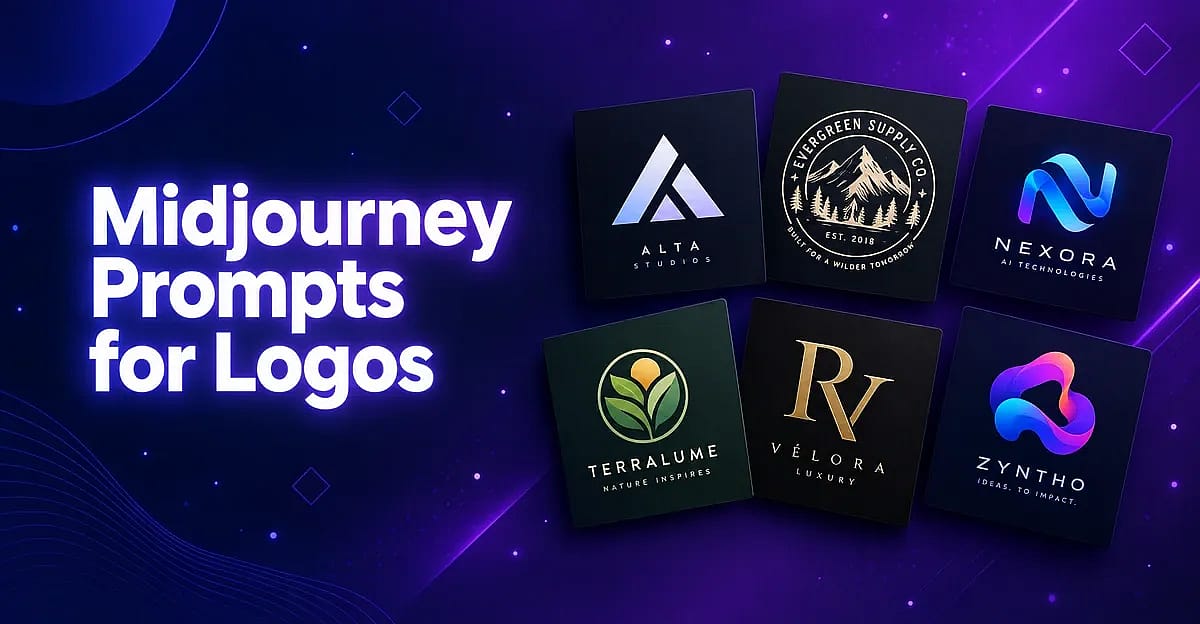
Midjourney logo prompts let you generate professional-looking brand marks, wordmarks, and icons using nothing but a text description. The right prompt tells Midjourney what style, color palette, and mood you want, and the AI returns a logo concept you can refine from there. This guide gives you 25 ready-to-use Midjourney logo prompts with example images, a set of ChatGPT logo prompts, and practical tips for writing your own AI logo design prompts.
All the images below were created on OpenArt, a free AI image generator that supports multiple models including ones optimized for logo design.
Key Takeaways
- Midjourney logo prompts work best when you name the style (minimalist, vintage, 3D), the color scheme, and the overall mood.
- Adding keywords like "vector style," "flat design," or "on a white background" keeps the output clean and usable.
- The 25 prompts below cover styles from minimalist to luxury to industrial, each with an example image.
- ChatGPT logo prompts work better as full sentences describing the brand and its personality.
- Combining a style keyword with a specific industry or concept gives the most targeted results.
25 Midjourney Logo Prompts
These logo design prompts follow the comma-separated keyword style that works best in Midjourney. Each one names the design style, the visual treatment, and the mood. Use them as-is or swap in your own brand details.
1) Minimalist logo design, clean lines, modern aesthetic, monochrome color scheme, sleek and professional
Minimalist logos strip away everything except the core shape, which makes them scale well from app icons to billboards. The "monochrome color scheme" keyword keeps Midjourney from adding unnecessary color, and "clean lines" prevents the hand-drawn look that AI sometimes defaults to.
2) Vintage logo design, retro typography, classic color palette, nostalgic feel, timeless appeal
Vintage logos work well for craft brands, breweries, and heritage businesses. The "retro typography" keyword pushes Midjourney toward serif and slab-serif lettering styles, while "classic color palette" gives you muted golds, deep reds, and navy tones.
3) Futuristic logo design, neon colors, sleek lines, high-tech aesthetic, modern and innovative
This prompt targets the sci-fi and tech startup space where gradients and glow effects signal innovation. The "neon colors" keyword gives you electric blues and purples, and "sleek lines" keeps the shapes tight rather than organic.
4) Hand-drawn logo design, sketch style, organic lines, artisanal feel, unique and personal
Hand-drawn logos suit bakeries, art studios, and independent shops that want to feel approachable. The "sketch style" keyword tells Midjourney to add visible pen strokes and slight imperfections that give the logo a human touch.
5) Geometric logo design, sharp angles, bold shapes, modern and abstract, clean and precise
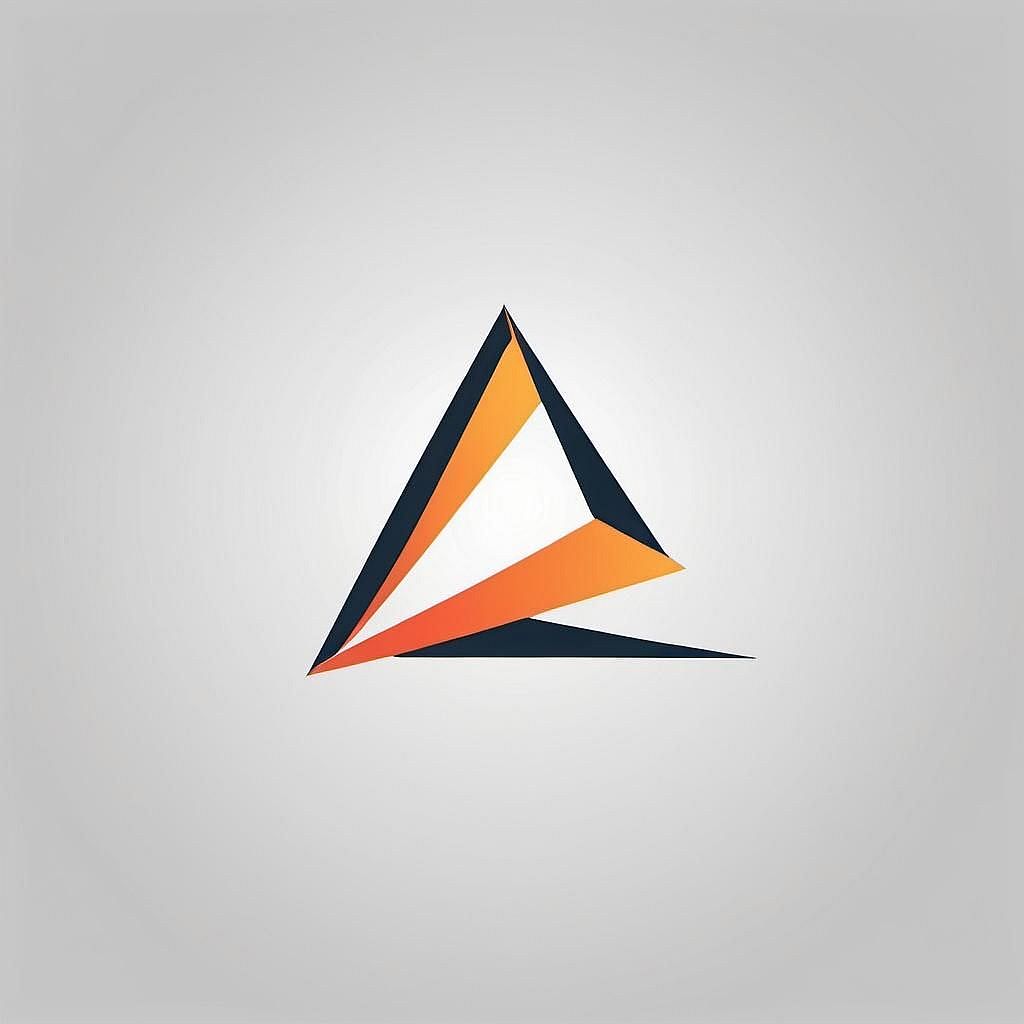
Geometric logos rely on triangles, hexagons, and intersecting lines to create a structured, deliberate feel. This style is popular with architecture firms, fintech companies, and analytics platforms where precision matters.
6) Watercolor logo design, soft colors, fluid lines, artistic and elegant, delicate and beautiful
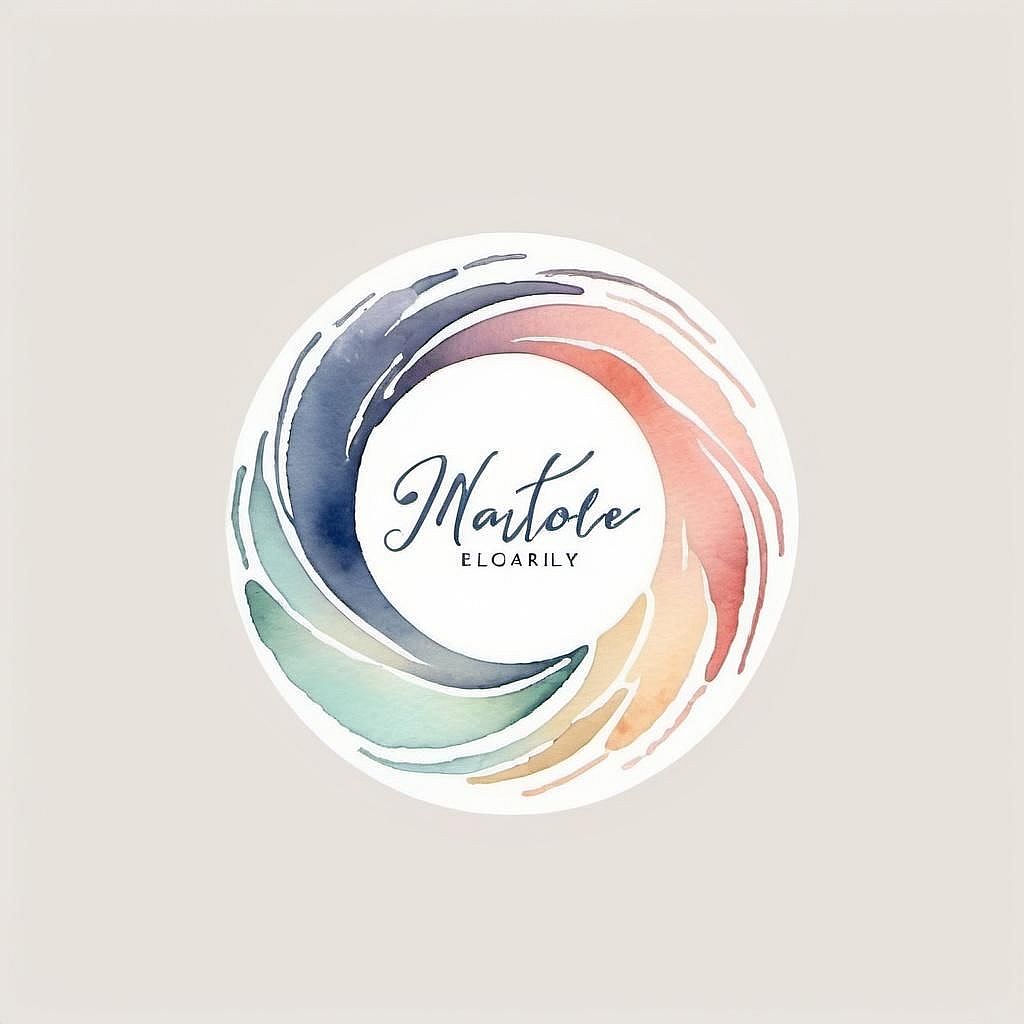
Watercolor logos bring a soft, hand-painted quality that works for wedding planners, florists, and wellness brands. The "fluid lines" keyword encourages Midjourney to let shapes bleed into each other naturally instead of using hard edges.
7) 3D logo design, realistic rendering, depth and dimension, modern and eye-catching
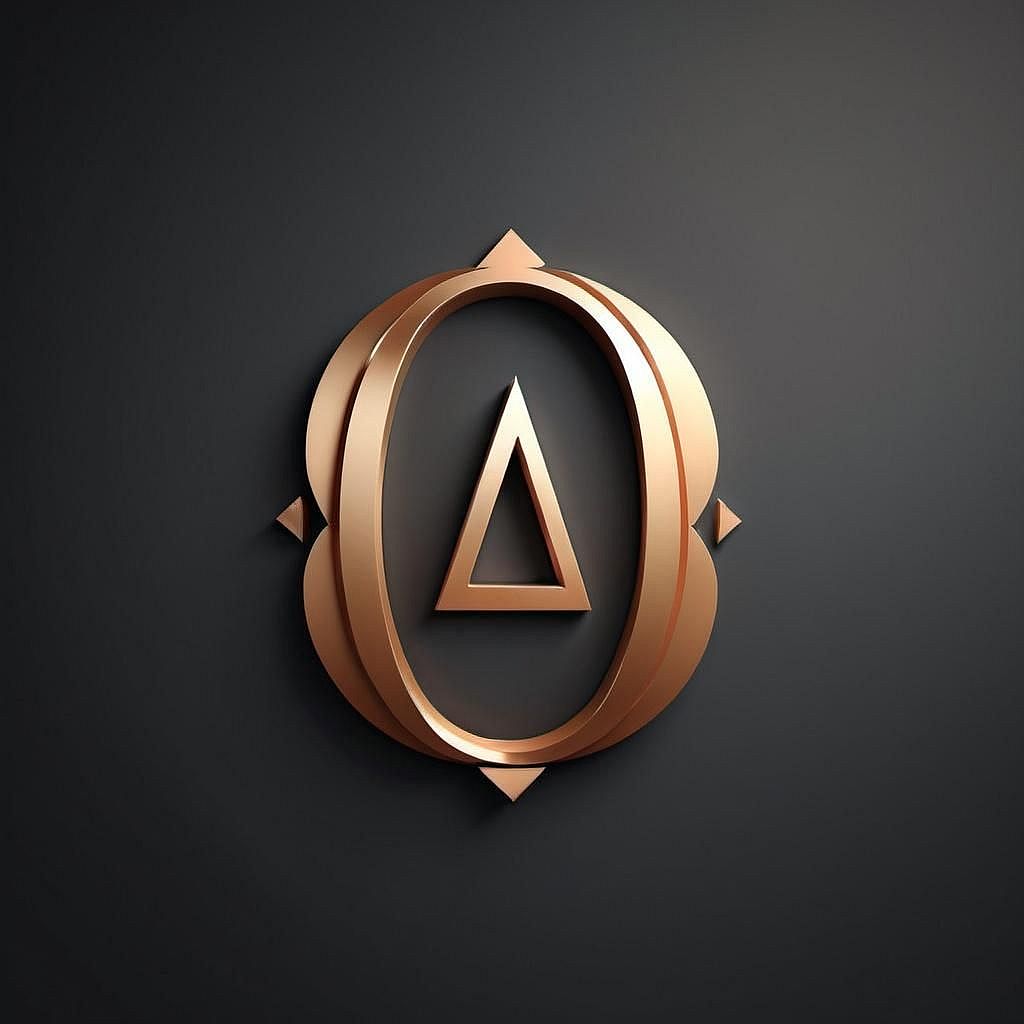
3D logos add depth through lighting, shadows, and perspective, making them stand out on websites and social media. The "realistic rendering" keyword pushes the output toward a polished, production-ready look rather than a cartoonish one.
8) Flat design logo, simple shapes, bold colors, modern and clean, minimalistic
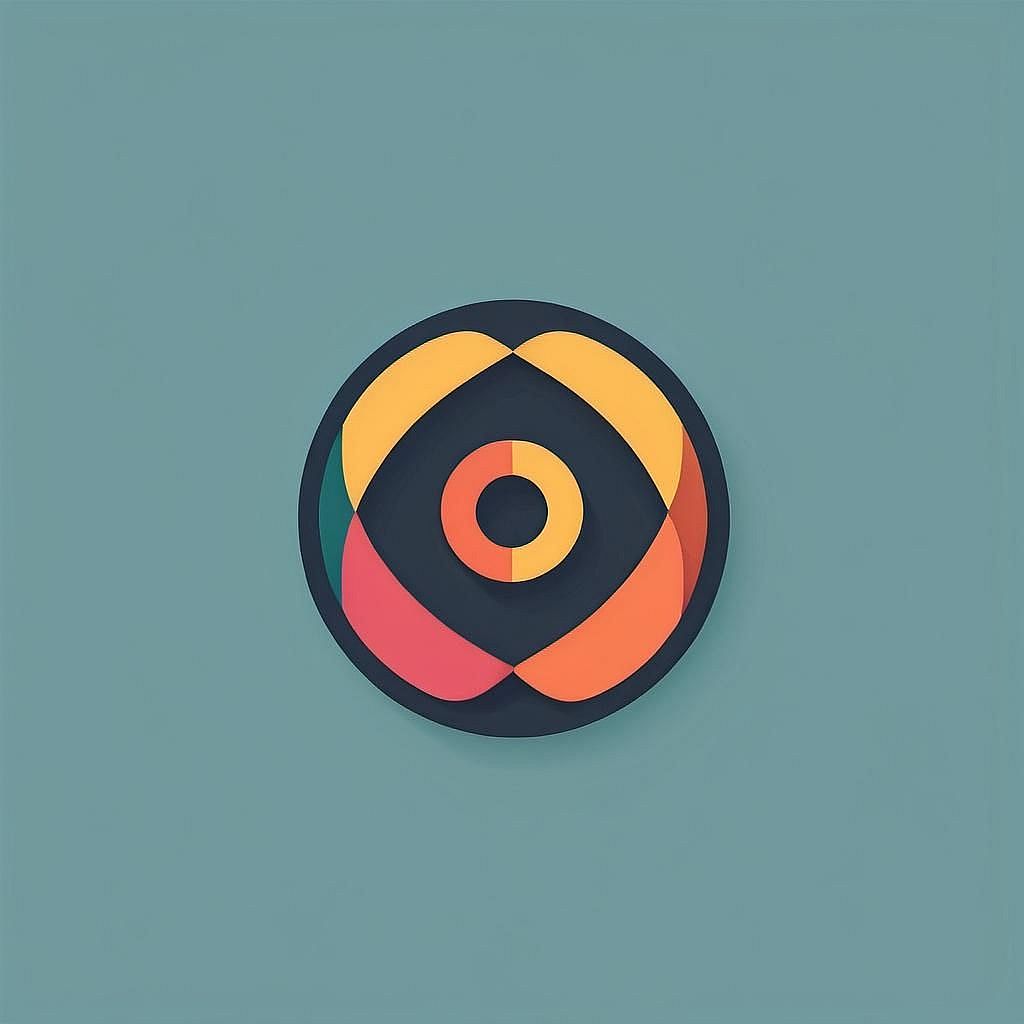
Flat design strips out gradients and shadows so the logo works at any size, from a favicon to a poster. The "bold colors" keyword ensures the output still has visual weight even without depth effects.
9) Gradient logo design, smooth color transitions, modern and dynamic, vibrant and eye-catching
Gradient logos have become a staple for apps and digital products thanks to brands like Instagram and Firefox. The "smooth color transitions" keyword helps Midjourney blend two or more hues without harsh banding or muddy midtones.
10) Monogram logo design, elegant typography, classic and sophisticated, timeless appeal
Monogram logos use one or two interlocked letters to represent a brand, which is why they are common in fashion, law, and hospitality. Adding "elegant typography" keeps the letterforms refined rather than blocky.
11) Abstract logo design, unique shapes, modern and artistic, creative and innovative
Abstract logos avoid literal representation and instead use form and color to convey a brand feeling. This approach works for companies that want their logo to spark curiosity rather than describe what they do.
12) Nature-inspired logo design, organic shapes, earthy colors, natural and calming
Nature logos use leaf shapes, water ripples, and earth tones to signal sustainability or outdoor activity. The "earthy colors" keyword steers Midjourney toward greens, browns, and muted blues instead of neon or pastels.
13) Typography-focused logo design, bold fonts, modern and clean, impactful and memorable
Typography logos, also called wordmarks, let the brand name itself do all the visual work. This style is ideal when the company name is short and distinctive, since the font choice becomes the entire brand identity.
14) Iconic logo design, simple and recognizable, timeless and versatile, strong brand identity
Iconic logos distill a concept into one unmistakable symbol, the way Apple uses an apple or Target uses a bullseye. The "simple and recognizable" keyword pushes Midjourney to reduce detail so the shape reads clearly even at small sizes.
15) Luxury logo design, elegant and sophisticated, gold accents, high-end and exclusive
Luxury logos use thin strokes, serif fonts, and metallic finishes to signal premium quality. The "gold accents" keyword gives Midjourney a clear color direction, while "high-end and exclusive" shapes the overall mood of the composition.
16) Cartoon-style logo design, playful and fun, vibrant colors, whimsical and creative
Cartoon logos work for gaming companies, children's brands, and food trucks where personality is the product. The "vibrant colors" keyword ensures the output pops, while "whimsical" steers Midjourney toward rounded, exaggerated shapes.
17) Vintage badge logo design, classic shapes, retro typography, nostalgic and timeless
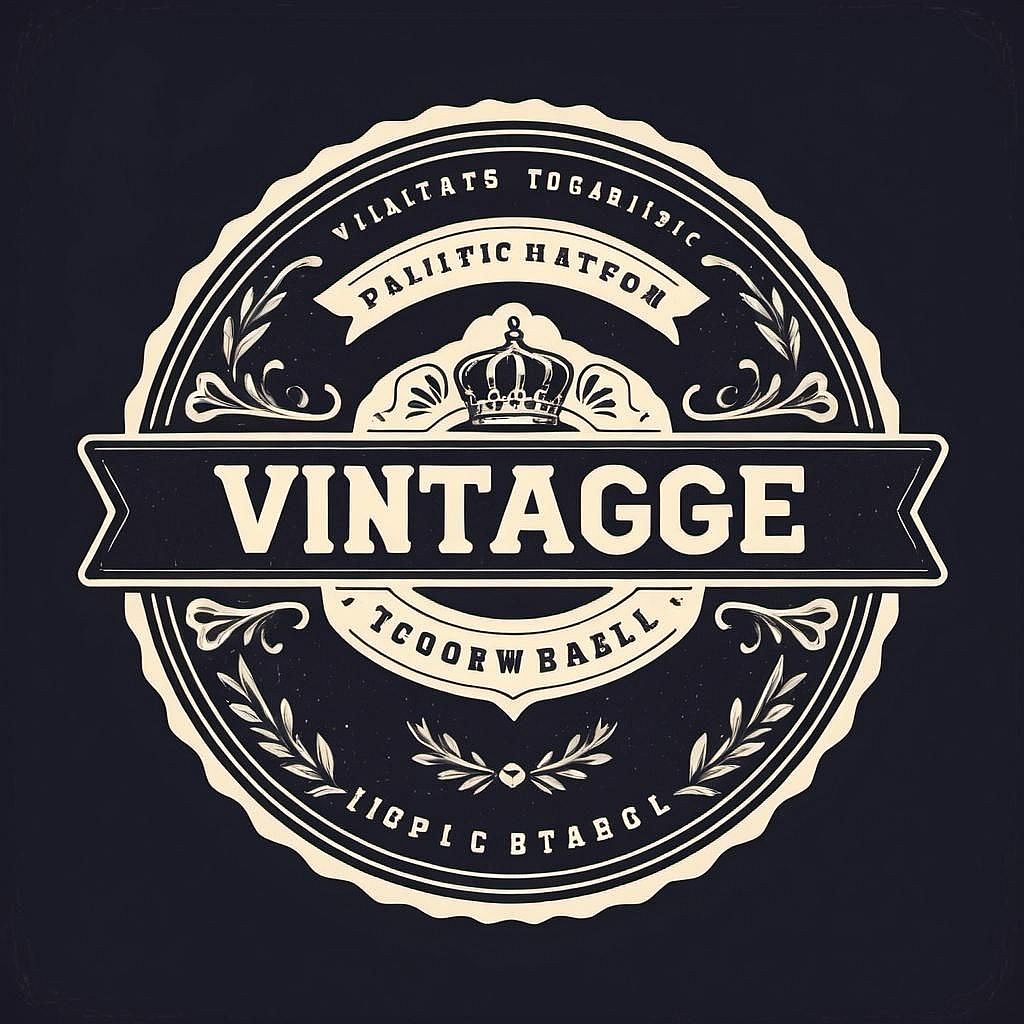
Badge logos frame the brand name inside a shield, circle, or crest shape, which gives them an official, established feel. This style is a go-to for coffee roasters, outdoor gear brands, and barbershops.
18) Modern tech logo design, sleek lines, futuristic aesthetic, innovative and cutting-edge
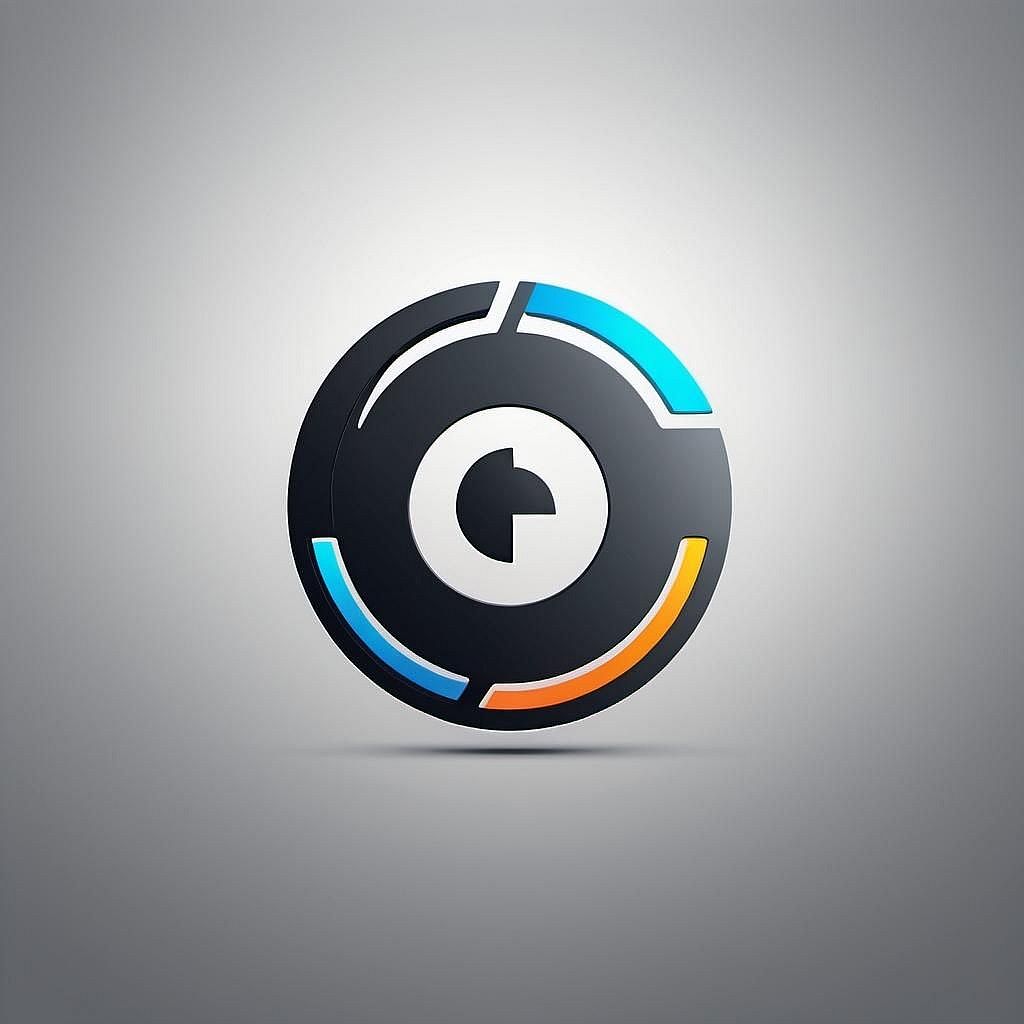
Tech logos lean on clean geometry and cool color palettes to convey speed and reliability. This prompt lands between minimalist and futuristic, giving you something polished enough for a SaaS product page or investor deck.
19) Hand-lettered logo design, custom typography, artistic and unique, personal touch
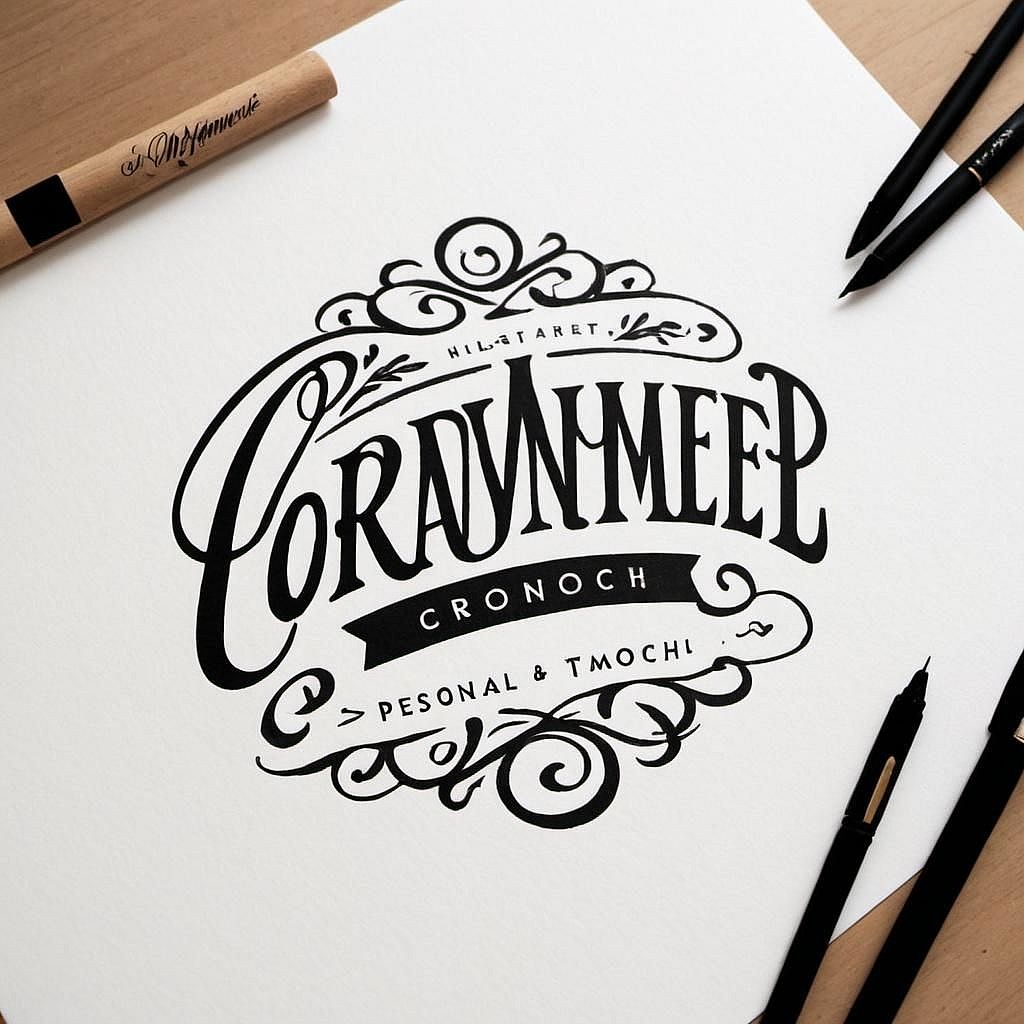
Hand-lettered logos use custom-drawn letterforms instead of existing fonts, which makes them harder to copy. The "personal touch" keyword encourages Midjourney to add slight flourishes and irregularities that separate it from standard typefaces.
20) Minimalist line art logo, clean and simple, modern and elegant, understated beauty
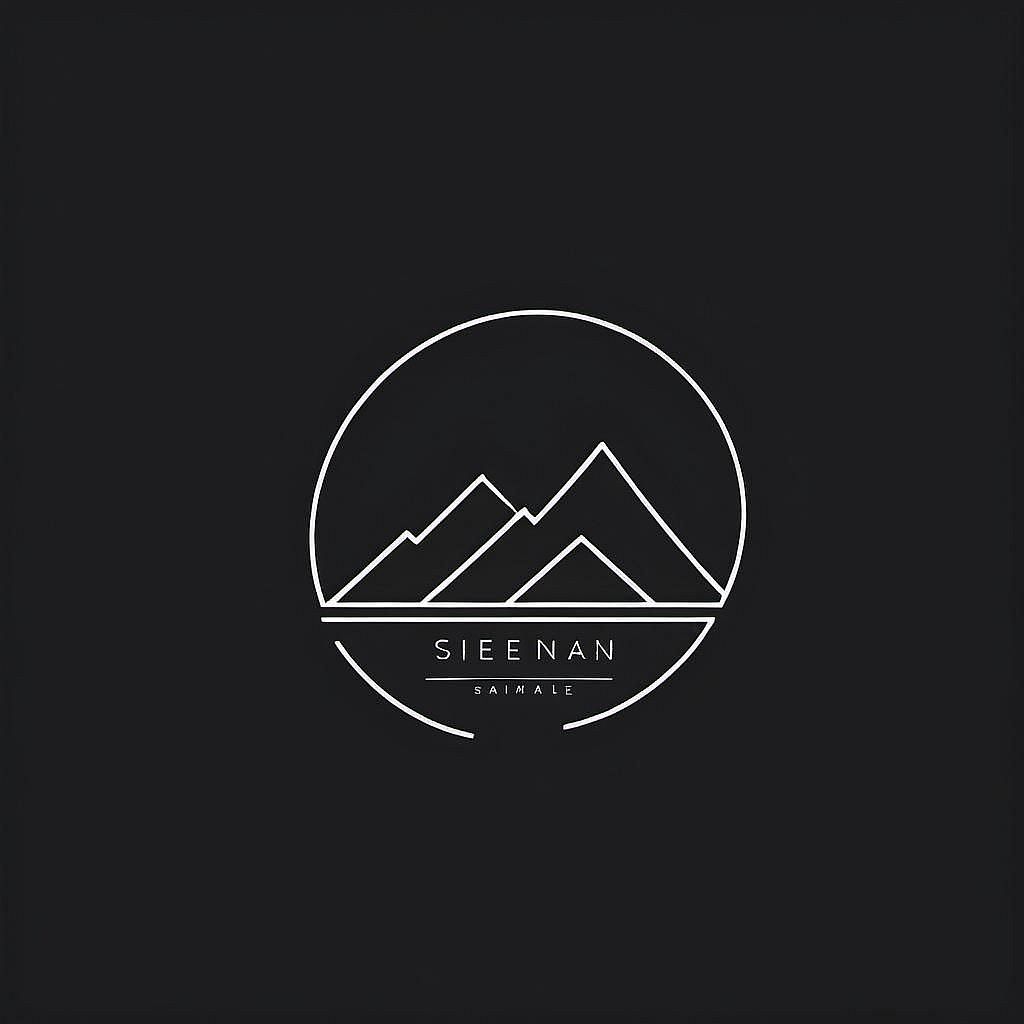
Line art logos use a single continuous stroke weight to outline a shape, which gives them a refined editorial quality. They reproduce well on business cards, packaging, and embroidery because there is no fill or gradient to lose.
21) Bold and colorful logo design, vibrant hues, eye-catching and dynamic, energetic and lively
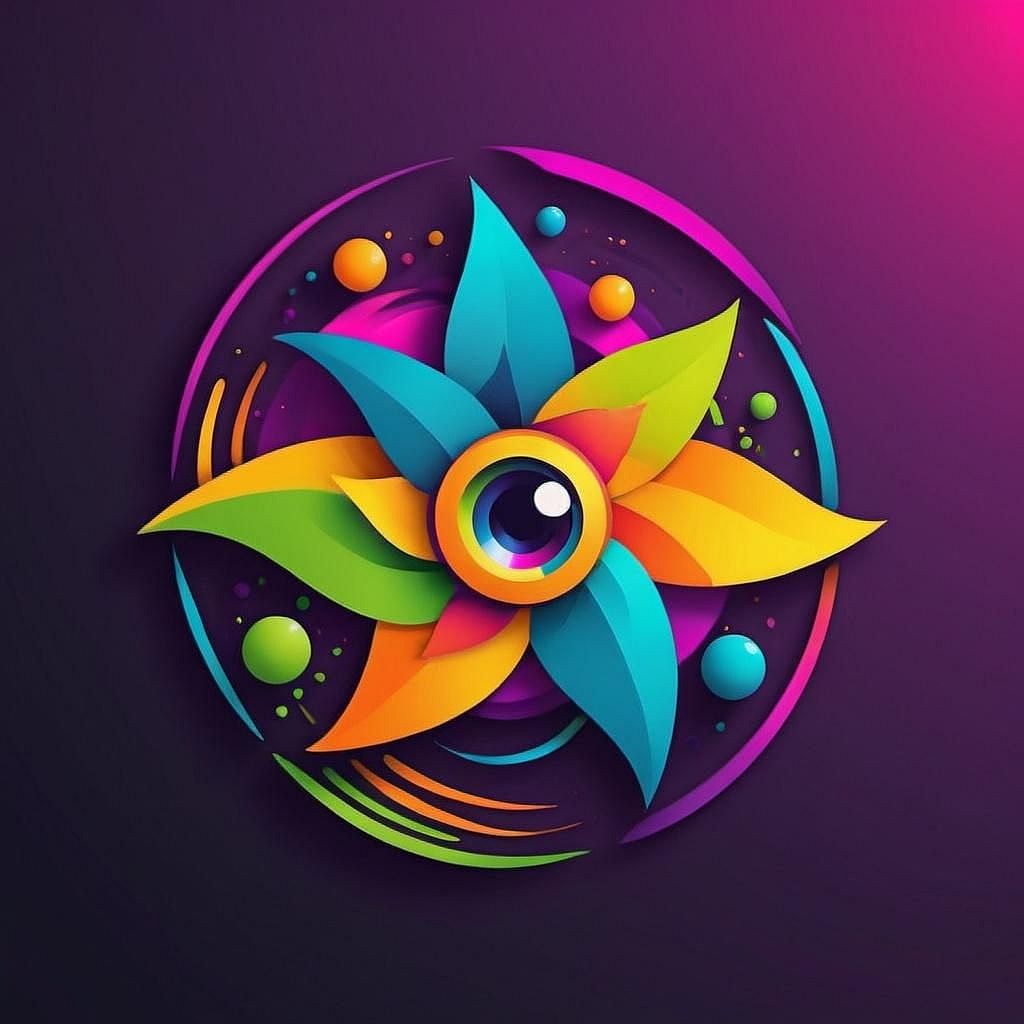
Bold, multi-color logos grab attention in crowded feeds and work for brands that want to feel energetic and approachable. The "vibrant hues" keyword prevents Midjourney from muting the palette, so you get saturated reds, yellows, and blues.
22) Rustic logo design, earthy tones, organic shapes, natural and authentic
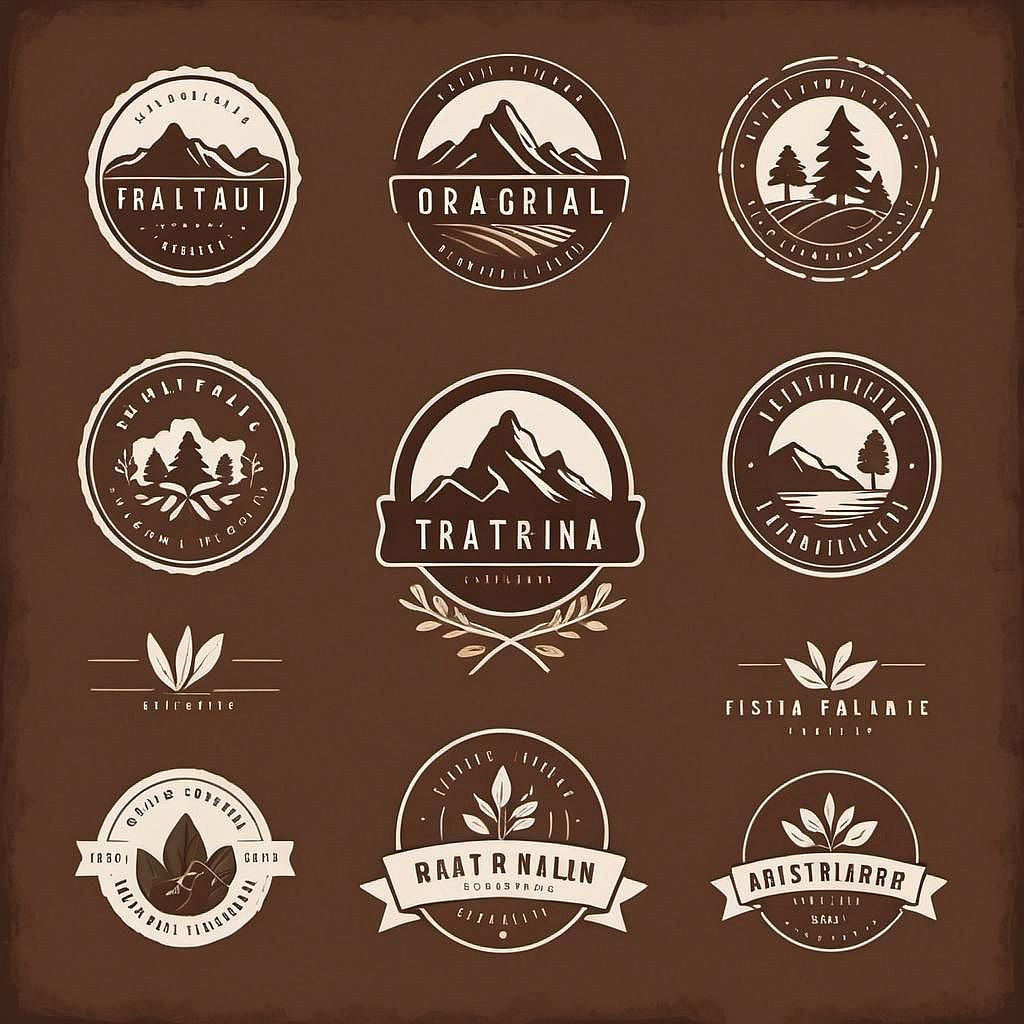
Rustic logos pair well with farm-to-table restaurants, woodworking shops, and artisan producers. The "natural and authentic" keyword helps Midjourney avoid overly polished finishes and instead delivers a texture that feels handcrafted.
23) Elegant script logo design, flowing typography, sophisticated and graceful, timeless beauty
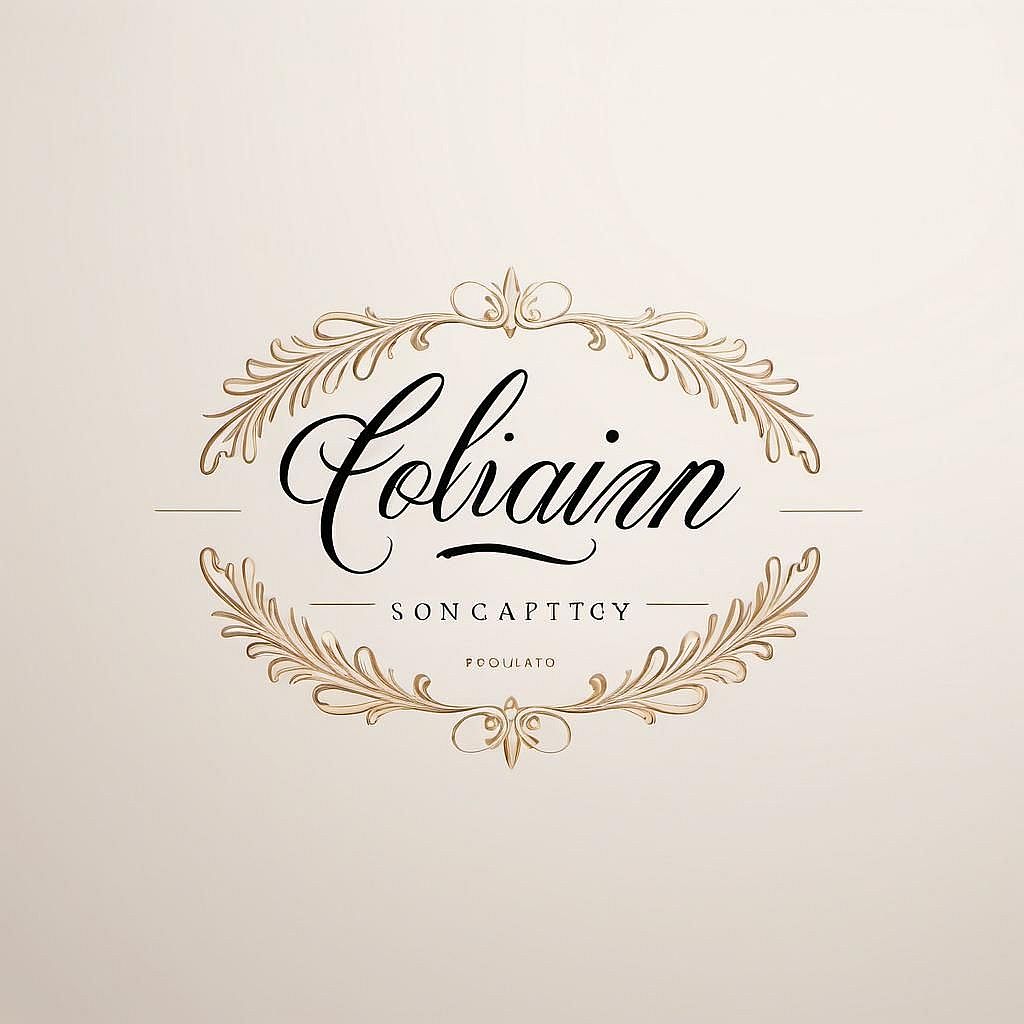
Script logos use cursive or calligraphic lettering to convey elegance, which makes them popular for perfume brands, event planners, and boutique hotels. The "flowing typography" keyword ensures connected, sweeping strokes rather than rigid cursive.
24) Industrial logo design, strong lines, metallic colors, modern and robust
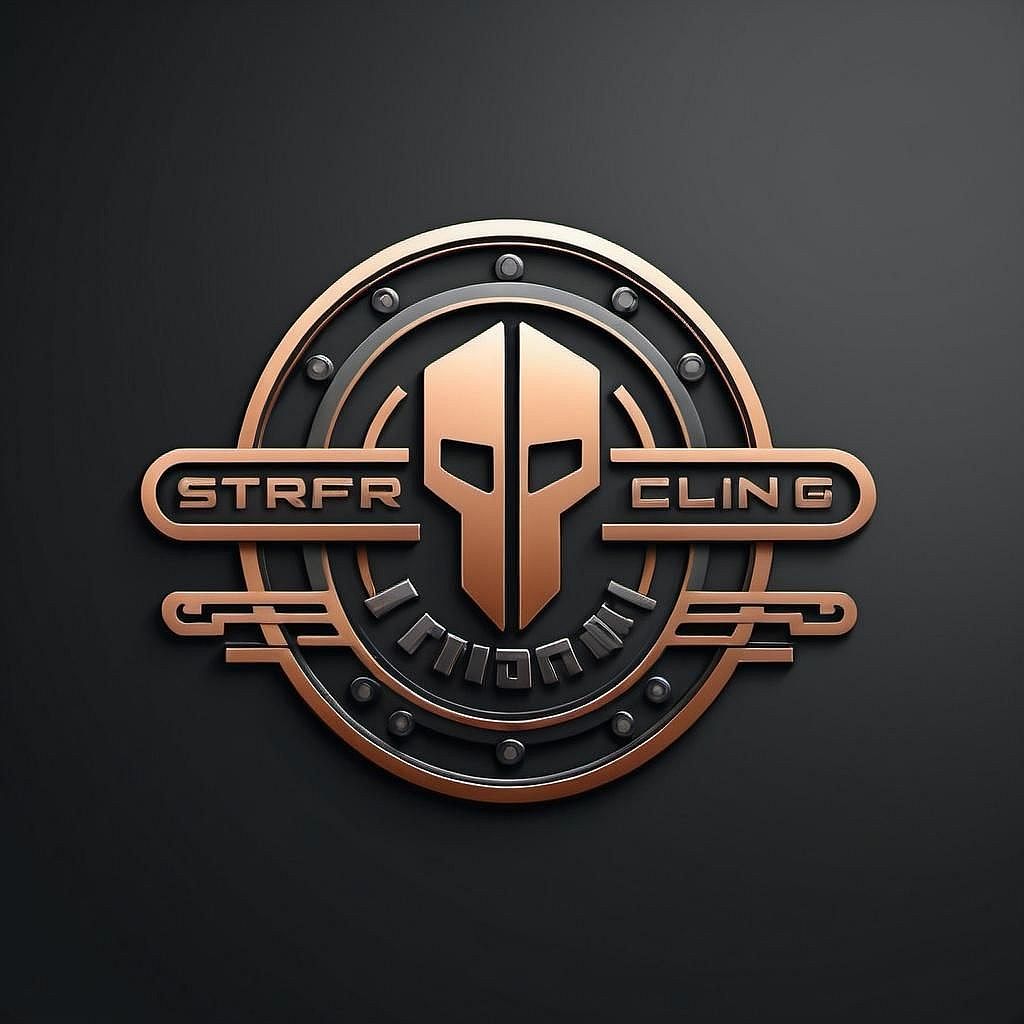
Industrial logos use heavy weights, steel grays, and mechanical shapes to signal durability and strength. This style fits construction companies, manufacturing firms, and hardware brands where the product itself is built to last.
25) Artistic logo design, creative and unique, bold and expressive, visually striking
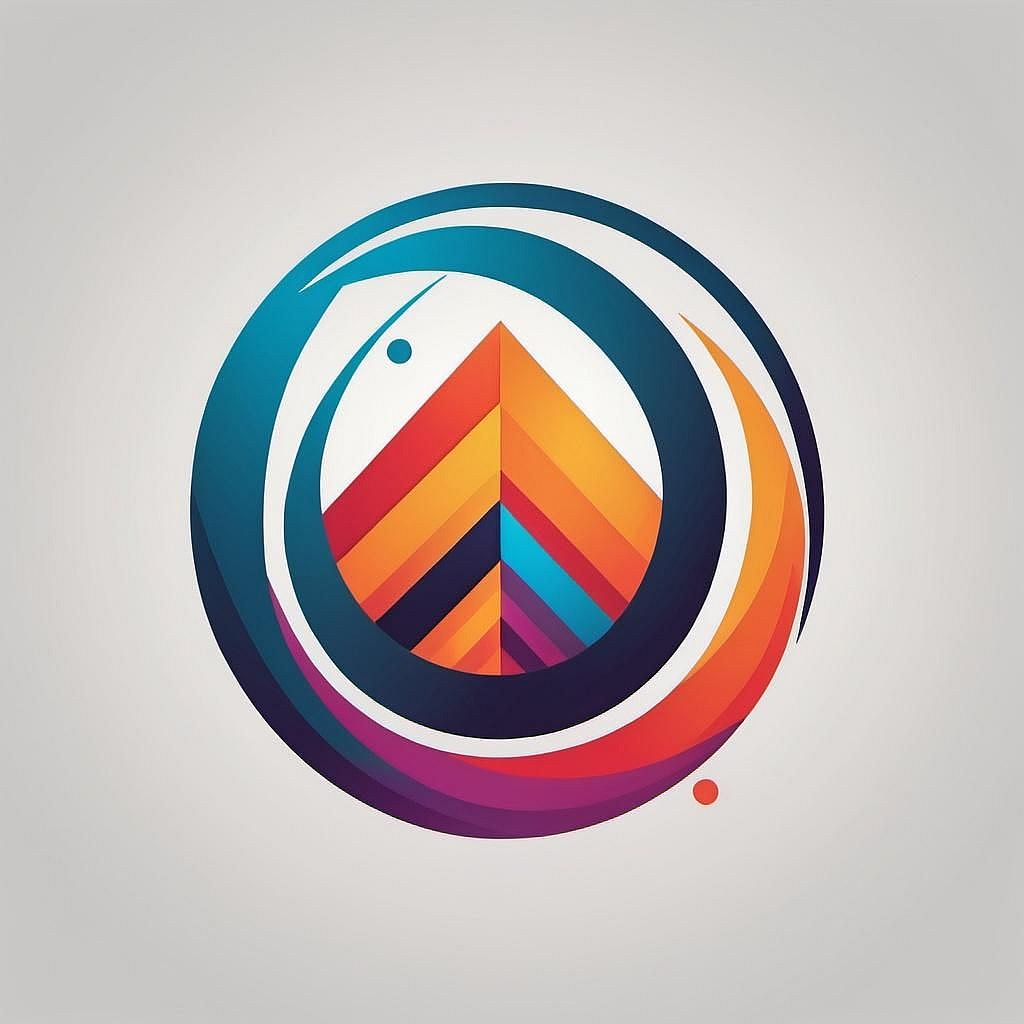
Artistic logos break conventional design rules on purpose, using asymmetry, mixed media, or unexpected color combinations to stand out. This prompt works for creative agencies, galleries, and brands that want their logo to double as a piece of art.
ChatGPT Logo Prompts
ChatGPT approaches logo design differently from Midjourney. Instead of comma-separated keywords, ChatGPT logo prompts work better as full sentences that describe the brand, its audience, and the visual direction you want. Here are seven examples you can adapt.
- Tech startup monogram: "Design a minimal monogram logo for a fintech startup called 'Nexo' using the letters N and X, with a dark navy background and a single accent color in electric blue."
- Organic food brand: "Create a logo for an organic juice company called 'Root Press' that features a stylized root vegetable, earth tones, and hand-drawn lettering that feels artisanal."
- Fitness brand: "Generate a bold, energetic logo for a gym called 'Forge Athletics' using strong angular shapes, a black and orange color scheme, and a sans-serif typeface."
- Children's education: "Design a playful logo for a kids' coding school called 'ByteKids' with rounded shapes, bright primary colors, and a friendly mascot character."
- Luxury real estate: "Create an elegant wordmark logo for a luxury real estate agency called 'Crestview' using thin serif typography, gold foil accents, and a clean white background."
- Eco cleaning service: "Design a logo for a green cleaning company called 'PureLeaf' that combines a leaf motif with water droplets, using soft greens and clean sans-serif type."
- Music production: "Generate a modern logo for a music production studio called 'Wavefront' that uses sound wave shapes, a gradient from purple to teal, and a futuristic font."
How to Write Better AI Logo Prompts
Writing effective logo design prompts is about giving the AI enough direction without overloading it. Here are the key elements to include in every prompt.
- Name the design style first. Start with "minimalist," "vintage," "3D," "geometric," or another clear style category so the AI locks in the visual direction before processing the rest of your prompt.
- Specify a color scheme. Words like "monochrome," "earth tones," or "neon colors" prevent the AI from picking random palettes. If you have brand colors, include the hex codes.
- Add a background directive. Including "on a white background" or "on a dark background" keeps the logo isolated and easier to extract for real use.
- Mention the industry or use case. A prompt that says "for a coffee shop" or "for a SaaS product" helps the AI choose appropriate shapes and typography.
- Use negative prompts when needed. If you keep getting text in your logos and don't want it, add "no text" or "symbol only" to strip out unwanted lettering.
- Keep it under 40 words. Midjourney handles concise prompts better than paragraph-length descriptions. Pack your most important keywords at the front of the prompt.
Generate AI Logos on OpenArt
OpenArt supports multiple AI models for logo generation, so you can test the same prompt across different engines and compare results. Upload a rough sketch as a reference image, adjust the style strength, and iterate until the concept matches your vision. The platform is free to start with, and you can download high-resolution outputs for further editing in Illustrator or Figma.
Start Designing Your AI Logo
You can try any of the 25 Midjourney logo prompts above on OpenArt for free. Pick a model, paste your prompt, and see the result in seconds. Once you have a concept you like, refine it with follow-up prompts or use the image as a starting point for a professional designer to vectorize and finalize.