
Limited-time offer! Unlock a year of limitless creativity with annual plans at UP TO 27% OFF.

View Plan ›

Extract Layers - Image to Layers With AI

Extract Layers is OpenArt's image-to-layers workflow tool. Upload one picture, and the Extract Layers tool splits the background, products, people, and text into separate see-through layers you can change, remove, or reuse.

Add image reference
Extract Now

Benefits of an AI Layer Splitter

Change One Part at a Time

Extract Layers puts the background, the product, the people, and the text on separate layers, so you can update one part and leave the rest exactly as it is.
Reuse Every Piece

Every layer from Extract Layers is a see-through PNG you can drop into a new poster, ad, or product page.
Skip the Save Step

Extract Layers saves every layer to your Asset Library on its own, so your pieces are ready the moment the split finishes.

Key Features of Extract Layers

Separate an Image Into Layers With AI

OpenArt's Extract Layers uses Seedream 5.0 Pro to find each object in your picture and give it its own layer. Extract Layers works alongside the other image tools in the OpenArt AI image generator.

Split the Whole Image or One Area

Extract Layers can split an image into layers in two ways. Pick Whole Image to break the full picture into pieces. Pick Select Area and draw a free-hand loop around one part, like a single product on a crowded shelf. Extract Layers then splits only what is inside your loop.

Set the Most Layers You Want

Extract Layers lets you set the most layers you want, anywhere from 2 to 16. A photo of someone holding a mug might need only 3 layers: the person, the mug, and the background. A busy poster with a headline, a logo, and stickers can use more. Extract Layers treats your number as a limit, so you may get fewer layers.

Reorder, Hide, and Redo Single Layers

Extract Layers shows your results as a list of layer cards, with the front layer at the top and the back layer at the bottom. Drag a card up or down to change which layer sits in front, and the preview updates. Hide a layer to see the picture without it. If one layer looks wrong, regenerate just that layer.

Find Every Layer in Your Asset Library

Extract Layers saves each layer to your Asset Library as a transparent PNG as soon as the split finishes. Transparent means everything around the object is see-through, so a product layer can sit on any new background. When you come back later, Extract Layers opens your last split so you can keep working or start a new one.

How to Extract Layers from an Image

You can split an image into layers with OpenArt's Extract Layers tool in three steps.
Upload your image
Step 01

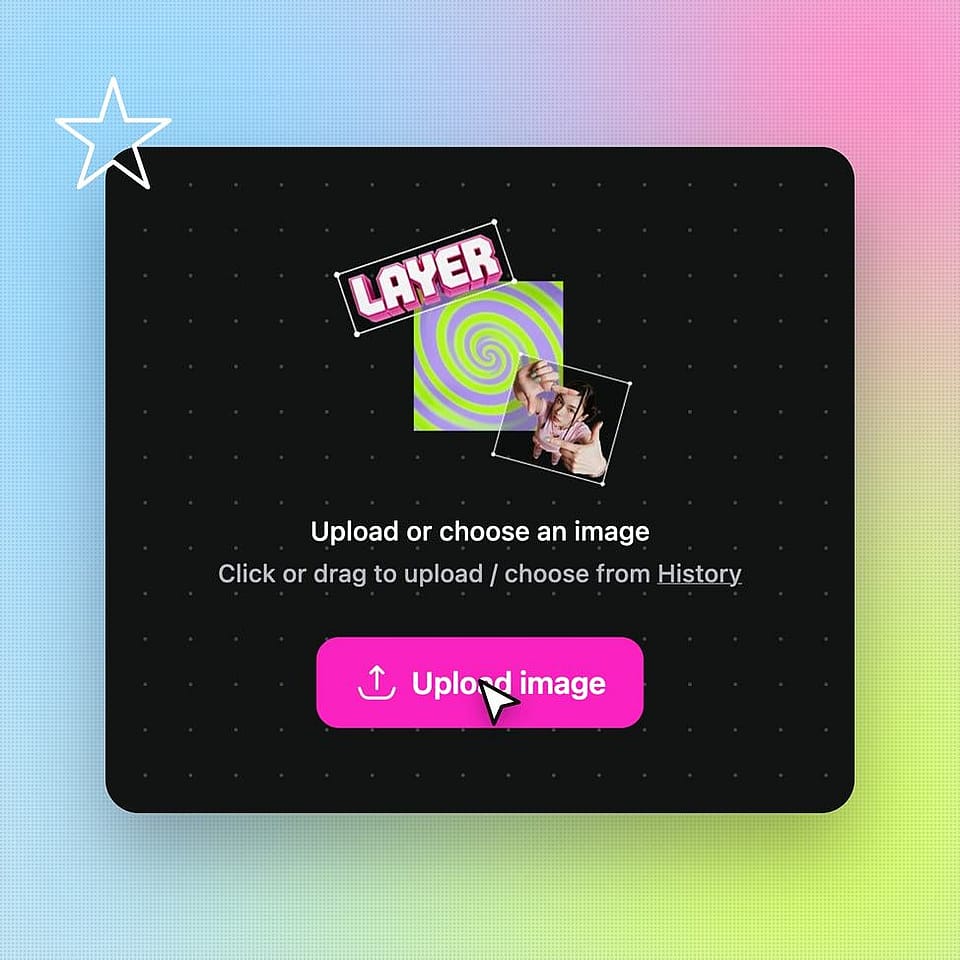
Upload your image

Open Extract Layers from the Image tool list and upload one picture.
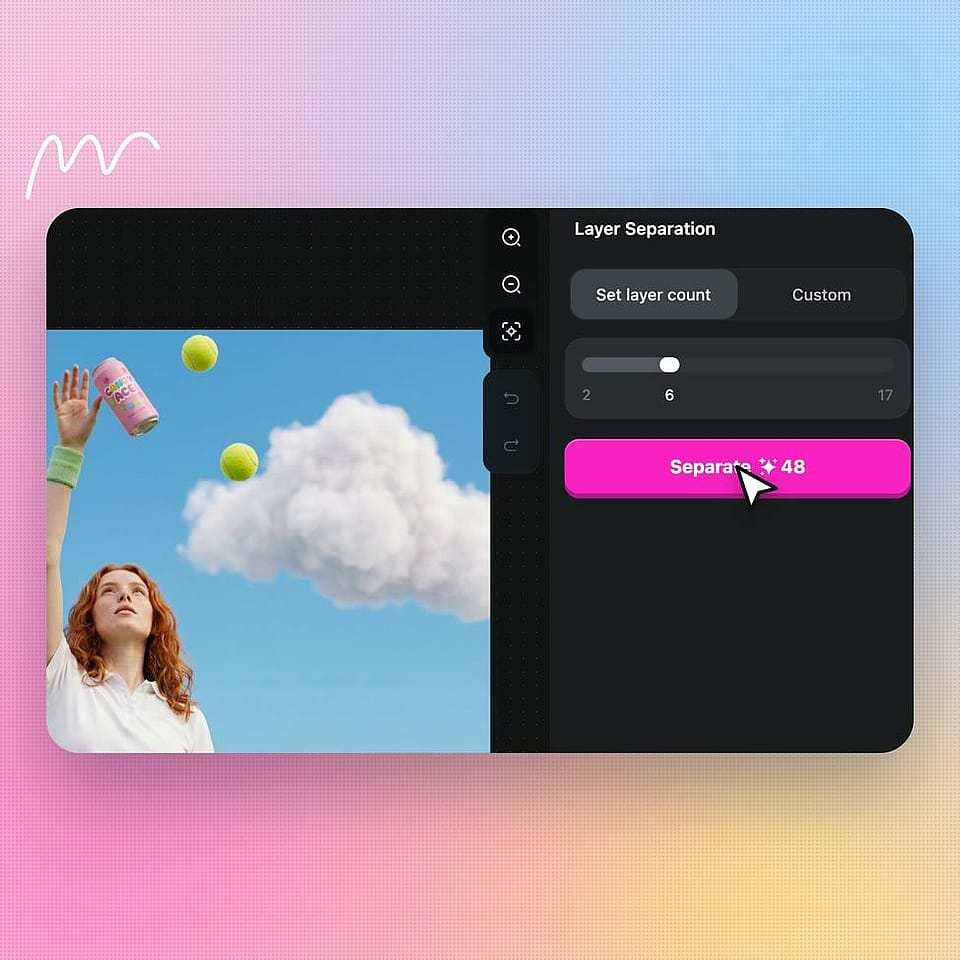
Choose the area and the layer count
Step 02

Choose the area and the layer count

Pick Whole Image, or pick Select Area and draw a loop around the part you want. Set the most layers you want, from 2 to 16, then generate.
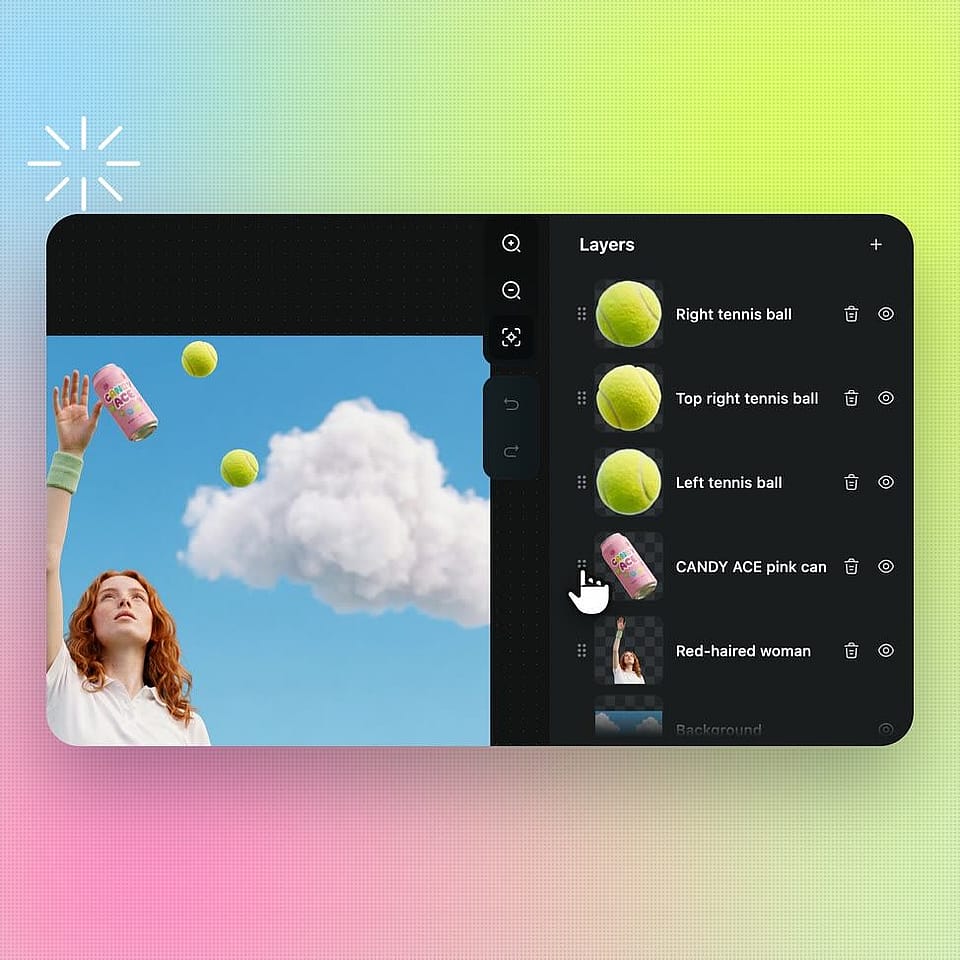
Check and arrange your layers
Step 03

Check and arrange your layers

Drag the layer cards to change which one sits in front, hide any layer, or regenerate one that looks off. Every layer is already saved in your Asset Library.

Best Uses of an AI Layer Splitter

OpenArt's Extract Layers fits anyone who needs to change part of a finished image, from online sellers to agency teams.

Marketing Teams Updating Campaign Posters

Marketing teams use Extract Layers to update a finished poster without making it again from scratch. Split the poster, and the headline, the product, and the background each land on their own layer. Make a fresh background in your brand colors with Brand Kit in Create Image. Then place the saved product layer on top in your design app.

Try it Now

Online Sellers Making Product Photos

Online store owners use Extract Layers to pull a product out of a busy photo. Draw a loop around the product with Select Area, and Extract Layers saves it as a see-through PNG. The same product layer can go on a clean white listing photo, a holiday banner, and a sale ad. You get many product pictures from one photo shoot.

Try it Now

Designers and Agencies Reusing Client Artwork

Designers and agency teams use Extract Layers when a client sends a flat image with no original design file. Extract Layers separates the logo, the text, and the artwork onto their own layers. The team can then reuse each piece in new sizes and layouts for the same client. That saves the hours it takes to trace around every shape by hand.

Try it Now

Creators Remixing Their Best Images

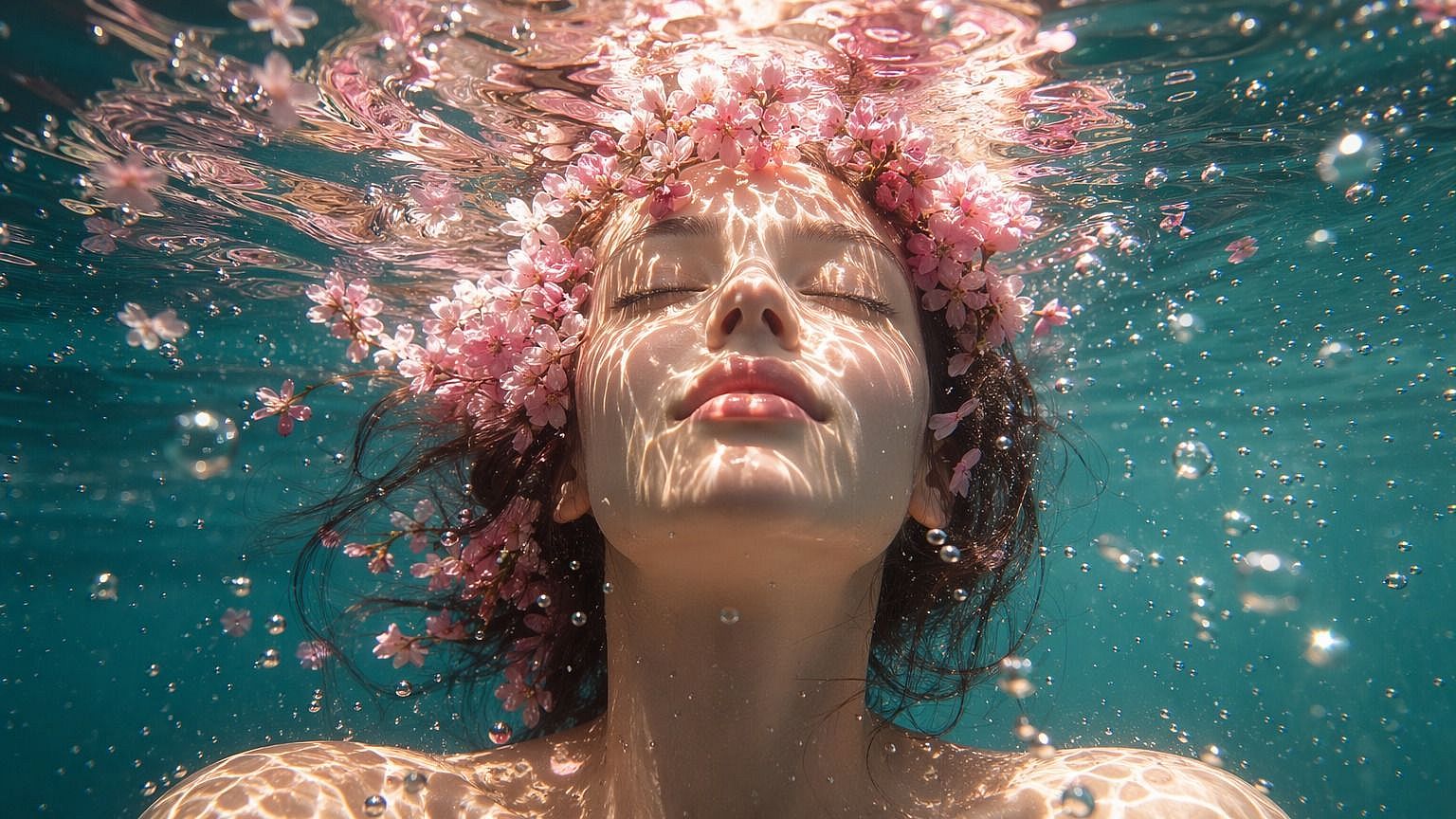
Social media creators use Extract Layers to get more posts out of one great image. Split an AI portrait, and the person and the background become separate layers. Put the person on a new background for a thumbnail, or post the background alone. Upload the finished thumbnail to Image to Video to make it move.

Try it Now

Frequently Asked Questions

Extract Layers is an OpenArt image tool that splits one picture into separate transparent layers. Extract Layers can pull out backgrounds, products, people, text, and decorations, so you can change, remove, or reuse each one. Every layer saves to your Asset Library as a PNG file.
Yes. An AI layer splitter like OpenArt's Extract Layers looks at a flat picture, finds the separate objects, and puts each one on its own transparent layer. Extract Layers uses the Seedream 5.0 Pro model for every split, so you get the same setup every time with no model to pick.
Yes. Choose Select Area in OpenArt's Extract Layers and draw a free-hand loop around the part you want. Close the loop and confirm it, and Extract Layers splits only what is inside your selection.
OpenArt's Extract Layers saves every layer to your Asset Library as a transparent PNG as soon as the split is done. Saving happens automatically, with no button to press and no folder to choose. When you come back to Extract Layers, your most recent split opens so you can keep working or start a new task.
Set your maximum layer count close to the number of separate things in the picture. Use Select Area in OpenArt's Extract Layers when you only need one object, like a single product on a table. If one layer looks rough around the edges, regenerate that layer by itself.
Yes. Commercial rights apply on eligible paid plans, so you can use layers from Extract Layers in ads, product listings, and client work. Make sure you own the image you upload or have the rights to use it. Internal SEO Targets (strip before publishing) Primary keyword: image to layers (70 US volume, KD 1, Gauge, Oct 2 2026). Placed in the meta title, meta description, H1, and hero subheading. The tool name "Extract Layers" leads the H1 and meta title (see Internal Notes, check 6). Secondary keywords used: * extract layers: tool name, used throughout. No Gauge volume returned. * separate image into layers (50, KD 0): deep-dive H2, FAQ 2 ("How do I separate an image into layers?", which also covers "how to separate an image into layers", 30). * ai layer splitter (40, KD 0): use-case H2, FAQ 3. * split image into layers (10, KD 0): deep-dive block 1, How-To intro, FAQ 9. * extract layers from image: FAQ 4 ("How many layers can I extract from an image?"), FAQ 5. No Gauge volume returned. Long-tail and informational queries answered in the FAQ: * how to separate an image into layers * can AI split an image into layers * how many layers can you extract from an image * can you split only part of an image into layers * can I open image layers in Photoshop or Canva * how is AI layer separation different from cutting out layers by hand Search context: the SERP for these terms is mostly layer.ai (Split into Layers, plus a Seedream 5.0 Pro Layerize model page), Qwen-Image-Layered guides, and Adobe and GIMP forum threads asking how to separate a photo into layers. The forum threads drove FAQs 2 and 10. In-body internal links used: * https://openart.ai/ai-image-generator/ (deep-dive intro) * https://openart.ai/features/ai-brand-kit/ (use case 1) * https://openart.ai/features/ai-image-to-video/ (use case 4) Internal Notes (strip before publishing) Anchor tool. Every product claim comes from the Extract Layers entry in openart-image-tools.md: Whole Image or Select Area (free-form lasso, closed selection only), a maximum of 2 to 16 layers with no Auto mode, Seedream 5.0 Pro only, automatic saving to the Asset Library as transparent PNGs, a front-to-back draggable layer list, hide, select, and regenerate per layer, and the latest valid task restored on return. Kept out on purpose (MVP limits): an exact layer count, Auto mode, model choice, more than one image per task, history beyond the latest task, brush masks, advanced path controls, advanced canvas transforms, and PSD/AI or any layered-file export. The page never says layers can be moved or resized inside Extract Layers. Combining layers happens "in your design app" in use cases 1 and 4. Product checks before publishing: 1. Download from the Asset Library. FAQ 8 tells readers to download layers from the Asset Library. The brief covers auto-saving but not downloading. Confirm downloading keeps the transparent PNG. 2. What fills the space behind a removed object. The brief says layers support "removal". It does not say whether the background layer gets the hidden area filled in when a front object is split off. The copy describes hiding a layer and makes no claim about what shows behind it. If the background is filled in, add that to deep-dive block 3 and FAQ 6, since it is a strong selling point. 3. Text layers. Text is separated as a picture of the text. The copy never says the text becomes editable type. 4. Credits and trial. The standard 40-credit, 7-day wording is used. Confirm Extract Layers runs on trial credits, and decide whether to show a per-split credit cost. 5. Layer resolution. No output size is claimed. Confirm whether layers keep the original image size. 6. H1 and meta title format. The house format is - OpenArt with a clean keyword H1. Because the tool name is the brand term, the H1 reads "Extract Layers: Image to Layers With AI". If you prefer the strict format, use Image to Layers - OpenArt and H1 Image to Layers, and move "Extract Layers" into the hero subheading's first sentence (it is already there). 7. Page URL. There is no approved public URL for Extract Layers yet, so no other page links to it. Suggested slug: /features/extract-layers/. Once it is live, link it from the AI image generator page and the background remover page if that page is still up.
Upload the image to OpenArt's Extract Layers and choose Whole Image or Select Area. Set the most layers you want, from 2 to 16, and generate. Extract Layers puts each part of the picture on its own layer and saves every layer to your Asset Library.
OpenArt's Extract Layers lets you set a maximum anywhere from 2 to 16 layers. Extract Layers may return fewer layers than your maximum when the picture has fewer separate parts. Set a higher number for busy images like posters and a lower number for simple product photos.
OpenArt's Extract Layers can separate backgrounds, products, people, text, and decorations like shapes and stickers. That covers common jobs such as swapping a background, taking out an element you no longer want, or reusing a product in another design. If one layer comes out wrong, regenerate that single layer and keep the rest.
Yes. Each layer from OpenArt's Extract Layers is a standard PNG with a transparent background, and Photoshop, Canva, and Figma all open PNG files. Download the layers from your Asset Library and stack them in your design app in the same order.
Cutting out layers by hand means tracing around each object with a selection tool and copying it onto its own layer, one object at a time. OpenArt's Extract Layers finds and separates every object in one step. That turns a job of many careful clicks into a single generation.

Create without limits

Join thousands of creators using OpenArt to generate stunning images, videos, and more — all in one platform.

Get Started for Free →