
 ChatGPT
 Perplexity
 Claude
 Gemini
Nobody trusts a perfect picture anymore. For a while now, the pitch behind every new image and video model has been the same: sharper, cleaner, more photoreal, less broken. Resolution keeps climbing, faces hold together across more scenes than they used to, and lighting looks correct in a way it didn't two years ago. And somewhere in the middle of all that progress, something strange happened: technical perfection stopped being the flex.
Photographers ran into this exact tension before generative models did, and the direction they moved in is the clearest preview of where image and video generation were headed. Fstoppers' Alex Cooke has been tracking a shift among working photographers away from flawless retouching and toward images that keep their rough edges, things like a missed focus point, an unretouched tear, a hand slightly blurred mid-motion. His argument is that AI didn't just get good at photography, it got good at the specific kind of photography that used to signal skill. Once software can smooth skin, fix a horizon, and match color across a hundred images in the time it takes to make coffee, flawless execution stops signaling that a professional made something and starts signaling that it might have been generated instead. Cooke's point isn't that photographers should get sloppy; it's that the thing a viewer used to read as competence now reads as suspicious, while the thing that used to read as a mistake now reads as proof someone was actually there.
Something close to this is happening inside AI image generation itself, one level up: as models get better at rendering the objectively correct version of a face or a scene, they're also getting better at looking like nothing in particular. That's the specific, glassy, over-symmetrical quality people have started calling AI slop on sight. Dominica Baird, department chair at SCAD's business of beauty and fragrance program, pointed out that when photography was invented, painters spent a while trying to out-realism the camera before they gave up on that fight. They moved instead toward abstraction, symbolism, and expression: toward everything a camera couldn't do. That's roughly the same shift happening now, one rung up the ladder, as AI absorbs "technically correct" and craft migrates toward the specific, chosen, slightly imperfect thing a model wouldn't generate on its own unless you told it to.
What's actually happening underneath the aesthetics is less about how something looks and more about what it proves. An image with a slightly off crop, a grain, a beat that runs half a second too long, reads as the result of somebody making decisions: a pass, then another pass, a choice to leave something in rather than smooth it away. Slop doesn't feel like slop because it's ugly. Plenty of slop is technically flawless. It feels like slop because it reads as the output of one click, a single generate, no matter how carefully someone wrote the prompt behind it. The imperfection is what tells a viewer that more than one decision happened between the idea and the thing in front of them, and that gap, between a single generation and a shaped one, is the actual difference between work that earns a few seconds of someone's attention and work that doesn't.
The same mechanism is starting to show up in video too, just a beat behind where images already landed. Photography and image generation worked through this first, and video is still finding its footing, but it's catching up fast enough that the same language is already turning up in motion design coverage this year. Envato's own 2026 trend report names "authenticity through imperfection" as one of the defining shifts in video right now: handheld camera sway instead of gimbal-smooth motion, raw cuts left in rather than trimmed away, natural pauses and background noise kept in the mix, wearable POV footage shot with "no rigs, no setups." Envato's read on why is blunt: "imperfection has become its own aesthetic. It signals trust, relatability, and authenticity."
Even the companies building AI video tools have landed on the same fix from the inside. Hridaye, invideo's creative director, described their process as adding a touch of blur and a pass of grain until a generated clip reads closer to live-action film, and the reasoning tracks almost exactly with Cooke's argument about photography. As invideo's own explanation puts it, AI frames have "no sensor noise, no chemical structure, no organic imperfection," and that absence is "what reads as 'fake' before you can articulate why."
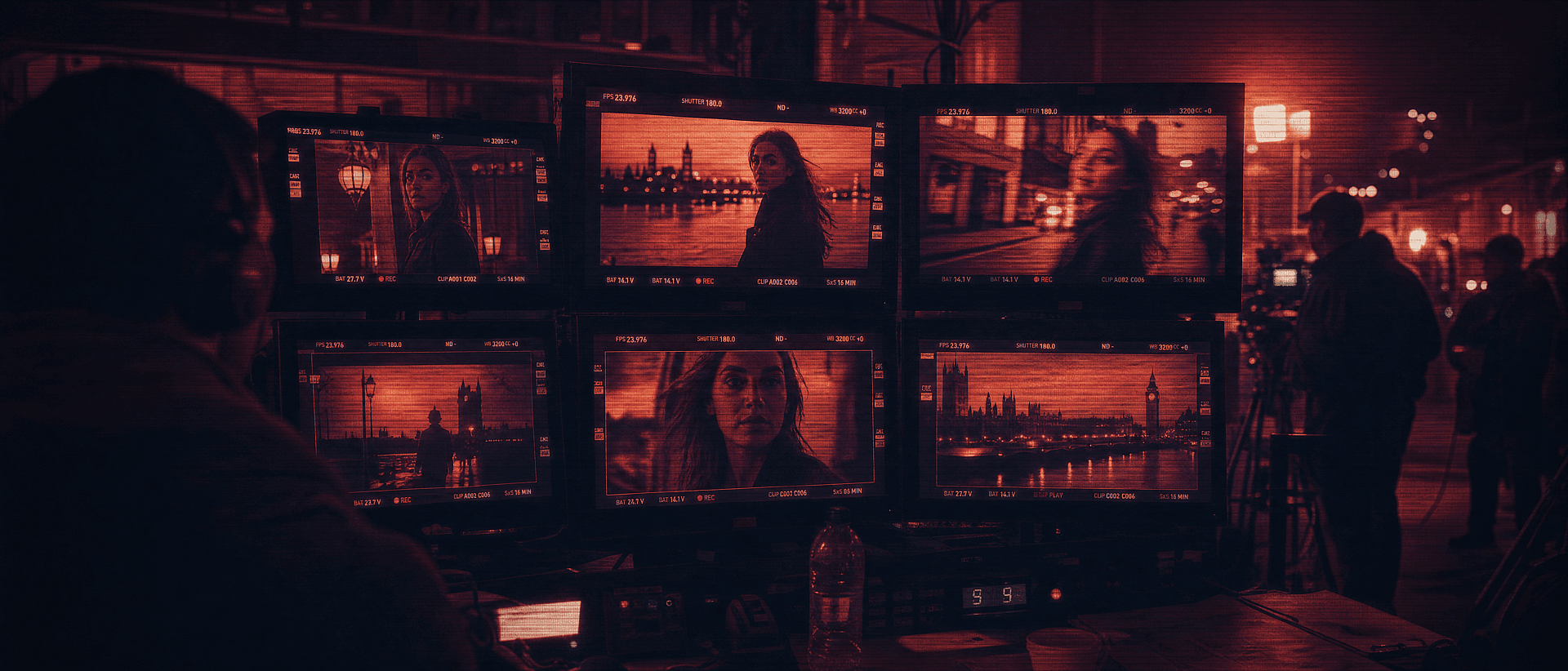
None of this works as a checkbox, though, and it's worth being honest about where the idea breaks. Communications strategist Shaunta Garth has made the opposite case about brands manufacturing imperfection on purpose: the moment roughness becomes a formula, applied because a trend report said to, it stops being evidence of a decision and turns into just another preset, exactly as hollow as the smoothness it replaced. A grain overlay dropped onto an otherwise untouched first generation is still a one-step output, just wearing a different filter, since the imperfection itself was never the actual point. The iteration behind it was.
Which is the actual craft lesson, for images and video both: the goal isn't imperfection for its own sake, it's a body of decisions a model wouldn't have made on its own. Describe the conditions of capture instead of the result, not "a beautiful portrait" but the specific lens, the specific light, the specific flaw you want in the frame, and do the same with motion: not "cinematic camera movement" but the sway of a hand actually holding something, the pause before someone speaks, the cut that runs a beat long because that's how it happened. Push past the first clean output. The second or third pass, where you start pulling the piece away from its most polished default, is usually where the real decisions live, and that's true whether you're working in GPT Image 2 and Nano Banana Pro or Kling 3.0 and Seedance 2.0.
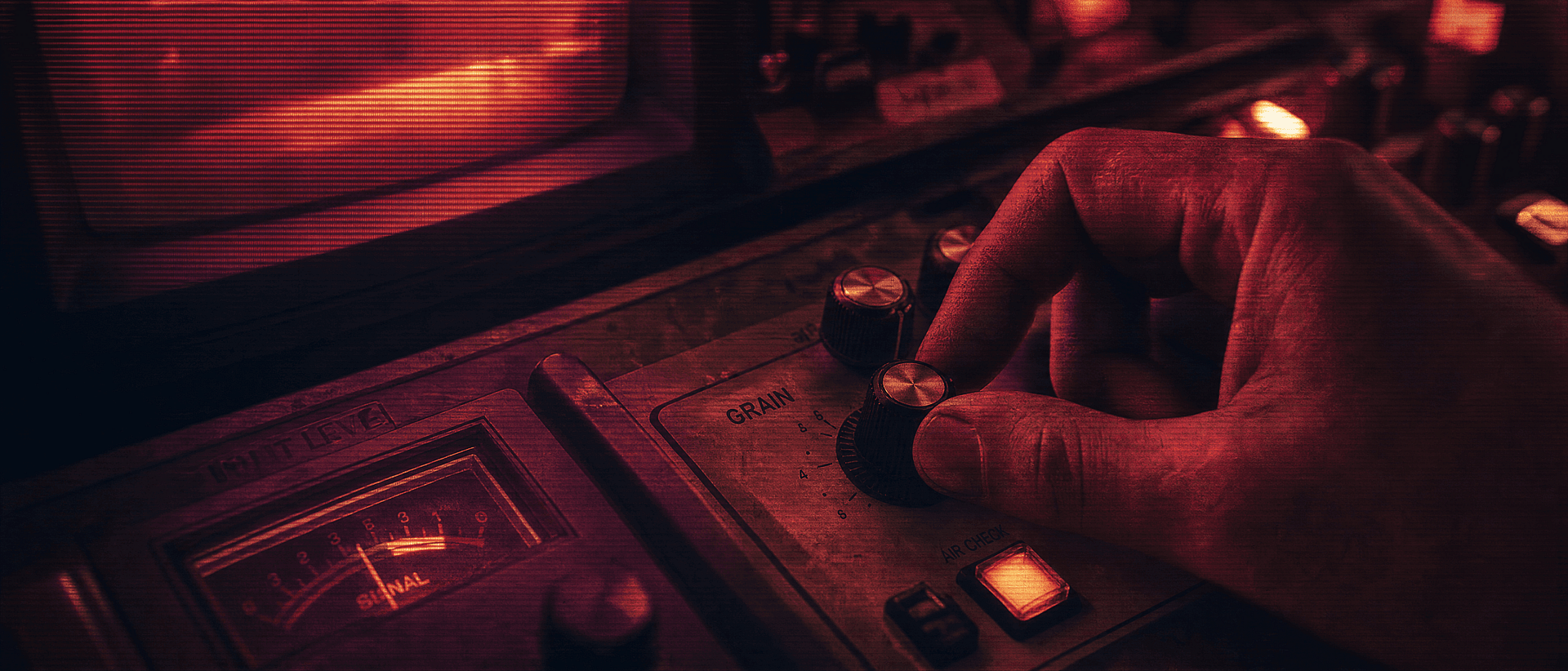
None of this is a rule about what AI work should look like. Plenty of it should be clean, bright, and precise, and that's a legitimate choice too, as long as it's made the same way: on purpose, after a few passes, not on the first try. The point was never that clean is wrong. It's that clean is no longer proof of anything, because a model can hand you clean without you doing a thing. The choices that still require you, the ones a single generation won't produce unless you go back in and push for them, are where the work starts to look like it belongs to someone, and where an audience decides it's worth the watch.