
 ChatGPT
 Perplexity
 Claude
 Gemini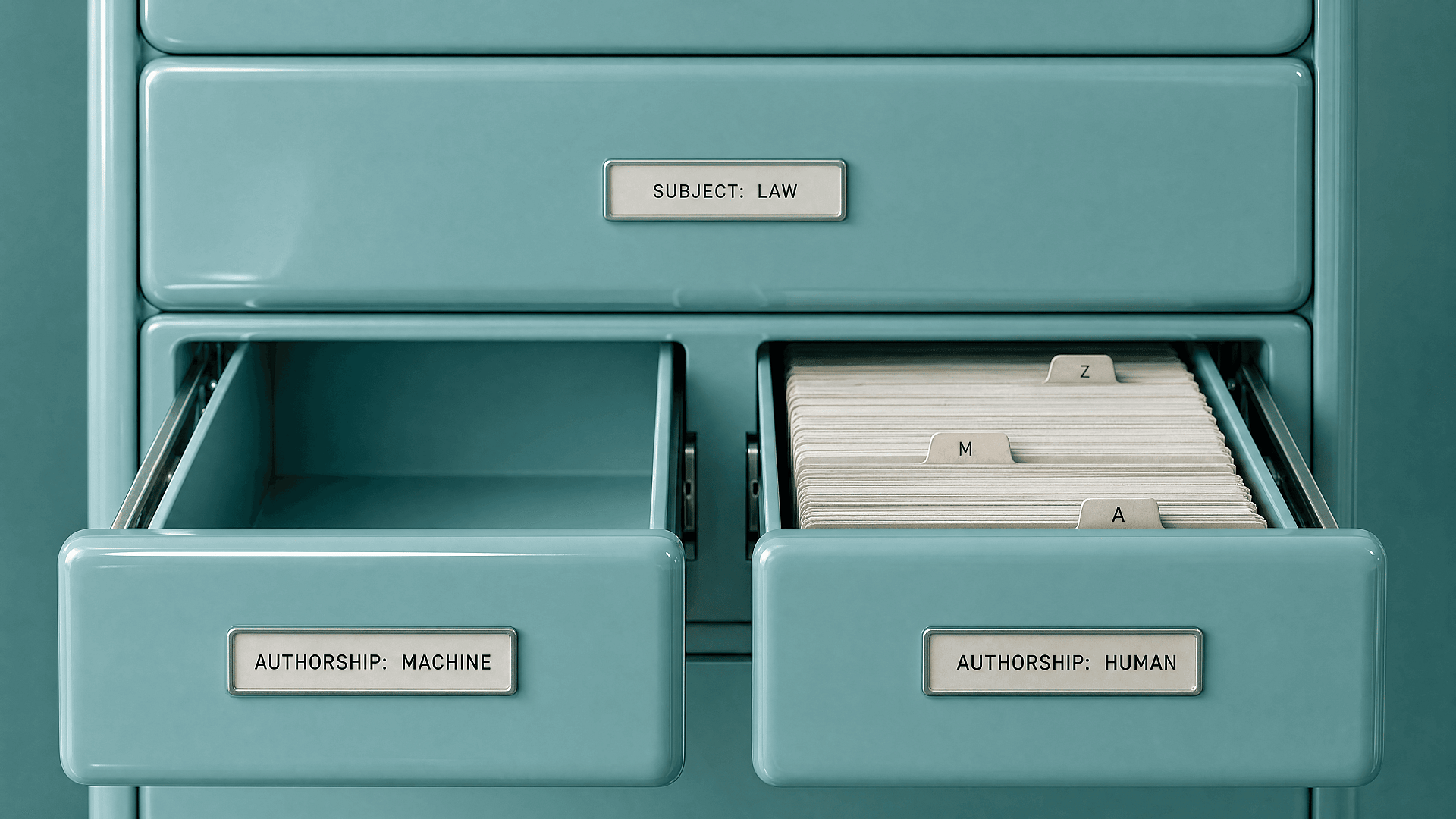
On March 2, 2026, the Supreme Court declined to hear Thaler v. Perlmutter, and in doing so it decided nothing at all: not that AI art can't be copyrighted, only that it wouldn't disturb a lower court's answer to that question. What that leaves behind is a legal landscape where the most important question facing AI creators still doesn't have a Supreme Court opinion attached to it, just a very consistent stack of lower court ones.
The history is worth laying out plainly. Computer scientist Stephen Thaler applied for copyright registration back in 2018 for an image called "A Recent Entrance to Paradise," which depicts train tracks leading into a portal framed by green and purple foliage, and rather than listing himself as the creator, he listed his AI system, which he calls the Creativity Machine, as the sole author, arguing it had generated the piece with no human creative input at all. The Copyright Office denied the application in 2019, reviewed it again in 2022, denied it a second time on the grounds that a work needs a human author to qualify, and from there Thaler took the fight to court. In 2023, U.S. District Judge Beryl Howell upheld the denial, writing that human authorship is a "bedrock requirement of copyright," and in 2025 the D.C. Circuit affirmed that ruling, with Judge Patricia Millett writing that the Copyright Act was built to make humanity "a necessary condition for authorship." The Supreme Court's cert denial earlier this year closes the loop, at least for now.
Thaler's lawyers had warned the Court that letting the lower ruling stand would create a "chilling effect" on creative uses of AI, and once the justices actually declined to hear the case, they said the damage would be irreversible, arguing that "even if it later overturns the Copyright Office's test in another case, it will be too late." That framing gets the story backwards, because the ruling isn't really about AI. It's about one specific, unusual claim: that a piece of software acted alone, with no person making a single creative decision anywhere in the process, and almost no working creator is making that claim or needs to.
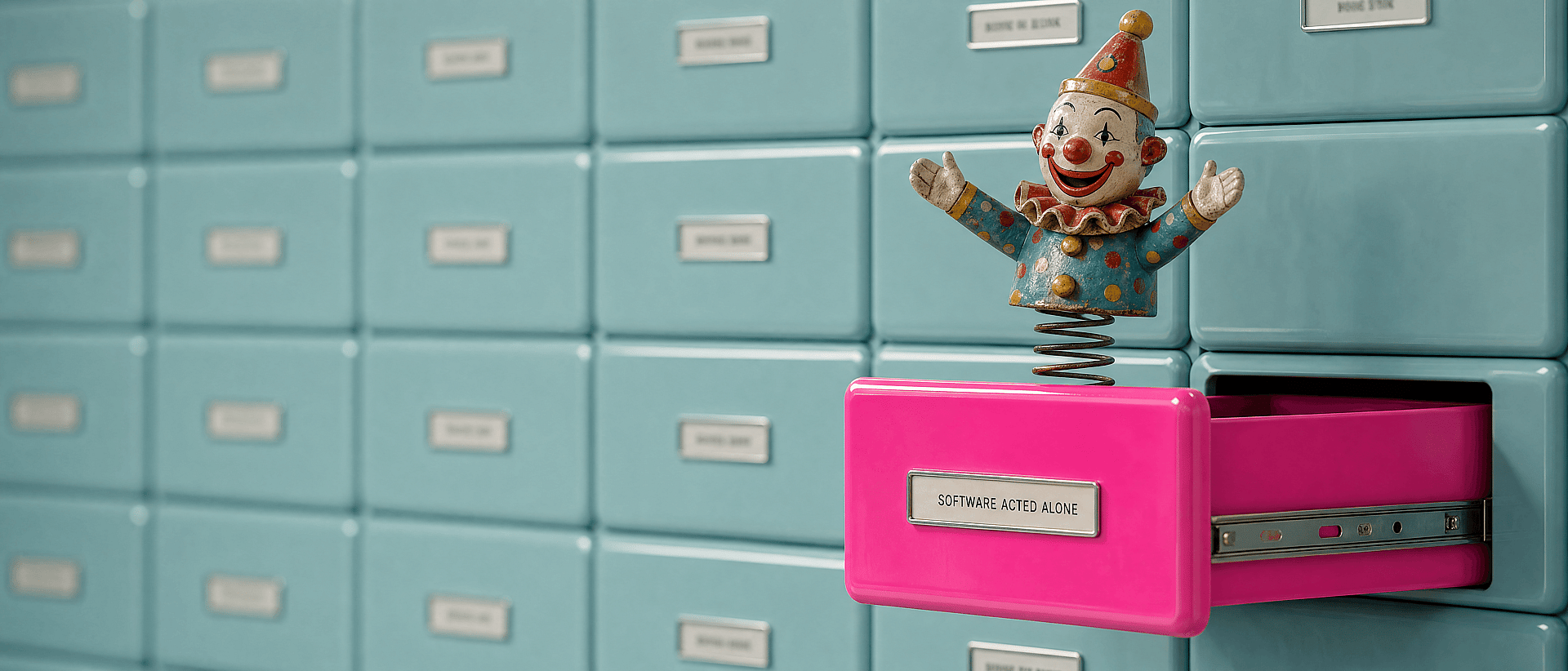
The distinction that actually matters is the one between authorship and assistance. Thaler wasn't arguing that he'd used a tool; he was arguing that the tool hadn't needed him at all, which is a very different claim from what happens when a photographer uses Midjourney to draft a concept, or a designer runs dozens of Flux 2 generations before landing on a composition, or an illustrator takes a Nano Banana Pro output and spends an afternoon editing, compositing, and refining it into something specific. Judge Millett even noted that Thaler could still register copyright in the artwork himself, simply by filing under his own name instead of the machine's, a detail that suggests the door to human authorship was never closed so much as never opened for the claim he was actually making.
That said, the line between "I used AI as a tool" and "AI created this on its own" isn't drawn as cleanly as anyone would like. The Copyright Office has rejected registration attempts even from artists who insisted they'd used AI tools in service of their own vision rather than letting the system act independently, which tells you the standard is still being worked out case by case rather than settled by a single bright-line rule. The safest position for any creator right now isn't to assume a single click of "generate" earns copyright protection, nor is it to assume AI involvement disqualifies a work outright; it's to be able to show your hand, meaning the prompts you iterated on, the choices you made about composition and color and framing, the editing and compositing that happened after generation, and the judgment calls that only you could have made. Human authorship isn't a technicality to route around; it's the actual record of your creative process, and right now, that record is your best protection.
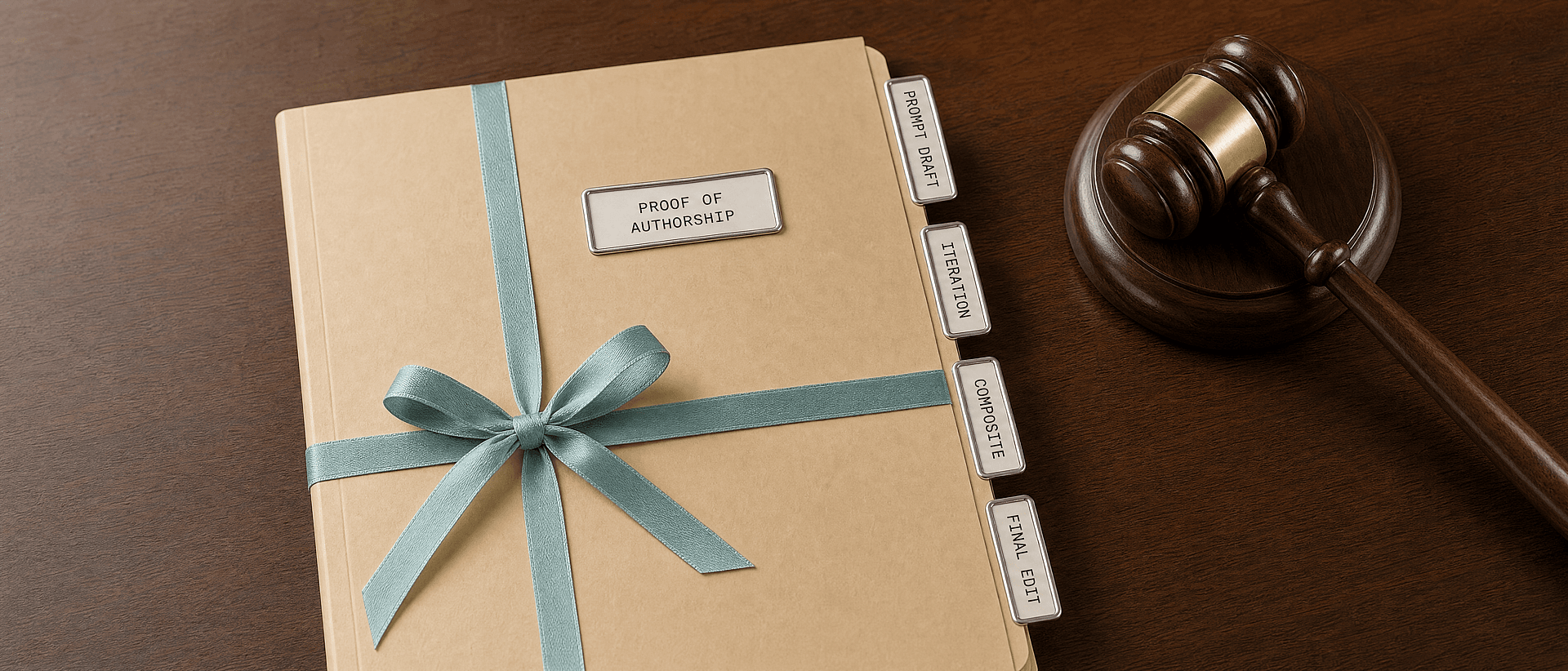
This is exactly the gap our Commercial Safety Check, built with Copysight, exists to help creators navigate, not by promising a legal guarantee no one can offer, but by giving you a clearer read on where a piece of work stands before you publish it commercially. The law hasn't caught up to how creative work actually gets made in 2026, and it may not for a while, so until it does, the creators in the strongest position will be the ones who can point to their own fingerprints on the work, not the ones hoping no one asks.