

 ChatGPT
 Perplexity
 Claude
 Gemini
Access to Generative AI creative tools has never been more equal. Anyone with a subscription can generate images that would have required a professional studio two years ago. And anyone with a prompt can produce work that looks, at first glance, like the output of someone with years of craft behind them. The playing field has genuinely leveled, which makes the gap between the creators whose work stands out and the ones whose work disappears into the feed more interesting to study; that gap is no longer about access to tools, but about everything that surrounds how you use them.
Here are ten things the creators doing the most interesting work right now consistently don't do.
01 — Never apologize for the process
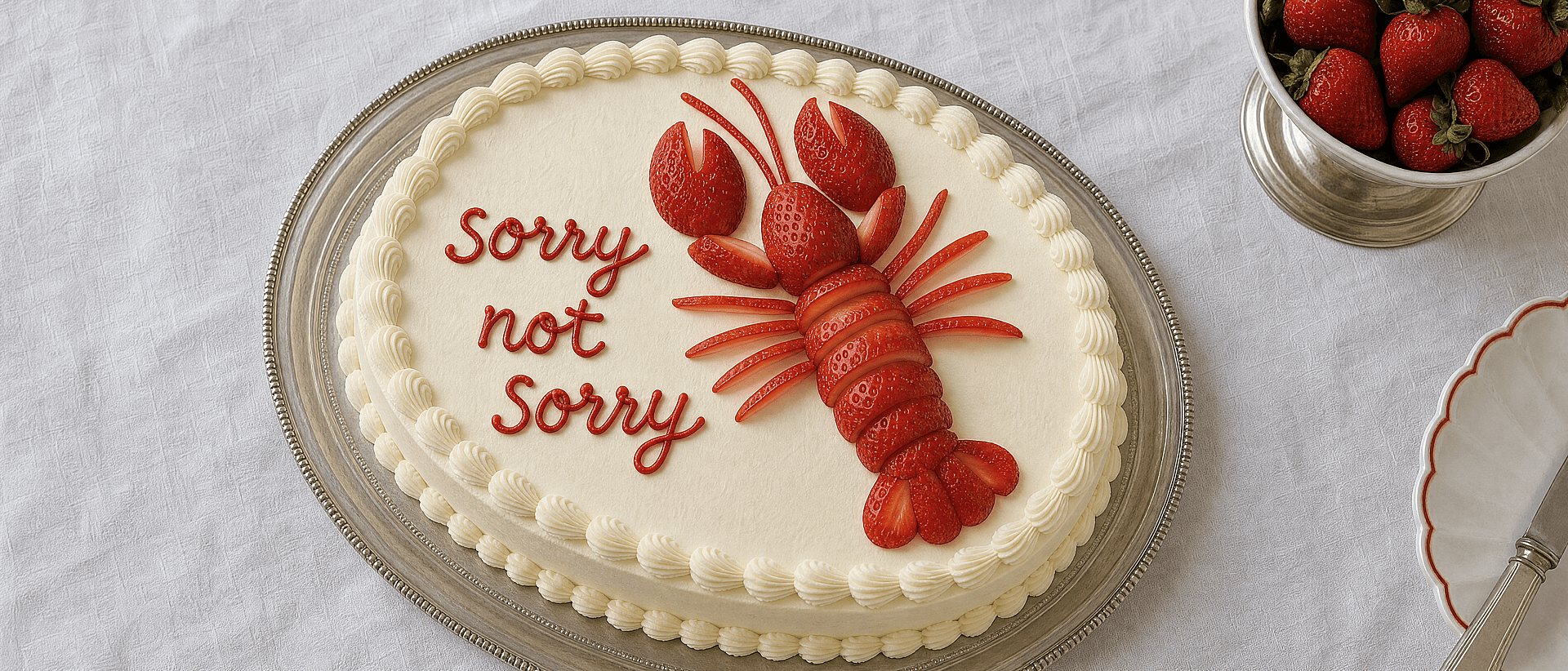 The strongest creators don't preface their work with disclaimers, hedge their captions with "this was made with AI so I know it's not real art," or perform ambivalence about their tools to manage someone else's discomfort. They stand behind the things they create and acknowledge that the process is part of the work, not something to apologize for. Creators who lead with apology are telling their audience how to receive the work before the audience has a chance to experience it, and almost always underselling something they should be proud of.
02 — Never mistake followers for creative validation
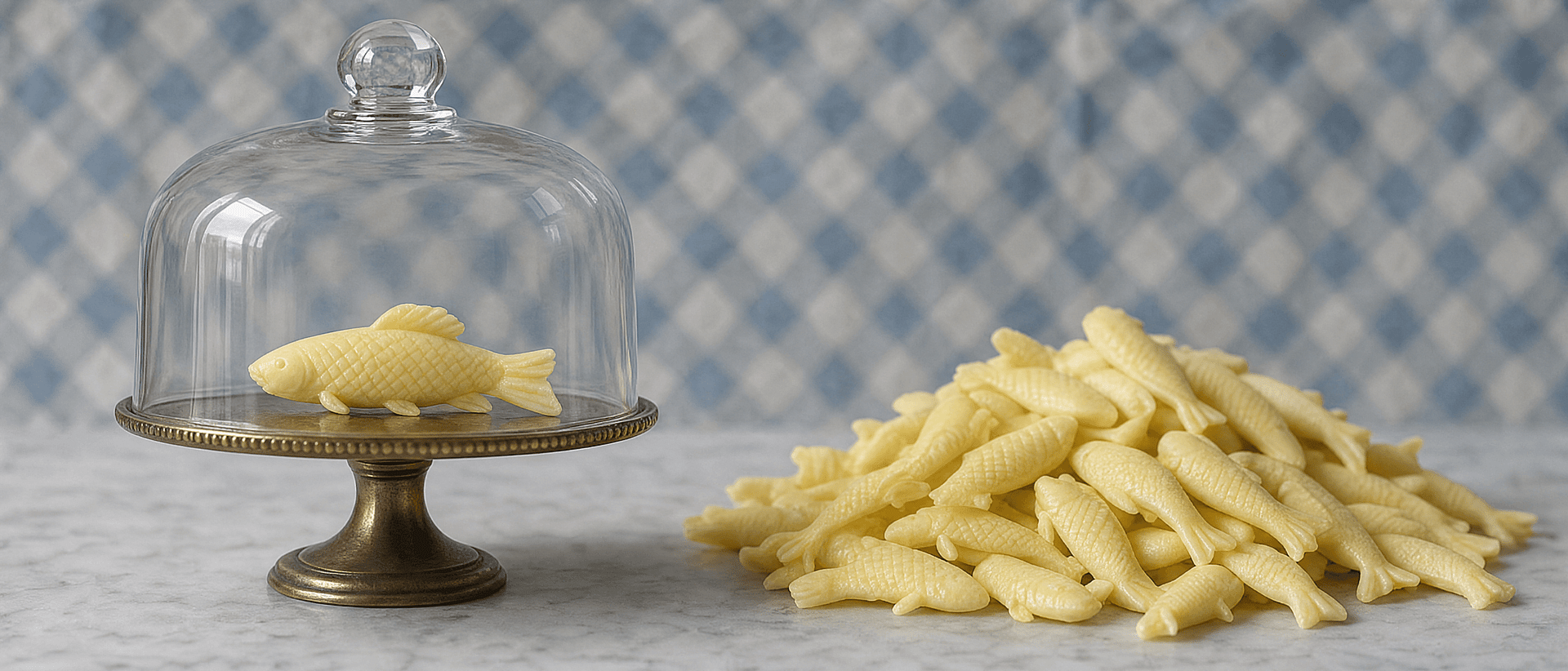 Engagement is a metric, not a verdict. The work that travels fastest on social media is often the most legible, the most familiar, the most calibrated to what an algorithm already knows people respond to. That's a different quality than the work that is most interesting, most original, or most distinctly yours. The sharpest creators know the difference, and they don't let their follower count dictate whether their work is good. They have other creative criteria, and those criteria are not dependent on whether a post performed.
03 — Never let trends decide what to make
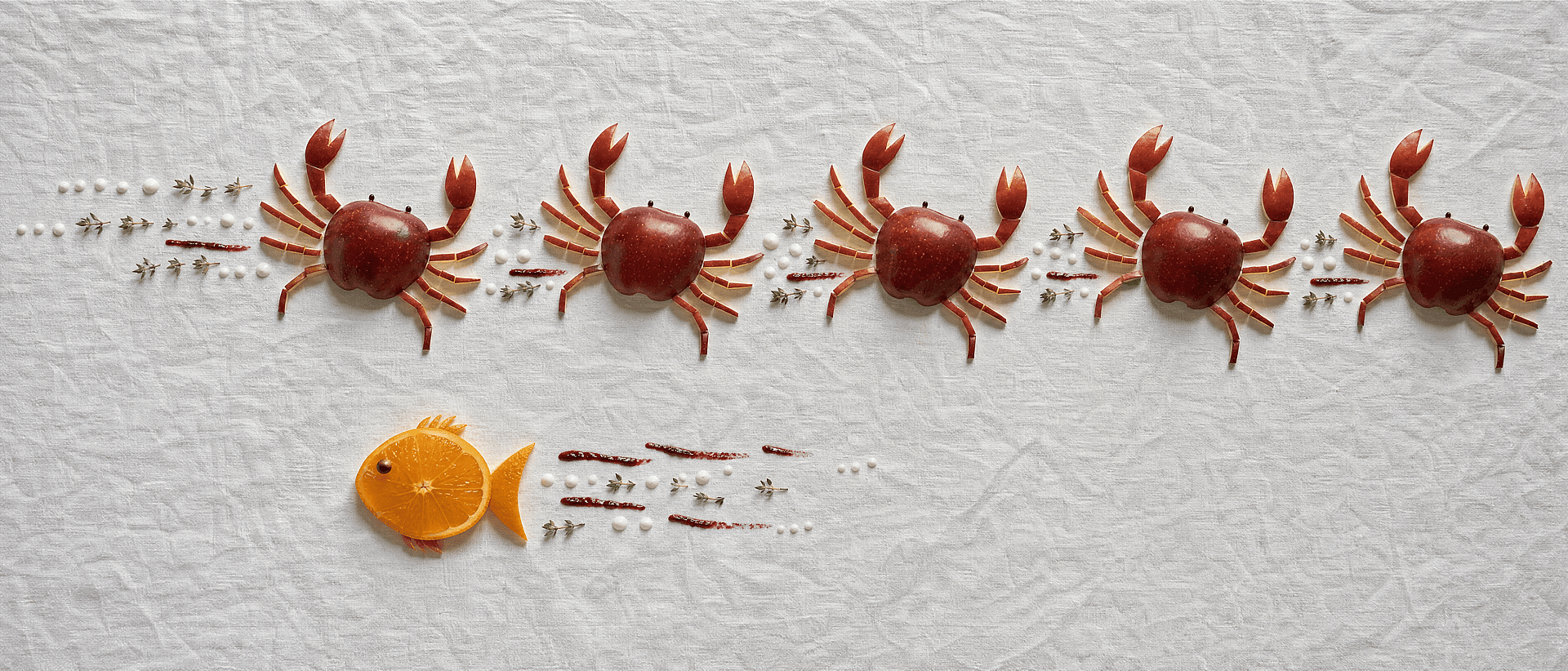 There will always be a trend afoot, a style that's everywhere right now, a prompt formula that is producing results people are responding to, an aesthetic wave that's cresting across the feeds. The best AI creators are aware of these trends but largely unmoved by them, because they make what they were going to make anyway, informed by the landscape but not directed by it. Trend-chasing is the fastest way to produce work that is perfectly calibrated to a moment that's already passing by the time it publishes. Want to participate in a trend? Try putting your own unique spin on it.
04 — Never confuse access to good tools with having something to say
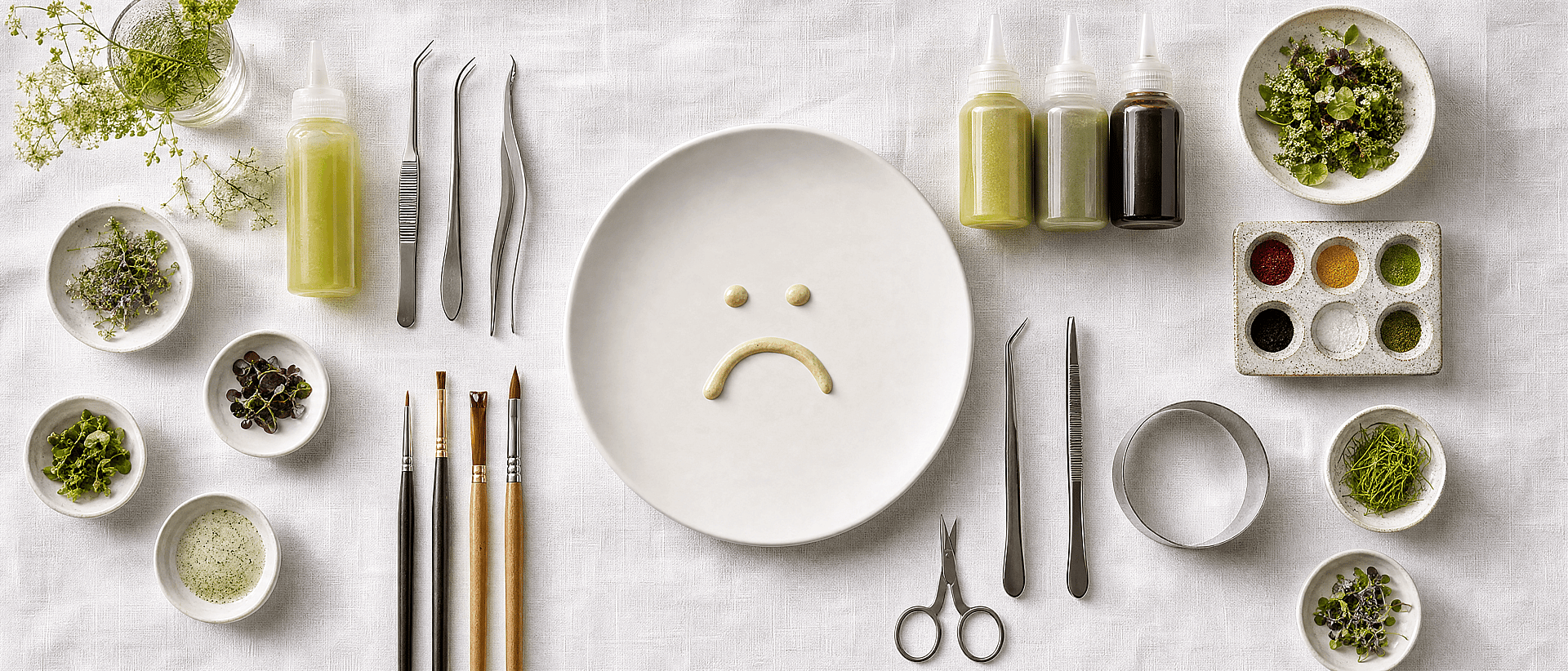 This is perhaps the most important one, and the hardest to sit with. Generating a technically excellent image is not the same as making something worth looking at. The tools can produce extraordinary outputs, but they cannot supply the intention, the perspective, the specific way of seeing that makes a piece of creative work matter to someone. The standout creators right now come to the work with something to say and use the tools to say it, while most others use the tools and cross their fingers that something worth saying comes out the other side.
05 — Never publish without editing
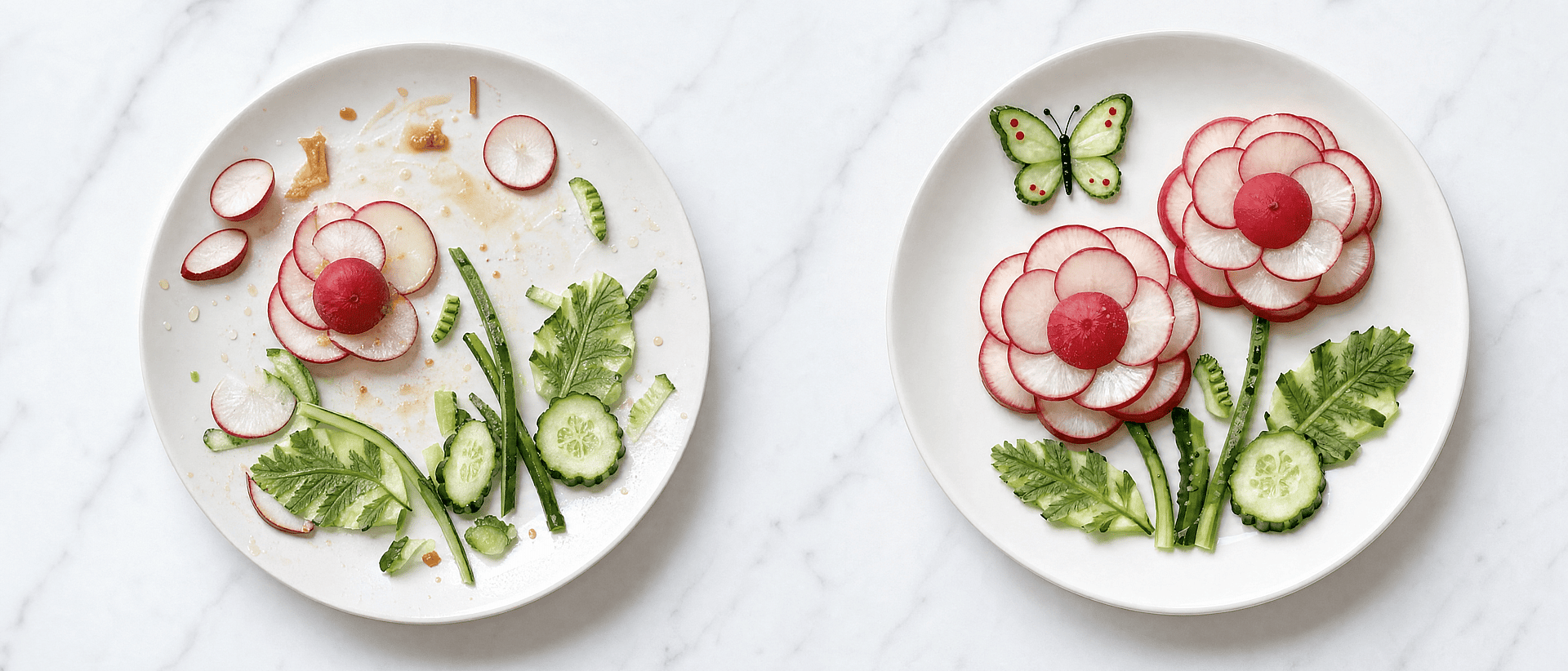 You should think of a singular generation as a first draft. Every piece of work that comes out of a model, however good it looks on first view, benefits from a human layer: a crop, a color grade, a decision about what to emphasize and what to pull back. Treat the output as the beginning of the process, not the end of it. Bring the image into your editing workflow, apply your taste to it, and publish the result of that engagement rather than the raw model output. It's in the edit that the work truly becomes yours.
06 — Never confuse making with publishing
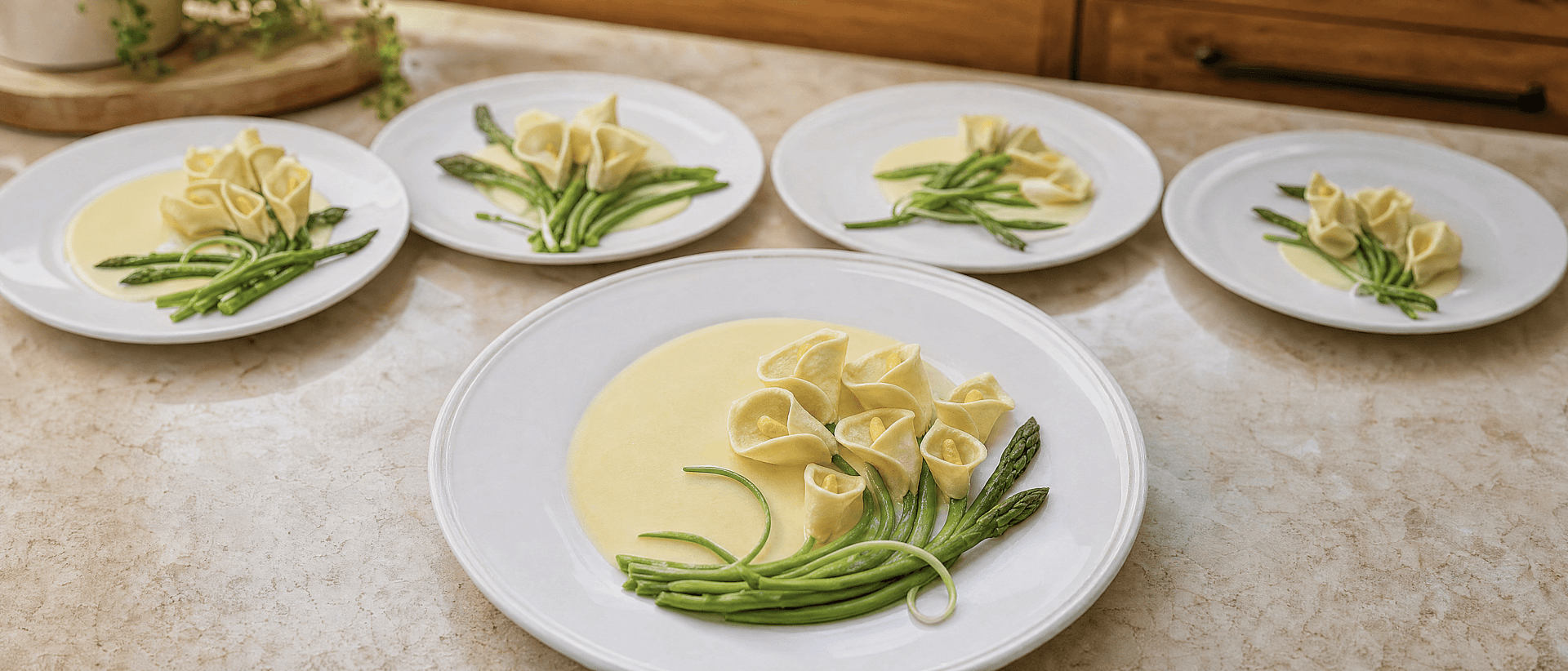 Volume does not equal a portfolio of work. The most compelling creators have an internal rejection rate that most people would find surprising: they generate far more than they ever show, and they're ruthless about what makes the cut. This isn't because most of what they generate is bad, it's because they have a standard that most outputs don't reach, and they protect that standard by not lowering it for the sake of staying active. A feed of occasionally extraordinary work is infinitely more powerful than a feed of consistently decent work, and the best creators know this well.
07 — Never confuse a style with a point of view
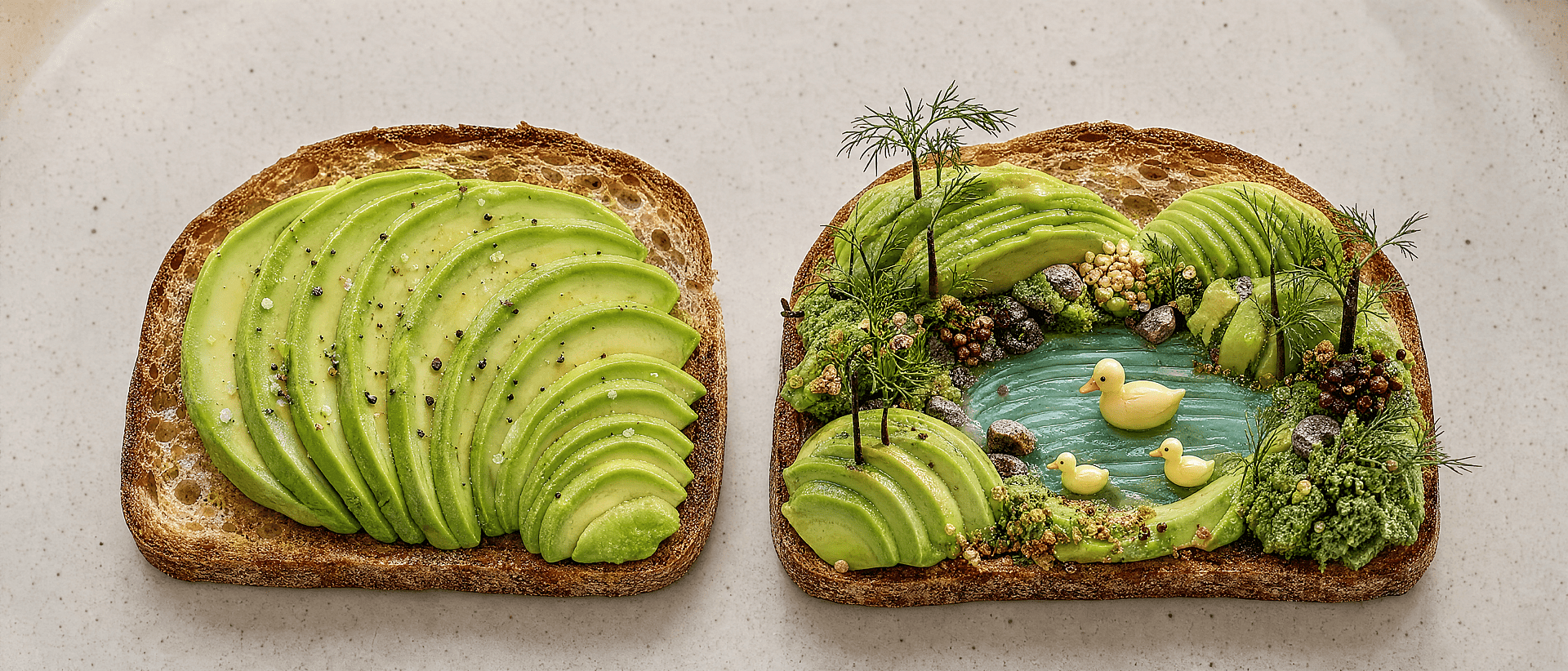 A style is an aesthetic, while a point of view is an argument; you can have a very consistent aesthetic and no particular perspective behind it, and the work will feel hollow in a way that's hard to name but easy to feel. The best AI creators aren't just developing a recognizable look, but developing a position: a way of seeing the world, a set of things they care about, a reason their work exists beyond the fact that they're capable of making it. The style is really only surface deep, it's the point of view that makes someone come back.
08 — Never optimize for the platform over the work
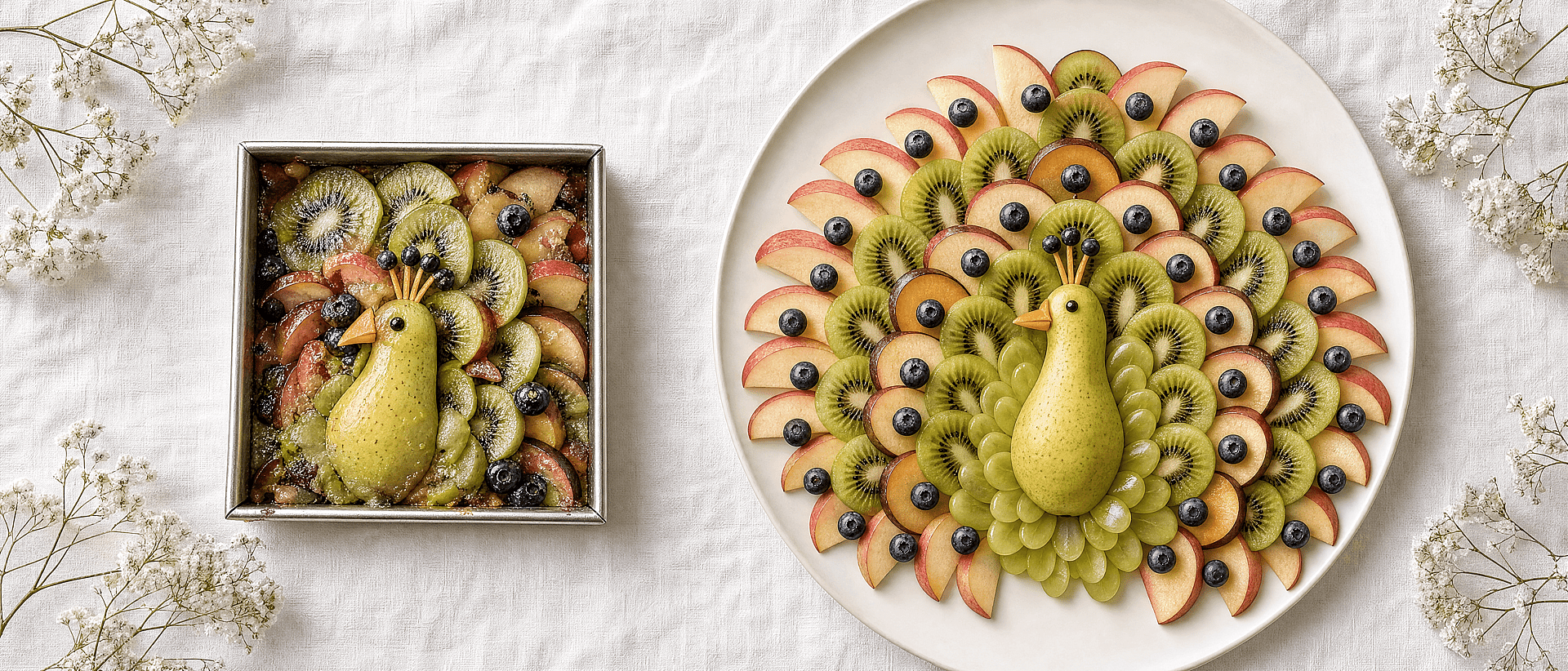 Aspect ratios, posting frequencies, caption lengths, hashtag strategies: all of these things matter, but quite frankly none of them matter as much as whether the work itself is good. The creators worth watching understand distribution without being beholden by it. They know how platforms work and make reasonable accommodations to that knowledge, but they don't let platform logic drive creative decisions. Work made for an algorithm (surprise surprise) tends to feel like it was made for an algorithm. The audiences can almost always tell, even when they can't quite articulate why.
09 — Never let comfort replace curiosity
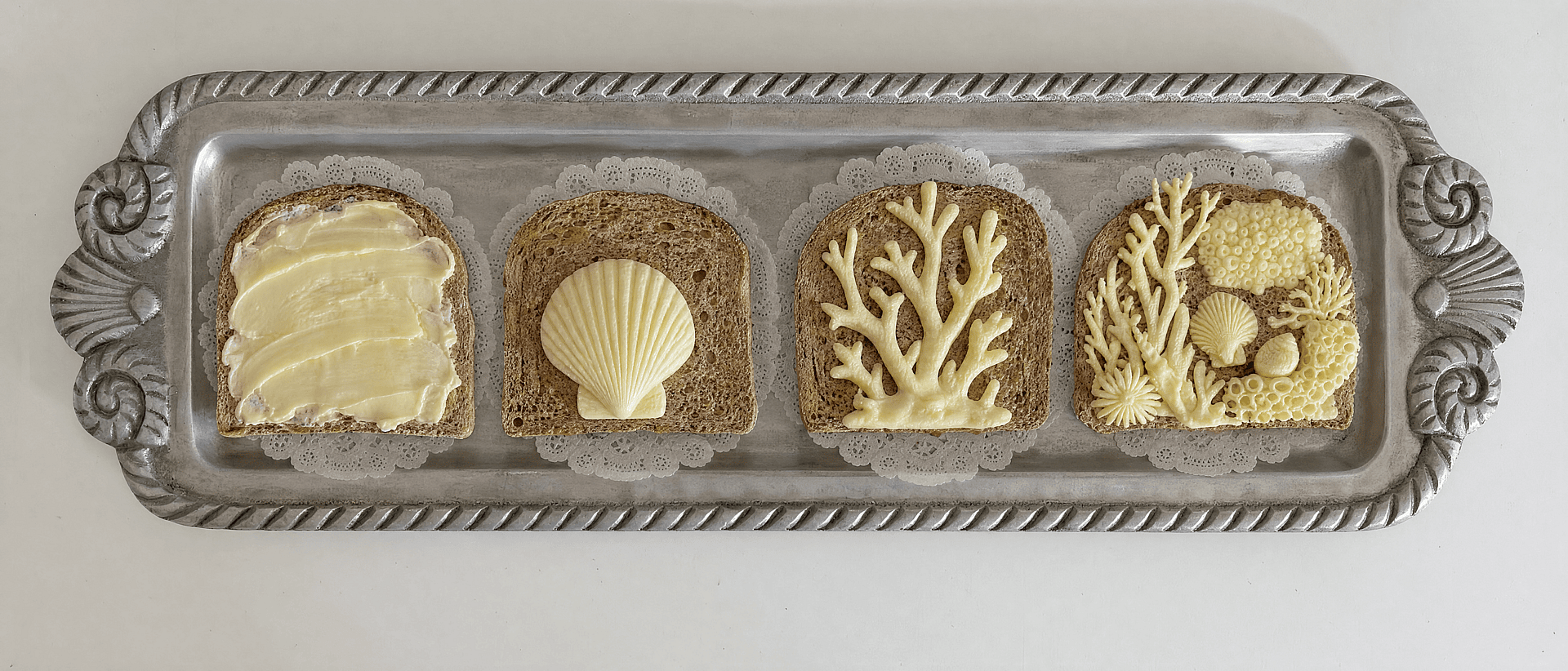 There's a plateau that many Gen AI creators hit when they find a workflow that produces reliably good results. The prompts that work become the prompts they always use, the models that feel comfortable become the only models they open. But the best creators resist this because they know that the plateau can be the beginning of creative stagnation. So they keep experimenting with models they haven't mastered, styles they haven't tried, approaches that feel risky and might not work. The learning is not separate from the practice, rather it is the practice.
10 — Never wait until you feel ready
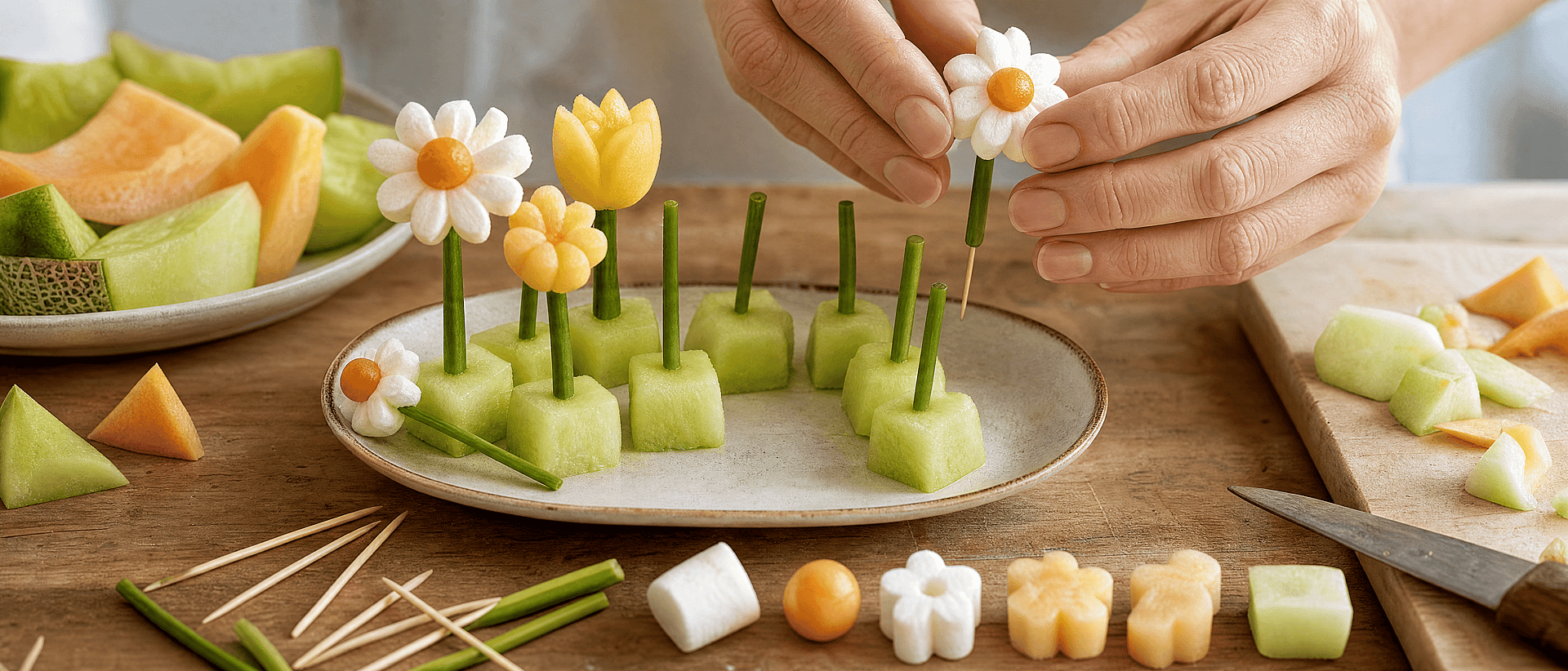 If we're honest with ourselves, readiness to publish our work into the world is a feeling, not a state. The strongest creators aren't necessarily more confident than everyone else, they're just more comfortable with the discomfort of not knowing whether something is going to work. They make things before they feel ready because they understand that the feeling of readiness comes from making things, not from preparing to make them. The work teaches you what you need to know, and the only way to learn is to start somewhere.
You'll notice that none of the above are about which model to use or how to write a better prompt. They're about the orientation you bring to the work, and that's something you build deliberately over time, through the choices you make about what to create, what to keep, what to publish, and ultimately what to stand behind.
The tools at our fingertips are truly extraordinary right now, (and they're only getting better!) but they can't hand you a point of view. That part has always been yours.