

 ChatGPT
 Perplexity
 Claude
 Gemini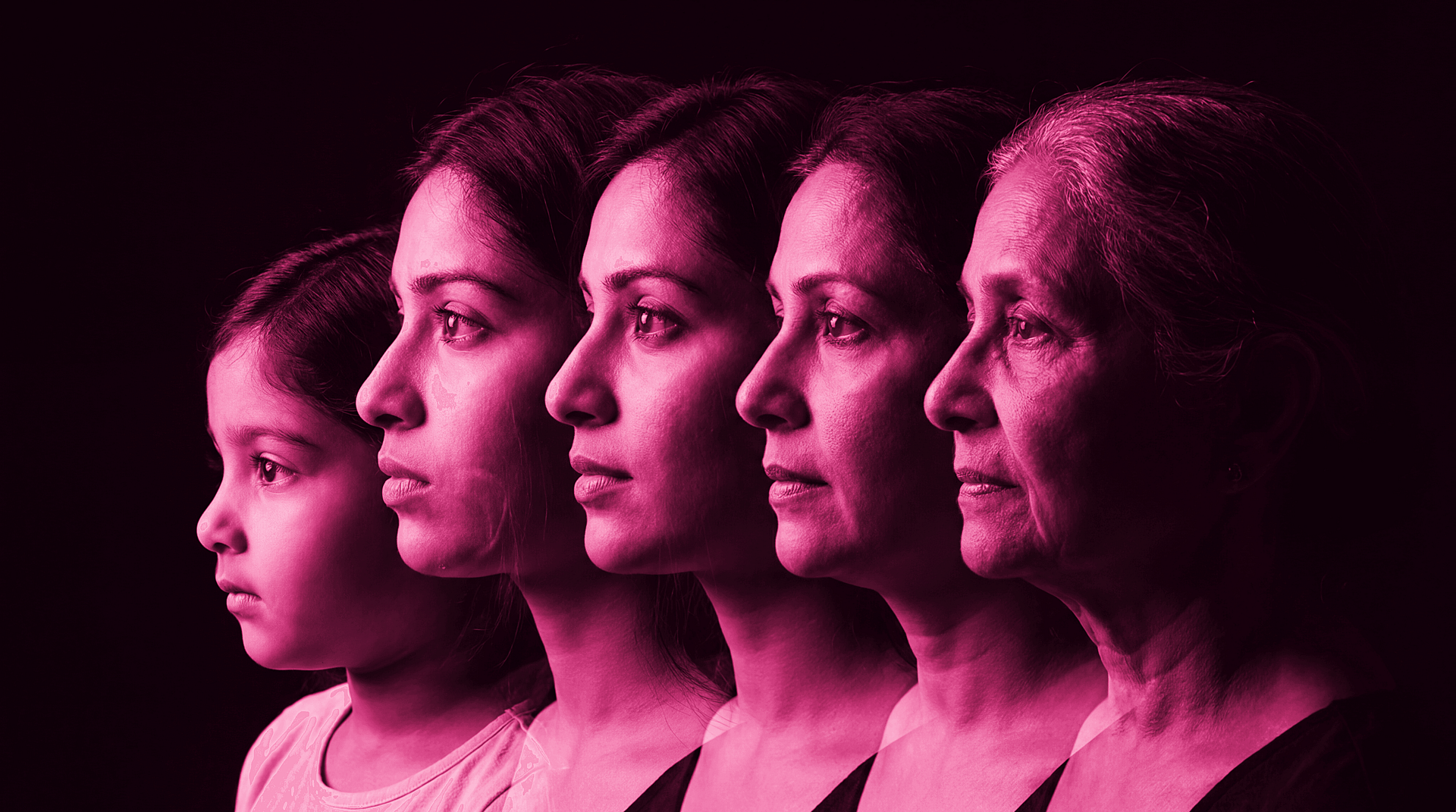
AIによる創作との関わりは、あなたが初めて画像生成ツールを開いた日に始まったわけではありません。それは、ツールがものを作り出せること、そしてそのツールが誰のためのものなのかを初めて理解した瞬間に始まりました。その理解は、あなたが育った世界によって形づくられています。あなたが生まれたときにすでにそこにあったテクノロジー、出会った、あるいは出会わなかった門番たち、大人たちが行うのを見た創造的な営み、そして「本気のものではない」と言われた営み——それらすべてが影響を与えているのです。
これらは決して運命ではありません。でも、これが文脈です。そして文脈こそがすべてなのです。
ブーマー世代/1946〜1964年生まれ:あなたはクリエイティビティが産業になる様子を見てきました。今、それは別の何かに変わろうとしています。
The television was furniture. It was always on, always warm, always slightly too loud. The radio was how music reached you: not chosen, delivered, a voice from somewhere deciding what you'd hear next. Creativity in your childhood was a performance that happened somewhere else, by someone who'd already made it, and you watched. Then the counterculture arrived and told you that wasn't true anymore. That the song could come from a kid in a garage. That the poster could be made by hand. That art was a form of argument. You believed it, and you made things, and you still do.
What's complicated now isn't the technology. It's the question of authorship, a question your generation has thought about longer than any other, because you watched the culture industries consolidate, watched the independent get absorbed, watched "selling out" become a moral category and then a punchline. AI creativity lands differently when you have a forty-year relationship with the politics of who gets to make things and who gets paid for it. Your skepticism isn't technophobia, and it's entirely earned.
問題はAIが美しいものを作れるかどうかではなく、美しさこそが本質なのかどうかだ。
AIを創造的に使いこなすベビーブーマー世代は、世間の議論が思わせるより実は多く、彼らはこれまでのあらゆるツールと同じようにAIを使う傾向があります。つまり、すでに持っているアイデアの延長として。彼らは当てもなくプロンプトを打ち込んでいるのではありません。言いたいことは分かっていて、ただそれを表現する新しい方法を見つけただけなのです。
X世代/1965〜1980年生まれ:あなたはすでにこれをやっていました。ただ、そう呼んでいなかっただけです。
If the basement had a four-track recorder, you were in it. Zines were photocopied at the library when the librarian wasn't watching. Mixtapes were a creative medium: the sequencing deliberate, the handwriting on the label considered. You made things before there was an infrastructure for making things. Before platforms. Before anyone without a label, a gallery, or a publisher could reach an audience worth reaching. You made them anyway, traded them with other people who were doing the same thing, and you called that a scene.
X世代はこれまでにこの光景を見てきたので、結末を知っています。ツールは吸収され、クラフトは生き残り、参入のハードルは誰にとっても下がります。これは抵抗ではなく、認識なのです。あなたはデジタルツールが登場するたびに見守ってきました。DTP、DAW、Photoshop、Pro Tools、Final Cut。そのたびに誰かが「これはクラフトを殺す」と言いましたが、そのたびにクラフトは生き残り、参入のハードルは下がり、より多くの人がものづくりに参加できるようになったのです。
X世代が本当に懐疑的なのは、AIそのものではなく、その誇大宣伝です。どんな新しいものでも、大げさに騒ぎ立てるノリはずっと鼻についてきたはず。役に立つときには使うし、おそらくもう大げさに騒がず使っている——それこそまさに、X世代らしさです。
X世代は1987年にモノづくりの許可を待ったりしなかった。そして今も、待つ気などない。
ミレニアル世代/1981〜1996年生まれ:あなたはクリエイティブツールを軸にアイデンティティを築いてきました。今、そのツールはアイデンティティが追いつけないほどのスピードで変化しています。
You were the first generation to grow up with the internet as a given, but late enough that you remember the before. The dial-up screech. The moment Napster arrived and you understood, viscerally, that the rules were changing and nobody was going to stop it. You taught yourself things on forums and wikis and YouTube tutorials before YouTube was a career path. You made Tumblrs and DeviantArt pages and SoundCloud accounts not because you thought they'd go anywhere but because the making was the point, and suddenly there was somewhere to put what you made. Creative tools stopped being gatekept and started being everywhere, and you ran toward them.
Which is why AI is so disorienting for so many Millennials. Not because it's a threat, most of you are pragmatic enough to see past that framing, but because it moves the identity question. You spent years developing a relationship with your tools. Learning Lightroom, learning Ableton, learning Premiere. The competence was part of the creative self. AI doesn't erase that competence, but it does relocate it. The skill is now less about execution and more about vision, taste, direction. That's actually a promotion, even if it doesn't always feel like one.
スキルは消えたのではなく、上流へ移りました。そしてAIは、ずっと真実だったことを無視できなくしただけです。つまり、実行力よりもビジョンとセンスが重要だということです。
ミレニアル世代の中でも最も若い、Z世代との境目にいる層は、MySpaceを覚えつつも今ではTikTokを使いこなしていて、両方の世界を自在に行き来する傾向があります。彼らはクラフトを守ろうとするミレニアル世代の本能を持ちながら、同世代の多くよりもAIに抵抗がありません。文脈も流暢さも兼ね備えているため、その場で最も興味深いAIクリエイターであることが少なくありません。自分が何をしているかを理解しており、それについて言い訳もしません。
Z世代 / 1997〜2012年生まれ:最も葛藤を抱えた世代。そして、これを最初に解き明かす世代でもあります。
スマホは常にそこにあった。ぜいたく品でも目新しいものでもなく、ほとんど身体の一部のように。コンテンツは無限にあり、しかもそのコンテンツを作っていたのは自分とだいたい同世代の人たちだった。つまり、何かを作ることは抽象的な憧れではなく、身近な仲間たちが実際にやっている、目に見える行動だったのだ 実行しました。フィルターはクリエイティブな判断でした。編集は一つの芸術でした。消費者とクリエイターの境界線は、あなたがその存在に気づく年齢になる前に消えていたのです。何か言いたいことがあれば、それを表現する手段があり、耳を傾けてくれる誰かがいる。あなたはそう思って育ちました。
And yet Gen Z is statistically the most ambivalent about AI creativity: the heaviest users and the most likely to feel shame about it. It may seem like a contradiction, but it makes complete sense. You're the generation that built your creative identity on authenticity as a value. Real opinions, real faces, raw takes. AI creativity can feel like it violates that, like it's the opposite of the voice you spent years cultivating. The shaming hits harder when the accusation is that you're being fake, and you've staked part of your identity on not being fake.
Z世代は、気候不安が背景に常につきまとう中で育った世代でもあります。大規模AIモデルを大量に稼働させることのエネルギー負荷は、単なる建前ではなく、現実的で正当な懸念です。一部のZ世代クリエイターにとって、AIへのためらいは真正性の問題ではまったくありません。それは、成果物がそのコストに見合うかどうかの問題なのです。
Gen Alpha/2013年以降生まれ:私たちが何を言い争っていたのか、彼らには理解できないでしょう。
彼らは10歳、11歳、12歳。AIはすでに学校にあり、タブレットにあり、火曜日の午後に楽しみで何かを作るのに使う道具の中にもある。彼らはAIが登場する瞬間を見ていない。ただ、そこにあっただけ。電気や、カラー写真や、部屋で声に出して頼めば録音された曲を何でも聴けるという事実のように。
Gen Alphaの世代がAIによる創造性と複雑な関係を抱くことはない。彼らにとって、AIを含まない創造性など記憶にないからだ。それが「本物」かどうかという問いは、デジタル写真が「本物」かどうかという問いが私たちに響くのと同じように彼らに響くだろう。歴史としては技術的に興味深いが、懸念としては感情的に何も呼び起こさない。彼らは物を作り、その中には並外れたものもあるだろう。しかし彼らは、その手法を正当化するために立ち止まったりはしない。
彼らは、この論争を、結局ただの道具だとわかった道具をめぐるモラルパニックを振り返るときと同じ目で振り返る世代になるでしょう。ちょっとした愛着を込めて。ちょっとした戸惑いとともに。必要だとも知らなかった許可のために戦う必要がなかった人ならではの、気楽な自信を持って。
どの世代にも創造性の継承があります。ものづくりにいくらかかるのか、誰がそれをできるのか、そしてそれをするとはどういう意味なのか——そんな前提の数々です。こうした前提は、あなたが生まれ落ちた世界、すでにそこにあったツール、向き合わなければならなかったゲートキーパーによって形づくられてきました。
AI はそれらを消し去るのではなく、その上に重なるものです。だからこそ、どんな反応であってもあなたの反応には意味があり、10 年早くまたは遅く生まれた隣の人が、まったく同じ画像を見てもまったく違う何かを感じることがあるのです。
私たちは皆、生み出すために生まれてきた。世代とは、その物語のどのバージョンを受け継いだかというだけのこと。