

 ChatGPT
 Perplexity
 Claude
 Gemini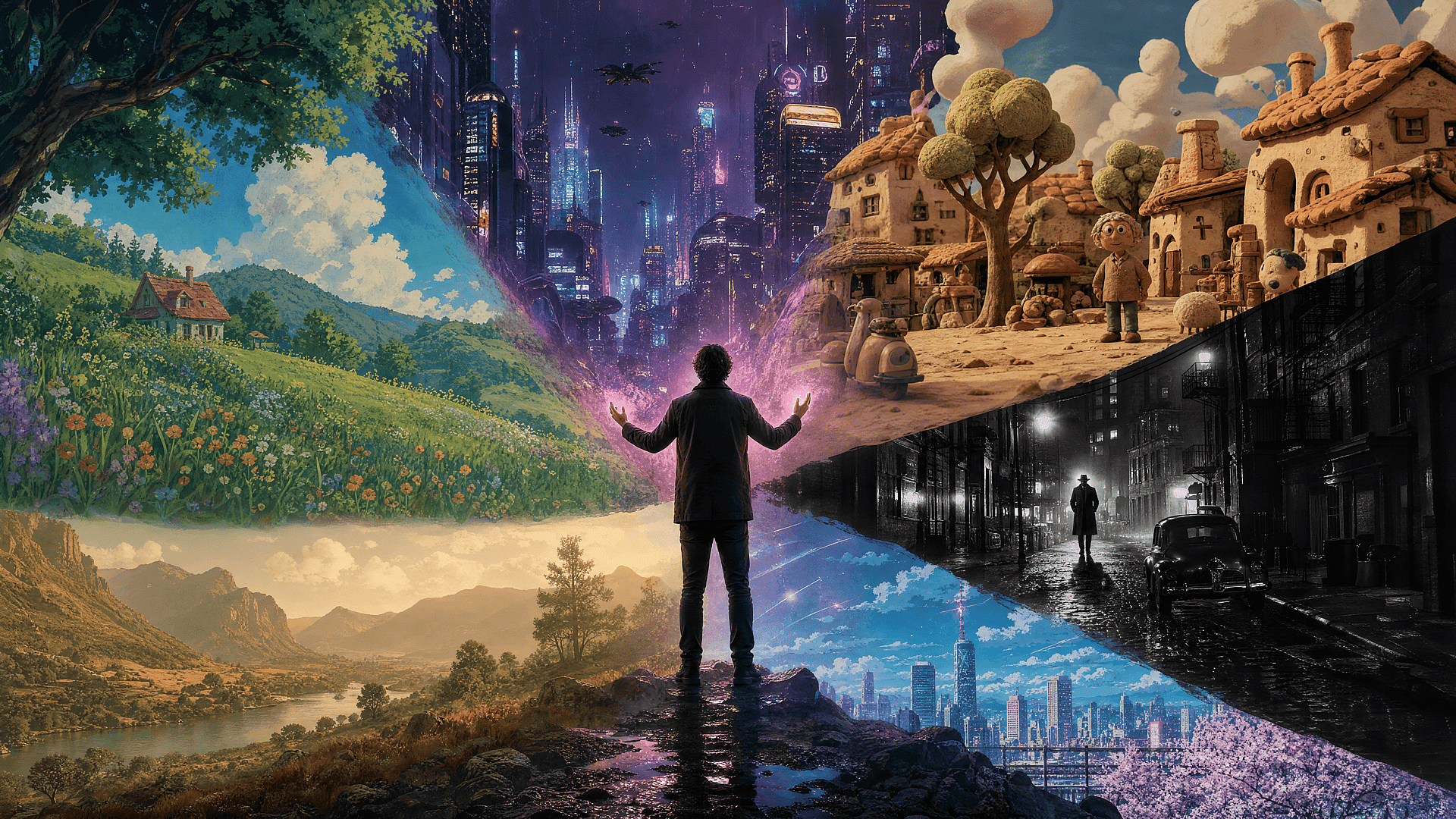
ほとんどのクリエイターやストーリーテラーには、実現できていない企画がたくさん眠っています。しかもアイデア不足が理由であることは滅多にありません。紙の上で終わってしまった短編映画、カットごとに思い描けたのにゴーサインが出なかったキャンペーン、予算が3倍あれば作れていたミュージックビデオ。 そのすべてを思い描けます。 What you couldn't do was get it out of your head and onto a screen, because the entire production system stood in the way: the crew, the gear, the budget, the schedule that never lined up, the years of craft training between an idea and the skill to execute it. Visual storytelling sat behind a kind of paywall, one measured not just in money but in time, access, and years of craft, and it asked whether you could afford all of that long before it ever asked whether you had something worth making. Somewhere along the way, most of us quietly accepted that directing was something other people did.
まさにこの現象を、私たちはすでに一度目にしています
数年前、ソフトウェアも同じ仕組みでした。何か本物を作るにはコーディングを知る必要があり、それには何年もの訓練と、多くの人が身につける時間もアクセスも持てない習熟が必要でした。アイデアは誰かの頭の中に生まれ、そこに留まったままでした。アイデアと動く製品との間の距離が、構文やツール、蓄積された技術知識で埋め尽くされていたからです。
しかしその後、Claude Codeのようなツールが登場し、バイブコーディングの時代が到来しました。当初、本職のエンジニアたちの反応は否定的でした。おもちゃにすぎない、単なる近道だ、システムを本当に理解していない人がもろいものを寄せ集めるだけだ、と。しばらくの間はその懐疑論も妥当に思えましたが、ツールがほとんど誰の予想よりも速く優れたものになると、状況は一気に変わりました。今年時点では、 プロの開発者の圧倒的多数が、日常的な業務の一部としてAIツールを使っている、いまや本番コードのうち手作業でなく生成される割合は着実に、そして増え続けています。かつて鼻で笑っていた人たちも今では活用してリリースしています。それは初心者の松葉杖ではなく、優れたエンジニアが10倍速く動けるようにするスピードツールだと分かったからです。
その話の中で最も重要な点は、みんなが見落としてしまう部分です。 人が席に座っていなければ、どれ一つとして機能しなかった。 最も厳密な計測結果は、AIが書いた本番コードの割合が、大げさな見出しの数字をはるかに下回ることを示しています。そしてこれらのツールを最大限に活用できた開発者は、何を求め、何を残し、何を捨てるべきかを的確に理解していた人たちでした。実行はAIが担い、判断力、センス、そしてそれが本来どうあるべきかという感覚は人間のもとに残ったのです。本当に変わったのは、そもそも誰がものづくりに参加できるかという点でした。これまで一行もコードを書いたことのなかった人が、突然、ずっと欲しかったアプリやウェブサイト、ちょっとしたツールをリリースし、その領域は彼らをも含むほどに広がったのです。
OpenArt Directorは、ビジュアルストーリーテリングに同じ解放をもたらします
The first wave of AI video looked, for a moment, like it had already solved this. It tore down the production barrier overnight: no crew, no gear, no budget, just a prompt and a few seconds of footage in return. But it quietly put a new barrier in the old one's place: you could generate a clip, but to make anything that resembled a real piece you were stitching dozens of them together, fighting to keep a character's face consistent from one shot to the next, regenerating until the seams more or less disappeared. Access had opened, but direction, the actual work of shaping a story into a finished piece, was still out of reach: you weren't directing so much as operating a slot machine and assembling the winnings by hand.
これこそが、私たちが動画のために生み出そうとした変化です。単にクリップを速く生成する方法ではなく、vibe codingがソフトウェアにもたらしたのと同じ変化—ほしいものを説明し、返ってくるものを形にしながら完成作品を作り上げ、その間ずっとあなたがクリエイティブの主導権を握れる手段です。
私たちはこれをvibeディレクションと呼んでいます
見たいものを説明し、返ってきた結果に反応する。まるでクリエイティブチームに指示を出すように演出できます。 もっと思い出のような雰囲気にして, 第2幕をより印象的に, このキャラクターをもっと柔らかい印象に. Our AI video Director takes the note and the piece changes. You're not quite operating film equipment, but you're also not just firing off prompts and hoping the clip that comes back is close enough to your vision. It's an entirely new form of creating: you're co-directing a whole piece with AI, with its own story, pacing, voice, and sound, rather than a five-second fragment you'll have to stitch to forty others later. Every creative decision that matters, what the story is, how it should feel, where it should land, what stays and what gets cut, remains yours.
In practice it works across the whole arc of making something, not just the moment of generation. You start with whatever you have, a single sentence, a script, a song, a mood board, a product shot, a voice memo, and Director helps you develop it: proposing a story structure, building out characters and the worlds they move through, suggesting a visual style and tone. From there it produces the piece, with the visuals, dialogue, music, and sound generated together rather than assembled afterward. Then you refine by talking to it, the same way a director gives notes on set, until the thing on the screen matches the thing in your head. Bring more as you go, your own voice, a reference clip, a brand's guidelines, and it folds them in, holding everything consistent as the project grows.
返ってくるのは素材ではなく完成品です。Directorは1回の連続テイクで最長5分を生成し、ビジュアル、セリフ、音楽、サウンドを後付けではなく一体で設計。最初のフレームから最後まで、キャラクター・製品・スタイルを一貫して保ちます。変更したいときは、言葉で伝えるだけです。 冒頭を短く。2 番目のシーンでは彼女にもっと暖かい光を。音楽をもっと不安げに。 ほとんどの判断は、この対話を通じて最速で仕上がりに反映できます。そして自分の手で細かく調整したくなったときには、すぐそこにコントロールが用意されています。タイムラインとストーリーボードのフル表示で、個々のシーンに入り込み、フレーム単位で仕上げられるのです。対話ですべてを演出するも、手動コントロールに手を伸ばすも、その2つを自由に行き来するも思いのまま。作品はあなたの思うがままに形づくれます。
ストーリーを演出することは、ソフトウェアを作ることとは違います
For all its usefulness, the vibe coding parallel breaks down in one important place, because compelling visual storytelling is the harder, stranger craft. Code either runs or it doesn't, while a story has to make someone feel something, which is a far slipperier target. Pacing, performance, the exact emotional temperature of a scene, the way a cut lands, the silence before a line: these are judgment calls with no correct answer, only a better or worse one, and they're the difference between a video that technically exists and one that actually moves you.
だからこそ、ソフトウェア以上に、ここでは席に座る人間が重要になります。Directorは5分間にわたってキャラクターの一貫性を保ち、音楽をシーンの感情のリズムに同期させることができます。これらは本当に難しいことです。しかし、第二幕が すべき より深く響かせること、そしてこの特定の物語にとって「深く響く」とは何を意味するのか――それに答えられるのは、確かな視点を持つ人間だけです。ツールは手段を与えてくれますが、そこから何を生み出すかは、いつの時代も変わらず、あなたが何を持ち込むかにかかっています。
ハードルは低く、天井は高く
バイブコーディングが最終的に証明したのは、ハードルを下げても天井は下がらないということでした。プロが劣化したわけではなく、むしろ速くなり、これまで何も作れなかった大勢の人々が本物の成果を世に出し始めたのです。カテゴリーは浅くなることなく大きくなりました。良いソフトウェアと悪いソフトウェアを分けてきたのは、タイピングではなく、何を、なぜ作るのかを知っていることだったからです。
バイブ・ディレクティングが今まさに登場しています。すでにディレクションを生業とする人は予算の都合で実現できなかった企画を一掃でき、センスはあってもチャンスに恵まれなかった人はずっと思い描いてきたものをついに形にできます。ビジュアルストーリーテリングの未来へようこそ。あなたがどんな作品をバイブ・ディレクトするのか、楽しみで仕方ありません。