

 ChatGPT
 Perplexity
 Claude
 Gemini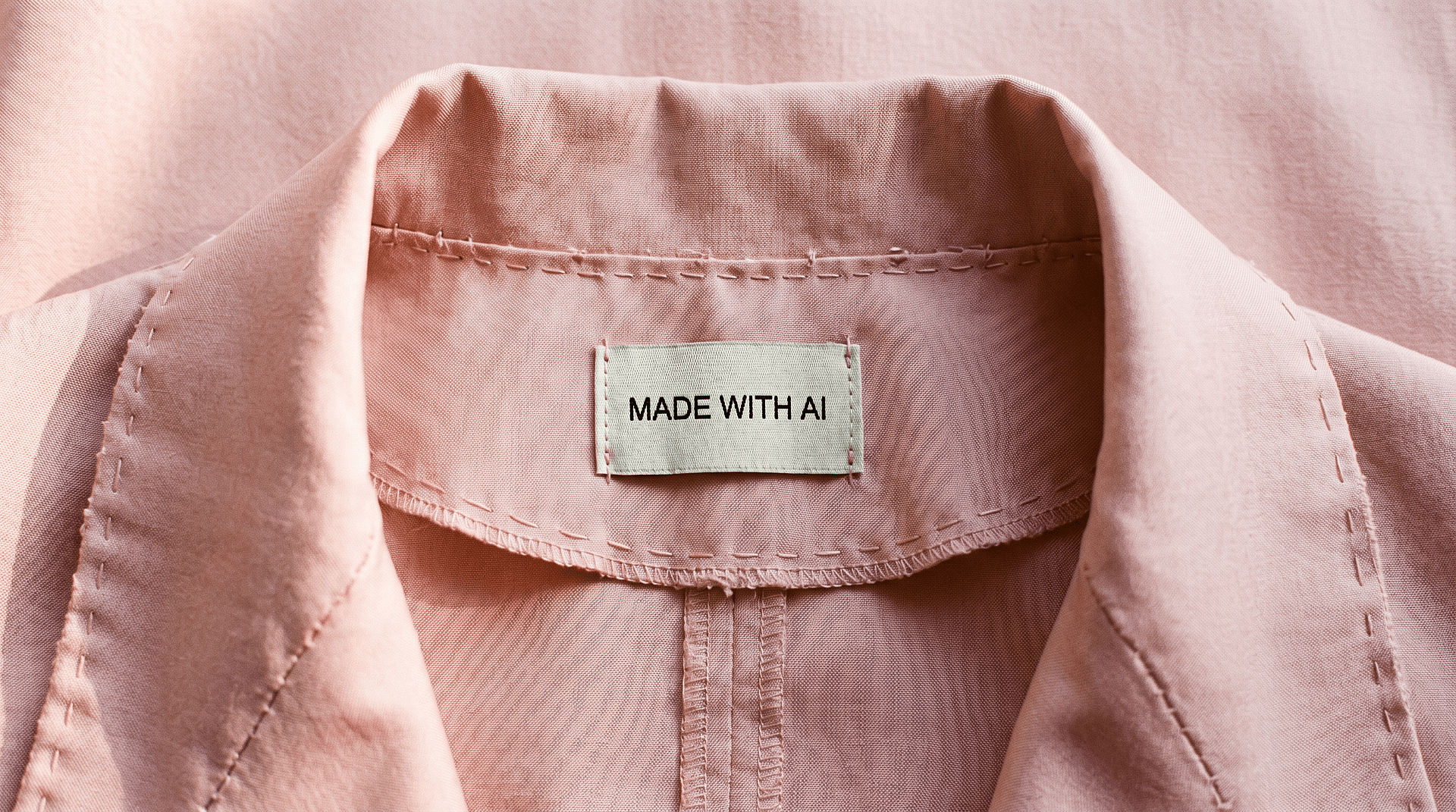
Somewhere between posting your work and checking back on it later, a small "Made with AI" label appeared underneath it, and you didn't put it there. The platform did, automatically, because your file carried metadata that identified it as AI-generated. Or maybe you saw a toggle during upload that said something about AI disclosure and clicked past it without totally understanding what it was asking. Either way, the question of whether to label your AI content is one nobody has a clean answer to yet.
それでは、各プラットフォームで実際に何が起きているのかを見ていき、そのあとでプラットフォームには決められない部分についていくつか考えてみましょう。
各プラットフォームの実際の要件
Every major platform has built its disclosure rules around one core concern: realistic content that could mislead someone into thinking something happened that didn't. A synthetic video of a public figure saying something they never said. A fabricated news event. A face-swapped video of a real person. That is what the platforms are worried about, and it is meaningfully different from, say, an AI-generated product mockup you posted to your brand's Instagram, or an illustrated digital artwork you made for a client campaign.
InstagramとFacebook
Metaのシステムは同時に走る2つのトラックで機能します。1つ目はアップロードフローにある自己申告のトグルで、投稿前にコンテンツをAI生成だと自主的にマークできます。2つ目は自動検出です: MetaはC2PAのプロベナンス(来歴)メタデータを読み取ります 主要なAIツールのファイルに埋め込まれており、そのメタデータが存在する場合、切り替え設定に関係なく投稿に「AI Info」ラベルが表示されます。このポリシーはフォトリアルなコンテンツ、実在の人物を加工した画像、合成音声を対象としています。明らかにスタイライズされた、あるいはイラスト調のAI作品は別の扱いになります。とはいえ、 プラットフォームがAIの関与を検知したにもかかわらず、繰り返し自己申告を怠るクリエイター 制限に引っかかることもあるので、後手に回るより先手を打つほうが賢明です。
TikTok
TikTok では AI ラベルをオンにする必要があります for content that is completely generated or significantly edited by AI, but it is specific about what that means. The label is required when a real person is shown saying something they didn't say, doing something they didn't do, or when their appearance is so substantially altered that they're no longer recognizable. The platform explicitly says you do not need the label for minor corrections, enhancements, or using AI as a writing or editing assistant. An AI-generated visual used as a backdrop or thumbnail is not the same thing as a synthetic video of a real person. The label, when applied, does not affect how the content is distributed.
YouTube
YouTubeは2025年初頭、AI開示ポリシーの適用を開始しました。 トグルはYouTube Studioの「改変・合成コンテンツ」内にありますこれは、実際の出来事・場所・人物を誤解を招く形で描いた動画・ショート・ライブ配信に適用されます。本物そっくりの合成音声、捏造されたニュース風の映像、実際にはしていない発言や行動をしているように見せる加工映像はすべてラベル表示が必要です。明らかに現実と誤認される意図のないクリエイティブなコンテンツには適用されません。
3つのプラットフォームに共通する軸は同じです。彼らが対処しているのは誤情報であって、創作表現ではありません。あなたの作品が明らかに欺きではなく創作的なものであれば、通常は必須の開示対象にはなりません。
メタデータの状況
多くのクリエイターが不意を突かれるのがこれ。今や多くのAIツールは、C2PAという技術標準に従って、生成するファイルに来歴メタデータを直接埋め込んでいます。これは本質的に、そのファイルがどう作られたかの記録で、画像そのものに目に見えない形で焼き込まれています。そのファイルをInstagramやC2PAデータを読み取る他のプラットフォームにアップロードすると、あなたが何かを判断する前に、プラットフォームがファイル自身の記録に基づいてAIラベルを付けることができるのです。
これは決して罠でもなければ、プラットフォームがこそこそやっているわけでもありません。むしろコンテンツのエコシステム全体が、それ自体に出自の物語を持つファイルへと向かっている、その流れそのものなのです。実用的な結論として、自ら積極的に開示するほうが賢明な選択と言えます。自動ラベルに委ねるのではなく、自分でストーリーの主導権を握れるからです。
実際にあなたが考えるべき部分
プラットフォームのポリシーを守るのは最低ライン。その最低限を超えて自分の作品について何を語るかは別の問題であり、より興味深いテーマです。
Envatoの「State of AI in Creative Work 2026」レポート found that 58% of creative professionals have used AI in client work without disclosing it, with nearly half saying they didn't feel obligated to list every tool in their process. That's a reasonable position, and honestly not a surprising one. Creatives don't typically disclose every tool in their process, whether that's a Lightroom preset, a stock subscription, or the plugin that cleaned up their audio. The question is whether the people on the other side of your work would feel differently about AI, and the honest answer is: sometimes yes, sometimes no, depending entirely on context and relationship.
ビジュアル作品を軸に視聴者を育てているクリエイターにとって、AIについてオープンに語ることは、それ自体が魅力的なコンテンツ戦略になっています。AIの出力をディレクションし編集する際の創造的な判断は、人々にとって本当に興味深いものだからです。多くのクリエイターが、自分の制作手法をあけっぴろげに語る方が、曖昧にしておくよりも熱心なオーディエンスを育てられると気づいています。そしてAIの使用に不満を持つ人たちは、そもそも本来のオーディエンスではなかったのです。
クライアントワークでは、判断が少し変わってきます。多くのクライアントは成果物だけを気にしますが、後からAIが使われていたと知り、それを隠されていたと感じたクライアントとの対話は、早い段階で自然に伝えた場合よりずっと難しくなります。相手が知りたがるかどうかに少しでも迷いがあるなら、知りたがると考えておくのが無難でしょう。
この議論の中に、そこまでグレーでなくてもいい部分が一つあります。それがIPの側面です。開示は「人に何を伝えるか」の話ですが、著作権は「実際に何を所有し、どんな権利を侵害しかねないか」の話です。これらは別々の問いであり、後者には今、より明確な答えがあります。OpenArtの IP セーフティチェック 機能はパートナーシップのもとで開発されました Copysight それはまさに、クリエイターがうまくいくことを祈るだけでなく、自信を持って作品を制作・共有できるべきだと私たちが信じているからです。何をどう表示するか悩む前に、作品そのものがしっかりした基盤の上にあると知っておく価値があります。
プラットフォームのポリシーは今後さらに厳しくなっていく可能性が高く、 EU AI法のラベル表示義務が2026年8月に完全施行されること は、時代の流れを示す一例にすぎません。透明性はより高く、そしてより開かれていきます。
ただしコンプライアンス以上に、この時代を上手く乗りこなしているクリエイターは、自分の作品とその作り方について明確な視点を持っている人たちです。ラベルは小さくても、それについて何を語るかは小さな話ではありません。