
 ChatGPT
 Perplexity
 Claude
 Gemini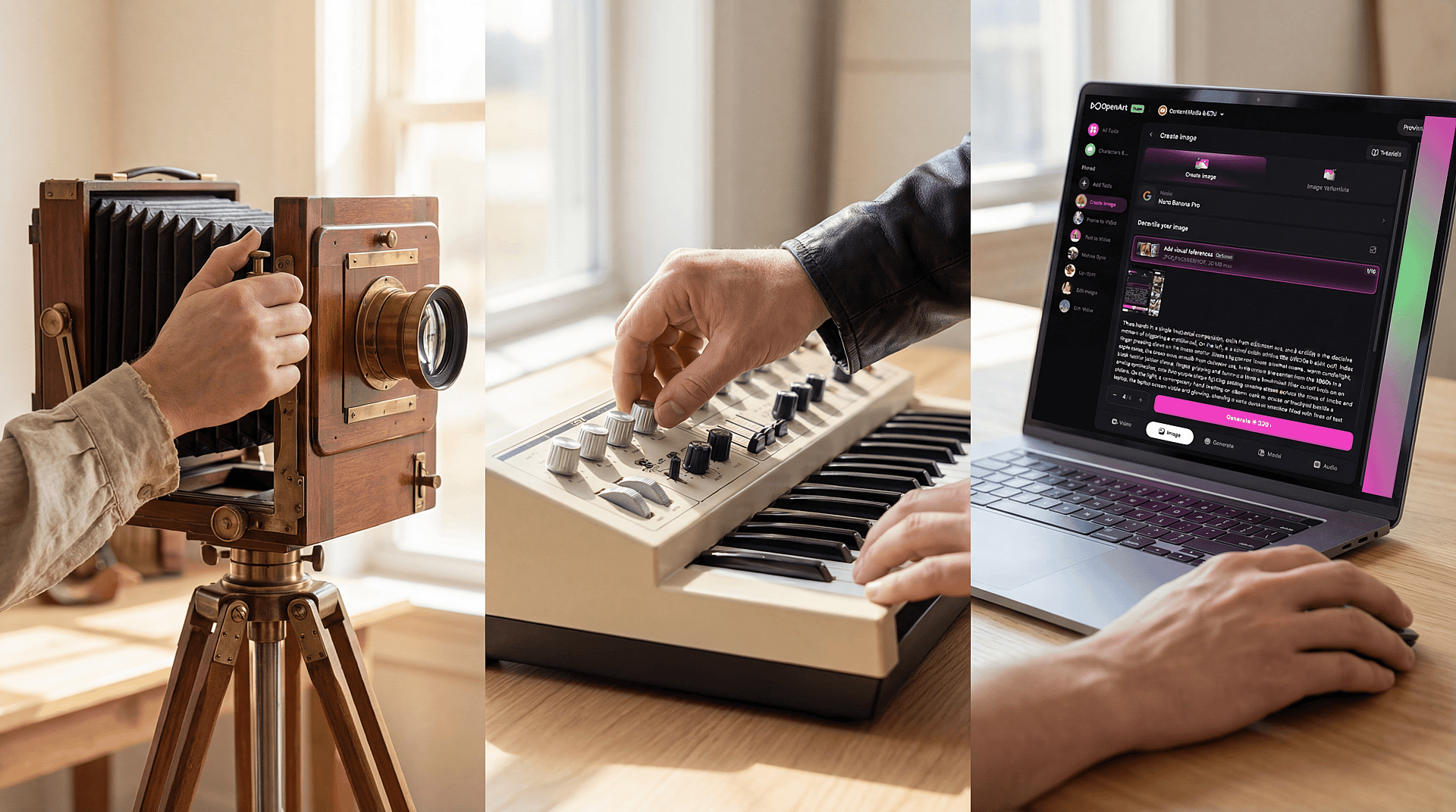
1859年、詩人シャルル・ボードレールは、美術批評史上最も有名な酷評のひとつを書きました。その標的は写真でした。彼はそれをこう呼んだのです——「アートの最大の宿敵」と却下された あらゆる挫折した画家の逃げ場 本物の絵筆を握る才能がないだけ。彼にとって写真とは、芸術家の仕事を装う機械にすぎませんでした。そこには想像力も、技術も、創造的なビジョンも不要。純粋に機械的で、それゆえ純粋に無機質だと。それでも、ドロテア・ラングの Migrant Mother は世界恐慌時に連邦政府の食糧支援を動かす一助となり、アポロ8号のクルーは アースライズ の写真は、ある世代全体が私たちの惑星をどう理解するかを一変させ、写真はやがて人類が生み出した最も重要な創作表現の一つへと発展していきました。
それから1世紀余り後、シンセサイザーも同じ扱いを受けました。1970年代後半から1980年代初頭にかけてシンセポップがチャートを埋め尽くし始めると、反発はすぐさま、そして本能的に起こりました。Gary Numan はこう表現しています。「敵意」という批判に彼は直面しました。電子音楽は本物の音楽とは言えないと考える批評家たちが、機械が仕事をしていると信じていたためです。OMD のフロントマン、アンディ・マクラスキーは わかりやすく言うと:機材があなたの代わりに曲を書いてくれると本気で思っていた人が大勢いました。Queenは1970年代、4枚連続のアルバムジャケットに「No Synthesizers!(シンセサイザー不使用!)」と印字し、聴いているものが今なお正真正銘のものだと安心させようとするかのようでした。そして1982年までに 英国ミュージシャンズ・ユニオンは、シンセサイザーとドラムマシンの全面禁止を投票で可決していた、電子楽器が人間の演奏者を無用にするだろうと確信していました。それでも今日、電子音楽は世界で最も聴かれるジャンルのひとつであり、シンセサイザーは現代の音楽制作に深く根付いていて、ほとんどのポップソングはそれなしには成り立ちません。
こうした批判は、不気味なほど聞き覚えがあるはずです。「AIアート」を「写真」や「シンセサイザー」に置き換えれば、今日のコメント欄や論評記事にほぼ同じ主張が見つかるでしょう。ツールは変わっても、不安は明らかに変わらないのです。
We are, as a species, compulsively creative. We build tools, we extend our capabilities, and then we spend a generation or two being deeply unsettled by what we've built before finally absorbing it into the fabric of normal life. Cities once felt like an affront to the natural world. The printing press was going to destroy the memory of scholars. Recorded music was supposed to end live performance. The internet was going to rot our brains (jury's still out on this one). But in each of these cases, the tool eventually became so thoroughly woven into human culture that we stopped seeing it as foreign and started seeing it as ours.
「AIアート」をめぐる議論は今まさに恐怖のフェーズに深く入り込んでおり、そのラベル自体がこの状態を長引かせる一因になっています。
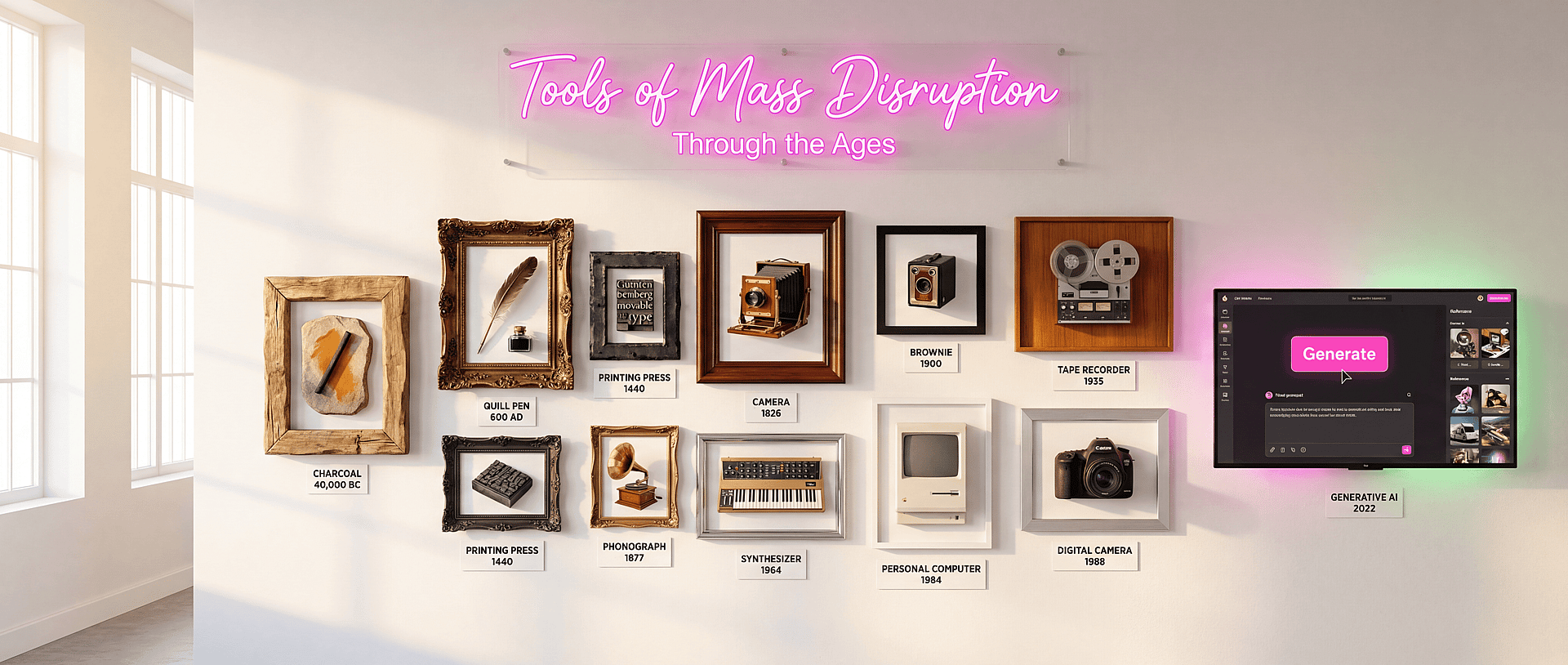
「AIアート」と呼ぶと、人間のアーティストが脇に追いやられてしまう
写真家は「カメラアーティスト」ではありません。映画作家は「レンズの語り手」ではありません。グラフィックデザイナーは「ソフトウェアイラストレーター」ではありません。私たちは道具でクリエイターを呼びません。作品を意義深く、独自の成果物たらしめているのは道具ではないからです。それを生み出すのは、その背後にあるクリエイティブなビジョンです。
何かを「AIアート」と呼ぶと、ツールにスポットライトが当たり、人間が舞台の外へ押し出されてしまいます。その後の会話は自然とソフトウェアを中心に回り始めます。AIは創造的なのか?クレジットに値するのか?人間がすべての筆を入れていないなら、それは本当にアートなのか?これらは興味深い哲学的な問いですが、生成ツールを使って毎日リアルなクリエイティブ制作をこなす何百万もの人々にとっては、ほとんど本筋とは関係のない話です。
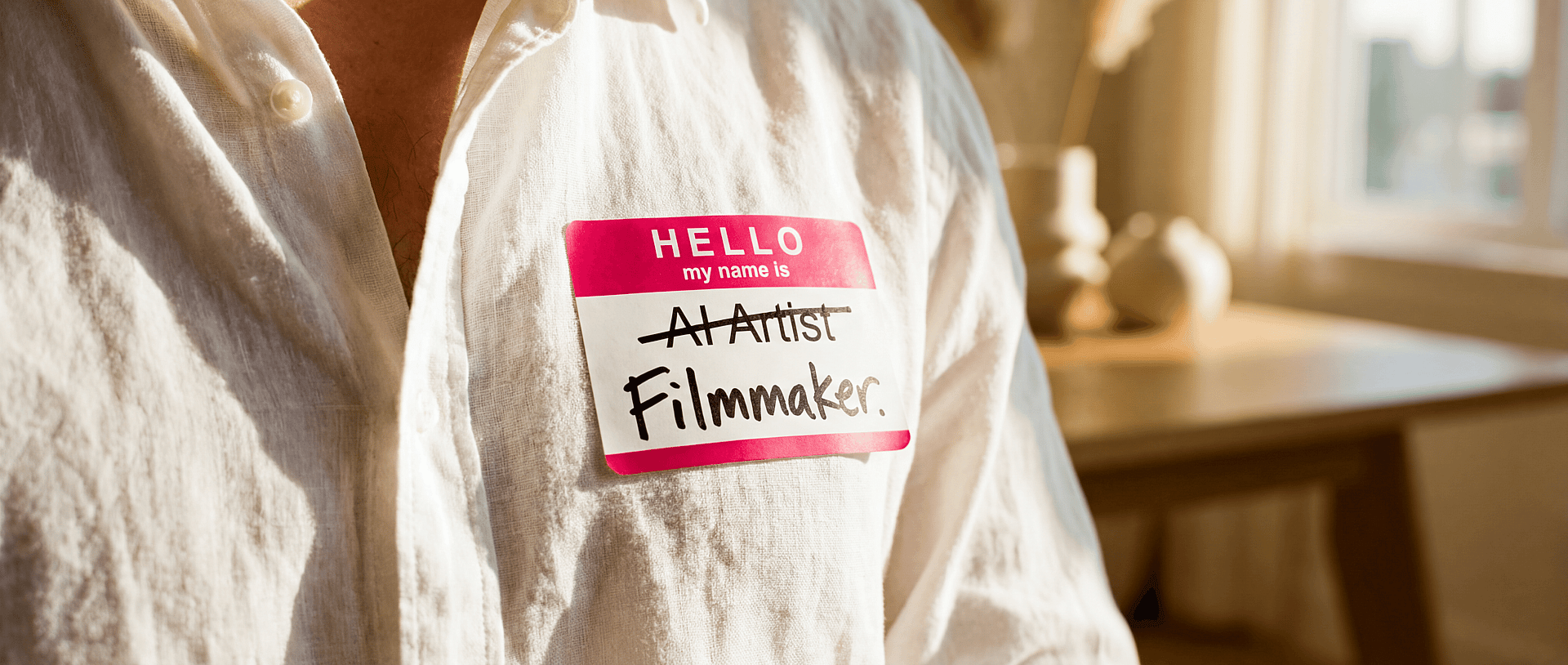
The label also flattens an enormous range of creative practices into one reductive term. Consider what "AI art" is currently being asked to cover: a brand creative director prototyping visual directions for a campaign, a solo illustrator building a consistent fantasy world they couldn't afford to render any other way, a filmmaker generating storyboard imagery at speed, a fashion designer exploring colorways in real time, a small business founder who finally has a way to make content that feels like their brand instead of like stock footage. These are wildly different practices with different goals, different skill sets, and different outputs. The only thing they share is one piece of the pipeline, and that shared tool has somehow become the defining characteristic of all of them, which would be a bit like calling every piece of writing created in Google Docs "software literature."
アートの世界でさえ、この言葉の意味については意見が一致していません。ある 最近のArtsy調査 of more than 300 gallery professionals found three competing definitions in active use: some define "AI art" as fully prompt-based work, others focus on artistic intent regardless of tool, and others classify anything where AI meaningfully shapes the outcome. The survey's own conclusion was telling: these debates about legitimacy and value are happening without a common vocabulary. Professionals in the same field are using the same term to describe fundamentally different things, and then arguing about whether those different things have merit.
法曹界も見解を示し始めている
The court of cultural opinion tends to dominate these conversations, but it's worth paying attention to what's happening in actual courts. Because when the legal system starts hearing cases and making room for how a new technology is actually being used, that's historically one of the clearest signs that it's here to stay and that culture will eventually follow. It always starts with a few brave people who just want to create, and little by little their work becomes recognized not just in law but in our colloquial way of life.
2026年3月2日、 米連邦最高裁は審理を却下した Thaler 対 Perlmutter 事件, the decade-long case about whether AI can be an "author" under copyright law. The ruling was clear: copyright requires human authorship. Works created autonomously by AI, with no human creative contribution, cannot be copyrighted. But the court left room for works where humans maintain genuine creative control through direction, prompting, and alteration. In other words, the legal system already distinguishes between "the AI made this" and "a human made this using AI." When we call something "AI art," we linguistically frame it as the first category, even when the reality is almost always the second.
では、これを何と呼べばいいのでしょう?
おそらく一番シンプルなのは、成果物そのもので呼ぶことです。イラスト、コンセプトアート、ブランドイメージ、モーショングラフィックス、ビジュアルデザイン、絵コンテ、キャンペーン写真。メディアとは生み出されたアウトプットであって、それを作ったパイプラインではありません。写真家に対して、その写真をCanonで撮ったかHasselbladで撮ったかを、呼び方を決める前に尋ねる人などいないのです。
あるいは、もしかしたらまだ存在しない全く新しい言葉になるかもしれません。私たち全員で形づくっていける言葉です。生まれたてのクリエイティブツールを包む語彙を生み出すのは、それ自体が独特の大変な仕事なのです。
私たちがおそらくやめるべきなのは、AIを作者、人間を傍観者と位置づける言い回しをデフォルトにすることです。なぜなら、これらのツールが実際に使われているあらゆるスタジオ、ブランドチーム、クリエイティブの現場で、そんなことは起きていないからです。実際に起きているのは、人が意思決定をし、ディレクションし、編集し、キュレーションし、取捨選択していることです。人々はセンスを発揮し、クリエイティブな仕事をクリエイティブたらしめてきた作業を、ただ新しい道具を手にしてこなしているのです。
そして、この変化が実際にすでに起きているのか気になるなら、答えはイエスです。
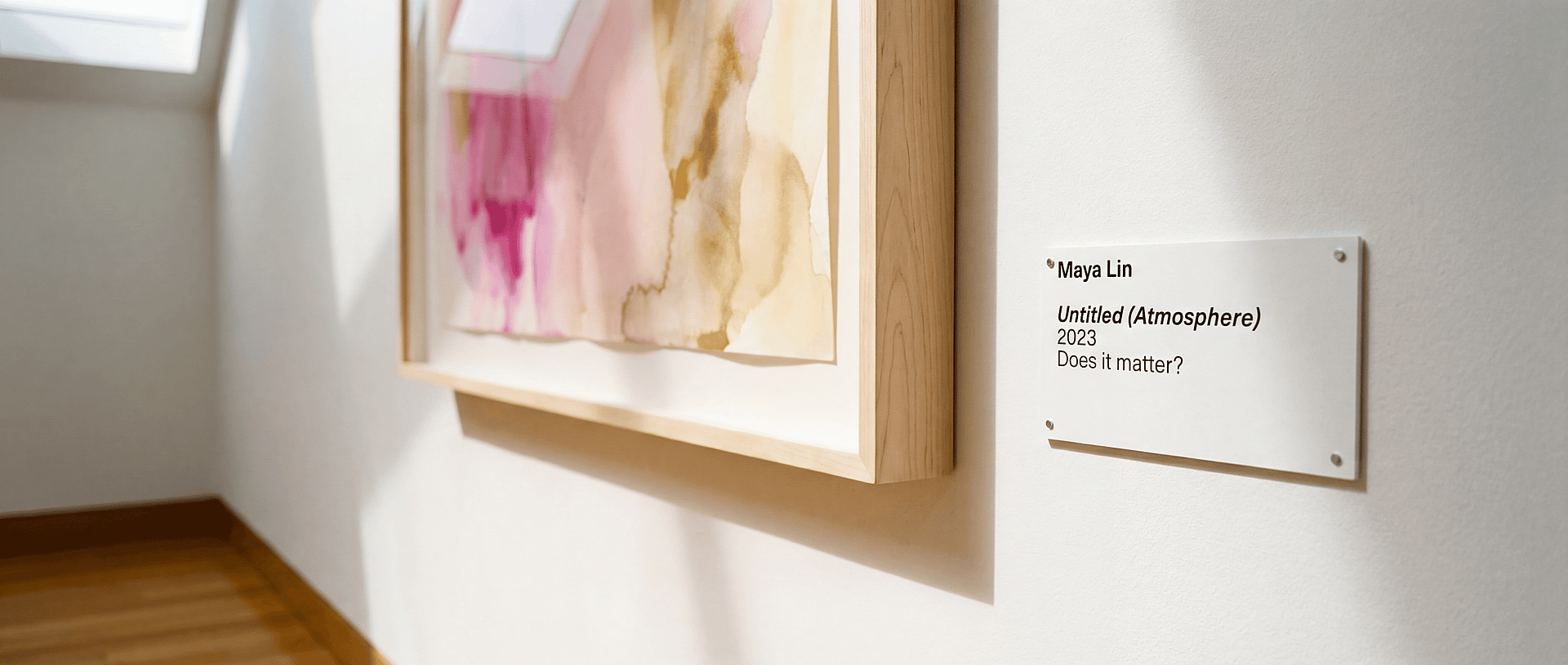
ポジティブなシグナル
We know that it can feel like there's a lot of shade being thrown at creators who use these tools right now, and that it's hard to tell how far we really are from a cultural shift where this kind of work is simply accepted for what it is. But the positive signals are already there. Every generation's technological revolution has its naysayers, but there are also always the Gary Numans and Andy McCluskeys of the world, already jamming out on their synths and pioneering entirely new sounds before the rest of the culture catches up. The same thing is happening right now with GenAI.
ポール・マッカートニーは、数十年前のデモテープからジョン・レノンの声をAIで抽出し、次の楽曲を完成させました:"Now and Then」。ビートルズ最後の楽曲です。誰もこれを「AIの曲」とは呼びません。ビートルズの曲と呼ぶのです。AICはあくまで楽器であり、大切なのは音楽そのものだったからです。
Grimesが築いてきたのは AIを中心とした創作インフラ全体、ファンが彼女のAI生成ボイスで音楽を作れるElf.Techのボイスモデルから クリスティーズで落札されたビジュアルアート。彼女は自分を「AI アーティスト」とは呼びません。音楽、ビジュアルアート、テクノロジーにまたがるビジョンを実現するために、数ある道具のひとつとして AI を使うアーティストなのです。
そして ブルータリスト 2025年にAdrien Brodyの主演男優賞を含む複数のオスカーを受賞しましたが、それはBrodyとFelicity Jonesが方言コーチと数か月かけて習得したハンガリー語なまりをAIで磨き上げた後のことでした。この技術は、あらゆる意味で俳優自身のものだった演技の真正性を保つため、ポストプロダクションで特定の母音や音を仕上げたのです。誰もこれを ブルータリスト 「AI映画」。それは映画であり、AIはその制作過程における小さくて見えない一部分に過ぎませんでした。
OpenArtでの考え方
When we talk about the people who use OpenArt, we don't call them "AI artists." We call them creators, storytellers, filmmakers, founders. When we describe what the platform does, we don't say "AI generates images for you." We say "bring your characters, stories, brands, and worlds to life." That's not a branding exercise. It's a reflection of something we genuinely believe, informed by the same history this piece has been tracing. (In fact, every image in this post was made with generative tools on OpenArt.)
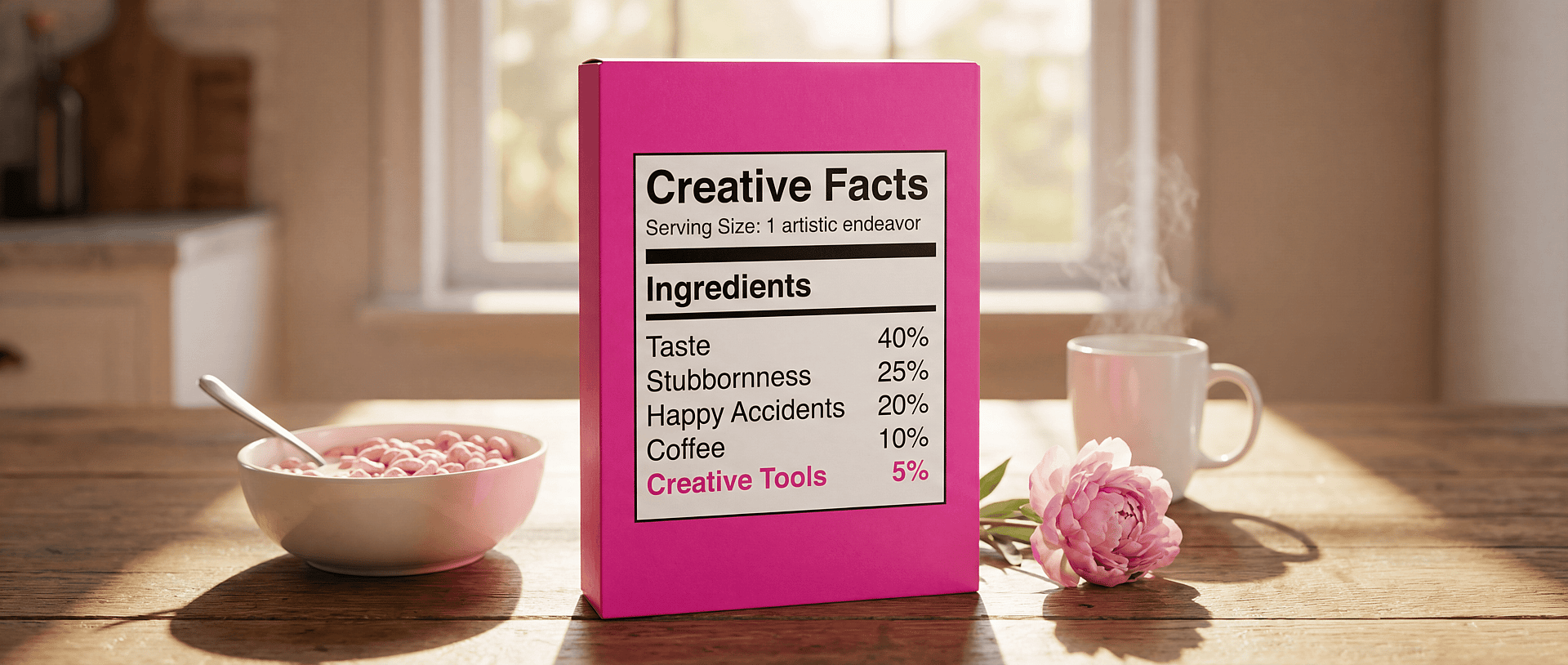
このパターンからわかるのは 1. その不安、よくわかります。 2. それは本質的に人間らしく、そして 3. これもまた過ぎ去るもの。 それは、ツールが常に「人はどうモノを作るか」というより大きな物語に取り込まれていくことを教えてくれます。そして今できる最も有益なことは、じゃまにならず、クリエイターが「何を、なぜ作るのか」に集中できるツールを作ることだと教えてくれます。
人類が新しい何かを生み出しては、それが本物と言えるのかを議論する——そんな瞬間に私たちが何度も立ち会っていることには、本当に美しい何かがあります。ボードレールが写真を否定しようとしてから数百年、ミュージシャン組合がシンセサイザーを禁止しようとしてから数十年経った今も、私たちは新しい創造と共有の方法を発明し続けており、初期段階のどんな抵抗もそれを止めることはできませんでした。