
 ChatGPT
 Perplexity
 Claude
 Gemini
Access to Generative AI creative tools has never been more equal. Anyone with a subscription can generate images that would have required a professional studio two years ago. And anyone with a prompt can produce work that looks, at first glance, like the output of someone with years of craft behind them. The playing field has genuinely leveled, which makes the gap between the creators whose work stands out and the ones whose work disappears into the feed more interesting to study; that gap is no longer about access to tools, but about everything that surrounds how you use them.
いま最も面白い制作をしているクリエイターたちが、共通して実践している10のこと やってはいけないこと.
01 — プロセスを謝らない
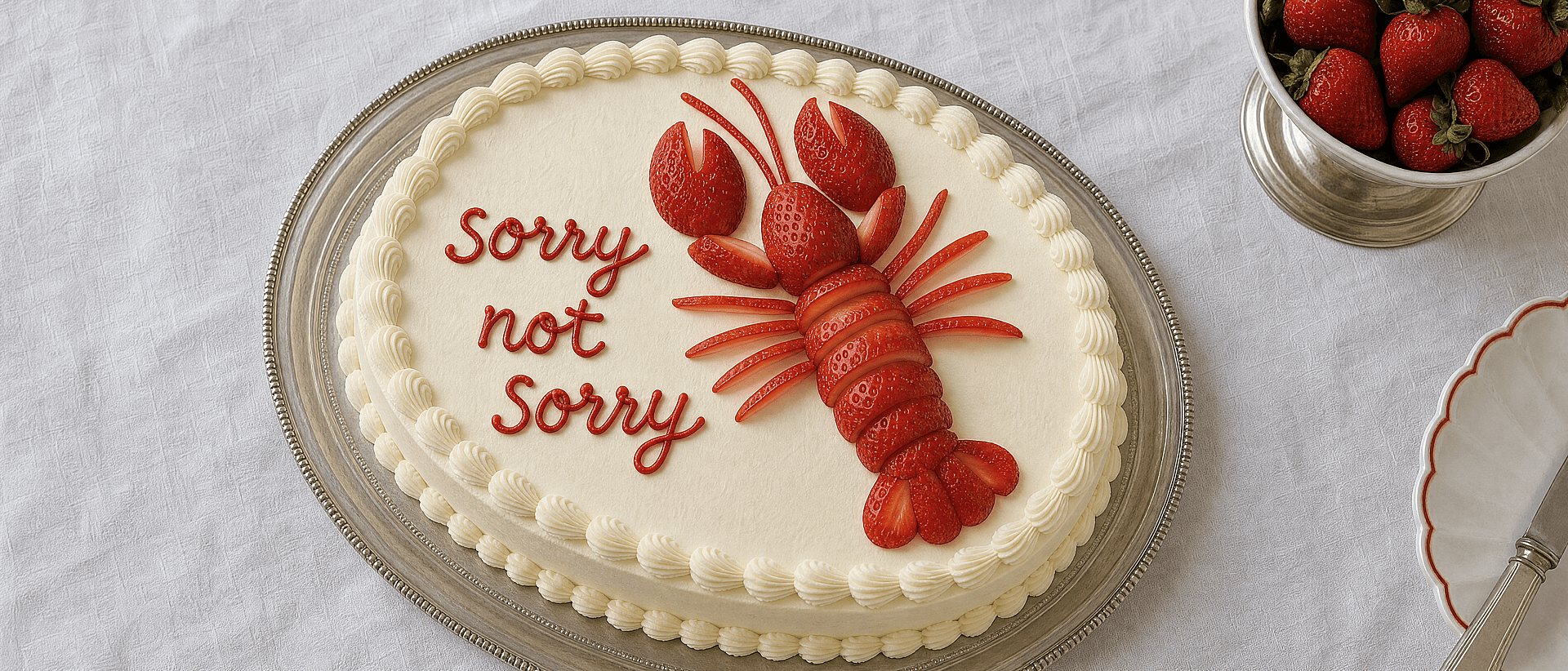 The strongest creators don't preface their work with disclaimers, hedge their captions with "this was made with AI so I know it's not real art," or perform ambivalence about their tools to manage someone else's discomfort. They stand behind the things they create and acknowledge that the process is part of the work, not something to apologize for. Creators who lead with apology are telling their audience how to receive the work before the audience has a chance to experience it, and almost always underselling something they should be proud of.
02 — フォロワー数をクリエイティブの評価と勘違いしない
 Engagement is a metric, not a verdict. The work that travels fastest on social media is often the most legible, the most familiar, the most calibrated to what an algorithm already knows people respond to. That's a different quality than the work that is most interesting, most original, or most distinctly yours. The sharpest creators know the difference, and they don't let their follower count dictate whether their work is good. They have other creative criteria, and those criteria are not dependent on whether a post performed.
03 — 何を作るかをトレンドに決めさせない
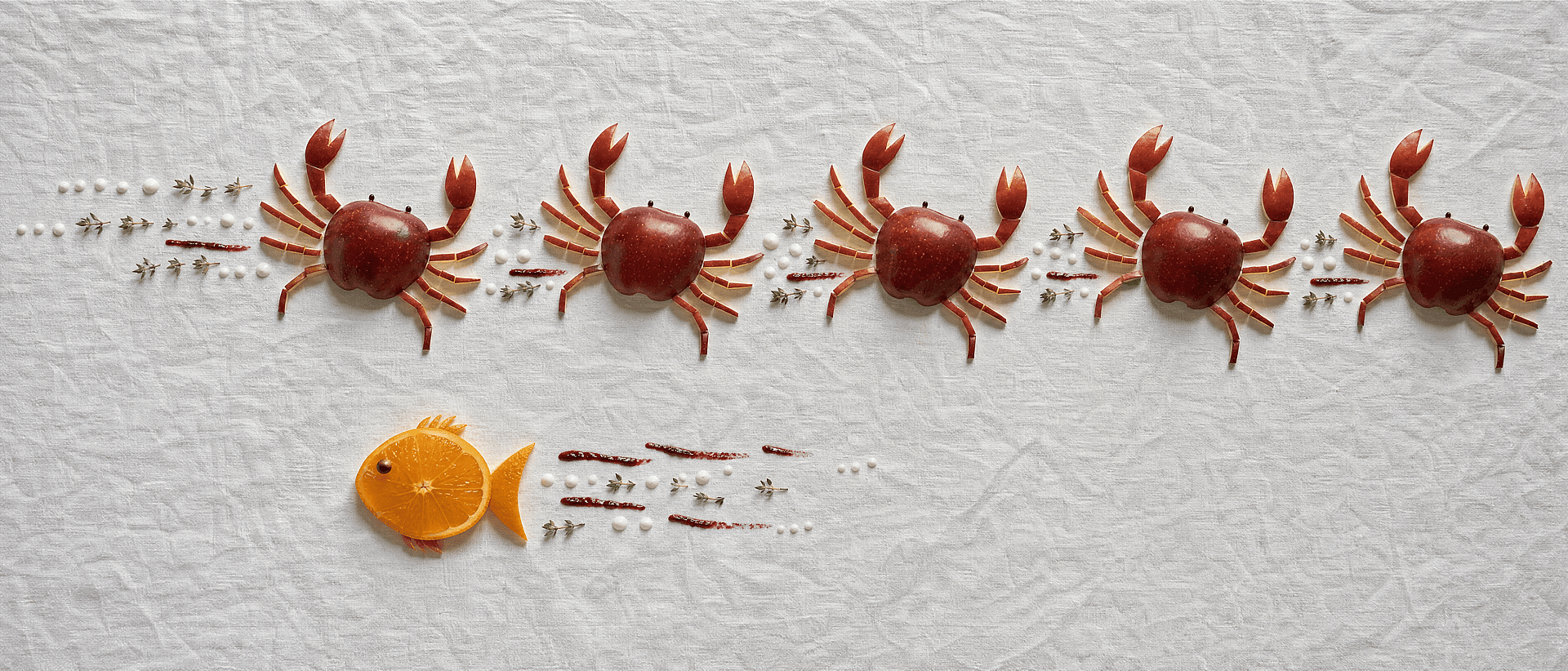 There will always be a trend afoot, a style that's everywhere right now, a prompt formula that is producing results people are responding to, an aesthetic wave that's cresting across the feeds. The best AI creators are aware of these trends but largely unmoved by them, because they make what they were going to make anyway, informed by the landscape but not directed by it. Trend-chasing is the fastest way to produce work that is perfectly calibrated to a moment that's already passing by the time it publishes. Want to participate in a trend? Try putting your own unique spin on it.
04 — 良いツールが使えることと、伝えるべきものがあることを混同しない
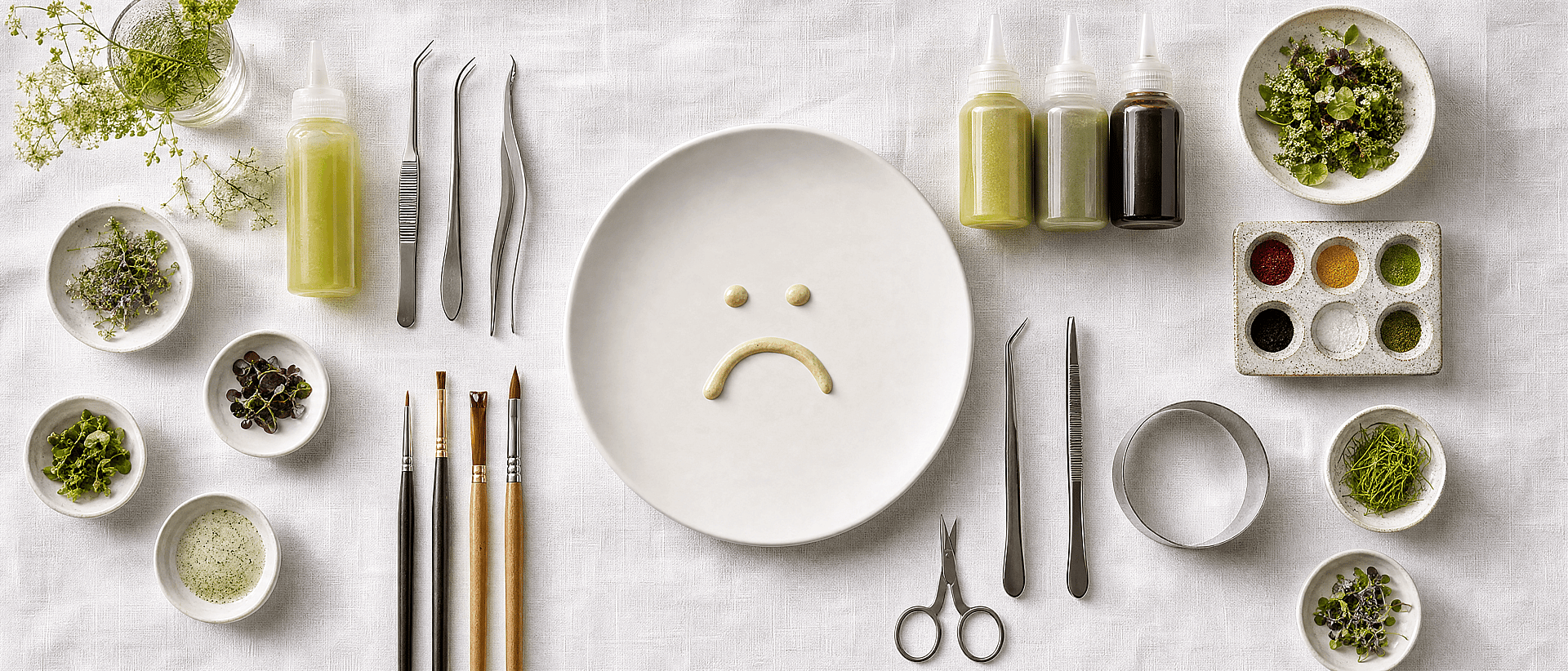 This is perhaps the most important one, and the hardest to sit with. Generating a technically excellent image is not the same as making something worth looking at. The tools can produce extraordinary outputs, but they cannot supply the intention, the perspective, the specific way of seeing that makes a piece of creative work matter to someone. The standout creators right now come to the work with something to say and use the tools to say it, while most others use the tools and cross their fingers that something worth saying comes out the other side.
05 — 編集なしで公開しないこと
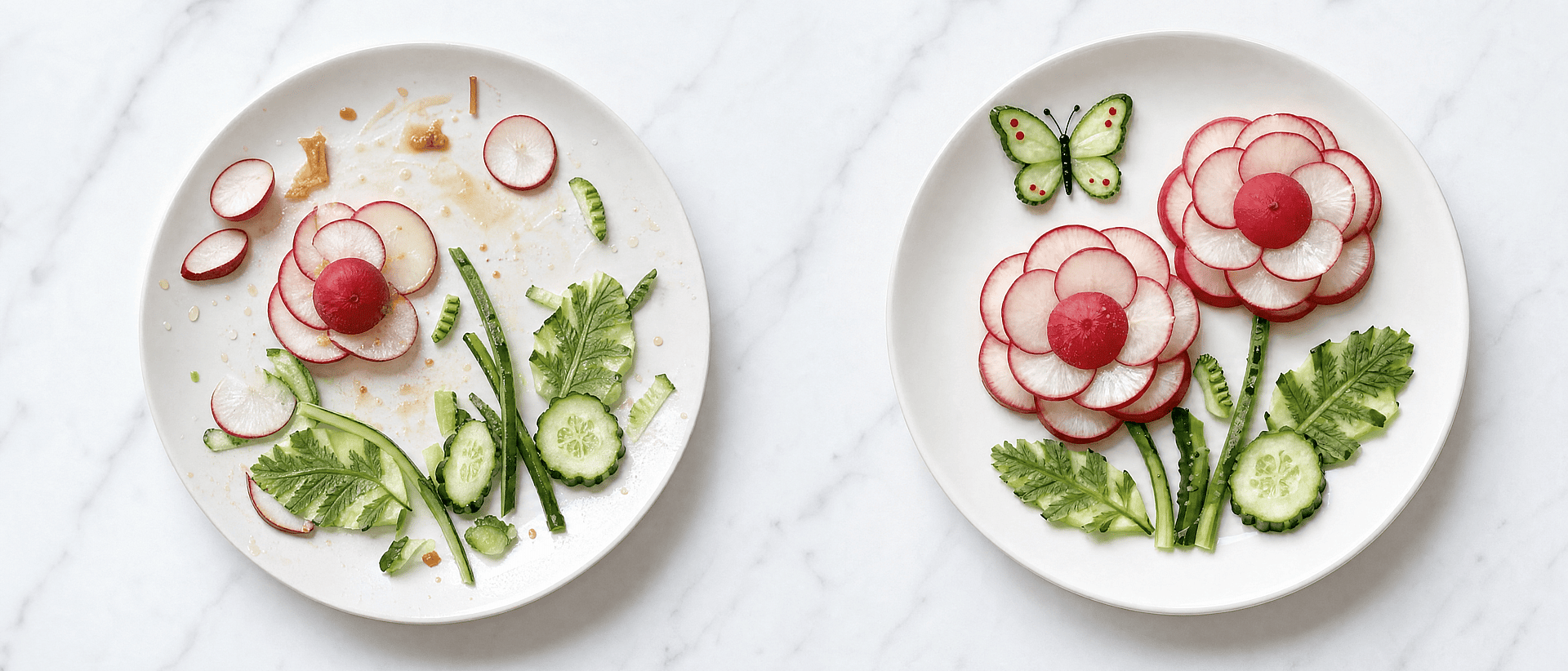 You should think of a singular generation as a first draft. Every piece of work that comes out of a model, however good it looks on first view, benefits from a human layer: a crop, a color grade, a decision about what to emphasize and what to pull back. Treat the output as the beginning of the process, not the end of it. Bring the image into your editing workflow, apply your taste to it, and publish the result of that engagement rather than the raw model output. It's in the edit that the work truly becomes あなたのもの.
06 — 制作と公開を混同しない
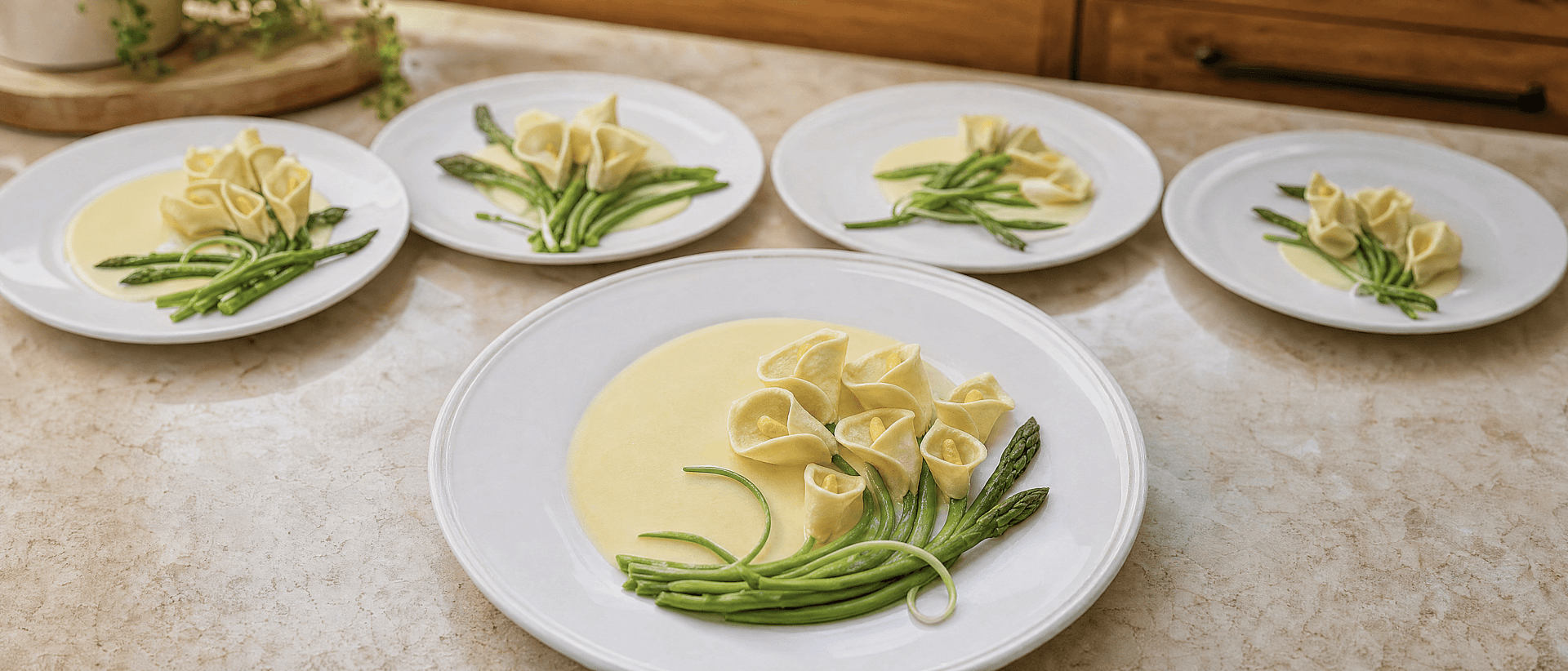 Volume does not equal a portfolio of work. The most compelling creators have an internal rejection rate that most people would find surprising: they generate far more than they ever show, and they're ruthless about what makes the cut. This isn't because most of what they generate is bad, it's because they have a standard that most outputs don't reach, and they protect that standard by not lowering it for the sake of staying active. A feed of occasionally extraordinary work is infinitely more powerful than a feed of consistently decent work, and the best creators know this well.
07 — スタイルと視点を混同しない
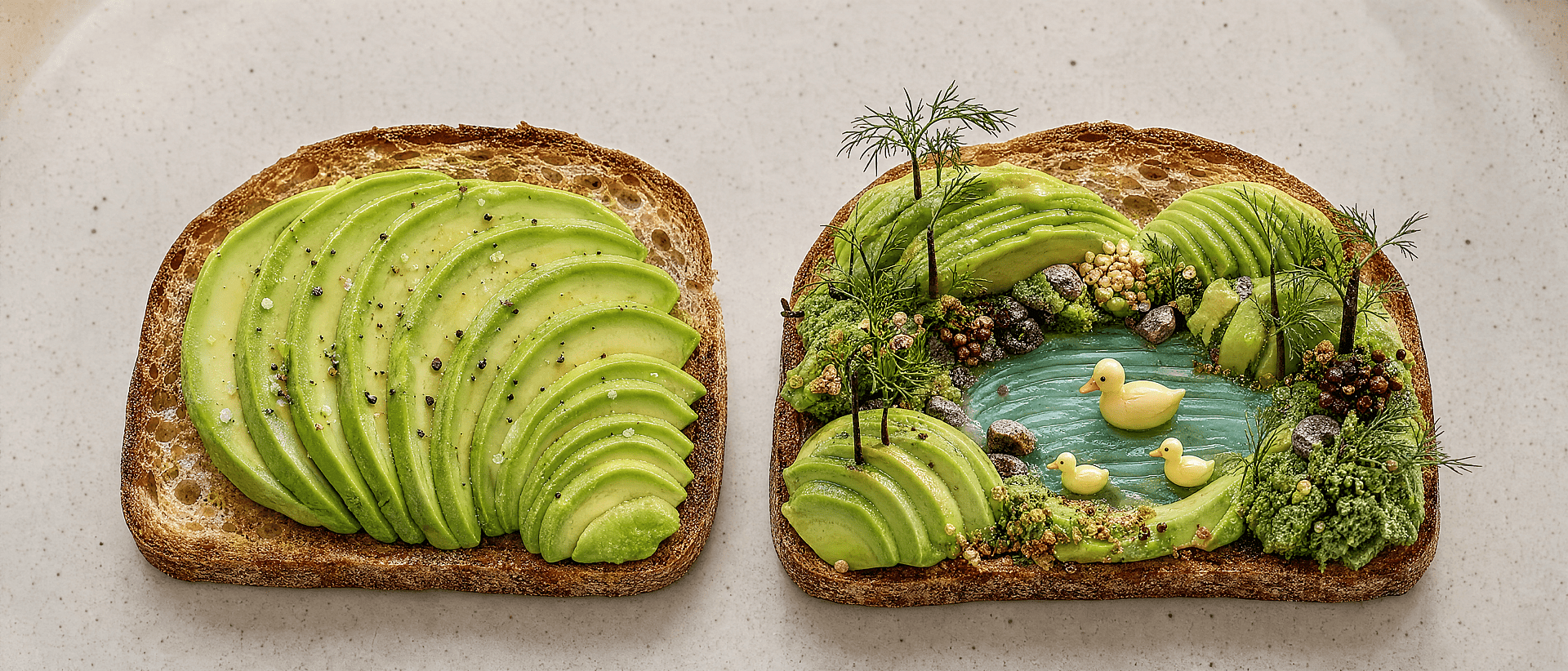 スタイルは美意識、視点は主張です。一貫した美意識があっても、その背後に確かな視点がなければ、作品はどこか空虚に感じられます。名づけにくいけれど、確かに伝わってしまう空虚さです。 優れたAIクリエイターは、単に認識されやすいルックを作るだけでなく、独自のポジションを築いている:世界の見方、大切にしているものの集まり、そして単に作れるという事実を超えて自分の作品が存在する理由。スタイルはあくまで表面的なもので、人を何度も引き戻すのは視点なのだ。
08 — 作品よりプラットフォームを優先して最適化しない
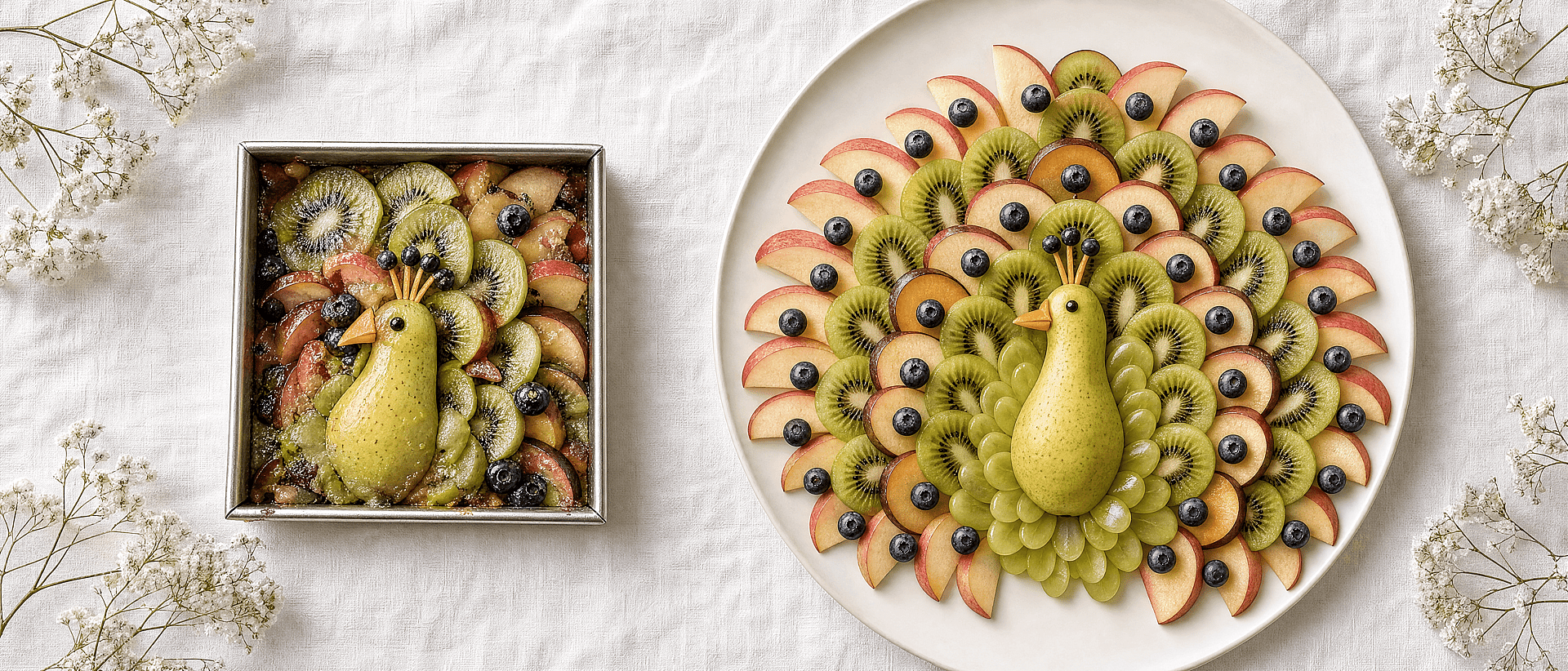 Aspect ratios, posting frequencies, caption lengths, hashtag strategies: all of these things matter, but quite frankly none of them matter as much as whether the work itself is good. The creators worth watching understand distribution without being beholden by it. They know how platforms work and make reasonable accommodations to that knowledge, but they don't let platform logic drive creative decisions. Work made for an algorithm (surprise surprise) tends to feel like it was made for an algorithm. The audiences can almost always tell, even when they can't quite articulate why.
09 — 快適さで好奇心を置き換えてはいけない
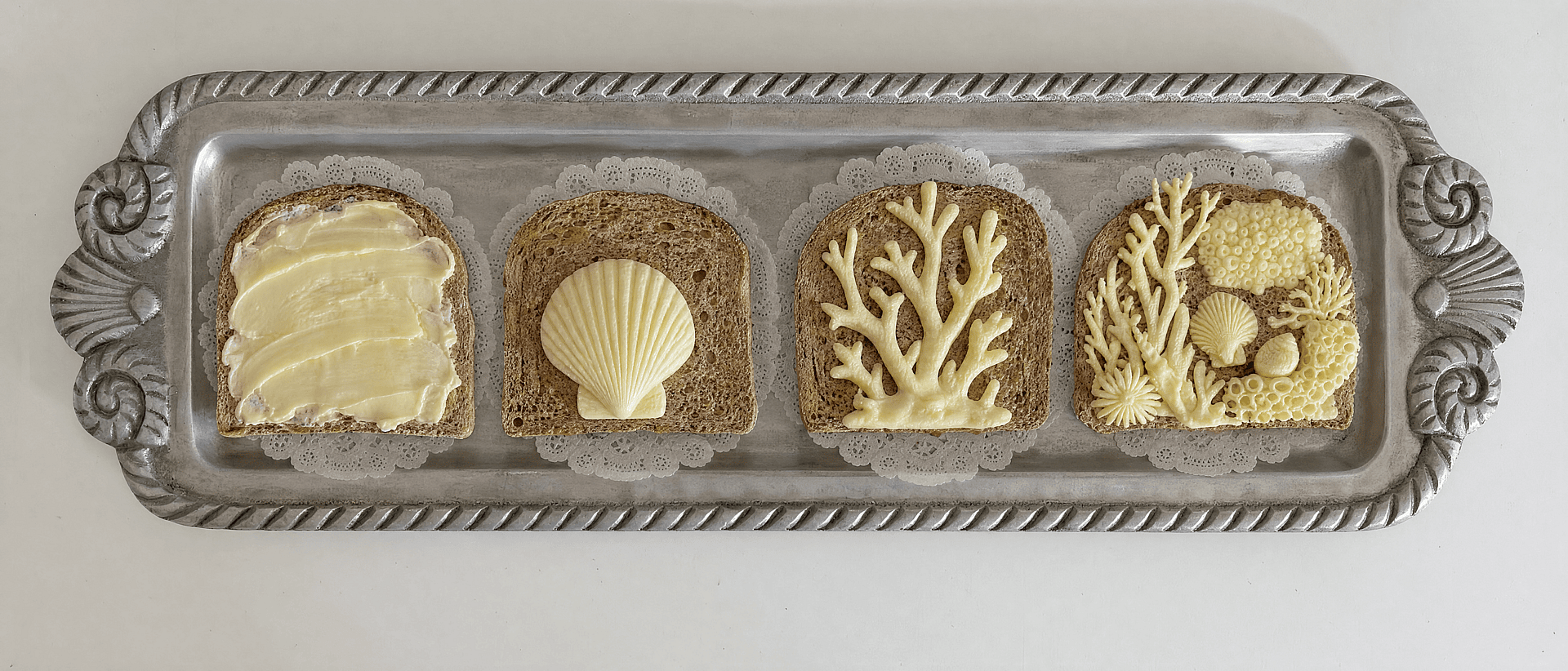 There's a plateau that many Gen AI creators hit when they find a workflow that produces reliably good results. The prompts that work become the prompts they always use, the models that feel comfortable become the only models they open. But the best creators resist this because they know that the plateau can be the beginning of creative stagnation. So they keep experimenting with models they haven't mastered, styles they haven't tried, approaches that feel risky and might not work. The learning is not separate from the practice, rather それは 実践編。
10 — 準備が整うのを待たない
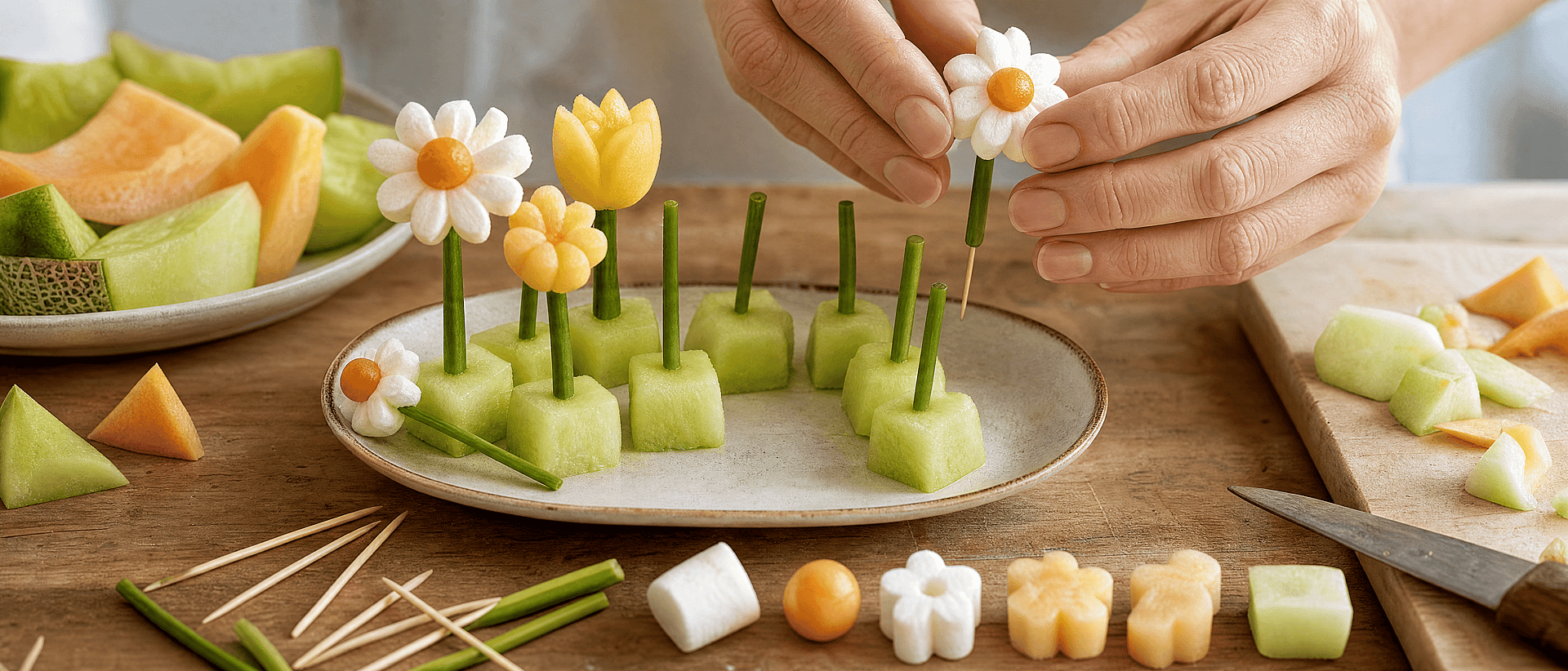 正直に言えば、作品を世に出す準備ができているかどうかは、状態ではなく感覚の問題です。優れたクリエイターは必ずしも他の人より自信があるわけではなく、ただその居心地の悪さと向き合うことに慣れているだけなのです わからない うまくいくかどうか。彼らは準備が整ったと感じる前に作り始めます。準備が整った感覚は、作る準備からではなく、実際に作ることから生まれると分かっているからです。作業そのものが必要なことを教えてくれ、学ぶ唯一の方法はどこかから始めることなのです。
お気づきのように、ここで挙げたどれも「どのモデルを使うか」や「より良い prompt の書き方」の話ではありません。大切なのは、あなたが作品に向き合う姿勢です。それは、何を作り、何を残し、何を公開し、最終的に何を自分の名で世に出すか——そうした選択を通じて、時間をかけて意識的に築いていくものです。
いま私たちの手元にあるツールは実に驚異的で(しかもさらに進化し続けています!)、それでも視点まで与えてはくれません。その部分は昔から、ずっとあなた自身のものです。