
 ChatGPT
 Perplexity
 Claude
 Gemini
もう誰も完璧な画像を信じません。ここしばらく、新しい画像・動画モデルの売り文句はどれも同じでした。よりシャープに、よりクリーンに、より写実的に、破綻を減らす。解像度は上がり続け、顔は以前より多くのシーンで一貫性を保ち、ライティングは2年前にはなかった正確さを見せています。そして、その進歩の只中で、奇妙なことが起きました。技術的な完璧さが、もはや自慢のタネではなくなったのです。
写真家たちは、生成モデルが登場する前にまさにこの緊張感に直面しており、彼らが進んだ方向こそ、画像・動画生成が向かう先を最もはっきりと示すものです。FstoppersのAlex Cookeは 変化を追う among working photographers away from flawless retouching and toward images that keep their rough edges, things like a missed focus point, an unretouched tear, a hand slightly blurred mid-motion. His argument is that AI didn't just get good at photography, it got good at the specific kind of photography that used to signal skill. Once software can smooth skin, fix a horizon, and match color across a hundred images in the time it takes to make coffee, flawless execution stops signaling that a professional made something and starts signaling that it might have been generated instead. Cooke's point isn't that photographers should get sloppy; it's that the thing a viewer used to read as competence now reads as 怪しいかつてミスと見なされていたものが、今では次のように受け取られるようになりました: 証明 まるでその場に本当にいたかのように。
これに近いことが、AI画像生成そのものの中でも一段上のレベルで起きています。モデルが顔やシーンの客観的に正しいバージョンを描くのが上手くなるほど、逆に何の特徴もない見た目にもなっていくのです。それが、人々が一目で「AIスロップ」と呼ぶようになった、あの独特でつるっとした、対称すぎる質感です。SCADの美容・フレグランスビジネスプログラム学科長のDominica Bairdは、 指摘されました 写真が発明されたとき、画家たちはしばらくの間カメラを超えるリアリズムを追い求めましたが、やがてその戦いを諦めました。彼らは代わりに抽象、象徴、表現へと向かいました。つまりカメラにはできないすべてのことへと。今起きているのもほぼ同じ変化で、はしごを一段上ったところにあります。AIが「技術的に正しいもの」を吸収するにつれ、クラフトは特定的で、意図的に選ばれ、少し不完全な、あなたが指示しない限りモデルが自ら生成しないものへと移っていくのです。
見た目の裏で実際に起きているのは、何かがどう見えるかよりも、それが何を証明しているかということです。少しずれたクロップ、粒子感、半秒だけ長く続く間——こうした画像は、誰かが判断を下した結果として読み取れます。一度直し、また直し、なめらかにするのではなく残すという選択をしている。スロップがスロップに感じられるのは、醜いからではありません。技術的に完璧なスロップも山ほどあります。 それが「slop(安っぽい量産物)」に見えるのは、次のような出力として読み取れるからです ワンクリックは、どれだけ丁寧にプロンプトを書いたとしても、たった一度の生成です。 その不完全さこそが、アイデアと目の前のものとの間に複数の判断があったことを見る人に伝えます。そして、単なる一発の生成と作り込まれた生成との間にあるこの差こそが、作品の本当の違いなのです 獲得します 誰かの数秒の注目を集める作品と、そうでない作品。
同じ仕組みは動画でも見え始めています。画像がすでに到達した地点から、ほんの少し遅れているだけです。写真や画像生成が先にこの流れを通り抜け、動画はまだ足場を固めている段階ですが、追い上げは速く、今年はモーションデザインの記事でも同じ言葉が使われるようになっています。 Envato自身の2026年トレンドレポートは「不完全さによる本物らしさ」を挙げています を、いま動画で起きている決定的な変化のひとつとして挙げています。ジンバルのように滑らかな動きではなく手持ちのカメラの揺れ、切り落とさずに残された生のカット、そのまま残された自然な間や環境音、「リグなし、セットアップなし」で撮られたウェアラブルPOV映像。その理由についてEnvatoの見解はストレートです。「不完全さそのものが美学になった。それは信頼、親近感、そして本物らしさを示すのだ」
AI動画ツールを開発する企業自身も、内側から同じ解決策にたどり着いています。 invideoのクリエイティブディレクター、Hridayeが自身のプロセスを語りました 生成したクリップが実写フィルムに近く見えるまで、少しのブラーとグレインのパスを重ねていくといった具合で、その理屈は写真についてのCookeの主張とほぼ正確に重なります。invideo自身の説明によれば、AIのフレームには「センサーノイズも、化学的構造も、有機的な不完全さもない」のであり、その欠如こそが「なぜかを言葉にできる前に『偽物』だと感じさせるもの」なのです。
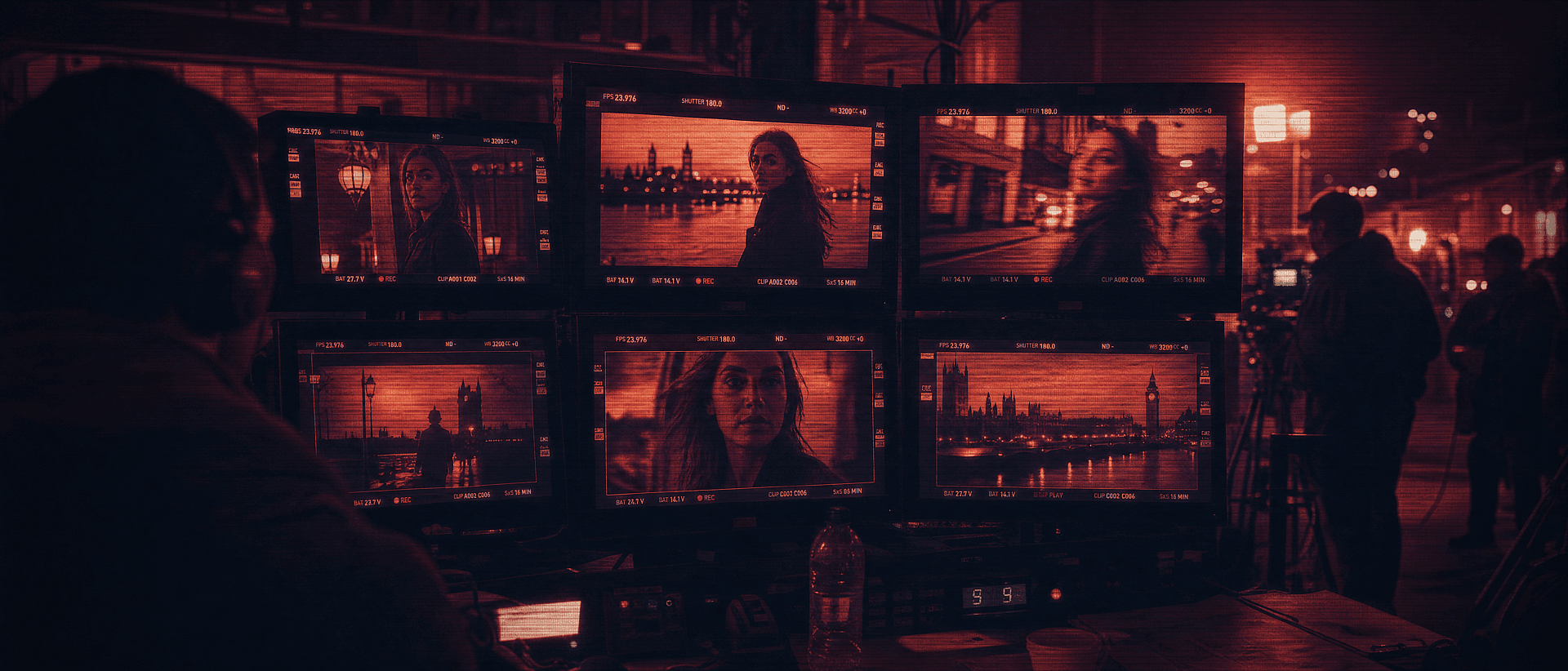
とはいえ、これはチェックボックス的に機能するものではなく、このアイデアが破綻するポイントについては正直に語る価値があります。コミュニケーション戦略家のShaunta Garthは 反対の主張を展開した 意図的に不完全さを作り出すブランドについて:粗さが公式になり、トレンドレポートが言うから適用されるようになった瞬間、それは決断の証ではなく、単なる別のプリセットに変わってしまいます。それは、置き換えたはずの滑らかさと同じくらい空虚なのです。手つかずの初回生成物にグレインオーバーレイを一枚重ねただけのものは、依然として1ステップの出力に過ぎず、ただ違うフィルターをまとっているだけです。なぜなら、その不完全さ自体が なし 本当の要点。その裏にある試行錯誤こそが要点でした。
Which is the actual craft lesson, for images and video both: the goal isn't imperfection for its own sake, it's a body of decisions a model wouldn't have made on its own. Describe the conditions of capture instead of the result, not "a beautiful portrait" but the specific lens, the specific light, the specific flaw you want in the frame, and do the same with motion: not "cinematic camera movement" but the sway of a hand actually holding something, the pause before someone speaks, the cut that runs a beat long because that's how it happened. Push past the first clean output. The second or third pass, where you start pulling the piece away from its most polished default, is usually where the real decisions live, and that's true whether you're working in GPT Image 2 and Nano Banana Pro or Kling 3.0 and Seedance 2.0.
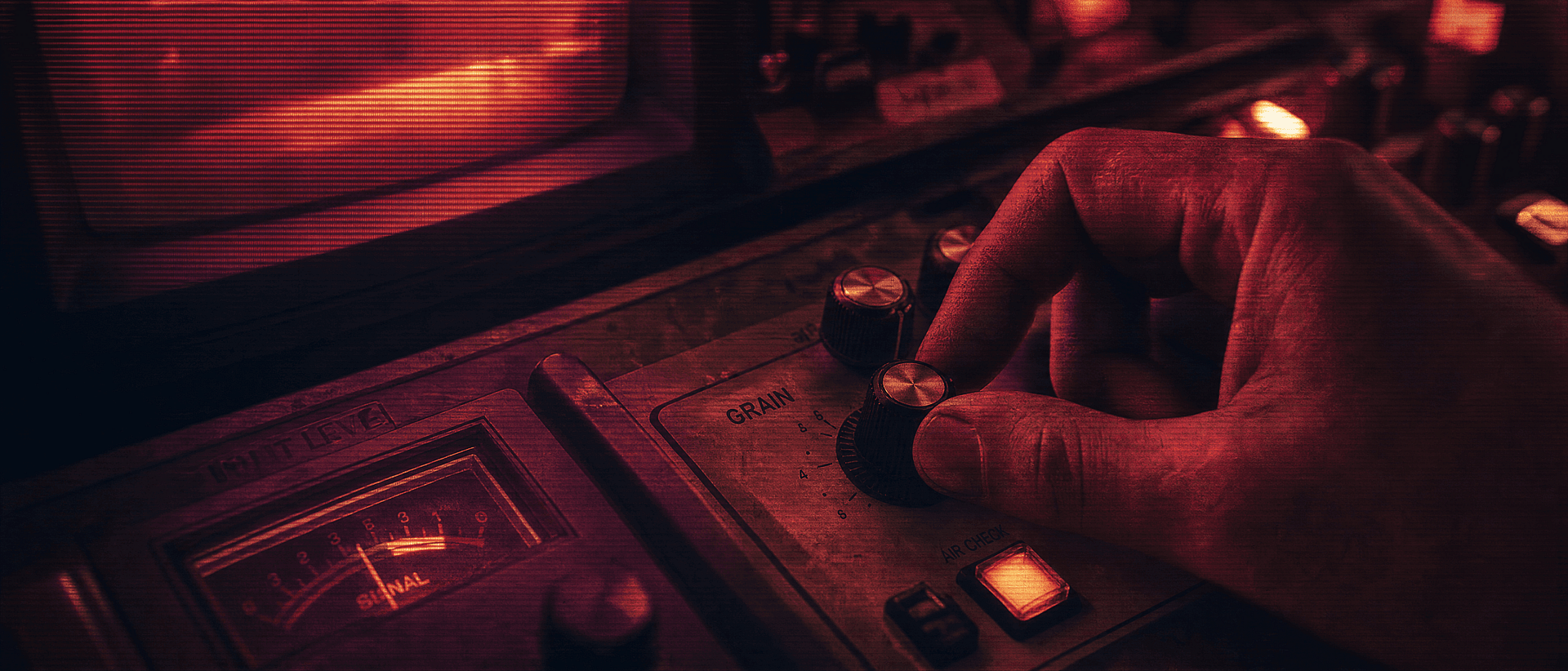
これはAI作品がどう見えるべきかというルールではありません。多くの作品はクリーンで明るく、精緻であるべきで、それも立派な選択です。ただし同じやり方で選ばれている限り、つまり一発目ではなく、何度か試した末に意図して選ばれている限りは。クリーンが間違いだと言いたいわけではありません。クリーンはもはや何かの証にはならない、ということです。モデルはあなたが何もしなくてもクリーンなものを差し出せるのですから。今なお必要とされる選択とは あなた、つまり1回の生成では出てこず、戻って粘り強く追い込まなければ得られない要素こそが、作品を「誰かの作品」らしく見せ始め、観客がこれを 一見の価値あり.