
 ChatGPT
 Perplexity
 Claude
 Gemini
Ahora mismo circula un consejo en las comunidades de creadores de IA que dice algo así: una imagen que es un noventa por ciento tan buena como la perfecta, producida en treinta segundos, es más valiosa que el resultado perfecto que tarda quince minutos. La lógica es económica: la velocidad es apalancamiento y el volumen es visibilidad. Según esa lógica, en un mundo donde todos tienen acceso a las mismas herramientas, gana el creador que más publica.
Es un argumento bastante convincente si crees que el objetivo del trabajo creativo es maximizar la producción. Pero la mayoría de los creadores interesantes y rompedores de hoy no estarían de acuerdo con esa lógica, y su trabajo lo demuestra.
The AI image generation landscape in 2026 has reached what the industry keeps calling an "inflection point," where the gap between AI-generated imagery and professional photography or illustration has narrowed dramatically. The models are extraordinary, the speed is incredible, and access is genuinely democratic in a way that creative tools have never been before. All of this is worth celebrating, but the problem now is more the culture that has grown around it: the belief that because generating is fast, generating a lot is la estrategia, y que el creador que itera más rápido gana la economía de la atención por pura cantidad.
La degradación de los feeds creativos es el resultado predecible de esa creencia aplicada a millones de usuarios. Cuando todo el mundo tiene el mismo acceso a las mismas herramientas y el incentivo es la velocidad, los resultados convergen. Se parecen porque se produjeron de la misma forma: rápido, en volumen, optimizados para la cantidad y no para la especificidad. El feed se llena, el scroll se acelera y la imagen individual se vuelve cada día menos legible, no porque las herramientas empeoraran, sino porque lo hizo el enfoque.
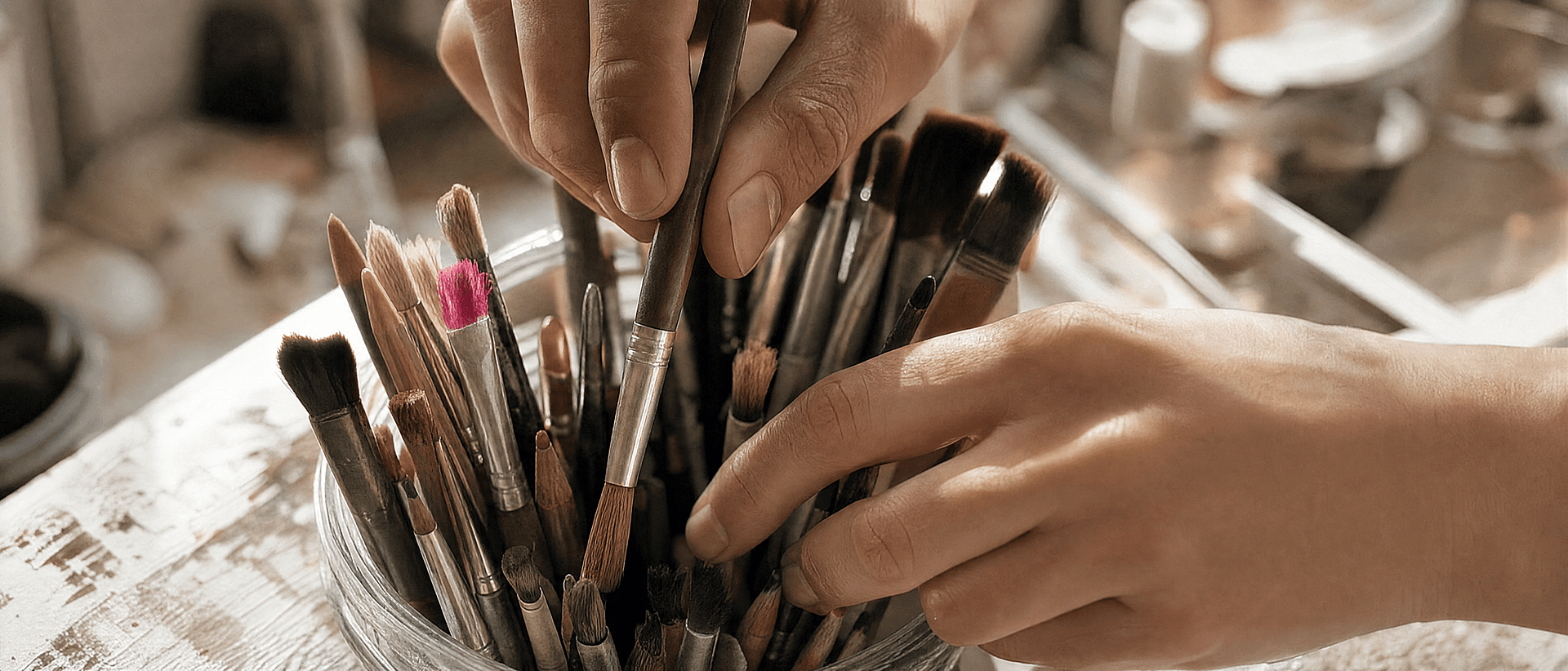
La reacción no es tecnológica, porque ningún modelo nuevo, por impresionante que sea, puede resolver un problema que trata fundamentalmente sobre la intención creativa. La reacción es frenar de forma deliberada: la decisión de generar menos y seleccionar más, de invertir el tiempo que ahorra la velocidad no en generar más, sino en pensar con más claridad qué es lo que realmente quieres crear.
No hay que confundir esto con una nostalgia obstinada por herramientas más lentas y analógicas. La velocidad es un regalo genuino, y sería absurdo rechazarla it. Lo que la velocidad hace posible, si la usas bien, no es más volumen sino más profundidad de iteración. Ahora puedes generar veinte variaciones de una idea en el tiempo que antes te llevaba producir una, lo que significa que puedes hacerte preguntas más difíciles sobre qué variación es realmente la correcta y por qué. La ventaja de rendimiento solo es valiosa si la inviertes en discernimiento en lugar de en publicar, y ahora mismo la mayoría de la gente la invierte en publicar.
Los creadores cuyo trabajo destaca en este entorno comparten unas cuantas cualidades observables:
Generan en cantidad en privado y publican de forma selectiva. Tienen un punto de vista anterior al prompt, un motivo para crear la imagen concreta que están haciendo en lugar de una imagen genérica. Editan después de generar, tratando el resultado del modelo como un punto de partida y no como el producto final. Y construyen cuerpos de trabajo en vez de flujos de contenido, lo que significa que cada pieza responde a todo lo que la rodea en lugar de existir aislada como una única unidad de interacción.
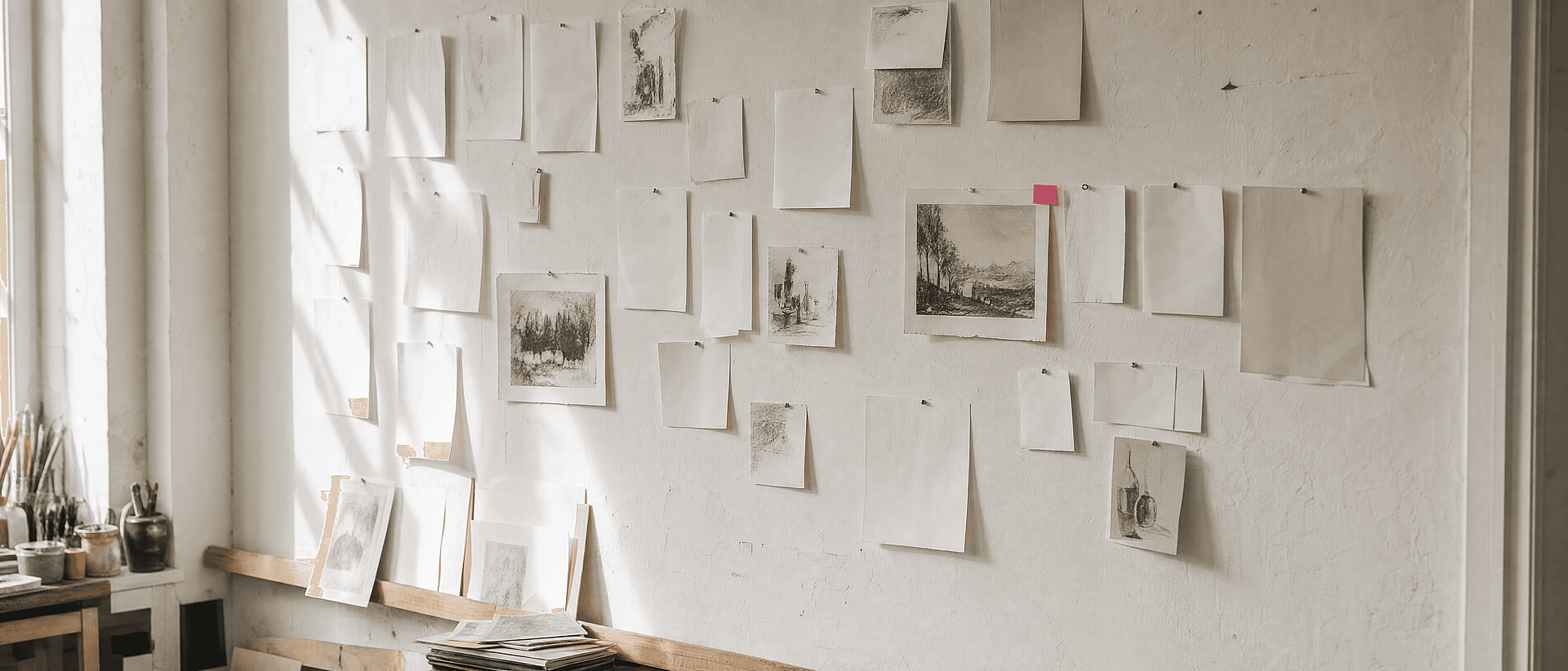
Nada de esto es nueva sabiduría creativa, sinceramente. Es la misma disciplina que siempre ha separado el trabajo que merece la pena mirar del que simplemente existe. Lo que sí es nuevo es lo contracultural que resulta en 2026, y lo visible que se ha vuelto la brecha entre los creadores que la aplican y los que no.
La rotación continuará y los feeds seguirán llenándose de imágenes técnicamente logradas y estéticamente intercambiables. Lo que cada creador puede cambiar es su propia relación con todo esto: si participa en la carrera o construye algo que seguirá importando cuando la carrera avance.
OpenArt está pensado para este segundo tipo de creación. Varios modelos en un mismo espacio de trabajo, herramientas de imágenes de referencia y un lienzo diseñado para el refinamiento iterativo en lugar de la generación industrial. Las herramientas son rápidas porque la rapidez es útil. Lo importante es lo que haces con el tiempo que ahorras.