

 ChatGPT
 Perplexity
 Claude
 Gemini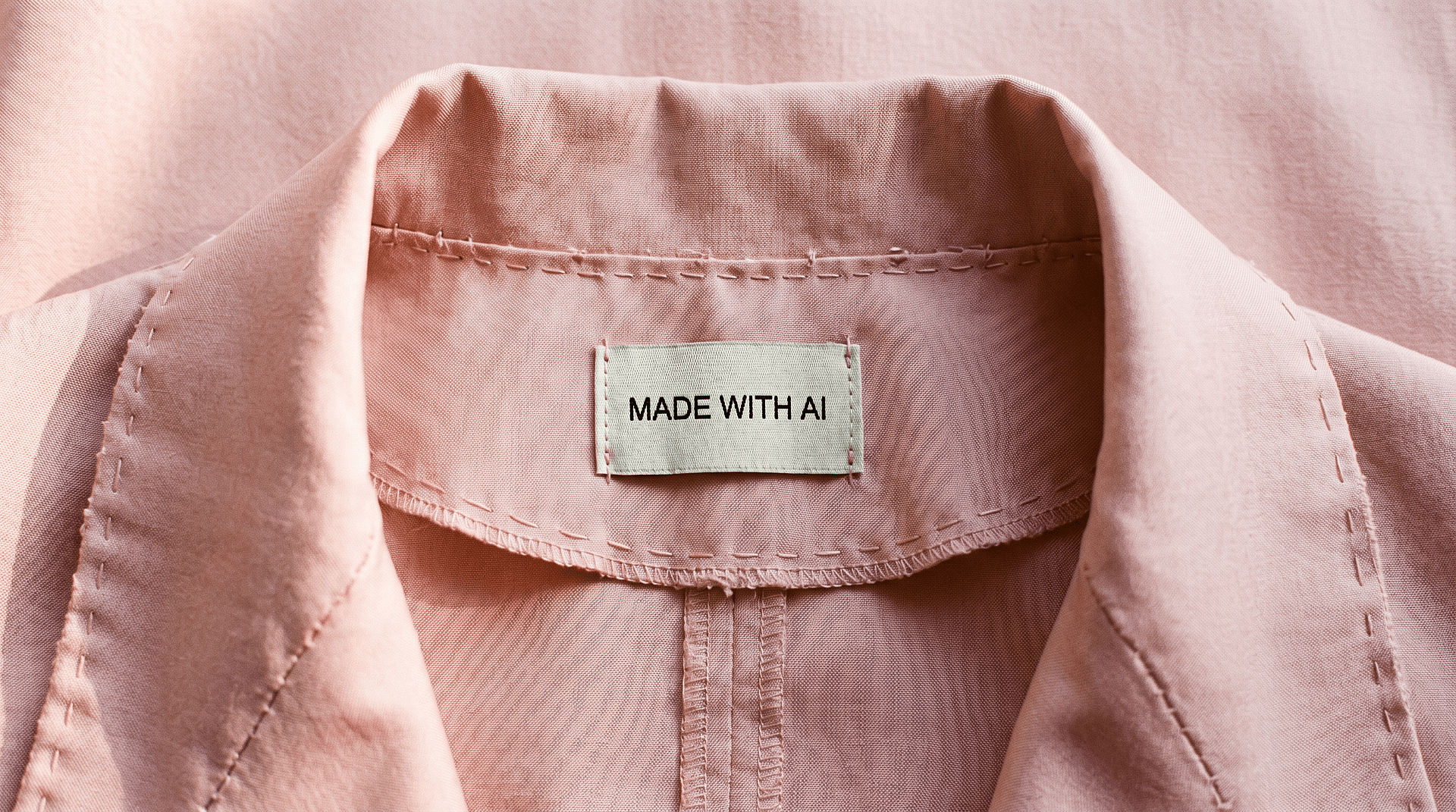
Somewhere between posting your work and checking back on it later, a small "Made with AI" label appeared underneath it, and you didn't put it there. The platform did, automatically, because your file carried metadata that identified it as AI-generated. Or maybe you saw a toggle during upload that said something about AI disclosure and clicked past it without totally understanding what it was asking. Either way, the question of whether to label your AI content is one nobody has a clean answer to yet.
Así que esto es lo que pasa en realidad, plataforma por plataforma, y luego unas reflexiones sobre lo que las plataformas no pueden decidir por ti.
Lo que realmente exigen las plataformas
Every major platform has built its disclosure rules around one core concern: realistic content that could mislead someone into thinking something happened that didn't. A synthetic video of a public figure saying something they never said. A fabricated news event. A face-swapped video of a real person. That is what the platforms are worried about, and it is meaningfully different from, say, an AI-generated product mockup you posted to your brand's Instagram, or an illustrated digital artwork you made for a client campaign.
Instagram y Facebook
El sistema de Meta funciona en dos vías simultáneas. La primera es un interruptor de autodeclaración en el flujo de subida, donde puedes marcar de forma proactiva el contenido como generado por IA antes de publicarlo. La segunda es la detección automática: Meta lee los metadatos de procedencia C2PA incrustados en los archivos de las principales herramientas de IA, y cuando esos metadatos están presentes, aparece una etiqueta de "Info de IA" en la publicación, hayas activado algo o no. La política se centra en el contenido fotorrealista, las imágenes manipuladas de personas reales y el audio sintético. El trabajo de IA claramente estilizado o ilustrativo se sitúa en otro terreno. Dicho esto, creadores que repetidamente no se autodeclaran cuando la plataforma detecta el uso de IA puede toparse con restricciones, así que adelantarse es más inteligente que ir a remolque.
TikTok
TikTok te obliga a activar una etiqueta de IA for content that is completely generated or significantly edited by AI, but it is specific about what that means. The label is required when a real person is shown saying something they didn't say, doing something they didn't do, or when their appearance is so substantially altered that they're no longer recognizable. The platform explicitly says you do not need the label for minor corrections, enhancements, or using AI as a writing or editing assistant. An AI-generated visual used as a backdrop or thumbnail is not the same thing as a synthetic video of a real person. The label, when applied, does not affect how the content is distributed.
YouTube
YouTube empezó a aplicar su política de divulgación de IA a principios de 2025. El interruptor está en YouTube Studio, dentro de «Contenido alterado o sintético», y se aplica a vídeos, Shorts y retransmisiones en directo que representan eventos, lugares o personas reales de forma que puedan inducir a error. Las voces sintéticas que suenan como personas reales, el metraje fabricado con estilo de noticias y los visuales manipulados de personas diciendo o haciendo cosas que nunca ocurrieron requieren la etiqueta. El contenido creativo que claramente no pretende confundirse con la realidad no la necesita.
El hilo conductor en las tres plataformas es el mismo: buscan combatir la desinformación, no la expresión creativa. Si tu trabajo es claramente creativo y no engañoso, por lo general no entras en el terreno de la divulgación obligatoria.
La situación con los metadatos
Esto es lo que pilla desprevenidos a muchos creadores: muchas herramientas de IA ahora incrustan metadatos de procedencia directamente en los archivos que generan, siguiendo un estándar técnico llamado C2PA. Es básicamente un registro de cómo se creó el archivo, grabado de forma invisible en la propia imagen. Cuando subes ese archivo a Instagram o a otra plataforma que lee datos C2PA, la plataforma puede aplicar una etiqueta de IA basándose en el propio registro del archivo, antes de que tengas la oportunidad de decidir nada.
Esto no es necesariamente una trampa ni las plataformas actuando con astucia; es simplemente la dirección hacia la que parece moverse todo el ecosistema de contenido: hacia archivos que llevan su propia historia de origen. La conclusión práctica es que revelarlo de forma proactiva es la jugada más inteligente, ya que te da el control de la narrativa en lugar de dejarla en manos de una etiqueta automática.
La parte que de verdad te toca resolver a ti
Cumplir la política de la plataforma es lo mínimo. Lo que digas sobre tu trabajo más allá de ese mínimo es otra cuestión, y mucho más interesante.
Informe State of AI in Creative Work 2026 de Envato found that 58% of creative professionals have used AI in client work without disclosing it, with nearly half saying they didn't feel obligated to list every tool in their process. That's a reasonable position, and honestly not a surprising one. Creatives don't typically disclose every tool in their process, whether that's a Lightroom preset, a stock subscription, or the plugin that cleaned up their audio. The question is whether the people on the other side of your work would feel differently about AI, and the honest answer is: sometimes yes, sometimes no, depending entirely on context and relationship.
Para los creadores que construyen una audiencia en torno a su trabajo visual, la transparencia sobre el uso de IA se ha convertido en una estrategia de contenido atractiva por sí sola, porque las decisiones creativas que tomas al dirigir y editar los resultados de la IA resultan genuinamente interesantes para la gente. Muchos creadores han descubierto que hablar abiertamente de cómo trabajan crea una audiencia más comprometida que mantenerse en la ambigüedad, y que quienes se molestan por el uso de IA nunca fueron realmente su audiencia.
En el trabajo con clientes, el cálculo puede ser algo distinto. A la mayoría de los clientes solo les importa el resultado, pero un cliente que descubre después que se usó IA y siente que se le ocultó supone una conversación mucho más difícil que la que ocurre de forma natural y temprana. Cuando haya alguna duda sobre si alguien querría saberlo, quizá conviene dar por hecho que sí.
There's one part of this conversation that doesn't have to be so grey, and that's the IP side. Disclosure is about what you tell people, but copyright is about what you actually own and what rights you might be stepping on. Those are separate questions, and the second one has clearer answers right now. OpenArt's Comprobación de seguridad de PI se creó en colaboración con Copysight precisamente porque creemos que los creadores deberían poder crear y compartir su trabajo con confianza, no solo esperando que salga bien. Antes de preocuparte por cómo etiquetar algo, conviene saber que el trabajo en sí está sobre una base sólida.
Es probable que las políticas de las plataformas sigan endureciéndose, y los requisitos de etiquetado de la Ley de IA de la UE, que entran en plena vigencia en agosto de 2026 es solo un ejemplo de hacia dónde van las cosas. Más transparencia, no menos.
Pero más allá del cumplimiento, los creadores que se mueven bien en esta era son los que tienen un punto de vista real sobre su trabajo y cómo lo hicieron. La etiqueta es pequeña, pero lo que decides decir sobre ella no lo es.