

 ChatGPT
 Perplexity
 Claude
 Gemini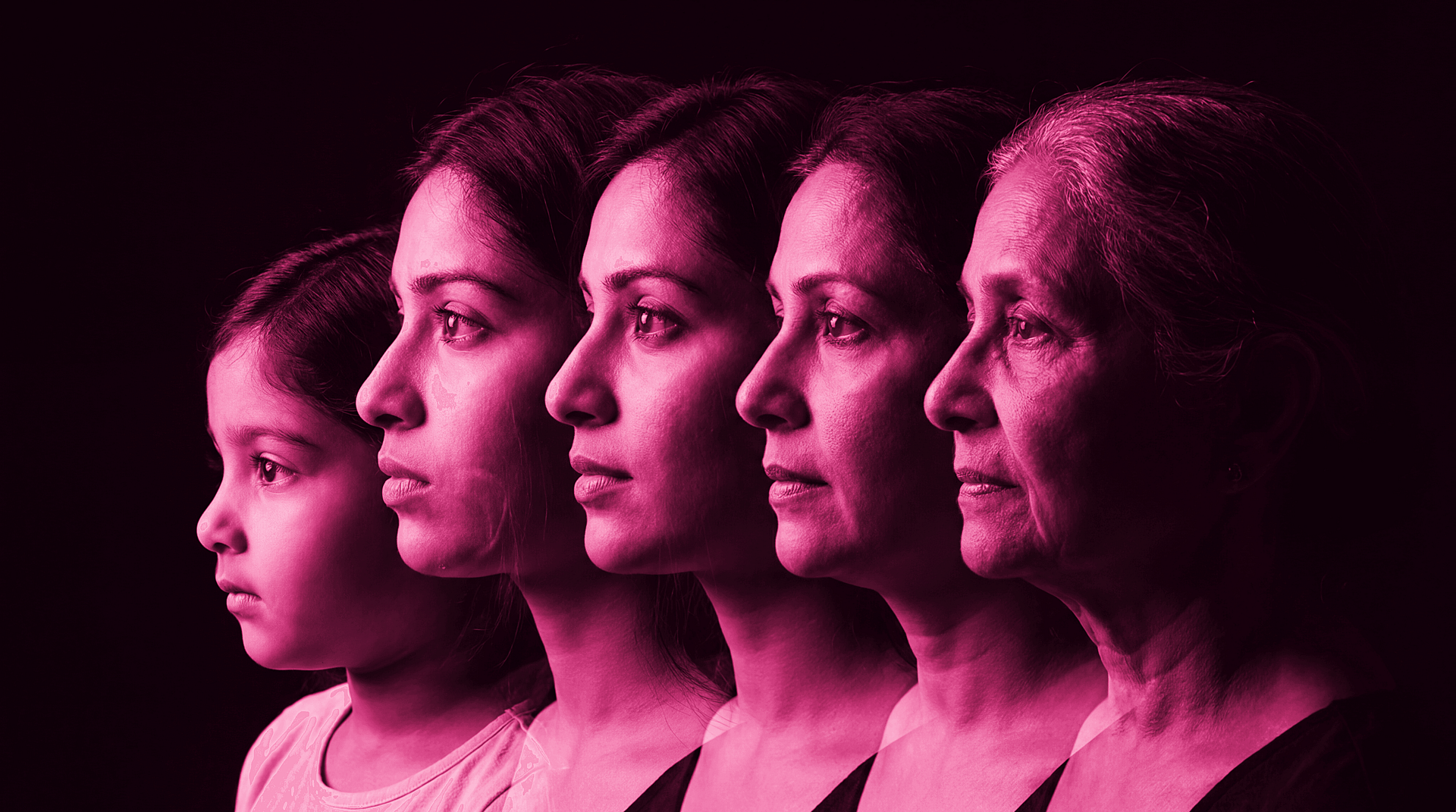
Tu relación con la creatividad de la IA no empezó el día que abriste tu primer generador de imágenes. Empezó en el momento en que entendiste por primera vez que las herramientas podían crear cosas, y para quién eran esas herramientas. Ese entendimiento lo moldeó el mundo en el que creciste: la tecnología que ya existía cuando llegaste, los guardianes que encontraste o no, los actos creativos que veías hacer a los adultos y aquellos que te decían que no eran serios.
Nada de esto es un destino inevitable. Pero es contexto. Y el contexto lo es todo.
Boomers / nacidos entre 1946 y 1964: viste cómo la creatividad se convirtió en una industria. Ahora se está convirtiendo en otra cosa.
The television was furniture. It was always on, always warm, always slightly too loud. The radio was how music reached you: not chosen, delivered, a voice from somewhere deciding what you'd hear next. Creativity in your childhood was a performance that happened somewhere else, by someone who'd already made it, and you watched. Then the counterculture arrived and told you that wasn't true anymore. That the song could come from a kid in a garage. That the poster could be made by hand. That art was a form of argument. You believed it, and you made things, and you still do.
What's complicated now isn't the technology. It's the question of authorship, a question your generation has thought about longer than any other, because you watched the culture industries consolidate, watched the independent get absorbed, watched "selling out" become a moral category and then a punchline. AI creativity lands differently when you have a forty-year relationship with the politics of who gets to make things and who gets paid for it. Your skepticism isn't technophobia, and it's entirely earned.
La pregunta no es si la IA puede crear algo bonito, sino si lo bonito es lo que importa.
Los boomers que usan la IA de forma creativa, y hay más de los que sugiere el debate público, tienden a usarla como usaban cualquier otra herramienta anterior: como una extensión de una idea que ya tenían. No lanzan prompts al vacío. Saben lo que quieren decir, solo que han encontrado una nueva forma de decirlo.
Generación X / nacidos entre 1965 y 1980: ya lo hacíais. Solo que no lo llamabais así.
If the basement had a four-track recorder, you were in it. Zines were photocopied at the library when the librarian wasn't watching. Mixtapes were a creative medium: the sequencing deliberate, the handwriting on the label considered. You made things before there was an infrastructure for making things. Before platforms. Before anyone without a label, a gallery, or a publisher could reach an audience worth reaching. You made them anyway, traded them with other people who were doing the same thing, and you called that a scene.
La Generación X ya ha visto esto antes y sabe cómo acaba: la herramienta se asimila, el oficio sobrevive y la barrera de entrada baja para todos. No es resistencia, es reconocimiento. Has visto llegar cada oleada de herramientas digitales: la autoedición, las estaciones de audio digital, Photoshop, Pro Tools, Final Cut. Y cada vez alguien decía que acabaría con el oficio, y cada vez el oficio sobrevivió, la barrera de entrada bajó y más gente pudo crear cosas.
De lo que la Generación X realmente desconfía no es tanto de la IA, sino del bombo. La versión eufórica de cualquier novedad siempre te ha molestado. La usarás cuando sea útil, y probablemente ya lo estés haciendo, sin darle demasiada importancia, lo cual va muy contigo.
La Generación X no esperó a que le dieran permiso para crear cosas en 1987, y desde luego no lo va a esperar ahora.
Millennials / nacidos entre 1981 y 1996: construisteis vuestra identidad en torno a las herramientas creativas. Ahora las herramientas cambian más rápido de lo que la identidad puede seguir.
You were the first generation to grow up with the internet as a given, but late enough that you remember the before. The dial-up screech. The moment Napster arrived and you understood, viscerally, that the rules were changing and nobody was going to stop it. You taught yourself things on forums and wikis and YouTube tutorials before YouTube was a career path. You made Tumblrs and DeviantArt pages and SoundCloud accounts not because you thought they'd go anywhere but because the making was the point, and suddenly there was somewhere to put what you made. Creative tools stopped being gatekept and started being everywhere, and you ran toward them.
Which is why AI is so disorienting for so many Millennials. Not because it's a threat, most of you are pragmatic enough to see past that framing, but because it moves the identity question. You spent years developing a relationship with your tools. Learning Lightroom, learning Ableton, learning Premiere. The competence was part of the creative self. AI doesn't erase that competence, but it does relocate it. The skill is now less about execution and more about vision, taste, direction. That's actually a promotion, even if it doesn't always feel like one.
La habilidad no desapareció, se desplazó aguas arriba, y la IA simplemente hizo imposible ignorar algo que siempre fue cierto: la visión y el buen gusto importan más que la ejecución.
Los millennials más jóvenes, los que están en la frontera con la generación Z, que recuerdan MySpace pero ahora dominan TikTok, tienden a moverse con fluidez entre ambos mundos. Llevan consigo el instinto millennial de proteger el oficio y se sienten más cómodos con la IA que la mayoría de su generación. Suelen ser los creadores de IA más interesantes de la sala, porque tienen contexto y tienen fluidez. Saben lo que hacen y no se disculpan por ello.
Generación Z / nacidos entre 1997 y 2012: la generación más contradictoria. También la primera que resolverá esto.
El teléfono siempre estuvo ahí. No como un lujo ni una novedad, sino prácticamente como un órgano. El contenido era infinito, y el contenido también lo hacía gente más o menos de tu edad, lo que significaba que crear cosas no era una aspiración abstracta, sino un comportamiento observable que la gente de tu grupo de iguales simplemente did. Los filtros eran decisiones creativas. Editar era una forma de arte. La línea entre consumidor y creador se disolvió antes de que tuvieras edad para darte cuenta de que alguna vez había existido. Creciste dando por hecho que, si tenías algo que decir, había una forma de decirlo y alguien que podría escucharte.
And yet Gen Z is statistically the most ambivalent about AI creativity: the heaviest users and the most likely to feel shame about it. It may seem like a contradiction, but it makes complete sense. You're the generation that built your creative identity on authenticity as a value. Real opinions, real faces, raw takes. AI creativity can feel like it violates that, like it's the opposite of the voice you spent years cultivating. The shaming hits harder when the accusation is that you're being fake, and you've staked part of your identity on not being fake.
La Generación Z también es la que creció con la ansiedad climática como ruido de fondo, y la huella energética de ejecutar grandes modelos de IA a gran escala es una preocupación real y legítima, no un mero argumento. Para algunos creadores de la Generación Z, las dudas en torno a la IA no tienen nada que ver con la autenticidad. Tienen que ver con si el resultado merece el coste.
Gen Alpha / nacidos de 2013 en adelante: no entenderán sobre qué discutíamos.
Tienen diez, once, doce años. La IA ya está en sus colegios, en sus tablets, ya está en lo que usan para crear lo que hacen por diversión un martes por la tarde. No la vieron llegar, simplemente estaba ahí. Como la electricidad, la fotografía en color o el hecho de que puedes escuchar cualquier canción jamás grabada con solo pedirla en voz alta en una habitación.
La Gen Alpha no tendrá una relación complicada con la creatividad de la IA porque no recordará una creatividad que no la incluyera. La pregunta de si es "real" la leerán igual que nosotros leemos la pregunta de si la fotografía digital era "real": técnicamente interesante como historia, pero emocionalmente irrelevante como preocupación. Crearán cosas, y algunas de ellas serán extraordinarias. Pero no se detendrán a justificar el método.
Son la generación que recordará este debate como nosotros recordamos cualquier pánico moral alrededor de una herramienta que resultó ser solo eso, una herramienta. Con algo de cariño. Con algo de perplejidad. Con la tranquila seguridad de quien nunca tuvo que luchar por un permiso que no sabía que necesitaba.
Cada generación tiene una herencia creativa: un conjunto de suposiciones sobre lo que cuesta crear cosas, quién puede hacerlo y qué significa cuando lo haces. Esas suposiciones las formó el mundo al que llegaste, las herramientas que ya estaban ahí y los guardianes con los que tuviste que lidiar.
La IA no borra nada de eso, se coloca encima. Por eso tu reacción tiene sentido, sea cual sea, y por eso la persona que tienes al lado, nacida diez años antes o después, podría sentir algo completamente distinto al mirar exactamente la misma imagen.
Todos nacimos para generar. La parte de la generación solo depende de qué versión de esa historia hayas heredado.