
 ChatGPT
 Perplexity
 Claude
 Gemini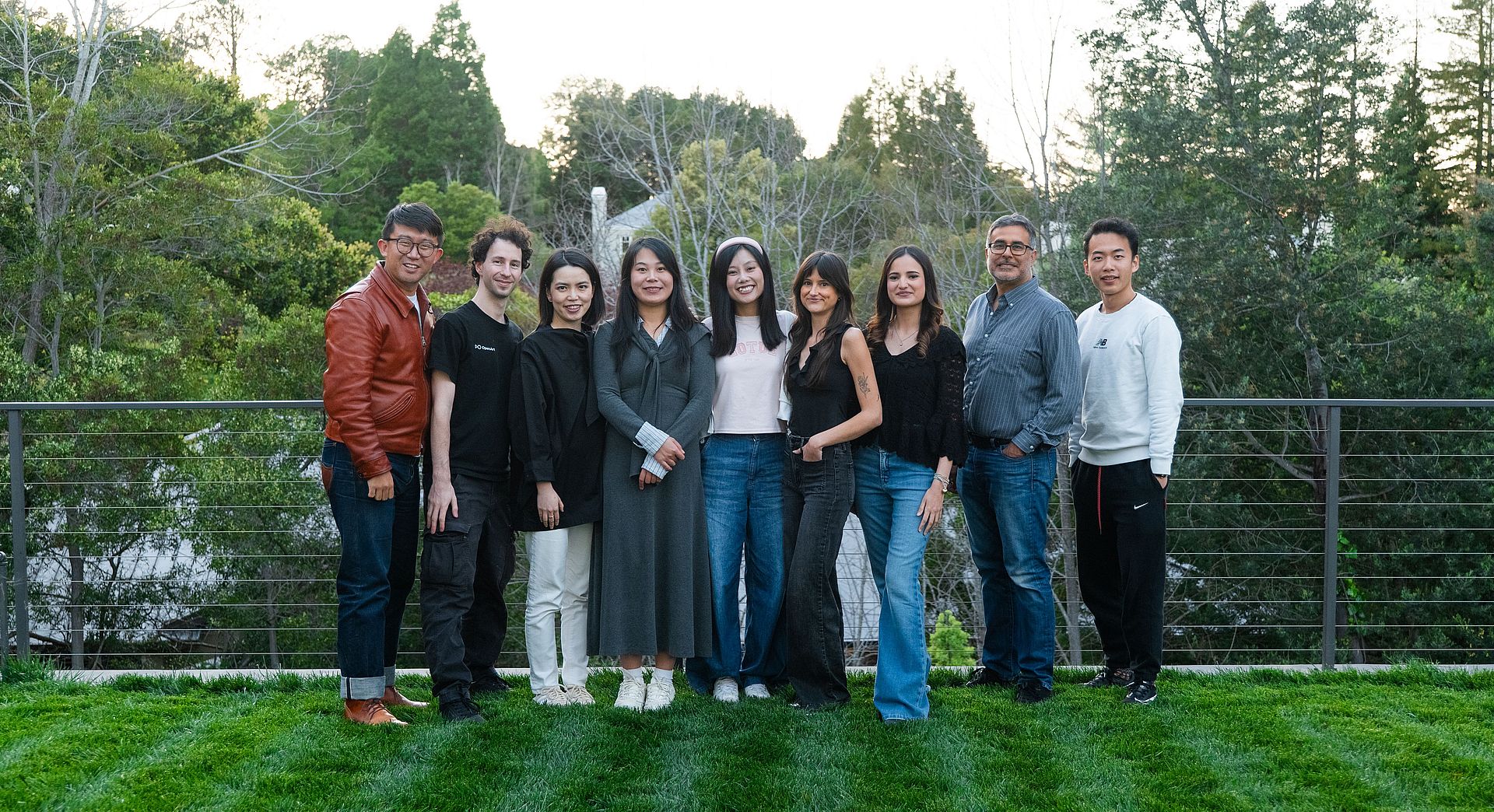
El trasfondo
Cuando Coco Mao y John Qiao dejaron Google en 2022 para crear OpenArt, ya lo habían hecho una vez antes. Dentro de la incubadora Area 120 de Google habían lanzado una plataforma de vídeo de formato corto, la habían hecho crecer a millones de usuarios activos mensuales con un equipo de cinco personas y la vieron ser adquirida por Google Search. Sabían de lo que era capaz un equipo reducido.
Así que cuando notaron que la gente generaba imágenes con IA por todas partes pero no tenía ni idea de qué prompts escribir, crearon un sencillo sitio de navegación que emparejaba imágenes de IA con sus prompts, un lugar donde cualquiera podía ver exactamente cómo se había hecho algo y crearlo por sí mismo. Lo publicaron en Hacker News bajo el titular «Pinterest para imágenes de IA» y despertaron para descubrir que era la noticia número uno del día.
From there they started building creation tools, going deeper on image generation and editing. But the signal that changed everything came from their users. The most requested feature, by far, was consistent characters. When Coco asked why, the answer was always the same: they were trying to tell a story. That insight is what turned OpenArt from an image tool into a full creative platform — image, video, character, audio, all in one place — built for the people who have a story to tell, not just an image to generate.
El impulso
Un equipo de diez personas que construía algo en lo que creía miró atrás un día y se dio cuenta de que lo que habían creado era innegable. En 2025, OpenArt multiplicó por 7 sus ingresos, de 10,5 M$ de ARR a más de 70 M$. Superamos los 8 millones de usuarios activos mensuales y cerramos una ronda Serie A de 35 M$ liderada por Canaan Partners.
Pero la métrica que realmente seguimos más de cerca no es el ARR, sino la obsesión con la que nuestros creadores vuelven una y otra vez. No para generar imágenes sueltas, sino para profundizar en los personajes que han creado, expandir los universos que están construyendo y avanzar en las historias que les importan. Esa retención es la señal de verdad.
Detrás de esas cifras hay un equipo con sede en San Francisco que crea para millones de creadores de OpenArt en cada país de cada continente. Nos movemos rápido, comunicamos de más y ponemos el storytelling en el centro de todo lo que construimos. Casi hemos duplicado nuestro tamaño este año, y el ritmo no baja. Solo en el primer trimestre, ya hemos:
- Lanzamos una renovación integral de la interfaz, los flujos de trabajo más limpios que hemos lanzado nunca
- Organizó la primera Cumbre de Influencers de IA del mundo en San Francisco
- Produced Bot House, el primer reality de la tele con IA
Estamos ampliando el equipo activamente para dar la talla. Si te suena al tipo de lugar en el que quieres construir, nos encantaría saber de ti.
En qué creemos
El pincel fue radical cuando llegó. También lo fue la cámara. Y el cine. Y el CGI. Cada generación ha tenido un momento en el que apareció una herramienta nueva y cierto tipo de persona, normalmente tachada de ingenua o peligrosa o ambas cosas, la tomó e hizo algo que el mundo nunca había visto. Los artistas y narradores que abrazaron esas herramientas no sustituyeron la creatividad, simplemente se convirtieron en su siguiente capítulo.
La IA generativa es ese momento. Cuando decimos que democratizamos la creatividad en OpenArt, queremos decir poner el pincel en manos de alguien que nunca ha sostenido uno. Creemos que la IA ayuda a las personas a contar mejores historias. Para cineastas veteranos o simplemente para quien tiene una historia que compartir.
Entre los creadores con los que Coco habló el año pasado había una abuela recién jubilada de Nueva Zelanda que había creado un canal de YouTube dedicado por completo a historias de gatos con IA. Cada semana escribe un prompt, OpenArt construye el mundo a su alrededor, y su pequeño pero fiel público vuelve a por más. No es cineasta ni diseñadora, solo alguien que por fin tenía las herramientas para dar vida a su imaginación.
Qué viene después
La próxima gran franquicia creativa podría surgir de cualquier lugar. Un cineasta con una visión demasiado cara de rodar. Un creador de marcas que no puede esperar a un ciclo de producción. Alguien que crea por primera vez y que, por primera vez, realmente puede hacerlo.
Es hacia eso que trabajamos. Una plataforma donde tus personajes, tu estética y tu identidad creativa te pertenecen por completo. Donde la propiedad intelectual que creas con IA es tuya para protegerla, hacerla crecer y poseerla. Donde las herramientas son lo bastante potentes para profesionales y lo bastante accesibles para todos los demás.