
 ChatGPT
 Perplexity
 Claude
 Gemini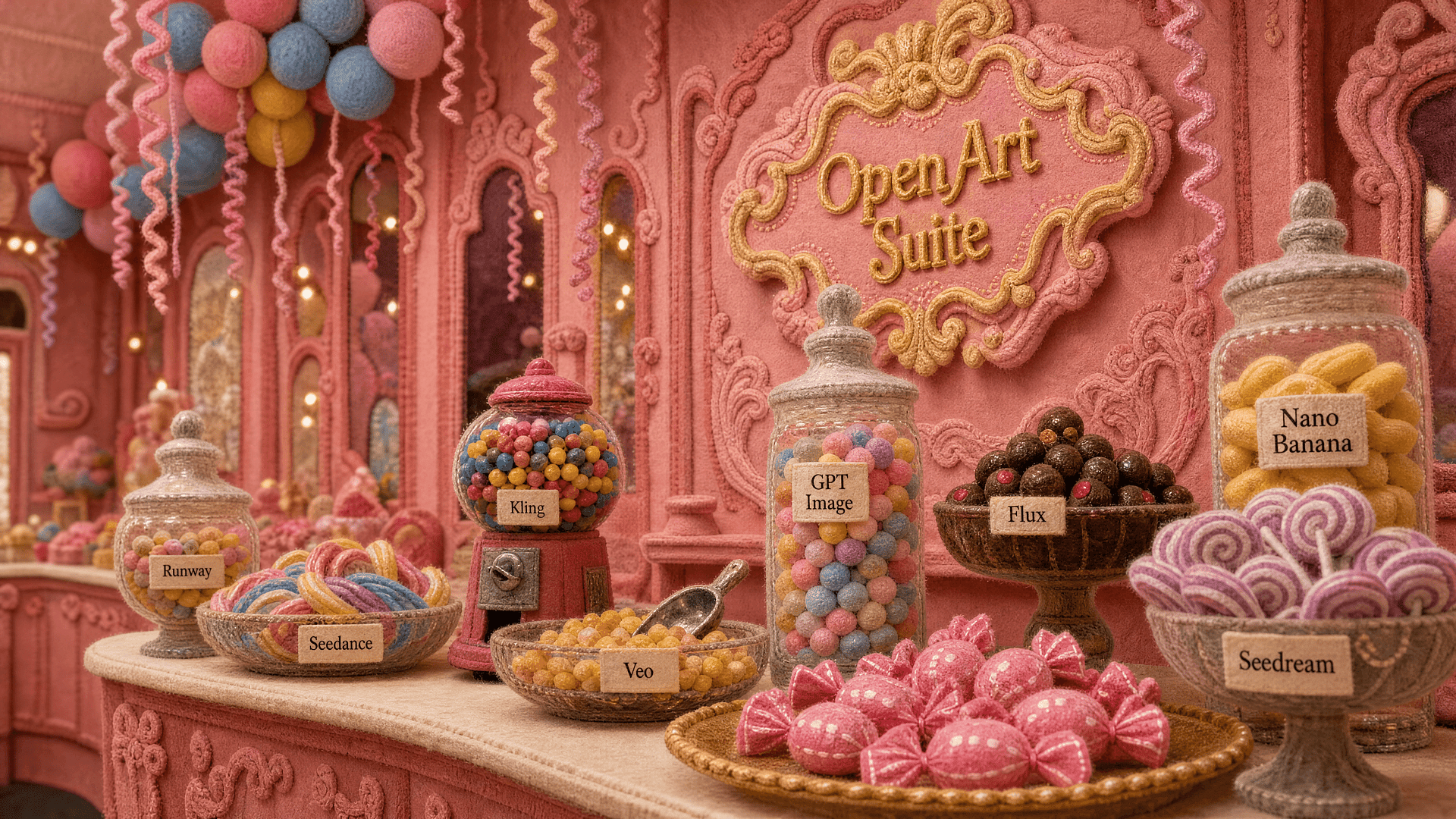
Cada pocas semanas llega otro lanzamiento: Seedream, Seedance, Nano Banana, un nuevo modelo de imagen de Gemini, cada uno reclamando el primer puesto en algún ranking durante uno o dos meses antes de que el siguiente lo reemplace. La gama Seedream 5.0 de ByteDance renderiza hasta resolución 4K, con su nivel lite más ligero a un precio de unos céntimos por imagen, mientras que El Nano Banana 2 de Google escaló casi hasta lo más alto de las clasificaciones sobre todo por velocidad y precio, funcionando unas cuatro veces más rápido y a la mitad del coste por imagen que su propio predecesor. Las especificaciones no dejan de avanzar. Lo que ya cuesta encontrar es un modelo que sea realmente malo.
Para un creador que de verdad intenta crear algo, el problema nunca fue el acceso a un buen modelo. Es el modelo caos: cinco pestañas abiertas, cinco sistemas de precios, cinco estilos de prompt que recordar y cinco lugares distintos donde una imagen de referencia, una edición o un resultado final pueden quedarse tirados en cuanto cambias de herramienta.
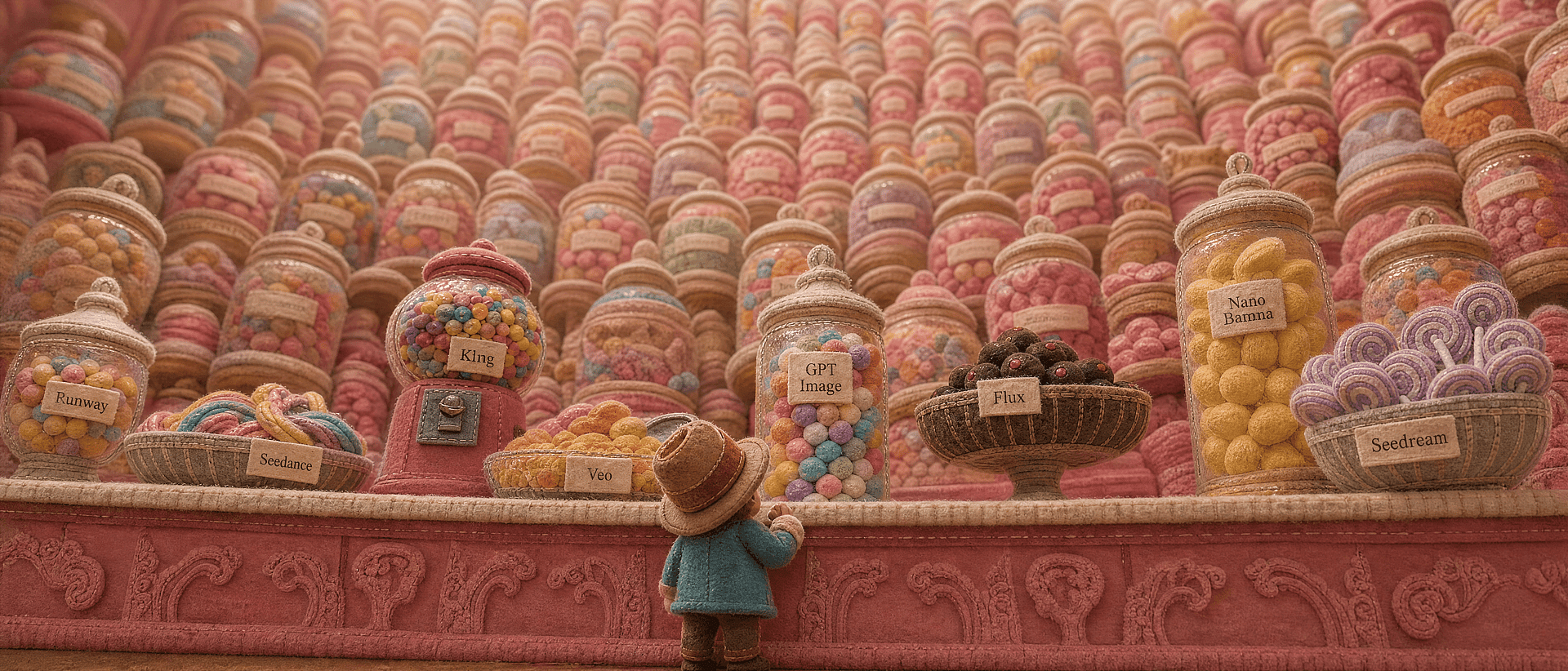
Esa es la parte de la historia que la mayoría de las comparativas se salta, porque "la brecha se está cerrando" es un titular peor que un ganador cara a cara. Pero un reciente Análisis de Stanford Law sobre la estrategia competitiva de la IA lo dice sin rodeos: la capacidad de los modelos base sigue "una trayectoria ascendente ininterrumpida y no muestra signos de estabilizarse", subiendo lo bastante rápido en todos los proveedores como para que el estudio la describa como una marea al alza nivel del mar, una que acaba alcanzando el terreno donde estuviera un producto. Cuando esa marea sube para todos más o menos al mismo ritmo, «qué modelo es el mejor» deja de ser una pregunta muy útil, porque la respuesta honesta cambia cada pocas semanas y no le dice mucho a un creador sobre qué hacer realmente.
El mismo análisis de Stanford usó la IA legal como caso de estudio y llegó a una conclusión que merece la pena aplicar mucho más allá del ámbito jurídico: la verdadera ventaja "no es el modelo, ya que a menudo se pueden usar indistintamente el GPT de OpenAI, Claude o Gemini." Lo que separa a los productos que perduran de los que no, no es el modelo base sobre el que están construidos. Es el flujo de trabajo que lo rodea, esa integración concreta y ganada con esfuerzo en la manera en que se hace el trabajo real. Forbes ha descrito la versión más amplia de ese mismo cambio: las grandes tecnológicas que se adelantan no son las que tienen el mejor modelo por sí solo, sino las que hacen que la inteligencia se funda con una superficie que la gente ya usa a diario.
Que te llamaran «solo un envoltorio de IA» solía ser un insulto, sinónimo de un producto endeble e indefenso montado sobre la tecnología real de otro. Ese insulto ya no cala como antes. Un envoltorio que resuelve el verdadero problema de usabilidad, que permite a un creador moverse entre modelos sin reaprender una interfaz ni perder su material de referencia cada vez que cambia, está haciendo algo que un modelo en bruto nunca iba a lograr por sí solo.
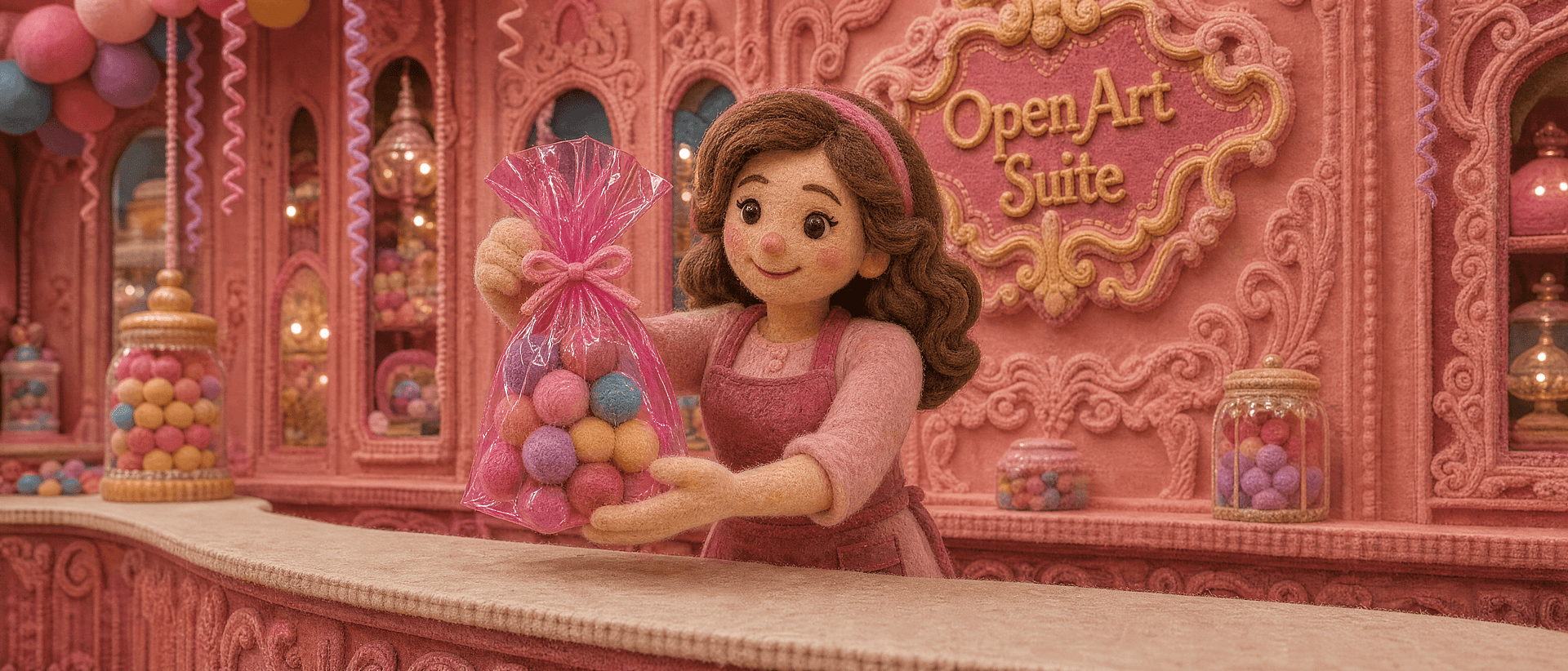
Aquí es donde una plataforma como OpenArt se vuelve más importante, no menos. El valor no está en fingir que un modelo será el mejor para siempre, sino en dar a los creadores un espacio de trabajo creativo estable mientras la capa de modelos sigue cambiando por debajo: compara resultados, guarda las referencias en un solo lugar, remezcla, edita, mejora la resolución y anima, avanzando hacia un recurso terminado sin reconstruir todo el flujo de trabajo cada vez que se reinicia una clasificación. La apuesta es que los creadores no quieren seguir la carrera de modelos a mano. Quieren que el mejor modelo disponible aparezca dentro del flujo de trabajo en el momento en que de verdad lo necesitan útil.
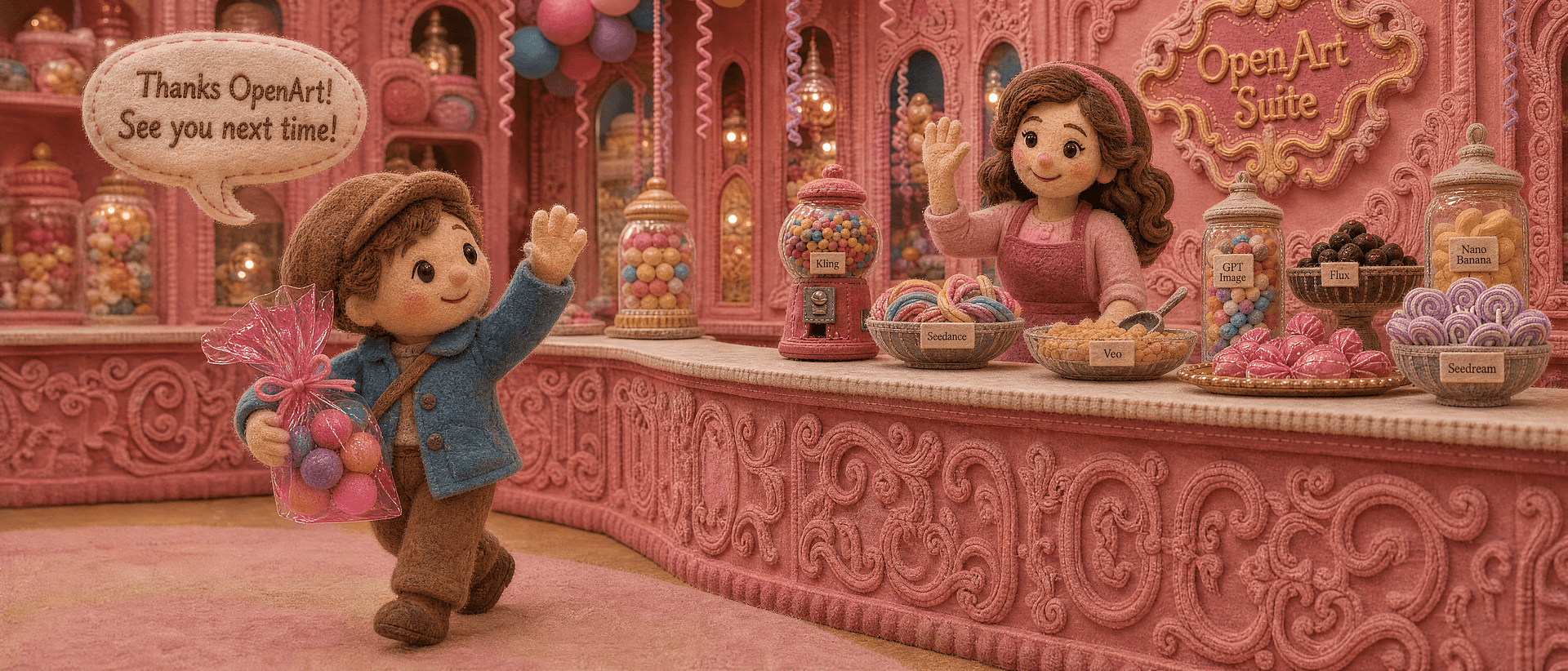
None of this means the underlying models stop mattering. They matter enormously, the same way an engine matters in a car even though almost nobody buys a car off a spec sheet alone. What's changed is where the real decision happens for a creator picking a platform. It's no longer "which model renders hands correctly this month." It's "where can I actually get from a rough idea to a finished thing without hunting across five different sites for whichever model happens to be winning today." The model race isn't over. It's just stopped being the race that decides who wins the creator. The next winning platforms won't be the ones asking creators to pick the right model every week. Serán los que hagan que esa elección resulte invisible, dejando que los creadores se centren en lo que realmente vinieron a crear.