
 ChatGPT
 Perplexity
 Claude
 Gemini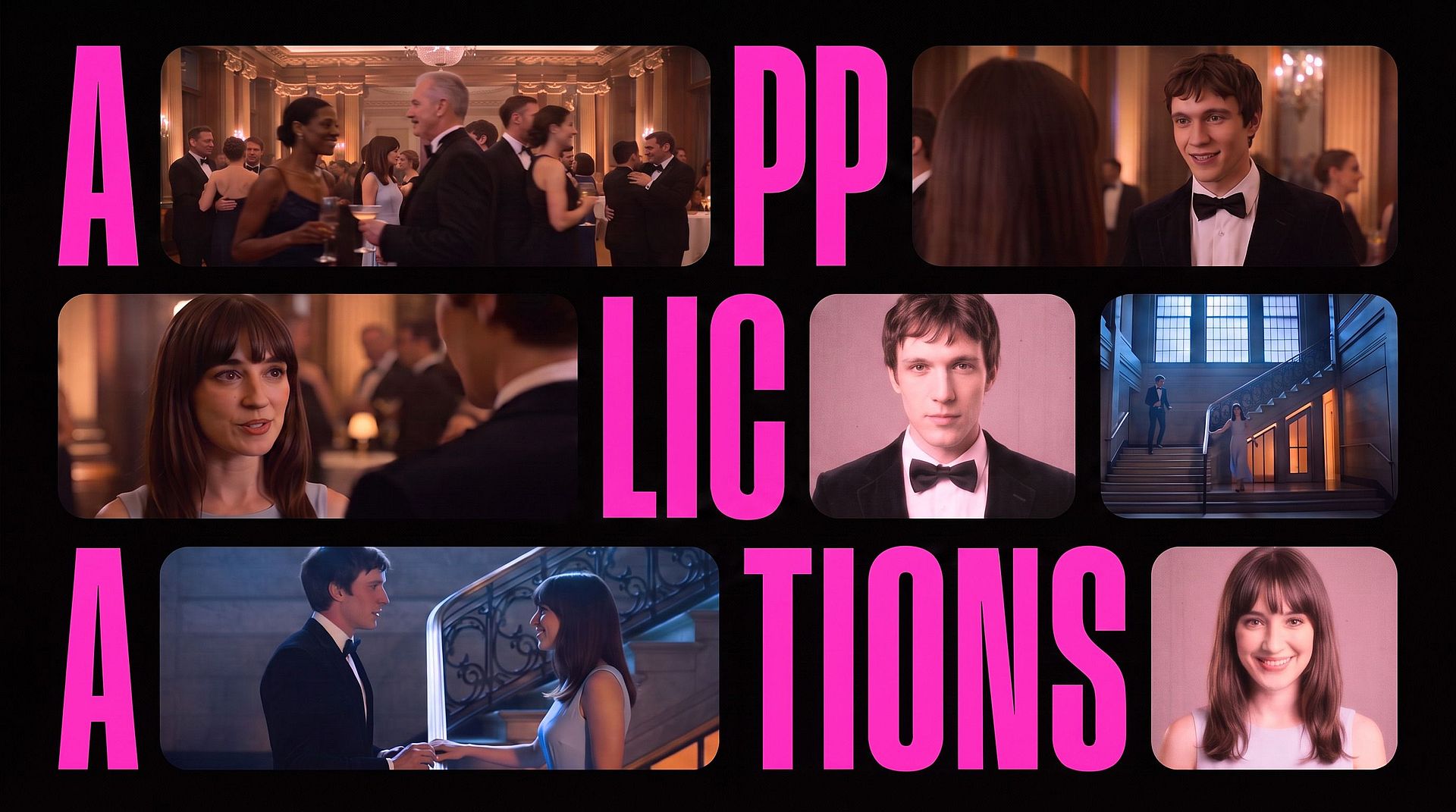
Una película de marca de dos minutos rodada con un pipeline de agentes de IA se realizó hace poco en tres días, desde el guion hasta el montaje final, frente a los aproximadamente dos meses de un rodaje tradicional equivalente, según el propio caso de producción documentado de invideo. A ninety-second horror short pulled around four hundred separate video generations before it was done. Numbers like that used to be the whole story: AI got fast enough to make an entire scene, so why would you need a person in the room. The more interesting number is the other one buried in that same case study: more than 40 percent of the finished shots in one documented project weren't a single generation at all. They were stitched together from the strongest few seconds of several different attempts, a practice invideo's own team describes bluntly: "Prompt, eight tries, Frankenstein the keepers."
Ese detalle dice más sobre lo que realmente ocurre que las promesas de velocidad. Un modelo que puede generar una escena entera bajo demanda no elimina la necesidad de una persona que tome decisiones, solo adelanta todas esas decisiones y las hace más rápidas de ejecutar. The workflow behind these AI-made shorts isn't one person typing a single magic sentence and getting a finished film back. It's a full crew of separate roles, a producer role holding the script and characters, a storyboard role visualizing shots before anything gets generated, a cinematography role taking direction like "hold the shot longer" or "track the actor through the doorway," a costume role, a production design role, each one scoped to its own job the way a real set is. The AI executes inside each of those roles. The structure of the roles themselves is still the same structure a film crew has always had, because someone still has to decide what the shot should look like before anything generates it.
La prueba más clara de que el cuello de botella es el criterio, no la generación, es lo que pasa una vez que existe el metraje. Las producciones documentadas incluyen un paso en el que el montaje preliminar ensamblado se envía de vuelta para una revisión crítica que busca específicamente problemas de ritmo, fallos de sonido y momentos en los que el tono emocional no encaja, ese tipo de cosas las propias notas de flujo de trabajo de invideo llaman a este paso el que más se salta la gente y el que detecta errores que a los editores humanos se les escapan. Es una frase genuinamente extraña de asimilar: un proceso automático que señala lo que un editor experto pasó por alto. No significa que la IA tenga mejor gusto. Significa que el gusto se aplica ahora en un momento distinto del proceso, sobre el conjunto ya montado en lugar de plano a plano, y alguien sigue teniendo que ser quien decida si la observación es acertada y actúe en consecuencia.
So what is the creator actually making, if not the pixels. They're making the same thing a director has always made: the specific sequence of choices that turns raw coverage into a scene that lands the way it's supposed to. Which take gets used, which two generations get spliced together because neither one alone had the whole shot, which note from the critique pass actually matters and which one gets ignored, all of it decided by someone rather than generated by anything. None of that shows up if you only look at "who generated the footage," and all of it is the actual difference between a finished piece of work and four hundred generations sitting in a folder. El modelo puede crear la escena. Sigue sin poder decidir por sí solo qué versión de la escena merecía la pena conservar.