
 ChatGPT
 Perplexity
 Claude
 Gemini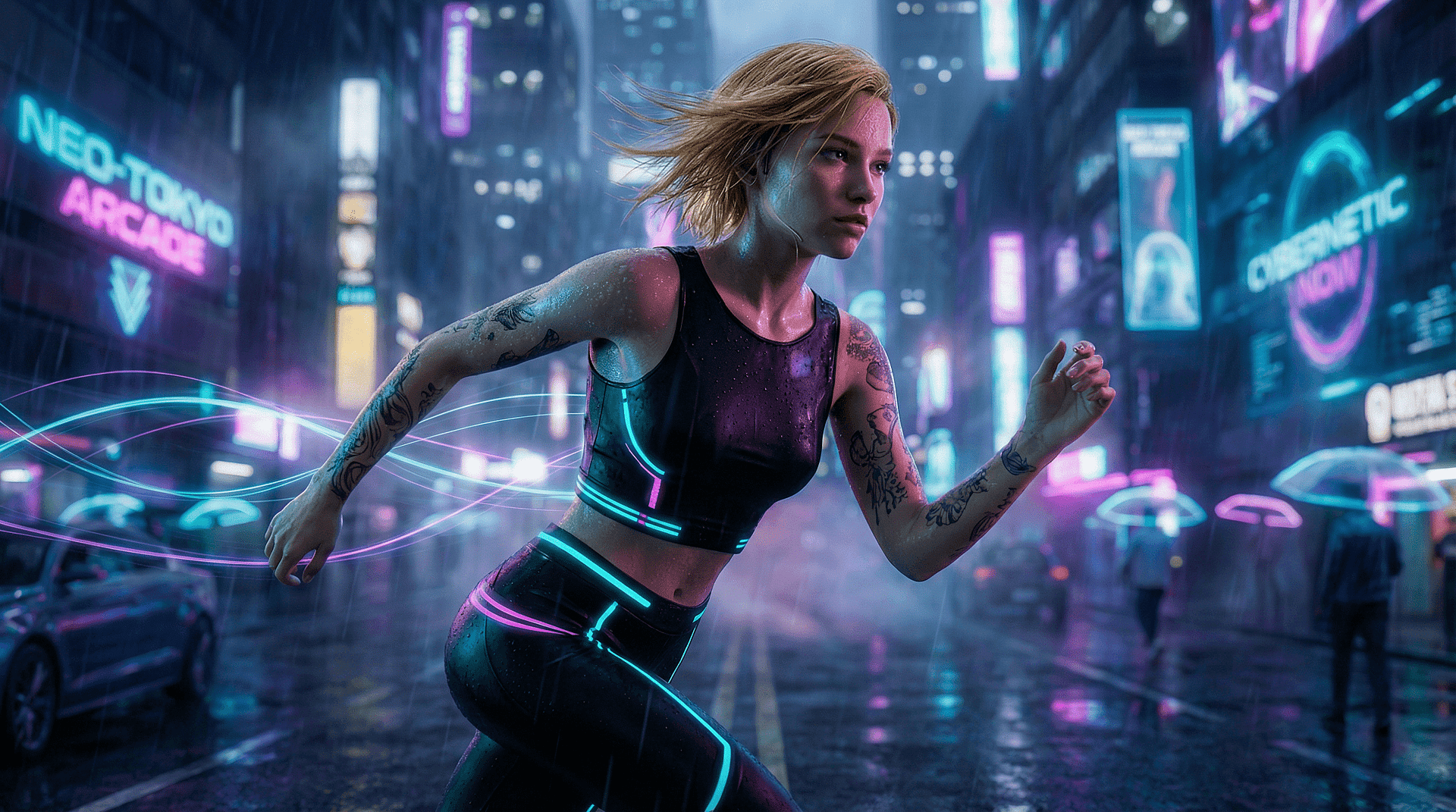
Sora 2 es la versión actualizada del modelo insignia de generación de vídeo con IA de OpenAI, capaz de generar escenas de vídeo realistas con audio a partir de prompts escritos e imágenes de referencia. En lugar de grabar metraje con cámaras, los usuarios pueden describir una escena con texto y el modelo genera un vídeo corto que coincide visualmente con el prompt.
Los primeros generadores de vídeo con IA podían crear clips cortos, pero a menudo tenían problemas con:
- mantener personajes consistentes
- movimiento realista
- física creíble
- narrativas complejas de múltiples escenas
Sora 2 aborda muchas de estas limitaciones. El sistema está diseñado para entender el comportamiento físico de los objetos, el movimiento de cámara, la iluminación y la composición cinematográfica, así que puede producir vídeos que se acercan más a las imágenes reales o a la animación profesional.
En términos sencillos, Sora 2 intenta simular el mundo real lo bastante bien como para generar vídeo creíble solo a partir de la imaginación.
Para creadores, especialistas en marketing, educadores y cineastas, esto supone un gran paso hacia la producción de vídeo asistida por IA.
Funciones clave actualizadas de Sora 2
1. Generación de texto a vídeo
La capacidad principal de Sora 2 es transformar prompts escritos en vídeo.
Por ejemplo, un prompt como el de abajo puede generar un vídeo corto que representa visualmente la escena:
«Un plano cinematográfico con dron de una ciudad futurista al atardecer, con coches voladores y luces de neón reflejándose en las calles mojadas.»
Esto reduce drásticamente el esfuerzo necesario para producir contenido visual. En lugar de pasar por todas las complicaciones de la producción de vídeo tradicional, como contratar actores, elegir localizaciones, grabar y editar el metraje, ahora los creadores pueden experimentar con ideas simplemente cambiando sus prompts de texto.
2. Movimiento y física realistas
Una de las mayores mejoras de Sora 2 es cómo simula el movimiento y las interacciones físicas.
Los modelos de IA anteriores solían producir escenas donde:
- objetos que se mueven de forma poco natural
- las extremidades salían distorsionadas
- al movimiento le faltaba peso o impulso
Sora 2 busca modelar el mundo real con más precisión. Los objetos caen, chocan y se mueven de formas que se parecen a la física real. Esta mejora hace que los vídeos generados resulten más creíbles y reduce el efecto del «valle inquietante» de la IA.
3. Consistencia de escena y personaje
Mantener la coherencia visual entre fotogramas siempre ha sido complicado en la generación de vídeo con IA. Sora 2 lo mejora manteniendo los elementos estables a lo largo del vídeo:
- los personajes mantienen su apariencia
- los objetos permanecen en su sitio a menos que se muevan
- los entornos se mantienen coherentes
Esta coherencia es esencial para narrar historias y permite generar clips que se parecen a escenas de película reales en lugar de fragmentos visuales aleatorios.
4. Generación de audio nativa
Otra capacidad destacable de Sora 2 es la generación de audio nativa, que permite al modelo producir sonido junto al vídeo generado. En lugar de crear solo la imagen, el sistema puede generar elementos sincronizados como diálogos, ambiente de fondo y efectos de sonido que encajan con la escena.
Por ejemplo, un prompt que describa un concurrido mercado callejero podría producir imágenes de gente paseando entre los puestos y, al mismo tiempo, generar sonidos ambientales como murmullos, pasos y tráfico lejano. Del mismo modo, un prompt que describa olas del mar puede incluir el sonido del agua rompiendo contra la orilla.
Esta capacidad de generar audio y vídeo a la vez hace que las escenas resulten más inmersivas y reduce la necesidad de un diseño de sonido aparte durante el prototipado inicial. Para los creadores, significa que un solo prompt puede generar una pieza de contenido más completa en vez de solo imágenes mudas.
5. Control de cámara cinematográfico
Otra mejora es un mejor manejo del movimiento de cámara y la composición. Los usuarios pueden especificar instrucciones cinematográficas como:
- planos de primer plano
- planos generales de situación
- perspectivas de dron
- cámara lenta
- tomas de seguimiento
La IA interpreta estas indicaciones y genera vídeo con movimiento de cámara que se asemeja a las técnicas del cine profesional.
Esto hace que Sora 2 sea especialmente útil para crear storyboards, visualizar conceptos y hacer cine experimental.
6. Escenas más largas y complejas
Sora 2 está diseñado para admitir secuencias más largas y escenas más complejas, y la nueva actualización permite hasta 20 segundos de vídeo en una sola salida. Esto significa que puedes crear historias cortas completas en lugar de clips aislados.
Aunque la tecnología aún está evolucionando, estas mejoras acercan la generación de vídeo con IA a la narrativa de formato corto.
7. Control creativo del estilo
Otro punto fuerte de Sora 2 es la capacidad de controlar el estilo visual mediante prompts.
Los usuarios pueden solicitar estilos como:
- realismo cinematográfico
- animación
- pintura a la acuarela
- estética de película retro
- visuales inspirados en el anime
Como el modelo se ha entrenado con grandes conjuntos de datos de vídeo e imágenes, puede aproximar distintos estilos visuales sorprendentemente bien.
Para los creadores de contenido, esto significa que una misma idea se puede producir en varios estilos visuales simplemente cambiando el prompt o aportando una imagen de referencia única.
Cómo funciona Sora 2 en realidad (explicación simplificada)
Por dentro, Sora 2 usa técnicas de IA avanzadas similares a las de los sistemas modernos de generación de imágenes.
El proceso de generación de vídeo con IA de Sora 2 empieza interpretando el prompt escrito, identificando elementos clave como el sujeto, las acciones, el entorno, la iluminación y el estilo visual. Por ejemplo, un prompt como «Un golden retriever corriendo por un campo nevado al amanecer» permitiría al modelo reconocer el sujeto, la acción, el escenario y la hora del día.
A continuación, el sistema genera una secuencia de fotogramas de vídeo con audio que coinciden con la descripción. A diferencia de los pipelines de animación tradicionales, todo esto ocurre dentro del modelo de IA, que predice cada fotograma manteniendo los objetos consistentes y coherentes a lo largo del tiempo.
Por último, el modelo refina el movimiento, las texturas y la iluminación para que la escena parezca realista. El resultado es un vídeo donde el movimiento se siente natural, la iluminación se mantiene coherente y los objetos se comportan de forma lógica, produciendo secuencias que se asemejan mucho a lo real.
Cómo crear vídeos con Sora 2 en OpenArt
Una de las formas más fáciles de experimentar con Sora 2 es a través de OpenArt, que reúne varios modelos de vídeo con IA en un solo lugar.
OpenArt permite a los creadores generar vídeos con IA con la última actualización de Sora 2 directamente dentro de la plataforma, sin necesidad de acceder a programas beta restringidos ni a herramientas aparte.
Si quieres ver un tutorial práctico de cómo funciona Sora 2 en OpenArt, échale un vistazo a este vídeo de YouTube.
1. Selecciona el modelo de IA Sora 2
Abre la herramienta de Vídeo en OpenArt para empezar a crear un vídeo. Dentro de la herramienta, verás una lista de modelos de generación de vídeo con IA disponibles. Selecciona Sora 2 de esta lista para cargar la interfaz de generación del modelo.
Una vez seleccionado el modelo, la plataforma muestra el área de entrada del prompt y los ajustes de generación disponibles.
2. Escribe un prompt de escena
A continuación, describe el vídeo que quieres generar. OpenArt te permite crear vídeos usando un prompt de texto o una imagen de referencia que ayuda a guiar la escena.
Al escribir un prompt, describe con claridad el sujeto principal, el entorno, las condiciones de iluminación y la perspectiva de cámara. El modelo usa esta información para determinar cómo debe aparecer la escena en el vídeo generado.
Por ejemplo:
«Toma cenital dinámica de manos diversas alcanzando bowls de smoothie coloridos sobre una mesa blanca y luminosa, coberturas de frutas tropicales vibrantes, luz natural desde arriba, movimientos rápidos y enérgicos, presentación fresca y apetitosa, estética de contenido lifestyle a la moda.»
OpenArt también incluye una opción de «Auto Polish». Cuando está activada, esta función refina automáticamente el prompt para mejorar la claridad y añadir detalles descriptivos útiles que pueden dar mejores resultados.
3. Configura los ajustes de vídeo
Tras introducir el prompt, configura los ajustes de salida antes de lanzar la generación. En la interfaz de OpenArt puedes ajustar varios parámetros que determinan cómo se verá el vídeo final.
Primero, elige la resolución del vídeo de salida. OpenArt ofrece actualmente opciones como 720p, 1080p y 1080p+, lo que te permite equilibrar la velocidad de renderizado y la nitidez visual según las necesidades de tu proyecto.
A continuación, selecciona la relación de aspecto. La plataforma admite 9:16 para vídeos verticales y 16:9 para formatos panorámicos. Los vídeos verticales suelen ser ideales para plataformas como TikTok o Instagram Reels, mientras que el 16:9 funciona mejor para YouTube o contenido de estilo cinematográfico.
Por último, define la duración del vídeo. Las longitudes de clip disponibles incluyen 4, 8, 12, 16 y 20 segundos. Las duraciones más cortas son útiles para probar prompts rápidamente, mientras que las más largas permiten al modelo generar movimiento más detallado dentro de la escena.
4. Genera y descarga tu vídeo
Una vez configurados el prompt y los ajustes, ejecuta el proceso de generación. El sistema creará un vídeo basado en el prompt y los parámetros seleccionados.
Cuando termine el renderizado, el vídeo generado aparecerá en el área de vista previa. Puedes revisar el resultado directamente en la interfaz y luego descargarlo.
Ejemplos de lo que Sora 2 puede crear
La flexibilidad de Sora 2 permite producir muchos tipos de contenido visual.
Escenas cinematográficas
Los creadores pueden generar tomas espectaculares que parecen escenas de películas.
Algunos ejemplos son:
- paisajes desérticos
- ciudades futuristas
- entornos históricos
- mundos de fantasía
Visualizaciones de producto
Las marcas pueden usar vídeo generado con IA para crear anuncios conceptuales.
Por ejemplo:
- una zapatilla flotando en un entorno surrealista
- un teléfono presentado con gráficos en movimiento futuristas
- expositores de productos de lujo.
Relatos cortos
Al encadenar varios prompts, los creadores pueden experimentar con secuencias narrativas cortas.
Esto puede ayudarte con:
- previsualización de guiones
- ideas para storyboards
- prueba de conceptos
Vídeos educativos
Los docentes pueden generar demostraciones visuales de conceptos que de otro modo serían difíciles de filmar.
Algunos ejemplos son:
- reconstrucciones históricas
- simulaciones científicas
- explicaciones animadas
Sora 2 frente a otros generadores de vídeo con IA
El sector del vídeo con IA es cada vez más competitivo. Varias plataformas están explorando tecnología similar. Entre las herramientas de esta categoría se incluyen:
- Runway Gen-3
- Pika
- Google Veo
Cada herramienta tiene puntos fuertes distintos. Algunas plataformas se centran en editar metraje existente, mientras que otras se especializan en la generación de texto a vídeo. Sora 2 destaca por su énfasis en la simulación de mundos, la física realista y la narrativa cinematográfica.
Prueba el futuro de la generación de vídeo con IA gracias a Sora 2 en OpenArt
Ahora que sabes lo potente que es este modelo de IA, pásate a Sora 2 en OpenArt para empezar a crear tu primer vídeo!
La interfaz sencilla y repleta de funciones de OpenArt te garantiza la mejor experiencia de generación de vídeo con IA, aunque estés empezando.