
 ChatGPT
 Perplexity
 Claude
 Gemini
Ya nadie se fía de una imagen perfecta. Desde hace tiempo, el argumento de cada nuevo modelo de imagen y vídeo es el mismo: más nítido, más limpio, más fotorrealista, menos roto. La resolución no para de subir, los rostros se mantienen coherentes en más escenas que antes y la iluminación parece correcta de una forma que no lo era hace dos años. Y en algún punto de todo ese progreso ocurrió algo extraño: la perfección técnica dejó de ser el alarde.
Los fotógrafos se toparon con esta misma tensión antes de que lo hicieran los modelos generativos, y la dirección que tomaron es el anticipo más claro de hacia dónde se dirigían la generación de imágenes y vídeos. Alex Cooke, de Fstoppers, lleva seguir un cambio among working photographers away from flawless retouching and toward images that keep their rough edges, things like a missed focus point, an unretouched tear, a hand slightly blurred mid-motion. His argument is that AI didn't just get good at photography, it got good at the specific kind of photography that used to signal skill. Once software can smooth skin, fix a horizon, and match color across a hundred images in the time it takes to make coffee, flawless execution stops signaling that a professional made something and starts signaling that it might have been generated instead. Cooke's point isn't that photographers should get sloppy; it's that the thing a viewer used to read as competence now reads as sospechoso, mientras que lo que antes se leía como un error ahora se lee como prueba alguien estuvo realmente allí.
Algo parecido está ocurriendo dentro de la propia generación de imágenes con IA, un nivel por encima: a medida que los modelos mejoran a la hora de representar la versión objetivamente correcta de una cara o una escena, también mejoran a la hora de parecer que no muestran nada en concreto. Es esa cualidad concreta, vidriosa y demasiado simétrica que la gente ha empezado a reconocer al instante como basura de IA. Dominica Baird, directora del departamento del programa de negocio de la belleza y la fragancia de la SCAD, señalado que, cuando se inventó la fotografía, los pintores pasaron un tiempo intentando superar en realismo a la cámara antes de abandonar esa batalla. En su lugar, avanzaron hacia la abstracción, el simbolismo y la expresión: hacia todo lo que una cámara no podía hacer. Ese es más o menos el mismo cambio que está ocurriendo ahora, un peldaño más arriba en la escalera, a medida que la IA absorbe lo "técnicamente correcto" y el oficio migra hacia esa cosa específica, elegida y ligeramente imperfecta que un modelo no generaría por sí solo a menos que se lo pidieras.
Lo que realmente ocurre bajo la estética tiene menos que ver con cómo se ve algo y más con lo que demuestra. Una imagen con un encuadre ligeramente descentrado, un grano, un momento que dura medio segundo de más, se lee como el resultado de alguien tomando decisiones: una pasada, luego otra, la elección de dejar algo en lugar de suavizarlo. El slop no parece slop porque sea feo. Mucho slop es técnicamente impecable. Parece un churro porque se lee como el resultado de un clic, una única generación, por mucho cuidado que se haya puesto en el prompt que hay detrás. La imperfección es lo que le dice al espectador que hubo más de una decisión entre la idea y lo que tiene delante, y esa distancia, entre una generación única y una moldeada, es la verdadera diferencia entre un trabajo que gana unos segundos de la atención de alguien, y trabajo que no lo hace.
El mismo mecanismo está empezando a aparecer también en el vídeo, solo que un paso por detrás de donde ya se asentaron las imágenes. La fotografía y la generación de imágenes lo resolvieron primero, y el vídeo aún busca su sitio, pero avanza lo bastante rápido como para que el mismo lenguaje ya esté apareciendo este año en la cobertura del diseño de movimiento. El propio informe de tendencias 2026 de Envato destaca la "autenticidad a través de la imperfección" como uno de los cambios que definen el vídeo ahora mismo: cámara en mano con vaivén en lugar de movimiento suave de gimbal, cortes en bruto sin recortar, pausas naturales y ruido de fondo que se mantienen en la mezcla, metraje en POV grabado con cámaras corporales y "sin rigs, sin montajes". La lectura de Envato sobre el porqué es contundente: "la imperfección se ha convertido en su propia estética. Transmite confianza, cercanía y autenticidad."
Incluso las empresas que desarrollan herramientas de vídeo con IA han llegado a la misma solución desde dentro. Hridaye, el director creativo de invideo, describió su proceso como añadir un toque de desenfoque y una pasada de grano hasta que un clip generado se parezca más a una película de acción real, y el razonamiento coincide casi exactamente con el argumento de Cooke sobre la fotografía. Como lo explica el propio invideo, los fotogramas de IA "no tienen ruido de sensor, ni estructura química, ni imperfección orgánica", y esa ausencia es "lo que se percibe como 'falso' antes de que puedas articular por qué".
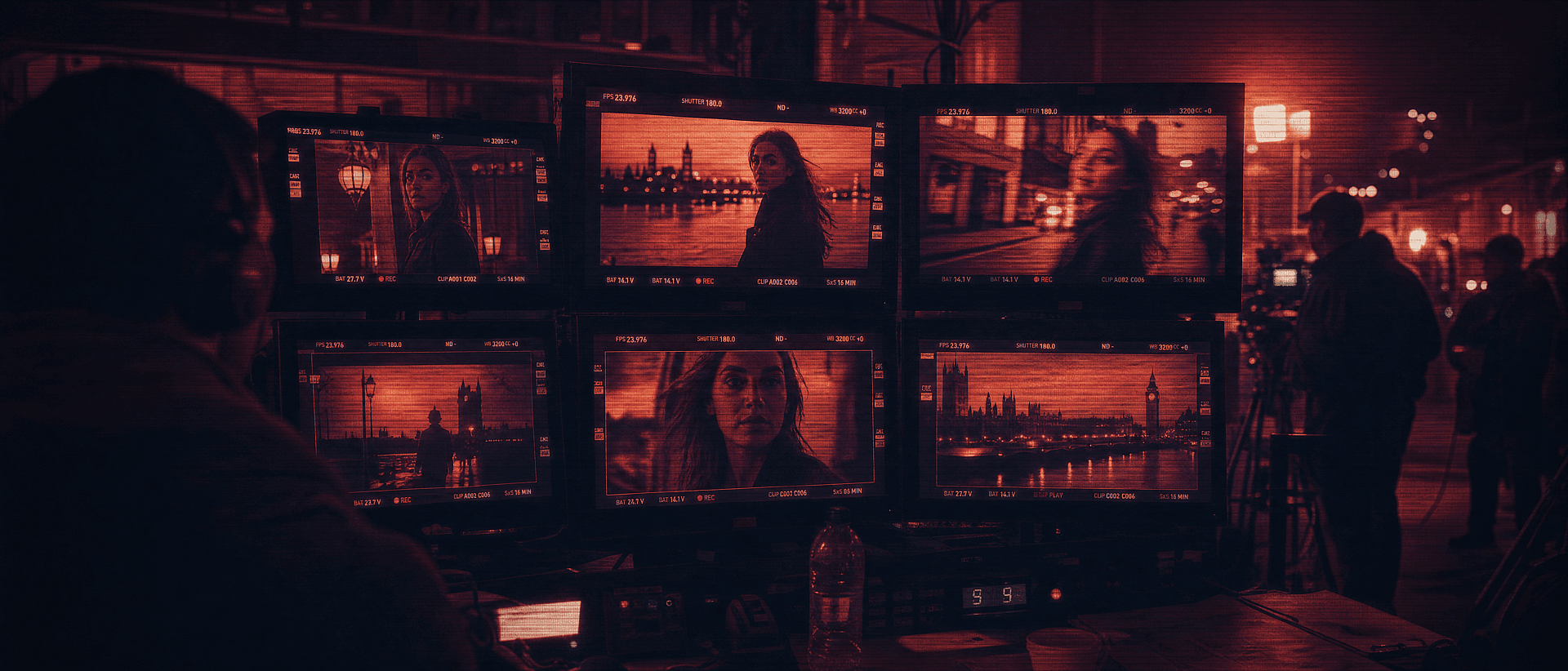
Sin embargo, nada de esto funciona como una simple casilla que marcar, y conviene ser honestos sobre dónde falla la idea. La estratega de comunicación Shaunta Garth ha defendió lo contrario sobre marcas que fabrican imperfección a propósito: en cuanto la aspereza se convierte en una fórmula, aplicada porque un informe de tendencias lo dijo, deja de ser prueba de una decisión y se vuelve solo otro preajuste, tan hueco como la suavidad que sustituyó. Una capa de grano añadida sobre una primera generación por lo demás intacta sigue siendo un resultado de un solo paso, solo que con otro filtro, porque la imperfección en sí fue nunca el verdadero objetivo. La iteración detrás sí lo era.
Which is the actual craft lesson, for images and video both: the goal isn't imperfection for its own sake, it's a body of decisions a model wouldn't have made on its own. Describe the conditions of capture instead of the result, not "a beautiful portrait" but the specific lens, the specific light, the specific flaw you want in the frame, and do the same with motion: not "cinematic camera movement" but the sway of a hand actually holding something, the pause before someone speaks, the cut that runs a beat long because that's how it happened. Push past the first clean output. The second or third pass, where you start pulling the piece away from its most polished default, is usually where the real decisions live, and that's true whether you're working in GPT Image 2 and Nano Banana Pro or Kling 3.0 and Seedance 2.0.
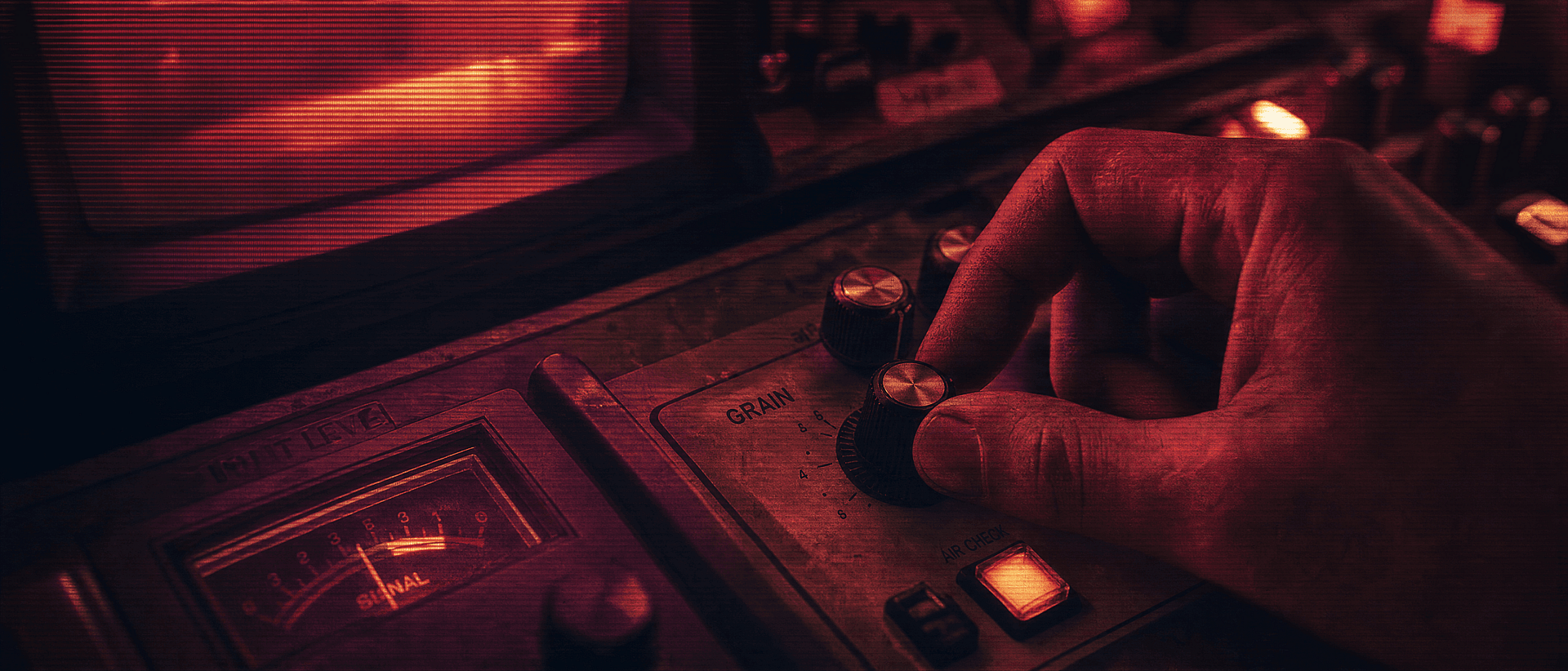
Nada de esto es una regla sobre cómo debería verse el trabajo con IA. Mucho de él debería ser limpio, luminoso y preciso, y esa también es una elección legítima, siempre que se tome de la misma manera: a propósito, tras unas cuantas pasadas, no a la primera. El objetivo nunca fue que lo limpio esté mal. Es que lo limpio ya no demuestra nada, porque un modelo puede darte algo limpio sin que hagas nada. Las decisiones que aún requieren tú, esos que una sola generación no produce a menos que vuelvas a entrar y los fuerces, es donde el trabajo empieza a parecer de alguien en concreto, y donde el público decide que merece la pena verlo.