
 ChatGPT
 Perplexity
 Claude
 Gemini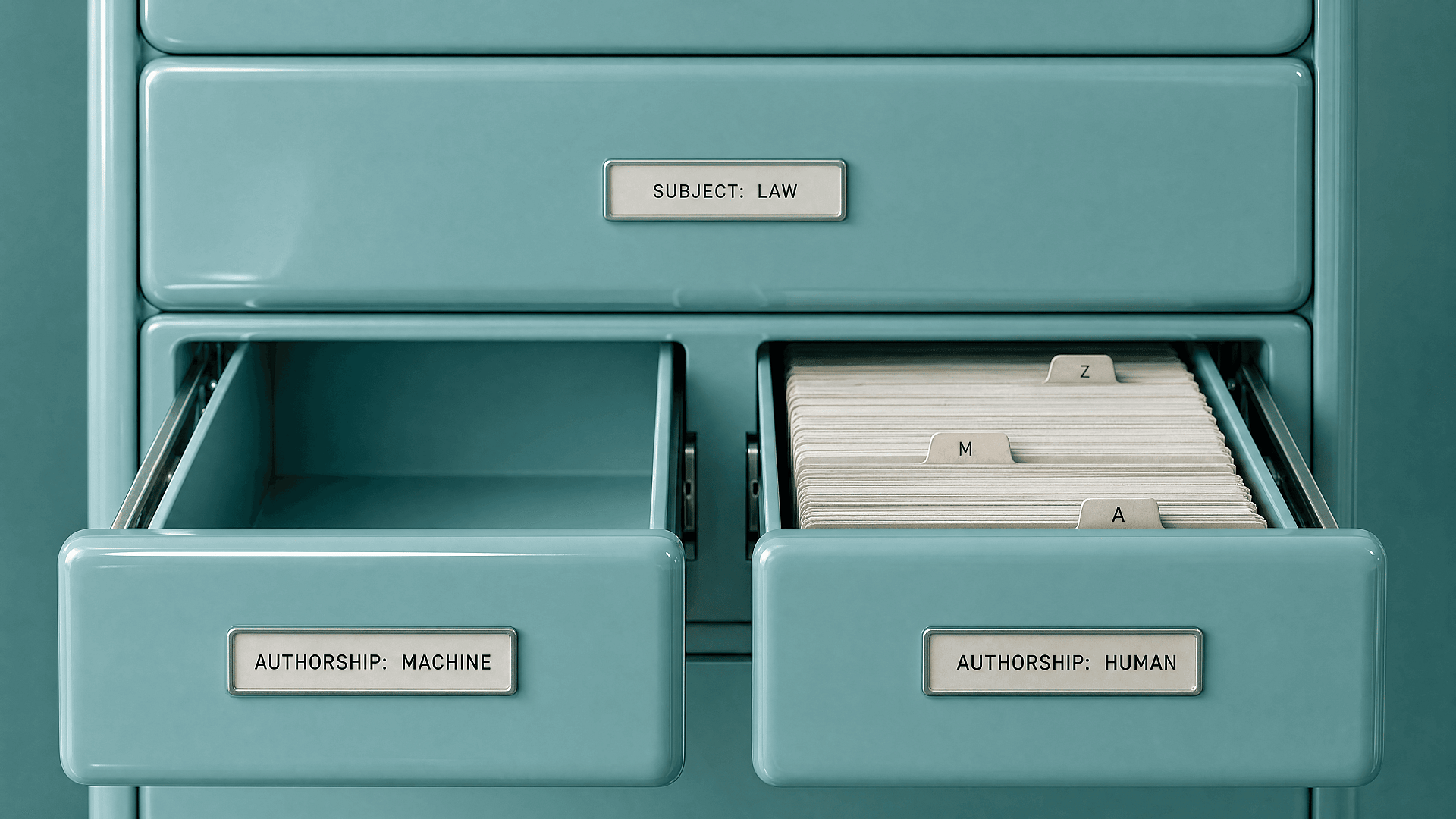
El 2 de marzo de 2026, el Tribunal Supremo se negó a escuchar Thaler contra Perlmutter, y al hacerlo no decidió nada en absoluto: no que el arte generado por IA no pueda tener derechos de autor, solo que no iba a alterar la respuesta que un tribunal inferior había dado a esa cuestión. Lo que queda es un panorama legal en el que la pregunta más importante a la que se enfrentan los creadores de IA todavía no tiene una opinión del Tribunal Supremo asociada, solo una pila muy coherente de fallos de tribunales inferiores.
The history is worth laying out plainly. Computer scientist Stephen Thaler applied for copyright registration back in 2018 for an image called "A Recent Entrance to Paradise," which depicts train tracks leading into a portal framed by green and purple foliage, and rather than listing himself as the creator, he listed his AI system, which he calls the Creativity Machine, as the sole author, arguing it had generated the piece with no human creative input at all. The Copyright Office denied the application in 2019, reviewed it again in 2022, denied it a second time on the grounds that a work needs a human author to qualify, and from there Thaler took the fight to court. In 2023, U.S. District Judge Beryl Howell upheld the denial, writing that human authorship is a "requisito fundamental del copyright", y en 2025 el Tribunal de Apelaciones del Circuito de D.C. confirmó esa sentencia, con la jueza Patricia Millett escribiendo que la Ley de Derechos de Autor se creó para que la humanidad como «condición necesaria para la autoría». La denegación del recurso por parte del Tribunal Supremo a principios de este año cierra el ciclo, al menos por ahora.
Los abogados de Thaler habían advertido al Tribunal de que mantener la sentencia de instancia inferior tendría un "efecto disuasorio" sobre los usos creativos de la IA, y una vez que los jueces se negaron a admitir el caso, afirmaron que el daño sería irreversible, argumentando que "aunque más adelante revoque el criterio de la Oficina de Derechos de Autor en otro caso, ya será demasiado tarde." Ese enfoque cuenta la historia al revés, porque la sentencia no es realmente sobre IA. Es sobre una afirmación concreta e inusual: que una pieza de software actuó solo, sin que ninguna persona tome una sola decisión creativa en todo el proceso, y casi ningún creador en activo hace esa afirmación ni la necesita.
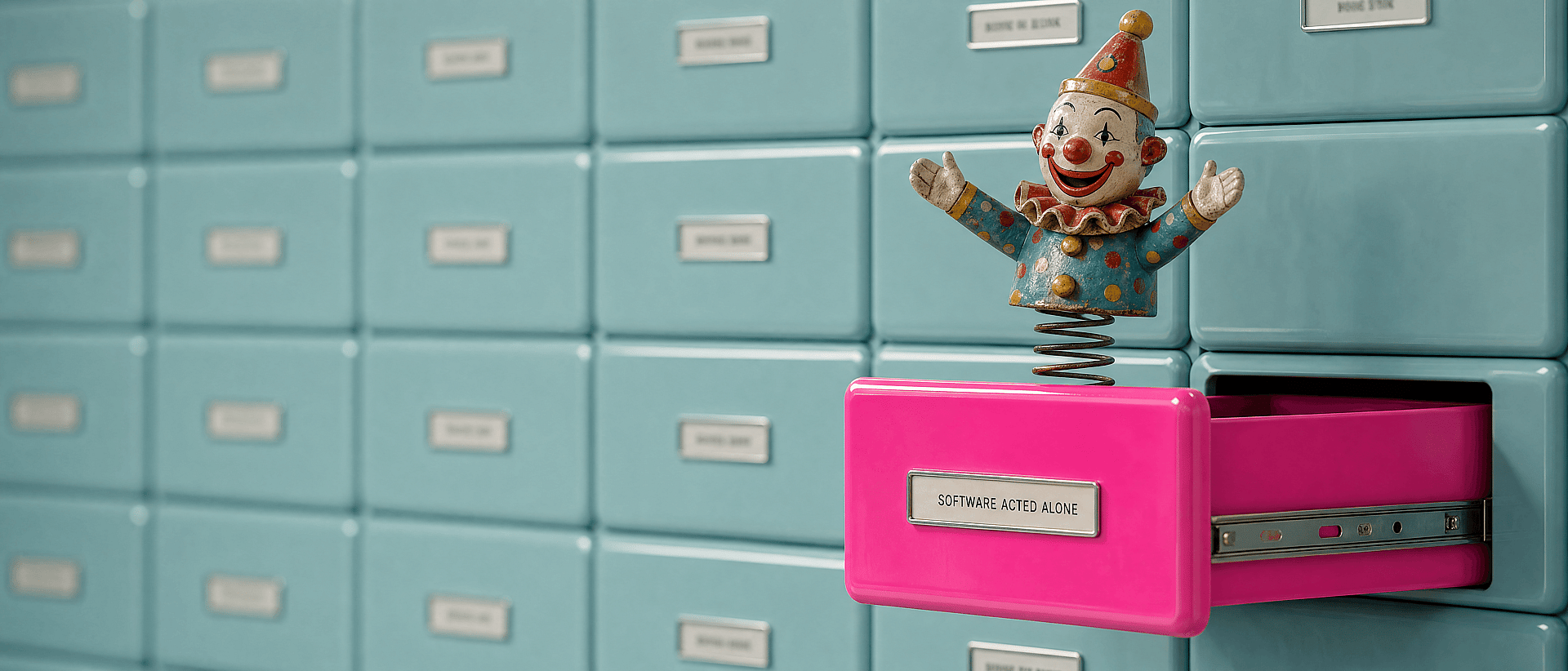
La distinción que de verdad importa es la que hay entre autoría y asistencia. Thaler no argumentaba que él hubiera usó una herramienta; argumentaba que la herramienta no lo había necesitado para nada, lo cual es una afirmación muy distinta a lo que ocurre cuando un fotógrafo usa Midjourney para esbozar un concepto, un diseñador lanza decenas de generaciones con Flux 2 antes de dar con una composición, o un ilustrador coge un resultado de Nano Banana Pro y pasa una tarde editándolo, componiéndolo y refinándolo hasta convertirlo en algo concreto. La jueza Millett incluso señaló que Thaler aún podría registrar él mismo los derechos de autor de la obra, simplemente registrándola bajo su propio nombre en lugar del de la máquina, un detalle que sugiere que la puerta a la autoría humana nunca estuvo cerrada, sino que nunca llegó a abrirse para la reclamación que en realidad estaba haciendo.
Dicho esto, la línea entre «usé la IA como herramienta» y «la IA creó esto por su cuenta» no está tan clara como a todos nos gustaría. La Oficina de Derechos de Autor ha rechazado solicitudes de registro incluso de artistas que aseguraban haber usado herramientas de IA al servicio de su propia visión en lugar de dejar que el sistema actúe de forma independiente, lo que indica que el estándar aún se está definiendo caso por caso en vez de resolverse con una sola regla clara. La postura más segura para cualquier creador ahora mismo no es dar por hecho que un solo clic en «generar» otorga protección de derechos de autor, ni tampoco asumir que la implicación de la IA descalifica una obra por completo; es poder muestra tu mano, es decir, los prompts sobre los que iteraste, las decisiones que tomaste sobre composición, color y encuadre, la edición y composición posteriores a la generación, y los criterios que solo tú podías aportar. La autoría humana no es un tecnicismo que sortear; es el registro real de tu proceso creativo y, ahora mismo, ese registro es tu mejor protección.
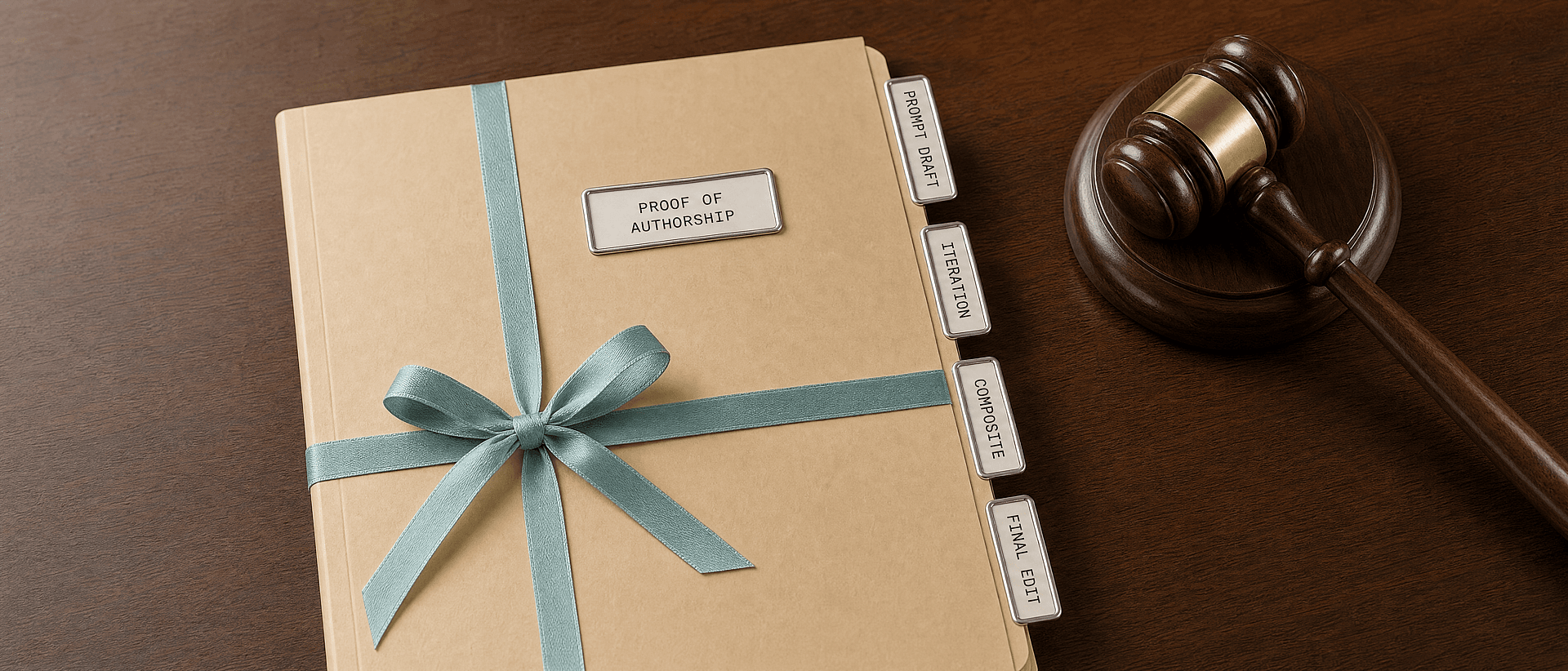
Esta es exactamente la brecha que nuestra Comprobación de Seguridad Comercial, creada con Copysight, existe para ayudar a los creadores a orientarse, no prometiendo una garantía legal que nadie puede ofrecer, sino dándote una lectura más clara de en qué situación se encuentra una obra antes de publicarla comercialmente. La ley no se ha puesto al día con cómo se crea realmente el trabajo creativo en 2026, y puede que tarde un tiempo, así que hasta entonces los creadores en la mejor posición serán los que puedan señalar sus propias huellas en la obra, no los que esperan que nadie pregunte.