
 ChatGPT
 Perplexity
 Claude
 Gemini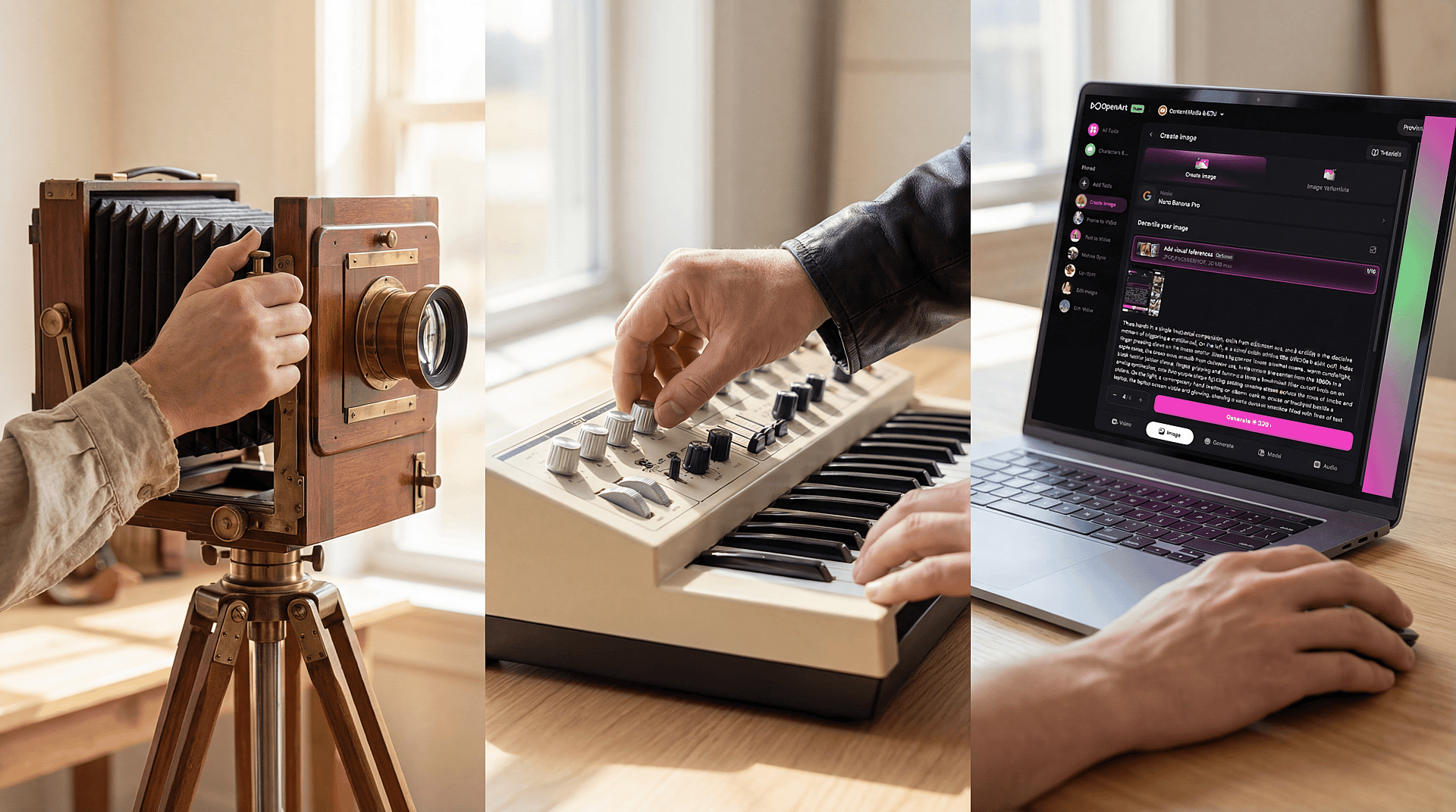
En 1859, el poeta Charles Baudelaire escribió una de las críticas más famosas de la historia del arte. Su objetivo era la fotografía. La llamó «el mayor enemigo mortal del arte» y lo descartó como el refugio de todo pintor fracasado demasiado sin talento como para coger un pincel de verdad. La fotografía, según él, era una máquina que fingía hacer el trabajo de un artista. No requería imaginación, ni habilidad, ni visión creativa. Era puramente mecánica y, por tanto, puramente sin alma. Y sin embargo, la de Dorothea Lange Madre migrante ayudó a movilizar la ayuda alimentaria federal durante la Gran Depresión, la tripulación del Apolo 8 Salida de la Tierra La fotografía cambió la forma en que toda una generación entendió nuestro planeta, y llegó a convertirse en una de las formas creativas más importantes que los humanos hemos desarrollado.
Poco más de un siglo después, los sintetizadores recibieron el mismo trato. Cuando el synth-pop empezó a llenar las listas de éxitos a finales de los 70 y principios de los 80, el rechazo fue inmediato y visceral. Gary Numan describió el "hostilidad" que recibió de críticos que no consideraban la música electrónica como música de verdad, porque creían que las máquinas hacían el trabajo. Andy McCluskey, líder de OMD dicho claramente: había muchísima gente que creía sinceramente que el equipo escribía la canción por ti. Queen imprimió "¡Sin sintetizadores!" en cuatro fundas de álbum consecutivas en los años 70, como para tranquilizar a los oyentes de que lo que escuchaban seguía siendo legítimo. Y en 1982, el El sindicato de músicos del Reino Unido había votado prohibir sin más los sintetizadores y las cajas de ritmos, convencidos de que los instrumentos electrónicos dejarían obsoletos a los músicos humanos. Y sin embargo, hoy la música electrónica es uno de los géneros más escuchados del planeta, y los sintetizadores están tan arraigados en la producción moderna que la mayoría de las canciones pop no existirían sin ellos.
Estas críticas probablemente te suenen inquietantemente familiares. Si cambiaras «fotografía» o «sintetizador» por «arte con IA», encontrarías argumentos casi idénticos publicados hoy en secciones de comentarios y en artículos de opinión, porque aunque las herramientas cambian, la ansiedad claramente no.
We are, as a species, compulsively creative. We build tools, we extend our capabilities, and then we spend a generation or two being deeply unsettled by what we've built before finally absorbing it into the fabric of normal life. Cities once felt like an affront to the natural world. The printing press was going to destroy the memory of scholars. Recorded music was supposed to end live performance. The internet was going to rot our brains (jury's still out on this one). But in each of these cases, the tool eventually became so thoroughly woven into human culture that we stopped seeing it as foreign and started seeing it as ours.
La conversación en torno al «arte con IA» está ahora mismo muy metida en la fase del miedo, y la propia etiqueta es parte de lo que la mantiene ahí.
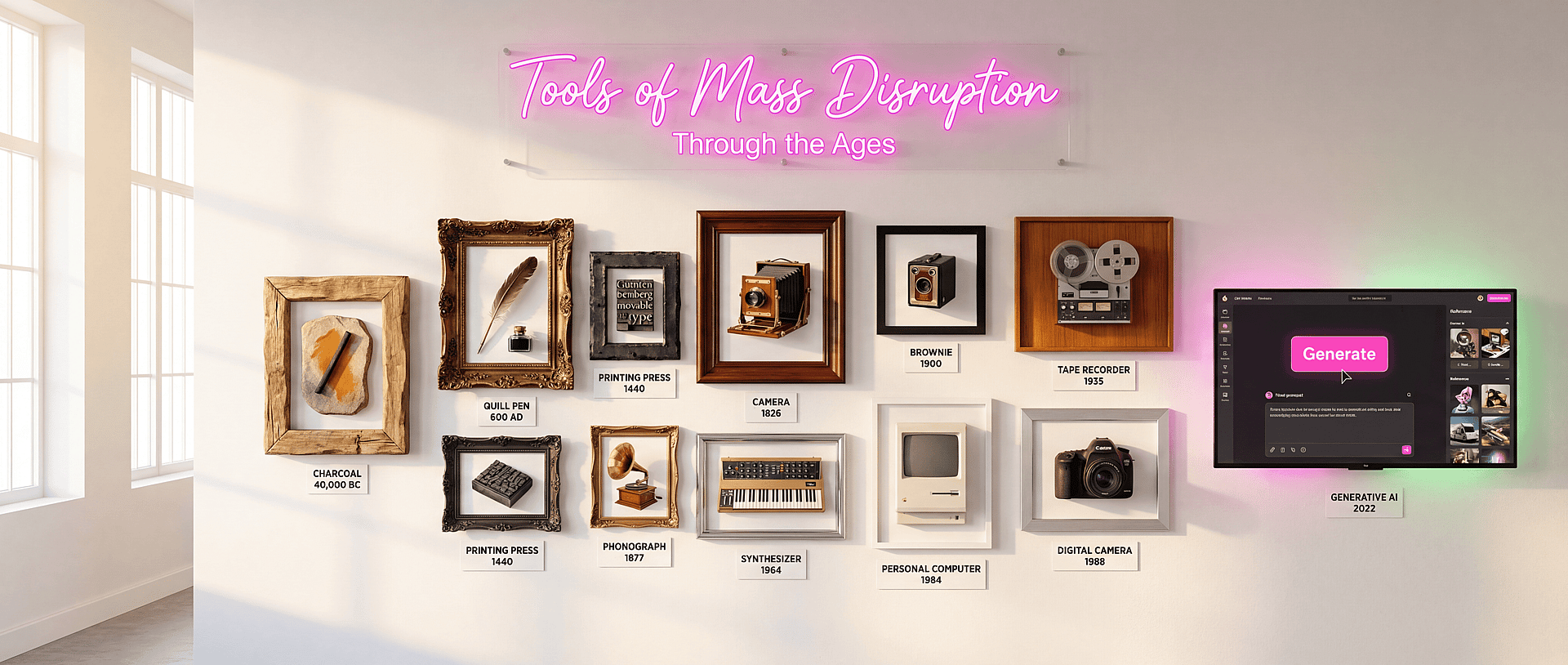
Cuando llamas a algo "arte de IA", desplazas al artista humano del centro
Un fotógrafo no es un «artista de cámara». Un cineasta no es un «narrador de lentes». Un diseñador gráfico no es un «ilustrador de software». No nombramos a los creativos por sus herramientas, porque no es la herramienta lo que hace que el resultado sea significativo o distintivo. Lo que lo hace es la visión creativa que hay detrás.
Cuando llamas a algo "arte con IA", pones el foco en la herramienta y sacas al ser humano del escenario. Toda la conversación que sigue gira de forma natural en torno al software: ¿es creativa la IA? ¿Merece el crédito? ¿Es realmente arte si un humano no hizo cada trazo? Son preguntas filosóficas interesantes, pero casi irrelevantes para los millones de personas que usan herramientas generativas para hacer trabajo creativo de verdad cada día.
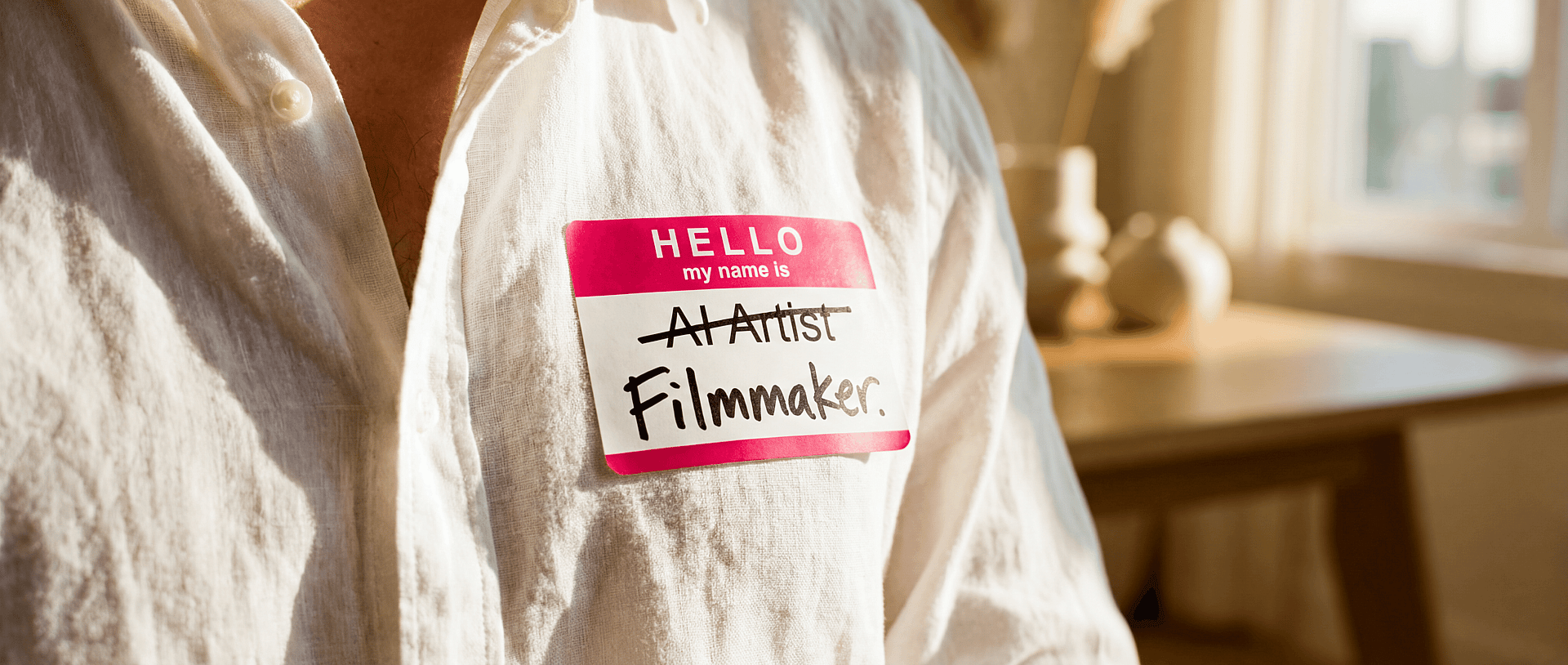
The label also flattens an enormous range of creative practices into one reductive term. Consider what "AI art" is currently being asked to cover: a brand creative director prototyping visual directions for a campaign, a solo illustrator building a consistent fantasy world they couldn't afford to render any other way, a filmmaker generating storyboard imagery at speed, a fashion designer exploring colorways in real time, a small business founder who finally has a way to make content that feels like their brand instead of like stock footage. These are wildly different practices with different goals, different skill sets, and different outputs. The only thing they share is one piece of the pipeline, and that shared tool has somehow become the defining characteristic of all of them, which would be a bit like calling every piece of writing created in Google Docs "software literature."
Ni siquiera el mundo del arte se pone de acuerdo en lo que significa el término. Un encuesta reciente de Artsy of more than 300 gallery professionals found three competing definitions in active use: some define "AI art" as fully prompt-based work, others focus on artistic intent regardless of tool, and others classify anything where AI meaningfully shapes the outcome. The survey's own conclusion was telling: these debates about legitimacy and value are happening without a common vocabulary. Professionals in the same field are using the same term to describe fundamentally different things, and then arguing about whether those different things have merit.
El mundo jurídico empieza a opinar
The court of cultural opinion tends to dominate these conversations, but it's worth paying attention to what's happening in actual courts. Because when the legal system starts hearing cases and making room for how a new technology is actually being used, that's historically one of the clearest signs that it's here to stay and that culture will eventually follow. It always starts with a few brave people who just want to create, and little by little their work becomes recognized not just in law but in our colloquial way of life.
El 2 de marzo de 2026, el El Tribunal Supremo de EE. UU. se negó a admitir Thaler contra Perlmutter, the decade-long case about whether AI can be an "author" under copyright law. The ruling was clear: copyright requires human authorship. Works created autonomously by AI, with no human creative contribution, cannot be copyrighted. But the court left room for works where humans maintain genuine creative control through direction, prompting, and alteration. In other words, the legal system already distinguishes between "the AI made this" and "a human made this using AI." When we call something "AI art," we linguistically frame it as the first category, even when the reality is almost always the second.
Entonces, ¿cómo lo llamamos?
Probablemente lo más sencillo: llámalo por lo que produce. Ilustración. Concept art. Imágenes de marca. Motion graphics. Diseño visual. Storyboards. Fotografía de campaña. El medio es el resultado, no el proceso que lo creó, y nadie le pregunta a un fotógrafo si su imagen se hizo con una Canon o una Hasselblad antes de decidir cómo llamarla.
O, quién sabe, quizá sea una palabra completamente nueva que aún no existe, una que todos podremos ayudar a moldear. Crear un léxico para arropar a nuestras recién nacidas herramientas creativas es un trabajo duro en sí mismo.
Lo que probablemente deberíamos dejar de hacer es recurrir por defecto a un término que convierte a la IA en autora y al humano en mero espectador. Porque en cada estudio, equipo de marca y flujo de trabajo creativo donde se usan de verdad estas herramientas, no es eso lo que ocurre. Lo que ocurre es que las personas toman decisiones, dirigen, editan, seleccionan y descartan. Ejercen su criterio y hacen el trabajo que siempre ha hecho creativo al trabajo creativo, solo que ahora con un nuevo instrumento en las manos.
Y si te preguntas si este cambio ya está ocurriendo en la práctica, así es.
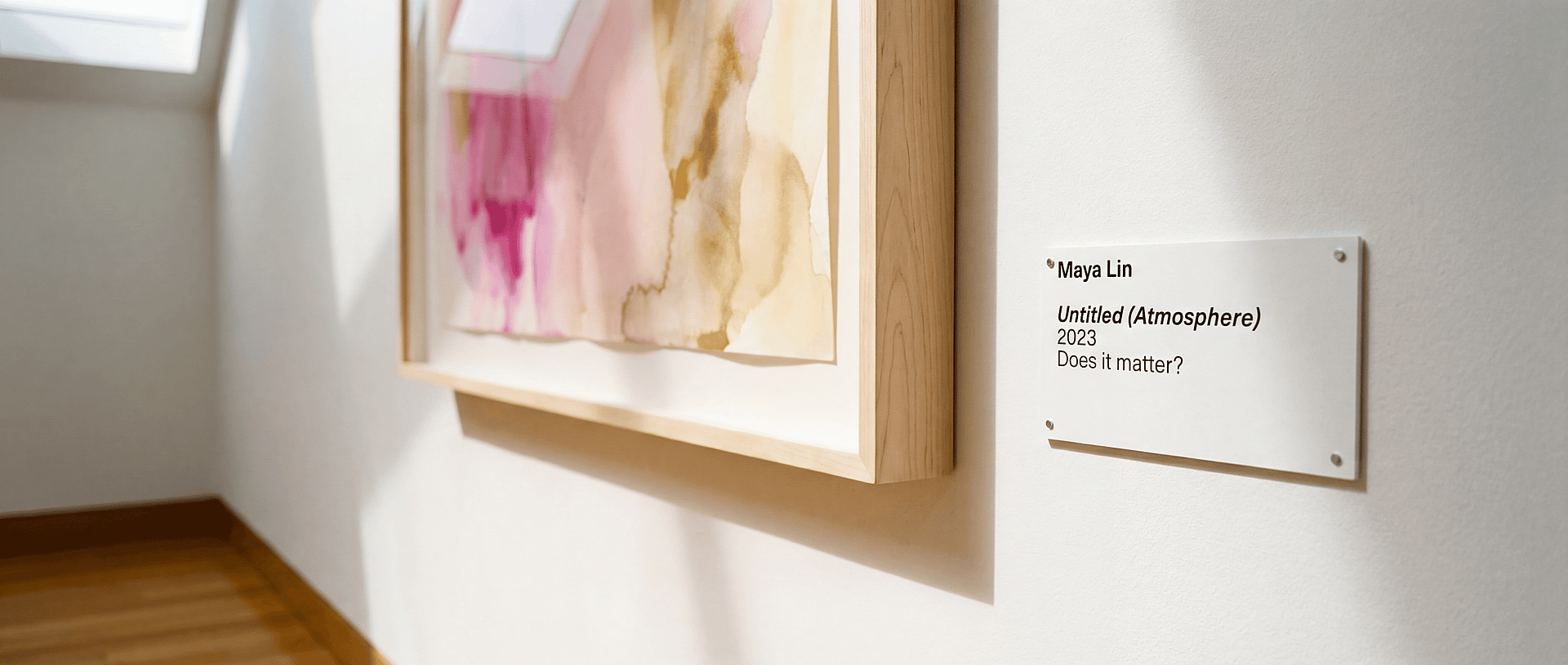
Señales positivas
We know that it can feel like there's a lot of shade being thrown at creators who use these tools right now, and that it's hard to tell how far we really are from a cultural shift where this kind of work is simply accepted for what it is. But the positive signals are already there. Every generation's technological revolution has its naysayers, but there are also always the Gary Numans and Andy McCluskeys of the world, already jamming out on their synths and pioneering entirely new sounds before the rest of the culture catches up. The same thing is happening right now with GenAI.
Paul McCartney usó IA para extraer la voz de John Lennon de una cinta de demo de hace décadas y así completar «Antes y ahora,» la última canción de los Beatles. Nadie la llama una «canción de IA». La llaman una canción de los Beatles, porque la IA fue el instrumento y lo que importaba era la música.
Grimes ha construido toda una infraestructura creativa en torno a la IA, desde su modelo de voz Elf.Tech que permite a los fans crear música usando su voz generada por IA hasta arte visual vendido en Christie's. No se define a sí misma como «artista de IA». Es una artista que usa la IA, entre muchas otras herramientas, para hacer realidad una visión que abarca música, arte visual y tecnología.
Y cuando El brutalista ganó varios Óscar en 2025, incluido el de Mejor Actor para Adrien Brody, lo hizo tras usar IA para perfeccionar los acentos húngaros que Brody y Felicity Jones habían pasado meses aprendiendo con un entrenador de dialectos. La tecnología pulió vocales y sonidos concretos en posproducción para preservar la autenticidad de unas interpretaciones que eran, en todo sentido significativo, de los propios actores. Nadie llama El brutalista una «película de IA». Es una película, y la IA fue solo una pequeña parte invisible de cómo se hizo.
Cómo lo vemos en OpenArt
When we talk about the people who use OpenArt, we don't call them "AI artists." We call them creators, storytellers, filmmakers, founders. When we describe what the platform does, we don't say "AI generates images for you." We say "bring your characters, stories, brands, and worlds to life." That's not a branding exercise. It's a reflection of something we genuinely believe, informed by the same history this piece has been tracing. (In fact, every image in this post was made with generative tools on OpenArt.)
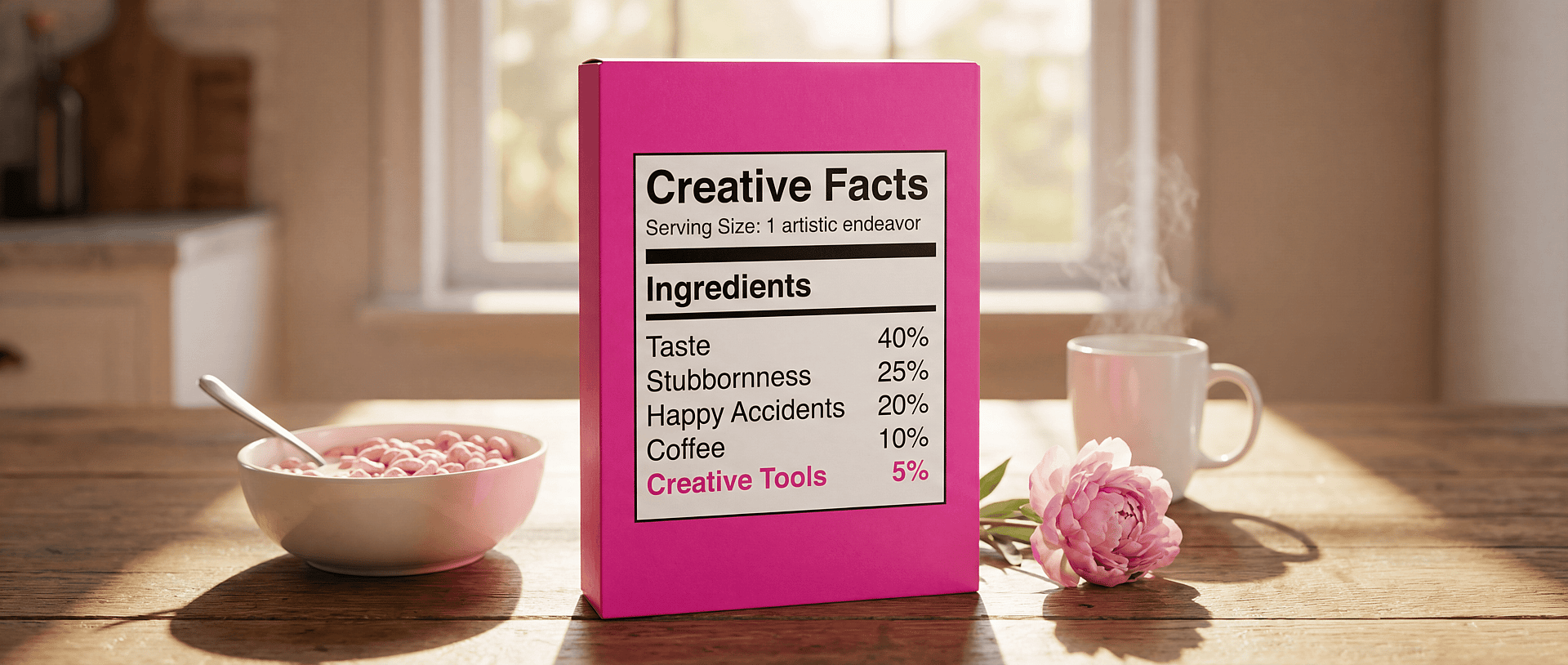
El patrón nos indica que 1. el miedo es real, 2. es fundamentalmente humano, y 3. esto también pasará. Nos dice que las herramientas siempre acaban integradas en la historia más amplia de cómo la gente crea cosas. Y nos dice que lo más útil que podemos hacer ahora mismo es crear herramientas que no estorben y dejen que los creadores se centren en lo que están creando, y en por qué.
Hay algo genuinamente hermoso en el hecho de que sigamos encontrándonos aquí, en otro momento en el que los humanos han creado algo nuevo y discuten sobre si cuenta o no. Cientos de años después de que Baudelaire intentara acabar con la fotografía y décadas después de que el Sindicato de Músicos intentara prohibir el sintetizador, seguimos inventando nuevas formas de crear y compartir entre nosotros, y ninguna resistencia inicial ha logrado nunca impedirlo.