

 ChatGPT
 Perplexity
 Claude
 Gemini
Gemini 2.0 Flash Image de Google, conocido por aquí como Nano Banana 2, es más rápido, más barato y, según nuestro colaborador Brian de Letanía de ignición, "significativamente mejor con las estrías". Le pedimos a Brian que lo pusiera a prueba en OpenArt y documentara lo que encontró. El resultado es un tutorial de 12 minutos repleto de consejos, prompts y un sorprendente número de visitas a Applebee's. Aquí tienes el desglose completo.
NB2 vs. Nano Banana Pro: la comparación sincera
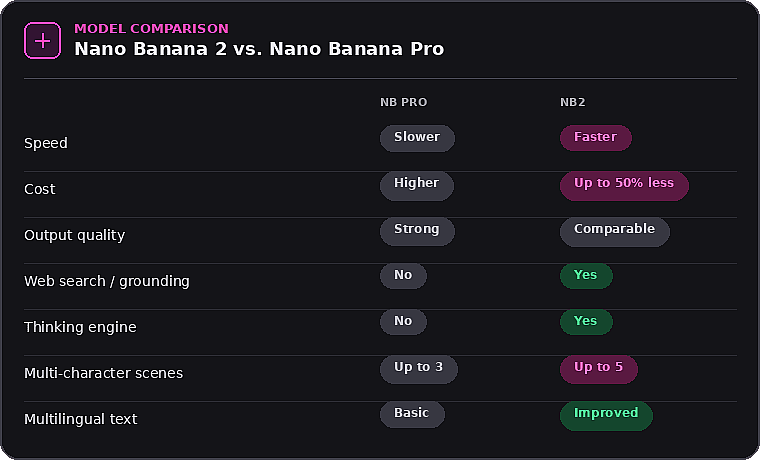
Detrás del banana hay ahora un motor de razonamiento dinámico capaz de razonar a través de prompts complejos, extraer información real de la web en lugar de inventarla y analizar imágenes de entrada para mantener la coherencia de los personajes entre generaciones. Eso es lo que hace que NB2 sea genuinamente diferente de su predecesor: no solo una mejora de velocidad y coste, sino una nueva categoría de capacidad.
Consejo 1: No edites dentro de la interfaz de edición
El primer consejo de Brian también es el más práctico de aplicar: salta por completo la interfaz de edición. En su lugar, arrastra tu imagen base directamente a la ventana de referencia visual y estructura tu prompt así:
"Edita la imagen uno según el prompt. [Tu edición aquí]."
En OpenArt, este enfoque le da a NB2 acceso directo a la imagen y produce de forma consistente ediciones más limpias y precisas. Brian también recomienda subir la resolución a 4K antes de generar. No es lo mismo que hacer un upscaling, pero le da al modelo mucho más espacio de píxeles para trabajar en detalles finos como texto, etiquetas de nombre o pequeños accesorios. Esto cobra especial importancia cuando pides algo con un trabajo de detalle intrincado.
Consejo 2: El prompt de la hoja de personaje
Este fue el elemento más solicitado en los comentarios. Brian fijó el prompt completo después de publicar el vídeo, y aquí lo tienes:
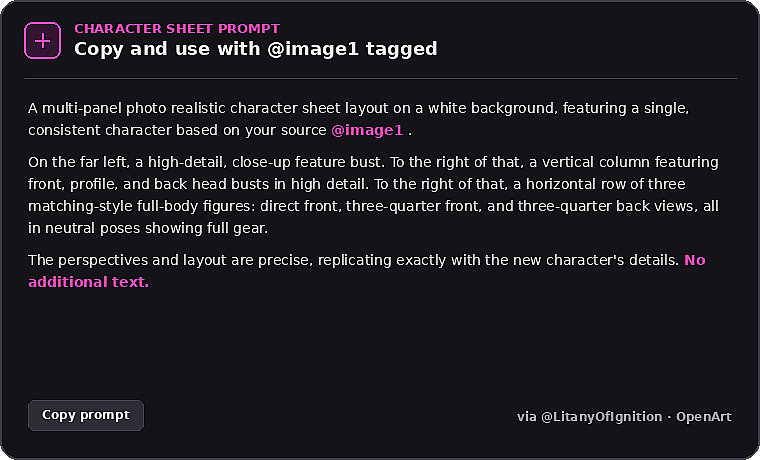
Dos cosas a tener en cuenta al usar este prompt. Primero, etiqueta siempre tu imagen de referencia manualmente usando @image1 — el prompt no funcionará sin ello. Segundo, NB2 puede aceptar hasta cinco fichas de personaje etiquetadas en la misma escena, algo que Brian pone a prueba más adelante en el vídeo con resultados realmente impresionantes. Cabe destacar que tanto NB2 como Nano Banana Pro manejan bien este prompt, aunque NB2 tiene la ventaja de admitir más entradas de personaje simultáneas.
Consejo 3: Realismo del mundo real gracias a la Búsqueda de Google
This is where NB2 pulls most clearly ahead of its predecessor. The model can perform a web search when it determines it does not have enough information to complete a task, which opens up a genuinely new category of prompting. Brian tested this by photographing grocery store ingredients and asking NB2 to generate recipe infographics without telling it what the recipe should be. The model had to identify the ingredients from the photos, look up a relevant recipe, and render everything as a visual layout.
Para la prueba de la lasaña, usó 12 imágenes de referencia distintas. OpenArt admite hasta 14.
Los resultados fueron en gran parte impresionantes, aunque Brian tenía sus observaciones:
«Muchos de los resultados eran algo escuetos en las instrucciones sobre las cantidades de los ingredientes, dando más o menos a entender que debía volcar cajas o botes enteros de ingredientes en los cuencos, apilarlo todo y disfrutar de mi lasaña a lo loco.»
La conclusión práctica es que los prompts con base web funcionan bien en tareas con muchas referencias donde quieres que el modelo sintetice información de varias entradas. Es notablemente mejor que NB Pro en este tipo de tareas, aunque los resultados a veces requieran algo de interpretación.
Consejo 4: Generación de texto multilingüe
NB2 llega con una renderización de texto multilingüe mejorada, que Brian probó pidiéndole que tradujera su infografía de tarta de queso al japonés. La traducción se renderizó correctamente, aunque Brian es sincero sobre los límites de su capacidad para verificar la exactitud. Ha invitado a hispanohablantes de japonés a opinar en los comentarios. El veredicto sigue pendiente.
Consejo 5: razonamiento espacial en ediciones de escenas complejas
Brian brought NB2 to Times Square, photographically speaking, and asked it to remove all the LED billboards and signage from a rainy night shot. What makes this test genuinely interesting is the difficulty of what the model has to do: it must remove the signs, extrapolate what the buildings look like underneath them, and recalculate the lighting, since most of the illumination in a wet Times Square shot is reflected bounce light from those very signs. That is a significant amount of spatial and physical reasoning happening in a single generation.
Los resultados son impresionantes, con alguna imperfección esperable hacia el centro del encuadre. Brian siguió esa prueba con una secuencia de ediciones adicionales: eliminando peatones, cambiando a un día soleado y luego convirtiendo la escena en una ventisca. Esta última funcionó lo bastante bien como para que declarara que ahora puede generar B-roll invernal sin salir de casa.
Consejo 6: Escenas con varios personajes, con hasta cinco personajes consistentes
La prueba más ambiciosa del vídeo. Brian generó cinco hojas de personaje distintas y las etiquetó todas en una misma escena de comedor de Applebee's, pidiendo ángulos de cámara variados mientras los personajes comían costillas. La mayoría de los personajes se mantuvieron coherentes entre generaciones. El ama de casa retro fue la más complicada, algo que Brian atribuye a la mayor sensibilidad que tiene nuestro cerebro ante ligeras incoherencias en rostros humanos de aspecto realista.
Por el camino surgieron algunas cosas inesperadas: el robot tenía un deseo persistente de parecerse a Bender de Futurama a pesar de que no había ningún prompt al respecto, y algunos resultados mostraban artefactos flotantes de hojas de personaje. Pero lo más destacado, sin lugar a dudas, llegó cuando NB2 inventó nombres para los cinco personajes sin que se lo pidieran: Ambición Rubia, Resolución de Acero, El Sapo Amable, Mew Pawsome, y Jinete de la Calavera. El veredicto de Brian: «Retiro todas mis críticas. Es el mejor modelo de imagen de la historia.»
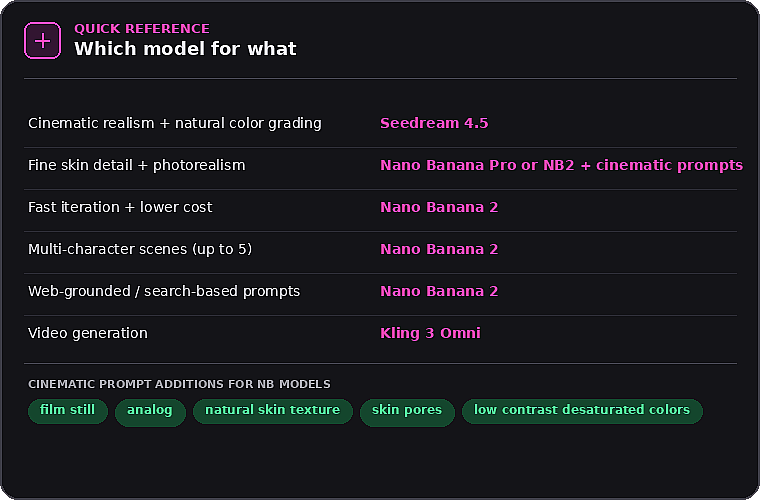
Referencia rápida: qué modelo para qué
En resumen
NB2 es una mejora notable respecto a Nano Banana Pro, sobre todo en edición de imágenes, prompts basados en la web y consistencia entre varios personajes. El motor de razonamiento que lo impulsa le permite hacer cosas que su predecesor simplemente no podía, y las hace más rápido y a menor coste. No es una herramienta perfecta, pero sí genuinamente potente, y ya está disponible en OpenArt ahora mismo.
El tutorial de Brian merece verse entero. Algo que los comentarios elogiaron una y otra vez fue su disposición a mostrar dónde el modelo produce resultados inesperados o imperfectos, y no solo los resultados pulidos. Esa honestidad te da una idea mucho más realista de lo que puedes esperar cuando te sientes a usarlo tú mismo.