
 ChatGPT
 Perplexity
 Claude
 Gemini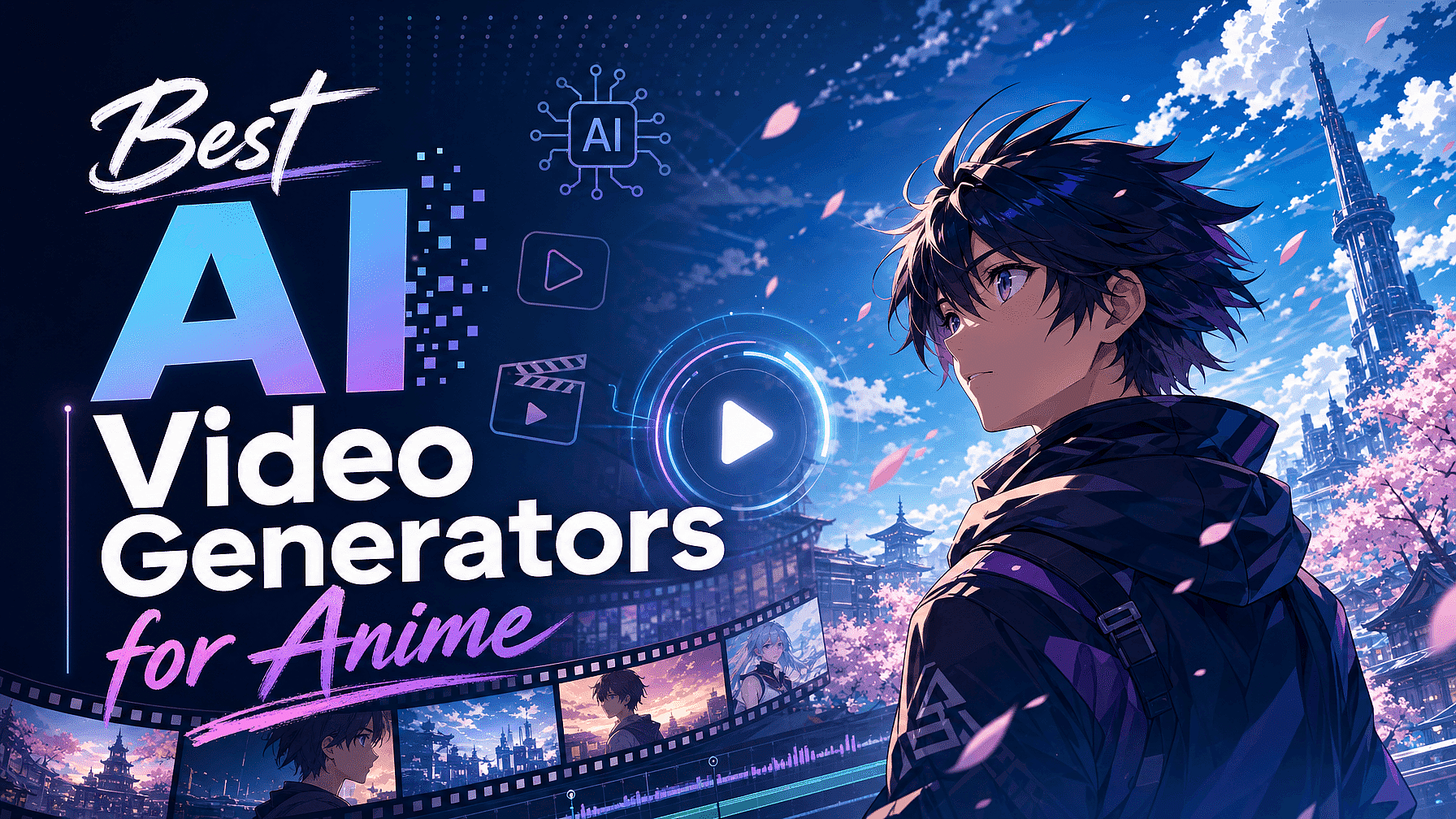
La generación de vídeo en estilo anime es una de las cosas más difíciles que puedes pedirle a un modelo de vídeo con IA. Un clip de anime creíble necesita líneas entintadas, sombreado cel plano, efectos dibujados en lugar de luz fotorrealista y ese tipo de movimiento exagerado que hace funcionar una escena de pelea, todo mientras el mismo personaje mantiene su diseño de un corte al siguiente.
La mayoría de los modelos siguen tirando hacia el fotorrealismo por defecto, así que elegir el adecuado Generador de vídeo con IA importa más para el anime que para casi cualquier otro estilo. Probamos las herramientas líderes en aquello que decide si una escena se lee como anime real o como cosplay en 3D, y las agrupamos según la tarea que cada una hace mejor.
Conclusiones clave
- OpenArt es la mejor opción integral para el anime, ya que combina OpenArt Director con modelos afinados para anime para que puedas crear personajes coherentes, openings y episodios completos.
- Kling 3.0 lidera en movimiento, con la acción sakuga, las órbitas de cámara y los fotogramas de impacto más fluidos de todos los modelos que probamos.
- Wan 2.7 es el que mantiene el anime con aspecto de dibujo de forma más fiable, conservando las líneas entintadas y el sombreado plano durante el movimiento, y además es de código abierto y gratuito para alojarlo por tu cuenta.
- Seedance 2.0 ha superado a Pika para clips de anime rápidos con audio nativo, mientras que el entrenamiento de LoRA de Krea es la opción para fijar un estilo artístico personalizado.
- Herramientas de avatares y fotorrealistas como HeyGen, Synthesia y Adobe Firefly no están pensadas para el anime, así que quedan fuera de esta lista.
Por qué el anime con IA por fin parece dibujado a mano
Si intentaste usar un Generador de vídeos de anime con IA hace un año, probablemente conseguías caras de goma e iluminación que parecía más de un videojuego que de un dibujo animado. Tres cambios en 2026 lo transformaron.
El primero es la retención del estilo durante el movimiento. Los mejores modelos ahora mantienen el trazo entintado y el sombreado plano mientras un personaje se mueve, así que los efectos se renderizan como efectos dibujados en lugar de colapsar en un brillo fotorrealista.
La segunda es la consistencia de los personajes. Los diseños de personajes reutilizables y el soporte de referencias hacen que la misma cara, el mismo pelo y el mismo look se mantengan en todas las escenas, que es lo que diferencia un clip suelto de una serie de verdad.
La tercera es el sonido y el idioma. Los modelos y plataformas ahora generan diálogos con sincronización labial en muchos idiomas, además de música y efectos, así que una apertura o una escena de lucha llega con el audio del que vive el anime.
Cómo los evaluamos para anime
Un modelo que crea un clip fotorrealista precioso puede fallar por completo con el anime, así que puntuamos según lo que el estilo exige de verdad, no según la calidad general del vídeo.
Nuestros seis criterios:
- Fidelidad al estilo artístico: ¿mantiene las líneas entintadas, el sombreado plano y los efectos dibujados, o deriva hacia lo fotorrealista?
- Movimiento y sakuga: ¿puede ofrecer acción expresiva, fotogramas de impacto y movimientos de cámara dinámicos?
- Consistencia de personajes: ¿sobrevive el mismo diseño a lo largo de planos y episodios?
- Control de estilo: ¿puedes fijar un aspecto concreto con referencias o entrenamiento personalizado?
- Voces y sincronización labial: ¿puede añadir diálogos en varios idiomas y sincronizar los labios?
- A partir de texto e imágenes fijas: ¿puede animar una escena escrita y dar vida a tu propio arte o viñetas?
El mejor generador de vídeo con IA para anime en general
1. OpenArt
Ideal para: crear una serie de anime coherente, no solo un clip
OpenArt se lleva el primer puesto porque trata el anime como una serie, no como una generación única. OpenArt Director convierte una escena escrita, un guion o un conjunto de viñetas en anime animado con escenas, diálogos, música y efectos, y das forma a cada momento chateando igual que un director da indicaciones.
La razón por la que encaja específicamente con el anime es la coherencia de los personajes. Diseñas un personaje una vez, lo guardas y reutilizas la misma cara, pelo y vestuario en cada plano, de modo que una apertura, una escena de lucha y un diálogo se lean todos como un único mundo coherente. Crea repartos reutilizables con OpenArt Characters.
También funciona con varios modelos afinados para anime en un mismo espacio de trabajo, incluidos Wan 2.7, Kling, Veo 3.1 y Seedance 2.0, así que puedes elegir el motor adecuado para cada plano. Puedes nombrar cualquier look de anime, desde la suavidad del slice-of-life hasta el contraste del shonen, añadir diálogos con lip-sync en muchos idiomas y dar vida a un webtoon o manga. Hay un plan gratuito, y planes de pago desde 14 $ al mes.
Los mejores modelos de IA para anime
Estos son los motores puros. Para el anime, la diferencia que más importa es fidelidad artística frente a movimiento, así que elige según si te importa más el aspecto dibujado o la acción.
2. Kling 3.0
Ideal para: acción sakuga y movimientos de cámara
Kling 3.0 ofrece el movimiento más fluido de todos los modelos que probamos con anime, lo que lo convierte en la opción ideal para la acción. Sigue las indicaciones de acción con precisión, gestiona órbitas de cámara dinámicas y produce ese tipo de fotogramas de impacto y líneas de velocidad que necesita una escena de lucha.
Su movimiento respeta la física del mundo real sin dejar de acertar en los momentos estilizados, así una secuencia de transformación o una persecución transmiten auténtica energía. Cuesta más que muchos rivales y puede tender a un acabado algo pulido, pero para los momentos sakuga y los cortes marcados por la cámara, Kling es la mejor opción.
3. Wan 2.7
Ideal para: mantener el aspecto dibujado durante el movimiento
Wan 2.7 es el que mantiene con más fiabilidad ese aspecto de anime auténtico. El trazado sigue entintado, el sombreado plano y los efectos se renderizan como efectos dibujados en lugar de luz fotorrealista, lo que lo convierte en la opción por defecto para escenas de diálogo y momentos emotivos donde el estilo artístico debe mantenerse.
Al ser de código abierto, puedes alojarlo tú mismo y ejecutar generaciones ilimitadas en hardware potente sin coste por clip. Puede tener problemas con la física compleja, pero cuando tu prioridad es la fidelidad al look de animación tradicional en lugar del movimiento espectacular, Wan 2.7 es el modelo a batir.
4. Seedance 2.0
Ideal para: clips de anime rápidos con sonido
Seedance 2.0 de ByteDance ha superado a Pika en anime en 2026, combinando velocidad con un manejo sólido del estilo. Genera clips con audio nativo en una sola pasada y acepta hasta 12 referencias de entrada, así que puedes darle hojas de personaje y mantener un diseño fiel al modelo.
La velocidad lo hace ideal para producir clips en volumen, como una tanda de shorts o cortes de reacción. Aún notarás algún que otro artefacto, pero para anime rápido con sonido integrado, Seedance es difícil de superar.
5. Pika 2.0
Ideal para: clips cortos y estilizados rápidos
Pika 2.0 es rápido y accesible, ideal para clips de anime cortos y estilizados que funcionan en las redes sociales. Es una forma fácil de convertir un personaje o un estado de ánimo en un momento compartible sin apenas configuración.
No igualará a los mejores modelos en fidelidad artística ni en movimiento, y Seedance lo ha superado en gran medida para el anime, pero para la velocidad y el volumen en clips cortos sigue teniendo su hueco. El intercambio es control y coherencia a cambio de resultados rápidos.
6. Google Veo 3.1
Ideal para: fondos cinematográficos e híbridos
Veo 3.1 tiende a lo fotorrealista, así que no es la primera opción para el anime cel puro, pero brilla en fondos cinematográficos, planos de situación y estéticas híbridas que combinan personajes de anime con entornos exuberantes. Renderiza hasta 4K con audio nativo y sigue las referencias con precisión.
Su prompting basado en ingredientes te da control real sobre la composición, lo que ayuda cuando quieres un paisaje pictórico al estilo Ghibli detrás de tus personajes. Para fondos y anime semirrealista, Veo es un gran complemento a los modelos más fieles al cel.
7. Sora 2
Ideal para: escenas narrativas de varias tomas
Sora 2 de OpenAI brilla cuando una escena de anime tiene que mantener la coherencia a lo largo de varios cortes, lo que encaja con el trabajo episódico y con enfoque narrativo. Gestiona la continuidad de escena y la consistencia de personajes entre planos mejor que la mayoría de la competencia.
Muchos creadores ya tienen acceso a través de ChatGPT Plus, así que es fácil integrarlo en un flujo de trabajo narrativo. El acceso independiente a Sora se retiró a principios de 2026, pero el modelo sigue vivo dentro de ChatGPT, y también aparece en plataformas agregadoras.
8. Runway
Ideal para: efectos y composición
Runway es la opción cuando quieres construir y componer efectos de anime en lugar de generar una escena entera a partir de un prompt. Su completa caja de herramientas de edición te permite superponer explosiones de energía, trabajo de partículas y transiciones con un control preciso.
La última generación es potente pero cara, y el movimiento complejo a veces puede parecer poco lógico. Aun así, para los creadores de anime que piensan como artistas de VFX y quieren dirigir artísticamente cada efecto, el control es difícil de igualar.
9. Luma Dream Machine
Ideal para: probar movimiento e ideas
Luma Dream Machine, impulsado por el modelo Ray, es una forma rápida y económica de probar cómo podría moverse una escena antes de comprometerte. Maneja bien el movimiento y la emoción e itera con rapidez, así que puedes probar varias tomas de un momento de acción.
No es el modelo más fiel al estilo cel, pero como herramienta de ideación al inicio de un proyecto se gana su lugar. Úsalo para fijar el movimiento que quieres y luego renderiza el resultado final en un motor más orientado al anime.
Agregadores para creadores de anime
Si quieres varios modelos capaces de crear anime sin hacer malabares con las suscripciones, un agregador te da muchos motores bajo un solo plan, para que puedas asignar a cada toma su mejor modelo.
10. Higgsfield
Ideal para: muchos modelos con capacidad para anime en un solo lugar
Higgsfield reúne más de 15 modelos de vanguardia en un solo espacio de trabajo, incluidos Kling 3.0, Seedance 2.0 y Veo 3.1, para que puedas alternar entre un modelo de movimiento y uno de fidelidad dentro de un mismo proyecto. Sus controles de cámara y sus presets con un clic te ayudan a dirigir artísticamente cortes estilizados.
Los precios empiezan gratis con 10 créditos al día, y los planes de pago desde 15 $ al mes. Los modelos premium consumen créditos rápidamente, así que vigila tu saldo cuando estés iterando sobre una escena de acción difícil.
11. Krea
Ideal para: entrenar un estilo anime personalizado
Krea reúne más de 60 modelos y, algo clave para el anime, ofrece entrenamiento de LoRA para que puedas enseñarle tu propio estilo artístico y reutilizarlo en distintas generaciones. Es la vía más rápida hacia un estilo propio que se mantenga coherente de una toma a otra.
Tienes modelos de vídeo compatibles con anime como Kling y Wan, junto a sus flujos de trabajo con Nodos. El plan gratuito da 100 unidades al día, el Basic cuesta 9 $ al mes y el plan Pro, a 35 $ al mes, desbloquea todos los modelos de vídeo. Para creadores que buscan un estilo propio, Krea es el hub más flexible aquí.
12. Magnific (antes Freepik)
Ideal para: generación más ilustraciones de anime
Magnific es la marca a la que Freepik cambió su nombre en abril de 2026, uniendo una gran biblioteca de stock y recursos con una creciente suite de IA. Para anime incluye modelos de vídeo como Kling, Wan y Seedance, junto a decenas de modelos de imagen útiles para hojas de personajes y fondos.
Un único sistema de créditos cubre vídeo, voz con IA, música con IA, escalado y una enorme biblioteca de recursos. Si creas anime a partir de imágenes fijas y quieres la generación justo al lado de tu arte de referencia, Magnific lo mantiene todo con un solo inicio de sesión.
Cómo elegir la herramienta adecuada para tu anime
Con tantas opciones, el mejor generador de vídeo con IA para anime depende de lo que más valores. Repasa unas cuantas preguntas antes de decidirte.
Decide primero entre fidelidad y movimiento. Si una escena es de diálogo o de ambiente, prioriza el look dibujado con Wan u OpenArt, y si es de acción, tira de Kling. Luego piensa en la consistencia y el estilo: si manejas personajes recurrentes o un look característico, prioriza los personajes reutilizables y el entrenamiento de LoRA por encima de un solo modelo en bruto.
Por último, valora el presupuesto y la escala. Wan es gratis para autoalojar a gran volumen, los agregadores reparten el coste entre muchos modelos y una plataforma de narrativa como OpenArt es la opción cuando quieres un episodio terminado en lugar de clips sueltos.
Precios del generador de vídeos anime con IA en 2026
La mayoría de las herramientas facturan por créditos en lugar de tarifas planas, lo que complica la comparación. Como guía aproximada, un creador de anime en solitario suele gastar entre 15 y 95 $ al mes, mientras que un canal que produce episodios completos en volumen puede pagar más.
Wan 2.7 es la excepción, ya que es de código abierto y gratuito para ejecutar en tu propio hardware, lo que encaja con creadores de gran volumen que dispongan de una GPU potente. Los agregadores como Krea (desde 9 $) y Higgsfield (desde 15 $) suelen ofrecer la mejor relación calidad-precio si quieres varios modelos, y OpenArt tiene un plan gratuito con planes de pago desde 14 $ al mes para proyectos más largos.
Cuando compares precios, compara el coste de una escena terminada y fiel al modelo, no el de un solo clip en bruto, ya que el anime vive o muere según la coherencia entre muchos planos.
Última palabra
El mejor generador de vídeo con IA para anime en 2026 depende del plano. Kling 3.0 lidera en movimiento y acción, Wan 2.7 conserva mejor el aspecto dibujado y es gratis para autohospedar, Seedance 2.0 es el más rápido con sonido, y Krea es la opción para entrenar un estilo personalizado. Veo, Sora 2, Runway y Luma cubren cada uno una tarea más concreta.
Si tu objetivo es un anime terminado con un reparto coherente en lugar de un solo clip, las opciones se reducen. Lo difícil es mantener los personajes y un estilo artístico a lo largo de muchas tomas y montarlas en una escena real, y ahí es donde OpenArt destaca. Selecciona dos o tres herramientas, pruébalas con tus propios diseños y quédate con la que te lleve de la idea al episodio más rápido.