

 ChatGPT
 Perplexity
 Claude
 Gemini
Access to Generative AI creative tools has never been more equal. Anyone with a subscription can generate images that would have required a professional studio two years ago. And anyone with a prompt can produce work that looks, at first glance, like the output of someone with years of craft behind them. The playing field has genuinely leveled, which makes the gap between the creators whose work stands out and the ones whose work disappears into the feed more interesting to study; that gap is no longer about access to tools, but about everything that surrounds how you use them.
Aquí tienes diez cosas que los creadores que hacen el trabajo más interesante ahora mismo hacen de forma constante no hacer.
01 — Nunca pidas perdón por el proceso
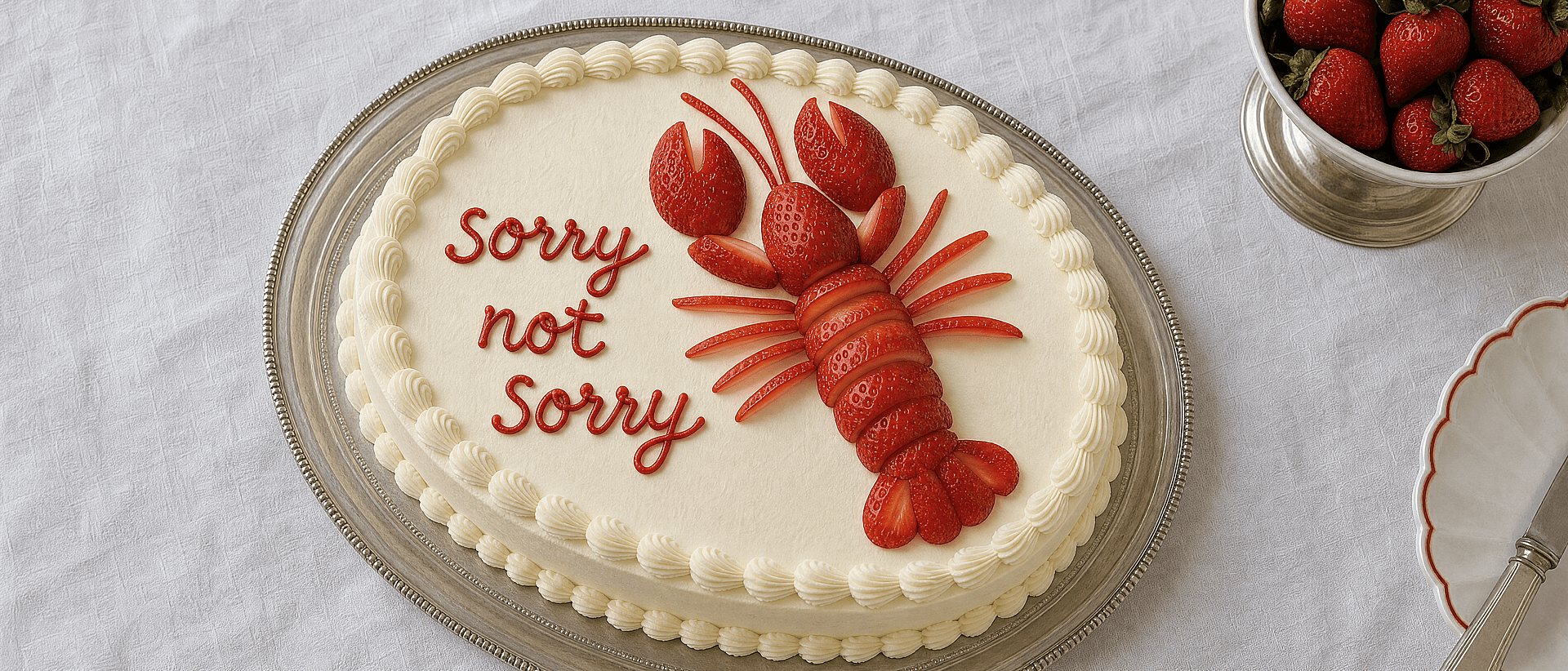 The strongest creators don't preface their work with disclaimers, hedge their captions with "this was made with AI so I know it's not real art," or perform ambivalence about their tools to manage someone else's discomfort. They stand behind the things they create and acknowledge that the process is part of the work, not something to apologize for. Creators who lead with apology are telling their audience how to receive the work before the audience has a chance to experience it, and almost always underselling something they should be proud of.
02 — Nunca confundas los seguidores con validación creativa
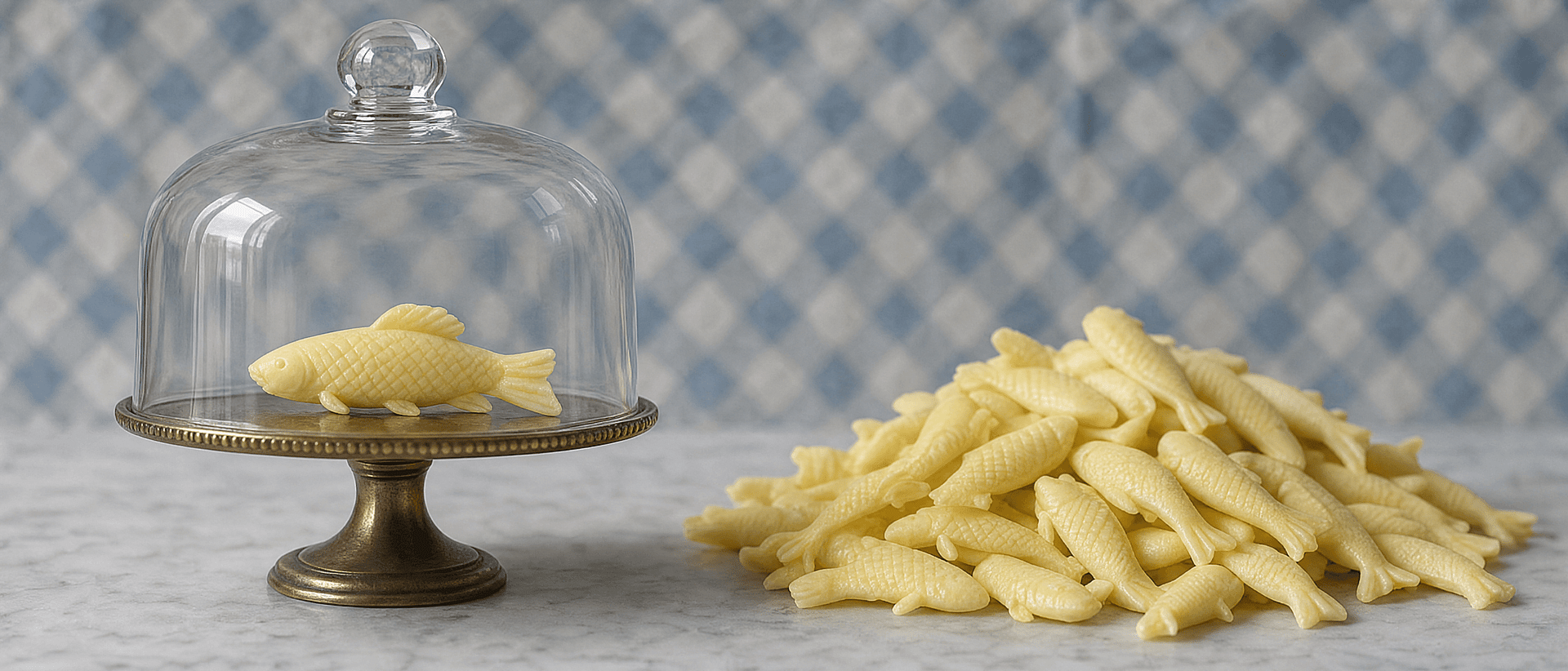 Engagement is a metric, not a verdict. The work that travels fastest on social media is often the most legible, the most familiar, the most calibrated to what an algorithm already knows people respond to. That's a different quality than the work that is most interesting, most original, or most distinctly yours. The sharpest creators know the difference, and they don't let their follower count dictate whether their work is good. They have other creative criteria, and those criteria are not dependent on whether a post performed.
03 — No dejes nunca que las tendencias decidan qué crear
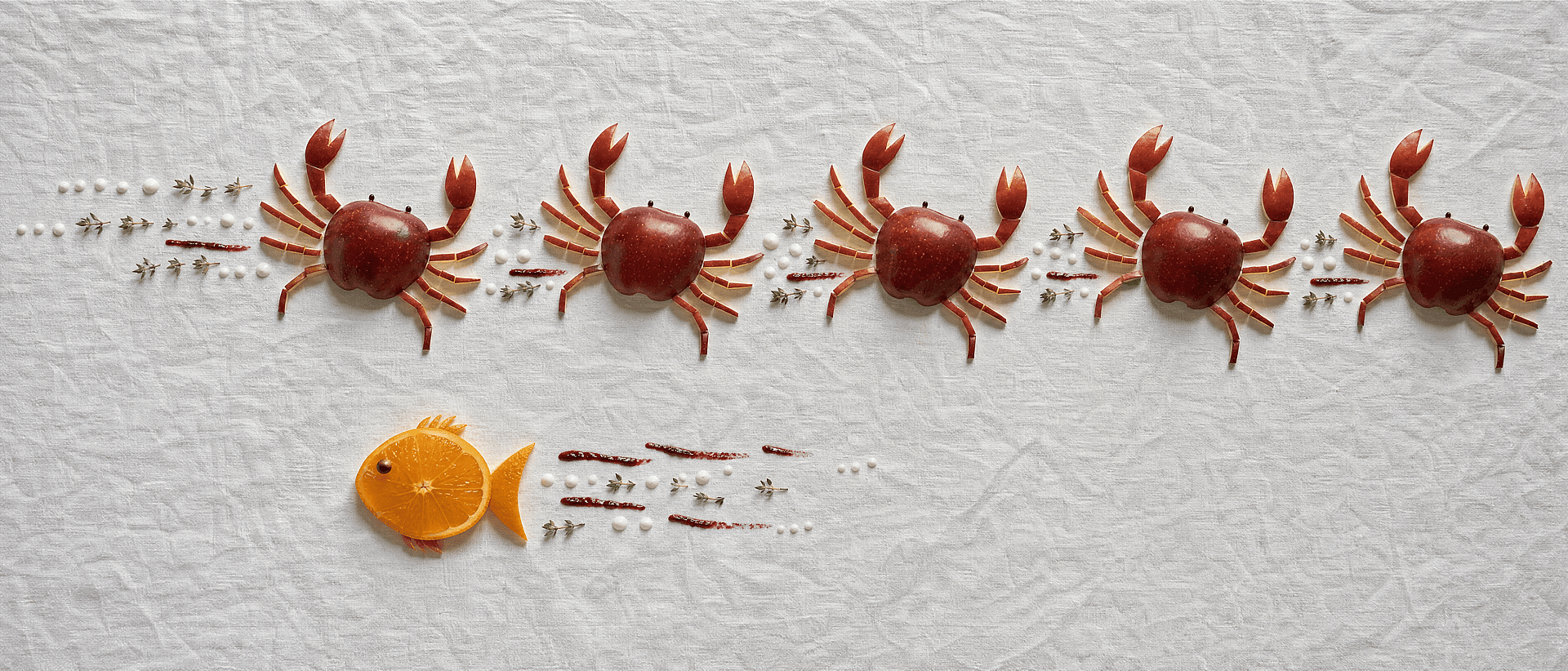 There will always be a trend afoot, a style that's everywhere right now, a prompt formula that is producing results people are responding to, an aesthetic wave that's cresting across the feeds. The best AI creators are aware of these trends but largely unmoved by them, because they make what they were going to make anyway, informed by the landscape but not directed by it. Trend-chasing is the fastest way to produce work that is perfectly calibrated to a moment that's already passing by the time it publishes. Want to participate in a trend? Try putting your own unique spin on it.
04 — Nunca confundas tener acceso a buenas herramientas con tener algo que decir
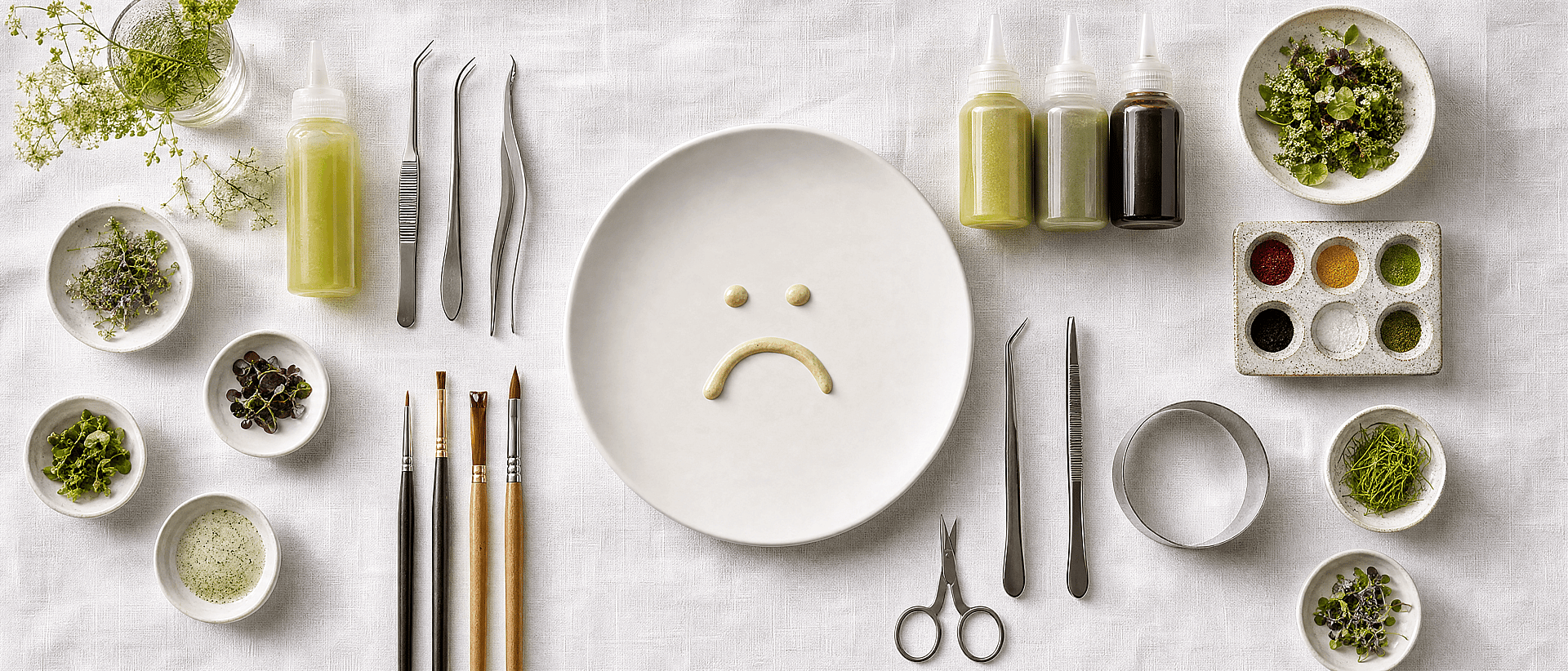 This is perhaps the most important one, and the hardest to sit with. Generating a technically excellent image is not the same as making something worth looking at. The tools can produce extraordinary outputs, but they cannot supply the intention, the perspective, the specific way of seeing that makes a piece of creative work matter to someone. The standout creators right now come to the work with something to say and use the tools to say it, while most others use the tools and cross their fingers that something worth saying comes out the other side.
05 — Nunca publiques sin editar
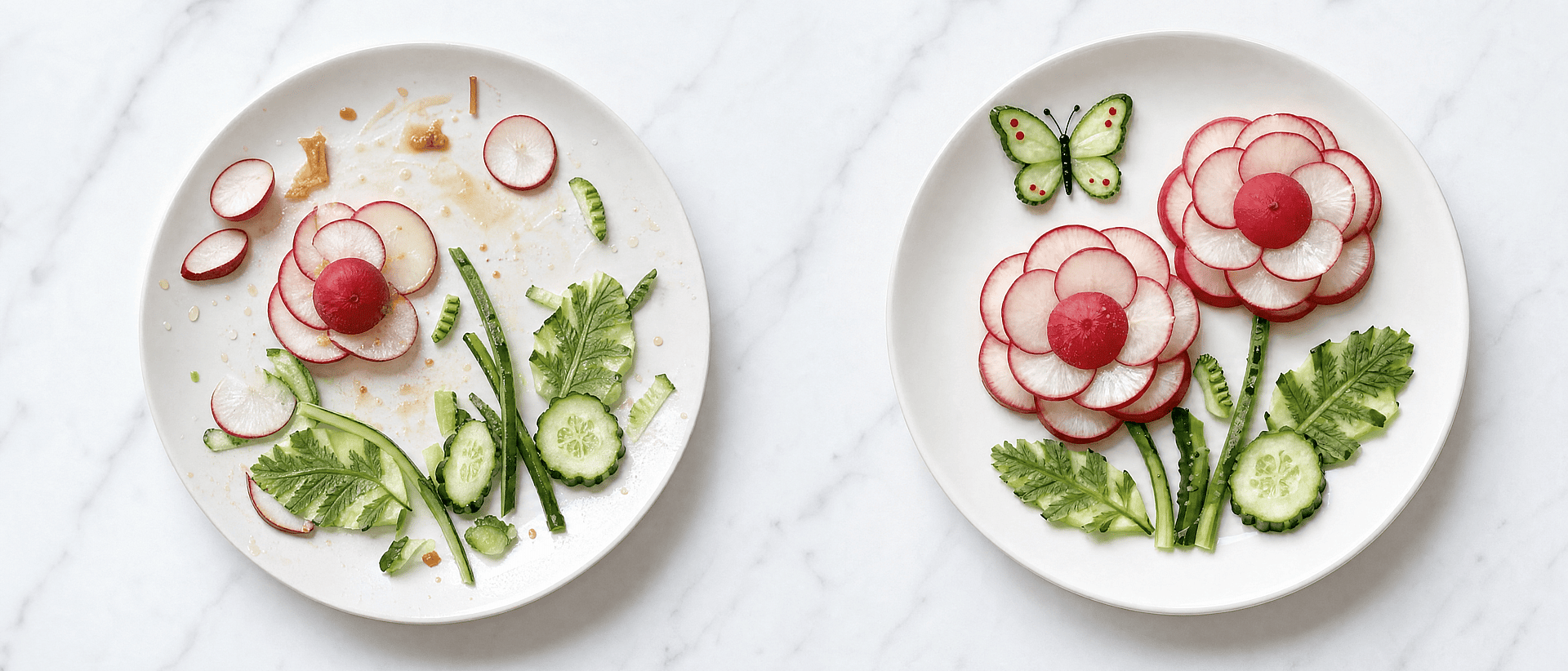 You should think of a singular generation as a first draft. Every piece of work that comes out of a model, however good it looks on first view, benefits from a human layer: a crop, a color grade, a decision about what to emphasize and what to pull back. Treat the output as the beginning of the process, not the end of it. Bring the image into your editing workflow, apply your taste to it, and publish the result of that engagement rather than the raw model output. It's in the edit that the work truly becomes tuyo.
06 — Nunca confundas crear con publicar
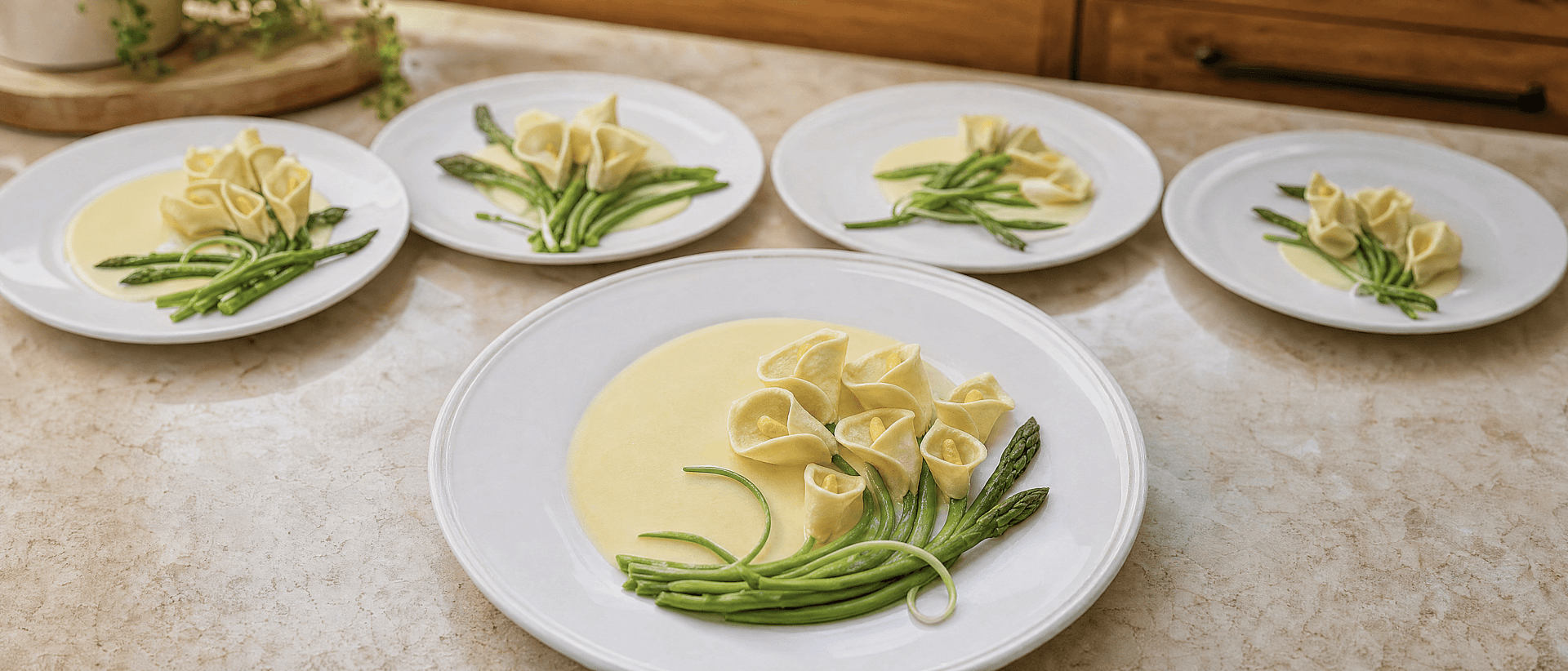 Volume does not equal a portfolio of work. The most compelling creators have an internal rejection rate that most people would find surprising: they generate far more than they ever show, and they're ruthless about what makes the cut. This isn't because most of what they generate is bad, it's because they have a standard that most outputs don't reach, and they protect that standard by not lowering it for the sake of staying active. A feed of occasionally extraordinary work is infinitely more powerful than a feed of consistently decent work, and the best creators know this well.
07 — Nunca confundas un estilo con un punto de vista
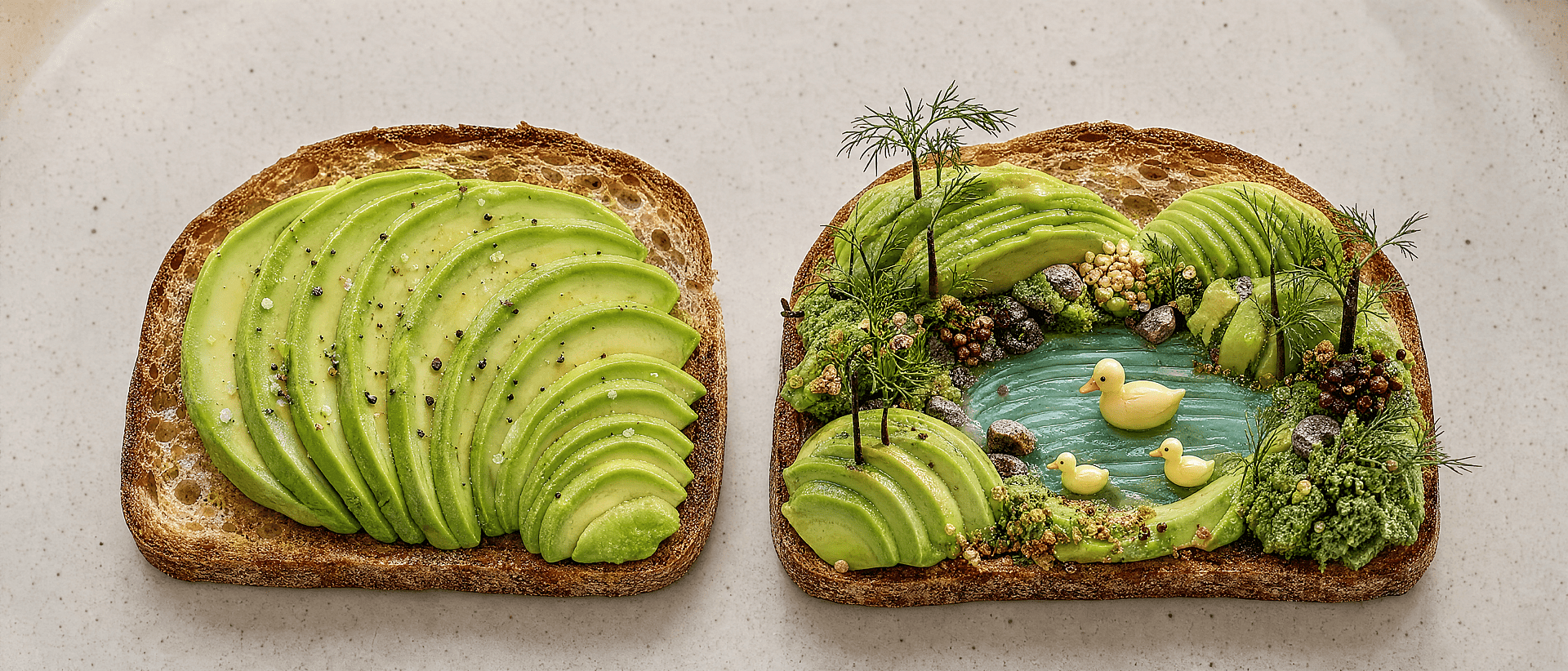 Un estilo es una estética, mientras que un punto de vista es un argumento; puedes tener una estética muy coherente y ninguna perspectiva concreta detrás, y la obra parecerá hueca de una forma difícil de nombrar pero fácil de sentir. Los mejores creadores de IA no solo desarrollan un estilo reconocible, sino que definen una posición: una forma de ver el mundo, un conjunto de cosas que le importan, una razón por la que su trabajo existe más allá de que sea capaz de hacerlo. El estilo es en realidad algo superficial; es el punto de vista lo que hace que alguien vuelva.
08 — Nunca optimices para la plataforma en lugar del trabajo
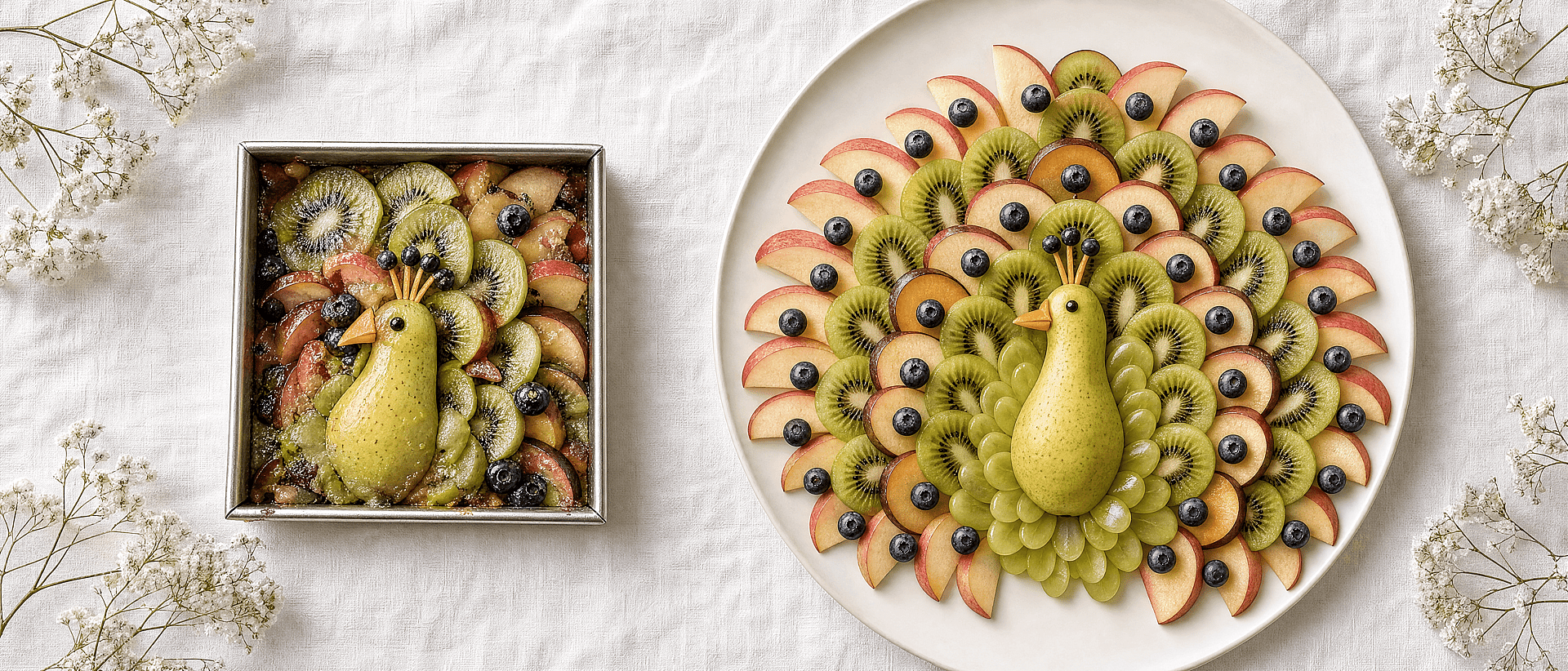 Aspect ratios, posting frequencies, caption lengths, hashtag strategies: all of these things matter, but quite frankly none of them matter as much as whether the work itself is good. The creators worth watching understand distribution without being beholden by it. They know how platforms work and make reasonable accommodations to that knowledge, but they don't let platform logic drive creative decisions. Work made for an algorithm (surprise surprise) tends to feel like it was made for an algorithm. The audiences can almost always tell, even when they can't quite articulate why.
09 — Nunca dejes que la comodidad sustituya a la curiosidad
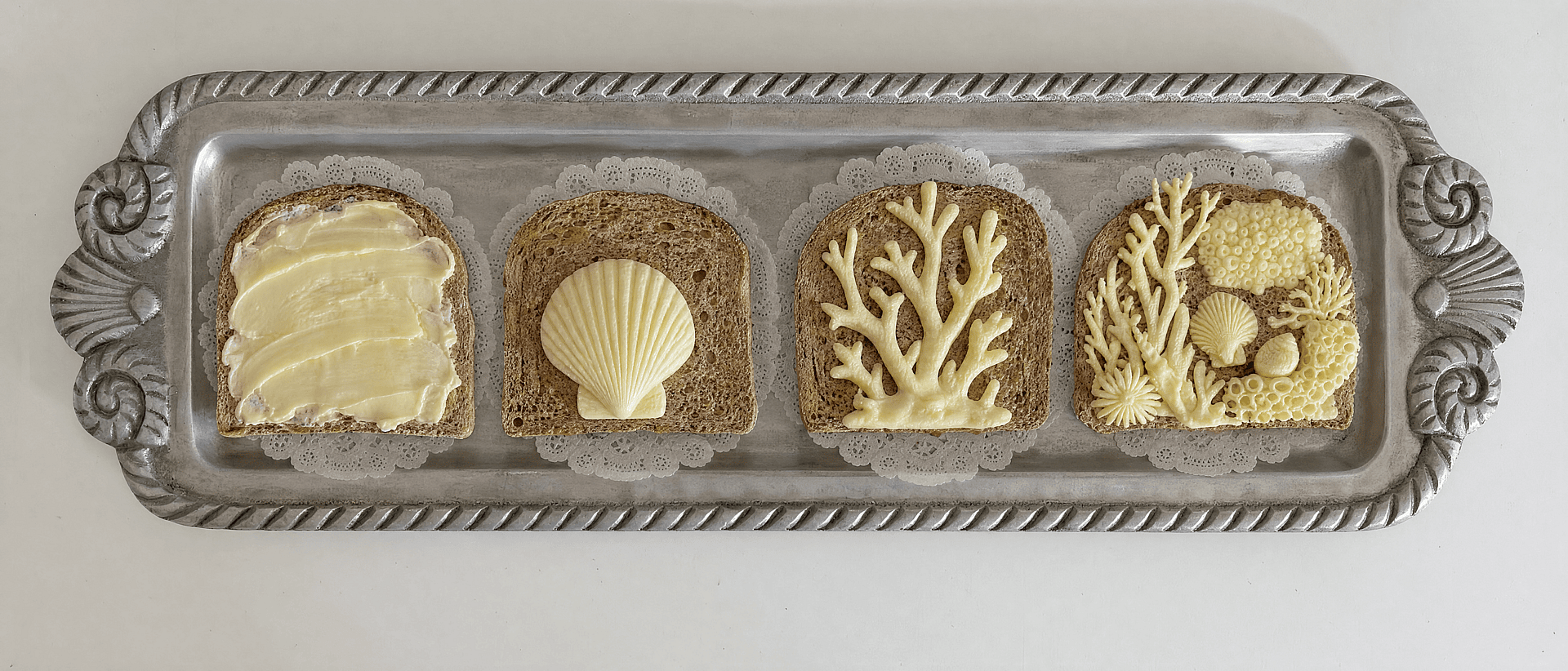 There's a plateau that many Gen AI creators hit when they find a workflow that produces reliably good results. The prompts that work become the prompts they always use, the models that feel comfortable become the only models they open. But the best creators resist this because they know that the plateau can be the beginning of creative stagnation. So they keep experimenting with models they haven't mastered, styles they haven't tried, approaches that feel risky and might not work. The learning is not separate from the practice, rather lo es la práctica.
10 — Nunca esperes a sentirte preparado
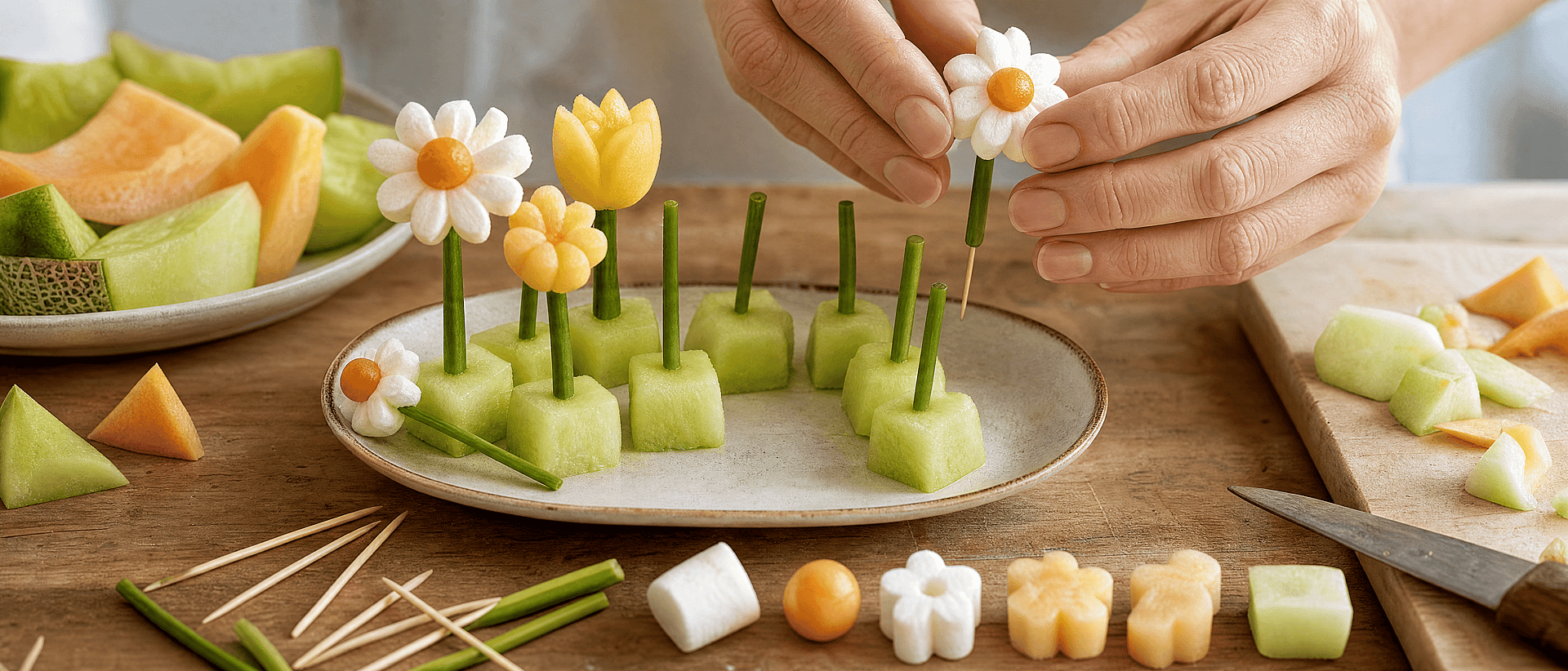 Si somos sinceros con nosotros mismos, la disposición a publicar nuestro trabajo al mundo es un sentimiento, no un estado. Los creadores más fuertes no son necesariamente más seguros que los demás, simplemente están más cómodos con la incomodidad de no saber si algo va a funcionar. Crean cosas antes de sentirse listos porque entienden que la sensación de estar listo viene de crear cosas, no de prepararse para hacerlas. El trabajo te enseña lo que necesitas saber, y la única forma de aprender es empezar por algún sitio.
Te habrás dado cuenta de que ninguno de los puntos anteriores trata sobre qué modelo usar o cómo escribir un mejor prompt. Tratan sobre la mentalidad con la que abordas el trabajo, y eso es algo que construyes de forma deliberada con el tiempo, a través de las decisiones que tomas sobre qué crear, qué conservar, qué publicar y, en última instancia, qué defender.
Las herramientas que tenemos al alcance ahora mismo son realmente extraordinarias (¡y no paran de mejorar!), pero no pueden darte un punto de vista. Esa parte siempre ha sido tuya.