

 ChatGPT
 Perplexity
 Claude
 Gemini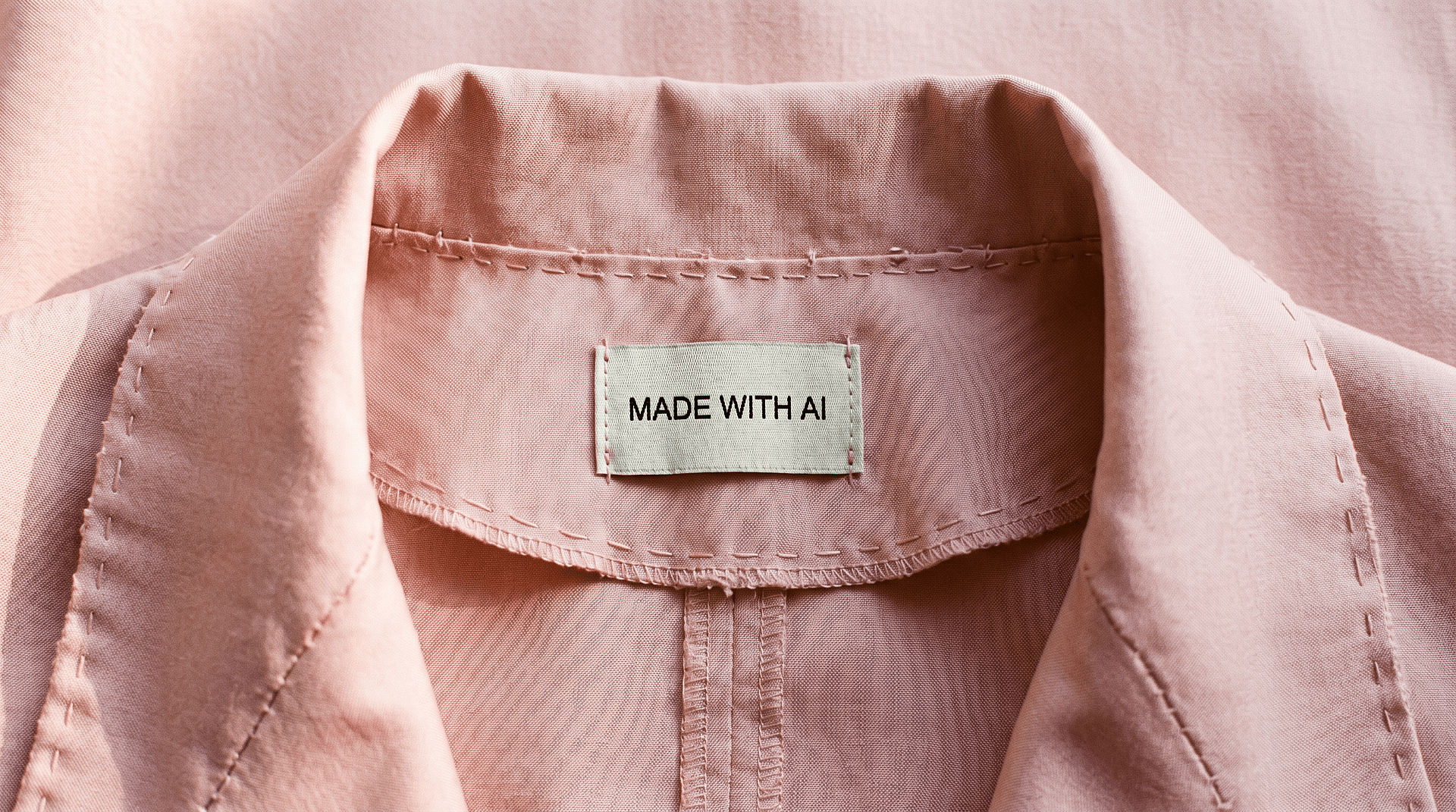
Somewhere between posting your work and checking back on it later, a small "Made with AI" label appeared underneath it, and you didn't put it there. The platform did, automatically, because your file carried metadata that identified it as AI-generated. Or maybe you saw a toggle during upload that said something about AI disclosure and clicked past it without totally understanding what it was asking. Either way, the question of whether to label your AI content is one nobody has a clean answer to yet.
So here's what's actually going on, platform by platform, and then a few thoughts on the part that the platforms can't decide for you.
What the platforms actually require
Every major platform has built its disclosure rules around one core concern: realistic content that could mislead someone into thinking something happened that didn't. A synthetic video of a public figure saying something they never said. A fabricated news event. A face-swapped video of a real person. That is what the platforms are worried about, and it is meaningfully different from, say, an AI-generated product mockup you posted to your brand's Instagram, or an illustrated digital artwork you made for a client campaign.
Instagram and Facebook
Meta's system works on two tracks running simultaneously. The first is a self-disclosure toggle in the upload flow, where you can proactively mark content as AI-generated before posting. The second is automatic detection: Meta reads C2PA provenance metadata embedded in files from major AI tools, and when that metadata is present, an "AI Info" label appears on the post whether you toggled anything or not. The policy targets photorealistic content, manipulated imagery of real people, and synthetic audio. Clearly stylized or illustrative AI work sits in different territory. That said, creators who repeatedly fail to self-disclose when the platform detects AI involvement can face reach restrictions, so getting ahead of it is smarter than playing catch-up.
TikTok
TikTok requires you to toggle on an AI label for content that is completely generated or significantly edited by AI, but it is specific about what that means. The label is required when a real person is shown saying something they didn't say, doing something they didn't do, or when their appearance is so substantially altered that they're no longer recognizable. The platform explicitly says you do not need the label for minor corrections, enhancements, or using AI as a writing or editing assistant. An AI-generated visual used as a backdrop or thumbnail is not the same thing as a synthetic video of a real person. The label, when applied, does not affect how the content is distributed.
YouTube
YouTube began enforcing its AI disclosure policy in early 2025. The toggle lives in YouTube Studio under "Altered or synthetic content", and it applies to videos, Shorts, and livestreams that depict real events, places, or people in ways that could mislead. Synthetic voices that sound like real people, fabricated news-style footage, and manipulated visuals of people saying or doing things they never did all require the label. Creative content that is clearly not meant to be mistaken for reality does not.
The throughline across all three platforms is the same: they are solving for misinformation, not creative expression. If your work is clearly creative rather than deceptive, you are generally not in mandatory disclosure territory.
The metadata situation
Here's the thing that catches a lot of creators off guard: many AI tools now embed provenance metadata directly into the files they generate, following a technical standard called C2PA. This is essentially a record of how the file was made, baked invisibly into the image itself. When you upload that file to Instagram or another platform that reads C2PA data, the platform can apply an AI label based on the file's own record, before you have a chance to decide anything.
This isn't necessarily a trap or the platforms being sneaky, it's just the direction the whole content ecosystem seems to be moving: toward files that carry their own origin story. The practical upshot is that self-disclosing proactively is the smarter move, since it gives you control over the narrative rather than leaving it to an automated label.
The part that's actually yours to figure out
Complying with platform policy is the floor. What you say about your work beyond that minimum is a different question, and a more interesting one.
Envato's State of AI in Creative Work 2026 report found that 58% of creative professionals have used AI in client work without disclosing it, with nearly half saying they didn't feel obligated to list every tool in their process. That's a reasonable position, and honestly not a surprising one. Creatives don't typically disclose every tool in their process, whether that's a Lightroom preset, a stock subscription, or the plugin that cleaned up their audio. The question is whether the people on the other side of your work would feel differently about AI, and the honest answer is: sometimes yes, sometimes no, depending entirely on context and relationship.
For creators building an audience around their visual work, transparency about AI has actually become a compelling content strategy on its own, because the creative decisions you make in directing and editing AI outputs are genuinely interesting to people. A lot of creators have found that talking openly about how they work builds a more engaged audience than staying vague about it, and that the people who are bothered by AI use were never really the audience anyway.
For client work, the calculus can be slightly different. Most clients only care about the output, but a client who discovers AI was involved later and feels like that was withheld is a much harder conversation than one that happens naturally and early. When there's any doubt about whether someone would want to know, maybe assume they would.
There's one part of this conversation that doesn't have to be so grey, and that's the IP side. Disclosure is about what you tell people, but copyright is about what you actually own and what rights you might be stepping on. Those are separate questions, and the second one has clearer answers right now. OpenArt's IP Safety Check feature was built in partnership with Copysight specifically because we believe creators should be able to make and share work with confidence, not just hope for the best. Before you worry about how to label something, it's worth knowing that the work itself is on solid ground.
Platform policies will likely keep tightening, and the EU AI Act's labeling requirements hitting full enforcement in August 2026 is just one example of the direction things are moving. More transparency, not less.
But more than compliance, the creators who are navigating this era well are the ones who have an actual point of view about their work and how they made it. The label is small, but what you choose to say about it is not.