

 ChatGPT
 Perplexity
 Claude
 Gemini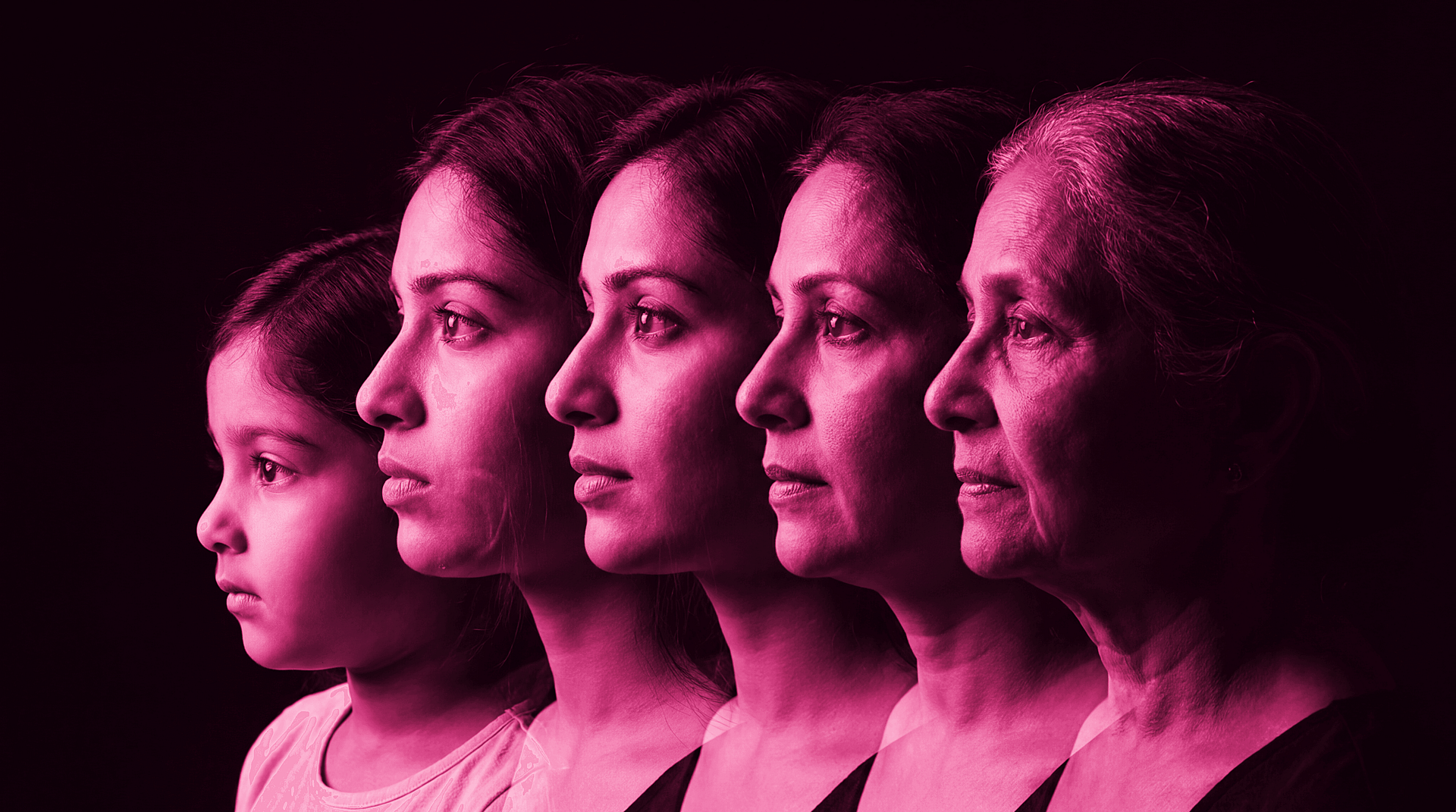
你与 AI 创作的关系,并非始于你第一次打开图像生成器的那一天。它始于你第一次意识到工具能创造事物、以及这些工具是为谁而生的那一刻。这份认知由你成长的时代塑造:你到来时既有的技术、你遇到或未曾遇到的把关者、你看着大人们完成的那些创作,以及那些被告知「不算正经」的创作。
这些都不是命中注定,而是背景。而背景决定一切。
婴儿潮一代/1946–1964 年出生:你见证了创意成为一个产业。如今它又在变成别的东西。
The television was furniture. It was always on, always warm, always slightly too loud. The radio was how music reached you: not chosen, delivered, a voice from somewhere deciding what you'd hear next. Creativity in your childhood was a performance that happened somewhere else, by someone who'd already made it, and you watched. Then the counterculture arrived and told you that wasn't true anymore. That the song could come from a kid in a garage. That the poster could be made by hand. That art was a form of argument. You believed it, and you made things, and you still do.
What's complicated now isn't the technology. It's the question of authorship, a question your generation has thought about longer than any other, because you watched the culture industries consolidate, watched the independent get absorbed, watched "selling out" become a moral category and then a punchline. AI creativity lands differently when you have a forty-year relationship with the politics of who gets to make things and who gets paid for it. Your skepticism isn't technophobia, and it's entirely earned.
问题不在于 AI 能否创造美,而在于美是否才是重点。
那些用 AI 进行创作的婴儿潮一代——其实比舆论所说的要多——往往会像使用以往任何工具那样使用它:作为对既有想法的延伸。他们并不是漫无目的地写 prompt。他们清楚自己想表达什么,只是找到了一种新的表达方式。
X 一代 / 1965–1980 年出生:你早就在做这件事了,只是没这么叫它。
If the basement had a four-track recorder, you were in it. Zines were photocopied at the library when the librarian wasn't watching. Mixtapes were a creative medium: the sequencing deliberate, the handwriting on the label considered. You made things before there was an infrastructure for making things. Before platforms. Before anyone without a label, a gallery, or a publisher could reach an audience worth reaching. You made them anyway, traded them with other people who were doing the same thing, and you called that a scene.
X 一代早就见过这一幕,也知道结局如何:工具被吸纳,手艺得以延续,而门槛对所有人都降低了。这不是抵触,而是心照不宣。你亲眼见证了每一波数字工具的到来:桌面出版、数字音频工作站、Photoshop、Pro Tools、Final Cut。每一次都有人说它会扼杀手艺,可每一次手艺都活了下来,门槛降了下来,能够创作的人越来越多。
X 世代真正怀疑的其实不是 AI,而是那些炒作。任何新事物那套天花乱坠的说辞,一直都让你反感。有用你就用,而且很可能已经在用了,只是不大张旗鼓——这非常符合你的风格。
X 一代在 1987 年创作时从不等谁点头,如今更不会。
千禧一代 / 1981—1996 年出生:你围绕创作工具建立了自我认同。如今工具的变化速度,已经快过认同追赶的脚步。
You were the first generation to grow up with the internet as a given, but late enough that you remember the before. The dial-up screech. The moment Napster arrived and you understood, viscerally, that the rules were changing and nobody was going to stop it. You taught yourself things on forums and wikis and YouTube tutorials before YouTube was a career path. You made Tumblrs and DeviantArt pages and SoundCloud accounts not because you thought they'd go anywhere but because the making was the point, and suddenly there was somewhere to put what you made. Creative tools stopped being gatekept and started being everywhere, and you ran toward them.
Which is why AI is so disorienting for so many Millennials. Not because it's a threat, most of you are pragmatic enough to see past that framing, but because it moves the identity question. You spent years developing a relationship with your tools. Learning Lightroom, learning Ableton, learning Premiere. The competence was part of the creative self. AI doesn't erase that competence, but it does relocate it. The skill is now less about execution and more about vision, taste, direction. That's actually a promotion, even if it doesn't always feel like one.
技艺并没有消失,只是往上游转移了。AI 只是让一个一直成立的事实再也无法被忽视:眼光与品味,比执行更重要。
最年轻的千禧一代,也就是与 Z 世代交界处的那批人,他们记得 MySpace,如今也玩得转 TikTok,往往能在两个世界间自如穿梭。他们既怀有千禧一代守护手艺的本能,又比同代人更能坦然拥抱 AI。他们常常是场上最有意思的 AI 创作者,因为他们既有背景又有能力。他们清楚自己在做什么,而且毫不歉疚。
Z 世代/1997–2012 年出生:最纠结的一代,也是最先想明白这件事的一代。
手机一直都在。它不是奢侈品,也不是新鲜玩意儿,几乎就像身体的一个器官。内容取之不尽,而这些内容也出自和你年纪相仿的人之手,这意味着创作不再是一种抽象的向往,而是同龄人身边随处可见的日常行为 完成。滤镜是一种创意选择,编辑是一门艺术。消费者与创作者之间的界线,早在你还没意识到它存在过的时候就已消融。你从小就笃信:只要你有话想说,就总有办法说出来,也总会有人愿意听。
And yet Gen Z is statistically the most ambivalent about AI creativity: the heaviest users and the most likely to feel shame about it. It may seem like a contradiction, but it makes complete sense. You're the generation that built your creative identity on authenticity as a value. Real opinions, real faces, raw takes. AI creativity can feel like it violates that, like it's the opposite of the voice you spent years cultivating. The shaming hits harder when the accusation is that you're being fake, and you've staked part of your identity on not being fake.
Z 世代也是在气候焦虑的背景音中长大的一代,而大规模运行大型 AI 模型的能耗,是一个真实且合理的担忧,绝非空谈。对一些 Z 世代创作者来说,对 AI 的犹豫压根不在于真实性,而在于产出是否值得这样的代价。
Alpha 一代 / 2013 年至今出生:他们根本无法理解我们当年在争论什么。
他们十岁、十一岁、十二岁。AI 早已进入他们的学校、他们的平板,就在他们某个周二下午拿来做点好玩东西的工具里。他们没见证它的到来,它本来就在那儿。就像电,像彩色摄影,又像你在房间里张口一说就能听到任何一首录制过的歌曲那样理所当然。
Alpha 一代对 AI 创作不会有什么纠结的情绪,因为在他们的记忆里,创作从来就包含了 AI。它到底
他们这一代人,将来回望这场争论时,会像我们回望任何一场围绕某个工具的道德恐慌那样——而那工具最终不过是个工具而已。带着几分亲切,几分困惑,以及那种从不必为一份自己都不知道需要的许可去争取的人,才有的从容自信。
每一代人都有各自的创作传承:一套关于创作成本几何、由谁来创作、以及创作意味着什么的认知。这些认知源自你所身处的时代、你手边既有的工具,以及你不得不面对的那些把关者。
AI 并没有抹去这一切,而是叠加在它之上。这也是为什么,无论你的反应如何都说得通;也是为什么,坐在你旁边、早生或晚生十年的人,面对同一张图像,感受可能截然不同。
我们生来就为了生成。所谓的生成,不过是你继承了这个故事的哪一个版本。