

 ChatGPT
 Perplexity
 Claude
 Gemini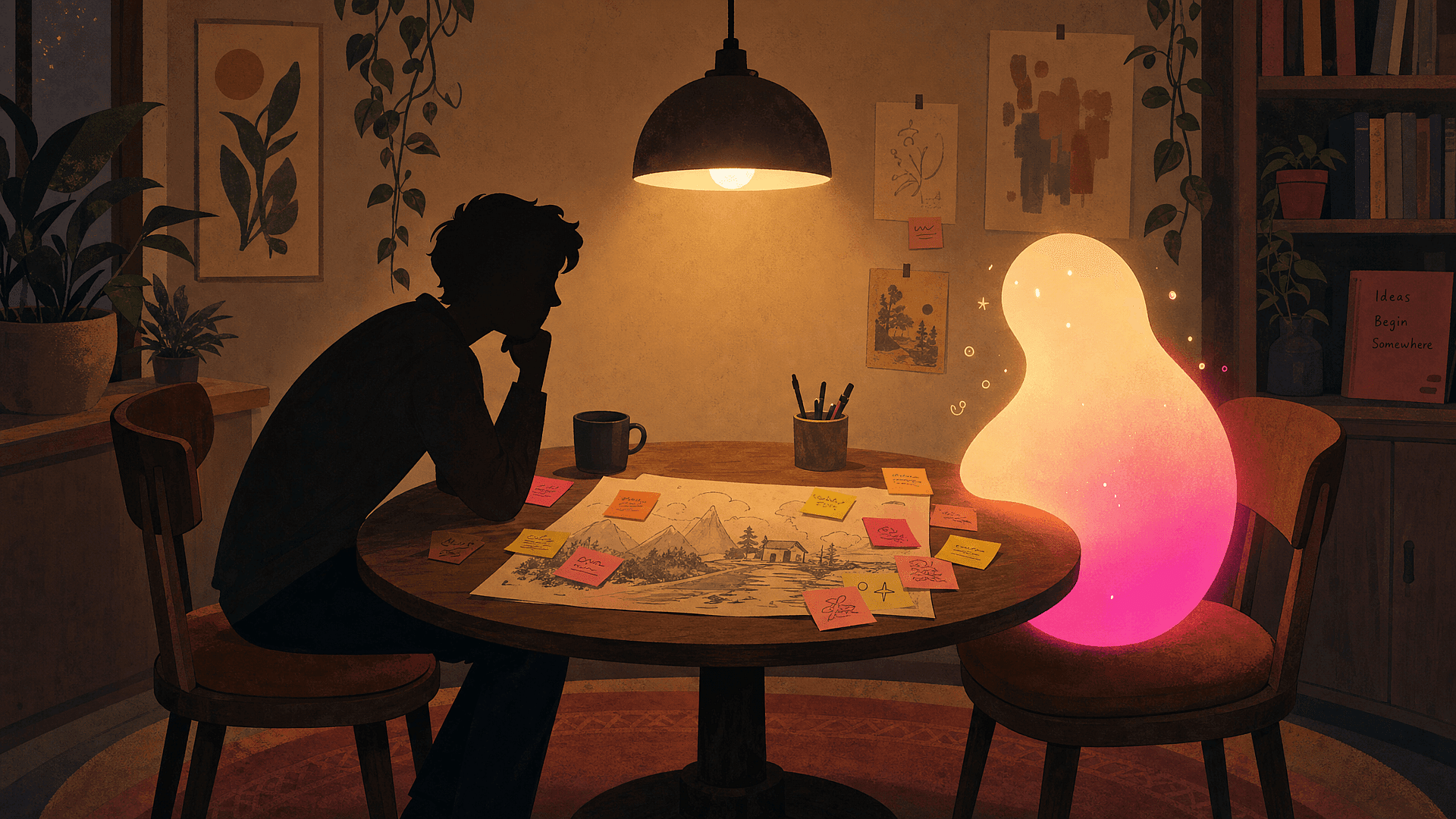
看看这些真实的示例 prompt Google DeepMind 当初发布 Nano Banana Pro 时:“把这个场景变成夜晚。”“聚焦到花朵上。”“通过缩减背景把宽高比改成 1:1,角色完全保持在当前位置不变。”这些都不像过去两年人们苦练的那种信息密集、堆料满满的 prompt,反倒像是留给一位早已了解你在做什么的合作者的便条,只需给出下一条指令。
That's not an accident of phrasing. It's the actual design of the tool. Nano Banana Pro is built to hold an image in an ongoing exchange: you don't redescribe the whole scene to change the lighting, you just say what to change and it edits the frame you already have. OpenAI's newest release works the same way, just from the chat side rather than the canvas side. Instead of writing one exhaustive prompt and hoping, you can say "make the sky more orange" or "add a coffee cup to the left," and the model modifies the existing image instead of generating a new one from scratch, closer to giving direction to a designer than typing a search query. When OpenAI shipped that generation of the model, ChatGPT Images 2.0, on April 21, 它一举登顶 Image Arena 排行榜的每一个类别,且领先优势之大创下了该榜单的历史纪录,这也说明了整个行业如今认定的真正竞争点在哪里:不再单纯比拼首次出图的画质,而是看模型能否在一轮轮编辑中始终跟上思路、不跑偏。
That shift changes what the actual skill is. Prompt engineering, as a discipline, grew up around the idea that a prompt was a kind of incantation: get the wording, the modifiers, the syntax exactly right, and the single generation you got back was the whole game. A lot of the early advice reflected that, elaborate templates, keyword stacking, the sense that there was one correct spell for any given image. None of that disappears entirely, but it stops being the center of the skill once the tool expects you to keep talking. 问题不再只是“我该先说什么”,而是“接下来我要改的这一处是什么,以及我怎么知道什么时候该收手”。
That second question turns out to be the harder one, and it's a more familiar kind of hard. It's the same judgment a photographer uses deciding whether a shot needs one more adjustment or is already right, the same instinct an editor uses knowing which note to give first and which ones can wait. Directing a back-and-forth well means noticing what's actually wrong with a draft rather than everything that could theoretically be different about it, and it means knowing your own taste well enough to recognize the version that's actually finished instead of just the version that's different from the last one.
None of this makes the initial prompt irrelevant. A clear starting instruction still saves you several rounds of correction later, the same way a clear brief saves a designer several rounds of revision. But the center of gravity has moved. The people getting the most out of these tools right now aren't the ones with the cleverest opening prompt. They're the ones who know how to keep a conversation going toward something specific, correcting course a little at a time, without losing track of what they were 真正 最初想要创作的效果。