
 ChatGPT
 Perplexity
 Claude
 Gemini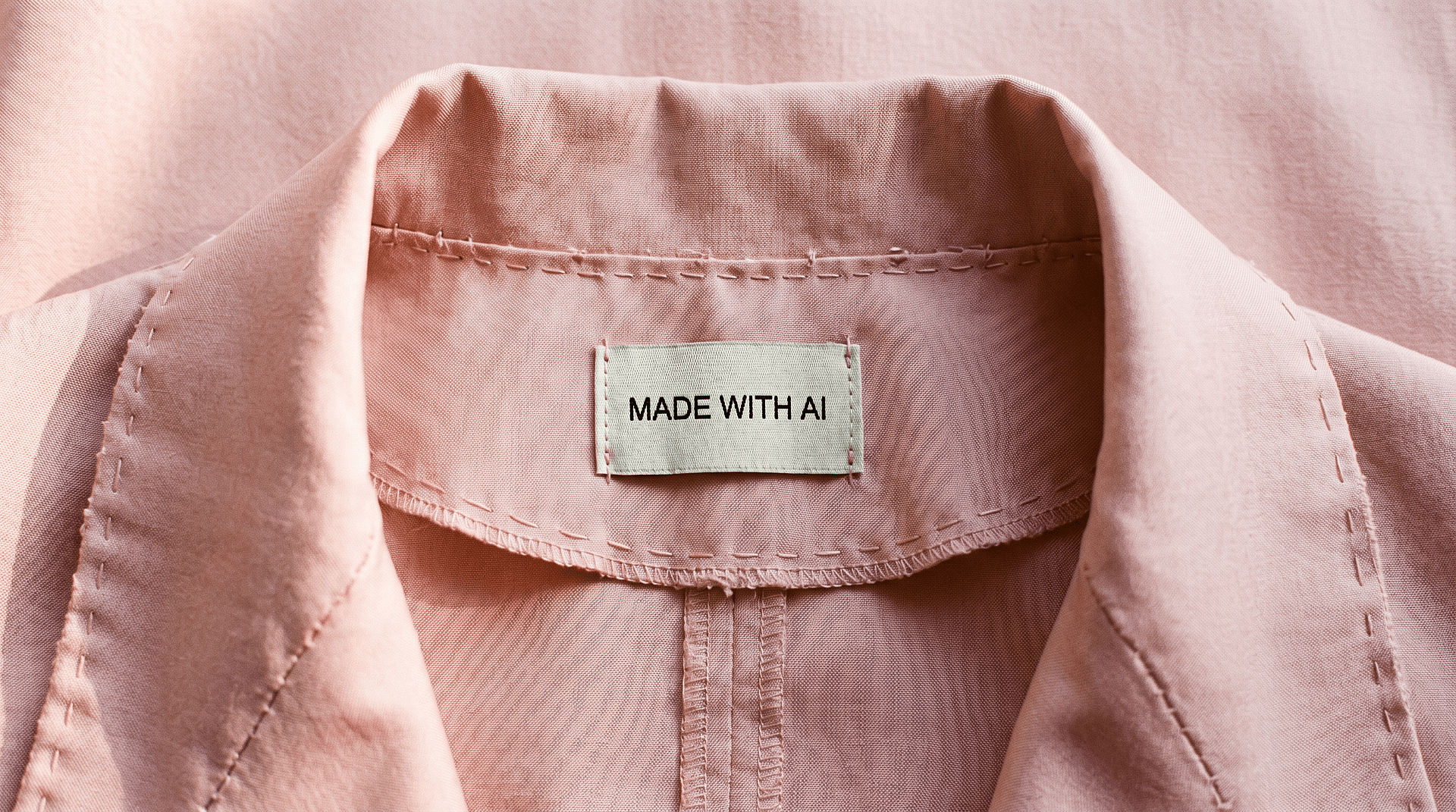
Somewhere between posting your work and checking back on it later, a small "Made with AI" label appeared underneath it, and you didn't put it there. The platform did, automatically, because your file carried metadata that identified it as AI-generated. Or maybe you saw a toggle during upload that said something about AI disclosure and clicked past it without totally understanding what it was asking. Either way, the question of whether to label your AI content is one nobody has a clean answer to yet.
下面就来逐个平台看看实际情况如何,然后再聊聊那些平台无法替你决定的部分。
各平台真正的要求
Every major platform has built its disclosure rules around one core concern: realistic content that could mislead someone into thinking something happened that didn't. A synthetic video of a public figure saying something they never said. A fabricated news event. A face-swapped video of a real person. That is what the platforms are worried about, and it is meaningfully different from, say, an AI-generated product mockup you posted to your brand's Instagram, or an illustrated digital artwork you made for a client campaign.
Instagram 与 Facebook
Meta 的系统同时运行在两条轨道上。第一条是上传流程中的自主声明开关,你可以在发布前主动将内容标记为 AI 生成。第二条是自动检测: Meta 会读取 C2PA 来源元数据 嵌入在各大 AI 工具生成的文件中。只要存在这类元数据,无论你是否打开了任何开关,帖子上都会出现「AI 信息」标签。该政策针对的是逼真写实内容、对真人的篡改图像以及合成音频。明显风格化或插画类的 AI 作品则属于另一个范畴。话虽如此, 当平台检测到 AI 参与时反复不主动声明的创作者 可能会面临触达受限,所以提前应对比亡羊补牢更明智。
TikTok
TikTok 要求你打开 AI 标签开关 for content that is completely generated or significantly edited by AI, but it is specific about what that means. The label is required when a real person is shown saying something they didn't say, doing something they didn't do, or when their appearance is so substantially altered that they're no longer recognizable. The platform explicitly says you do not need the label for minor corrections, enhancements, or using AI as a writing or editing assistant. An AI-generated visual used as a backdrop or thumbnail is not the same thing as a synthetic video of a real person. The label, when applied, does not affect how the content is distributed.
YouTube
YouTube 已于 2025 年初开始执行其 AI 信息披露政策。 该开关位于 YouTube Studio 的「篡改或合成内容」下,此规定适用于以可能误导观众的方式呈现真实事件、地点或人物的视频、Shorts 和直播。听起来像真人的合成语音、伪造的新闻式画面,以及让真人说出或做出从未有过之事的篡改影像,都必须添加标签。明显不会被误认为真实的创意内容则无需标注。
三大平台的共同主线都是一样的:它们要解决的是虚假信息问题,而非创意表达。如果你的作品明显是创作而非误导,那你通常并不属于强制披露的范畴。
元数据的情况
有件事让很多创作者措手不及:现在许多 AI 工具会遵循一项名为 C2PA 的技术标准,把来源元数据直接嵌入所生成的文件里。这本质上是一份关于文件如何生成的记录,隐形地嵌入图像本身。当你把这样的文件上传到 Instagram 或其他能读取 C2PA 数据的平台时,平台可以根据文件自带的这份记录添加 AI 标签,而你还没来得及做出任何决定。
这不一定是陷阱,也不是平台在耍花招,只是整个内容生态似乎正朝这个方向发展:文件自带来源信息。实际的启示是,主动自我声明才是更聪明的做法,因为这样你能掌控叙事的主动权,而不是把它交给自动化标签。
真正需要你自己想清楚的部分
遵守平台政策只是底线。除此最低要求之外,你想为自己的作品说些什么,则是另一个问题,也是更有意思的问题。
Envato《2026 创意工作中的 AI 现状》报告 found that 58% of creative professionals have used AI in client work without disclosing it, with nearly half saying they didn't feel obligated to list every tool in their process. That's a reasonable position, and honestly not a surprising one. Creatives don't typically disclose every tool in their process, whether that's a Lightroom preset, a stock subscription, or the plugin that cleaned up their audio. The question is whether the people on the other side of your work would feel differently about AI, and the honest answer is: sometimes yes, sometimes no, depending entirely on context and relationship.
对于围绕视觉作品打造受众的创作者来说,坦诚使用 AI 本身就成了极具吸引力的内容策略,因为你在执导和编辑 AI 输出时所做的创意抉择,真的能引起人们的兴趣。许多创作者发现,公开谈论自己的创作方式,比含糊其辞更能培养出参与度高的受众,而那些反感 AI 的人,本来也从来不是你的目标受众。
接客户项目时,情况可能略有不同。大多数客户只关心成品,但如果客户日后发现用了 AI,并觉得这件事被刻意隐瞒,那这场谈话会比自然、及早地坦白棘手得多。只要有一点疑虑,觉得对方可能会想知道,那就不妨假设他们确实想知道。
这场讨论中有一部分其实并不那么模糊,那就是知识产权。信息披露关乎你告诉别人什么,而版权关乎你实际拥有什么、又可能侵犯了谁的权利。这是两个不同的问题,而后者眼下有着更明确的答案。OpenArt 的 IP 安全检查 该功能由以下伙伴合作打造 Copysight 正是因为我们相信,创作者应当能够自信地创作并分享作品,而不只是碰运气。在你操心该如何标注之前,先知道作品本身站得住脚,才是最要紧的。
平台政策很可能会持续收紧,而 欧盟《AI 法案》的标注要求将于 2026 年 8 月全面强制执行 只是这一趋势的一个缩影而已。更透明,而非更少透明。
但比起合规本身,真正能在这个时代游刃有余的创作者,是那些对自己的作品以及创作方式有明确观点的人。标签虽小,但你选择就此说些什么,却分量不轻。