

 ChatGPT
 Perplexity
 Claude
 Gemini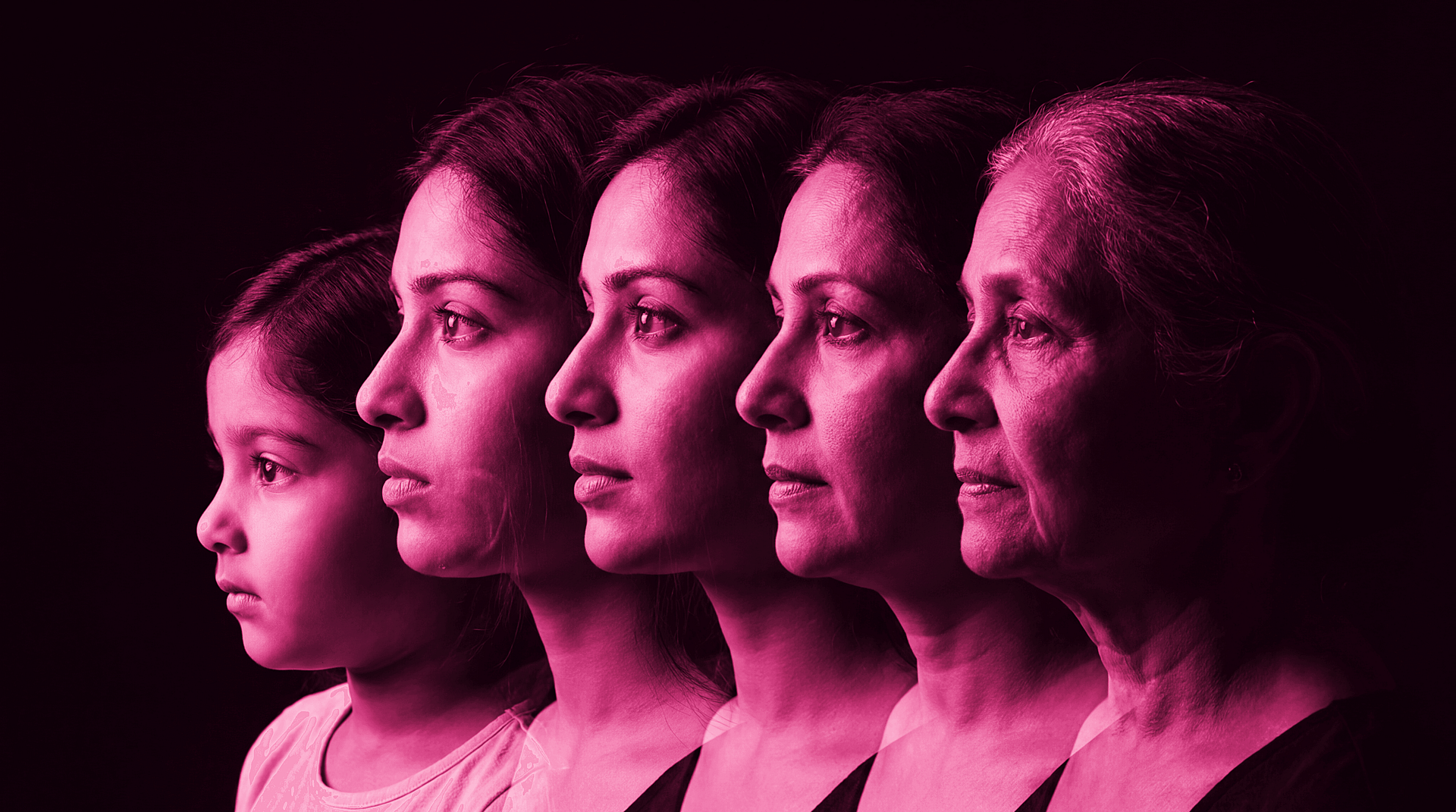
Ta relation à la créativité par IA n'a pas commencé le jour où tu as ouvert ton premier générateur d'images. Elle a commencé au moment où tu as compris pour la première fois que des outils pouvaient créer des choses, et à qui ces outils étaient destinés. Cette compréhension a été façonnée par le monde dans lequel tu as grandi : la technologie qui était déjà là quand tu es arrivé, les gardiens que tu as croisés ou non, les actes créatifs que tu as vu les adultes accomplir et ceux qu'on t'a dit de ne pas prendre au sérieux.
Rien de tout cela n'est une fatalité. Mais c'est du contexte. Et le contexte, c'est tout.
Boomers / nés entre 1946 et 1964 : tu as vu la créativité devenir une industrie. Aujourd'hui, elle devient autre chose.
The television was furniture. It was always on, always warm, always slightly too loud. The radio was how music reached you: not chosen, delivered, a voice from somewhere deciding what you'd hear next. Creativity in your childhood was a performance that happened somewhere else, by someone who'd already made it, and you watched. Then the counterculture arrived and told you that wasn't true anymore. That the song could come from a kid in a garage. That the poster could be made by hand. That art was a form of argument. You believed it, and you made things, and you still do.
What's complicated now isn't the technology. It's the question of authorship, a question your generation has thought about longer than any other, because you watched the culture industries consolidate, watched the independent get absorbed, watched "selling out" become a moral category and then a punchline. AI creativity lands differently when you have a forty-year relationship with the politics of who gets to make things and who gets paid for it. Your skepticism isn't technophobia, and it's entirely earned.
La question n'est pas de savoir si l'IA peut créer quelque chose de beau, mais si la beauté est vraiment le but.
Les Boomers qui utilisent l'IA de façon créative, et ils sont plus nombreux que le discours ambiant ne le laisse penser, ont tendance à s'en servir comme de tous les outils qui l'ont précédée : comme le prolongement d'une idée qu'ils avaient déjà. Ils ne prompt pas dans le vide. Ils savent ce qu'ils veulent dire, ils ont juste trouvé une nouvelle façon de le dire.
Génération X / né entre 1965 et 1980 : Tu le faisais déjà. Tu ne l'appelais simplement pas comme ça.
If the basement had a four-track recorder, you were in it. Zines were photocopied at the library when the librarian wasn't watching. Mixtapes were a creative medium: the sequencing deliberate, the handwriting on the label considered. You made things before there was an infrastructure for making things. Before platforms. Before anyone without a label, a gallery, or a publisher could reach an audience worth reaching. You made them anyway, traded them with other people who were doing the same thing, and you called that a scene.
La Gen X a déjà vu ça, et elle sait comment ça se termine : l'outil est absorbé, le métier survit, et la barrière à l'entrée baisse pour tout le monde. Ce n'est pas de la résistance, c'est de la lucidité. Tu as vu débarquer chaque vague d'outils numériques : la PAO, les stations audio numériques, Photoshop, Pro Tools, Final Cut. Et à chaque fois, quelqu'un a annoncé la mort du métier, et à chaque fois, le métier a survécu, la barrière à l'entrée a baissé et plus de gens ont pu créer.
Ce dont la génération X se méfie vraiment, ce n'est pas tant l'IA que le battage médiatique. La version survoltée de toute nouveauté t'a toujours agacé. Tu l'utilises quand c'est utile, et c'est probablement déjà le cas, sans en faire tout un plat, ce qui te ressemble bien.
La génération X n'a pas attendu la permission pour créer en 1987, et elle ne l'attend certainement pas aujourd'hui.
Millennials / nés entre 1981 et 1996 : tu as construit ton identité autour des outils créatifs. Aujourd'hui, les outils évoluent plus vite que ton identité ne peut suivre.
You were the first generation to grow up with the internet as a given, but late enough that you remember the before. The dial-up screech. The moment Napster arrived and you understood, viscerally, that the rules were changing and nobody was going to stop it. You taught yourself things on forums and wikis and YouTube tutorials before YouTube was a career path. You made Tumblrs and DeviantArt pages and SoundCloud accounts not because you thought they'd go anywhere but because the making was the point, and suddenly there was somewhere to put what you made. Creative tools stopped being gatekept and started being everywhere, and you ran toward them.
Which is why AI is so disorienting for so many Millennials. Not because it's a threat, most of you are pragmatic enough to see past that framing, but because it moves the identity question. You spent years developing a relationship with your tools. Learning Lightroom, learning Ableton, learning Premiere. The competence was part of the creative self. AI doesn't erase that competence, but it does relocate it. The skill is now less about execution and more about vision, taste, direction. That's actually a promotion, even if it doesn't always feel like one.
Le savoir-faire n'a pas disparu, il a remonté d'un cran, et l'IA a simplement rendu impossible d'ignorer une vérité qui a toujours existé : la vision et le goût comptent plus que l'exécution.
Les plus jeunes Millennials, ceux à la frontière de la Gen Z, qui se souviennent de MySpace mais maîtrisent aujourd'hui TikTok, naviguent aisément entre les deux mondes. Ils portent l'instinct Millennial de protéger le savoir-faire, tout en étant plus à l'aise avec l'IA que la plupart de leur génération. Ce sont souvent les créateurs IA les plus intéressants, parce qu'ils ont le contexte et la maîtrise. Ils savent ce qu'ils font et ils ne s'en excusent pas.
Gen Z / née entre 1997 et 2012 : la génération la plus partagée. Et aussi celle qui percera ça la première.
Le téléphone était toujours là. Pas comme un luxe ou une nouveauté, mais presque comme un organe. Le contenu était infini, et il était aussi créé par des gens à peu près de ton âge, ce qui signifiait que créer des choses n'était pas une aspiration abstraite, mais un comportement observable que les gens de ton entourage adoptaient simplement a fait. Les filtres étaient des choix créatifs. Le montage était un art. La frontière entre consommateur et créateur s'est dissoute avant même que tu sois en âge de remarquer qu'elle avait un jour existé. Tu as grandi en supposant que si tu avais quelque chose à dire, il y avait un moyen de le dire et quelqu'un pour l'entendre.
And yet Gen Z is statistically the most ambivalent about AI creativity: the heaviest users and the most likely to feel shame about it. It may seem like a contradiction, but it makes complete sense. You're the generation that built your creative identity on authenticity as a value. Real opinions, real faces, raw takes. AI creativity can feel like it violates that, like it's the opposite of the voice you spent years cultivating. The shaming hits harder when the accusation is that you're being fake, and you've staked part of your identity on not being fake.
La Gen Z est aussi la génération qui a grandi avec l'anxiété climatique en bruit de fond, et l'empreinte énergétique liée au fonctionnement de grands modèles IA à grande échelle est une préoccupation réelle et légitime, pas un simple argument. Pour certains créateurs de la Gen Z, l'hésitation autour de l'IA n'a rien à voir avec l'authenticité. Il s'agit de savoir si le résultat en vaut le coût.
Gen Alpha / né·e·s de 2013 à aujourd'hui : ils ne comprendront pas de quoi on se disputait.
Ils ont dix, onze, douze ans. L'IA est déjà dans leurs écoles, dans leurs tablettes, déjà dans l'outil qu'ils utilisent pour créer le truc qu'ils font pour s'amuser un mardi après-midi. Ils ne l'ont pas vue arriver, elle était simplement là. Comme l'électricité, la photo couleur, ou le fait de pouvoir écouter n'importe quelle chanson jamais enregistrée en le demandant à voix haute dans une pièce.
La génération Alpha n'entretiendra pas une relation compliquée avec la créativité IA, car elle ne connaîtra pas une créativité qui n'en contenait pas. La question de savoir si c'est « réel » leur apparaîtra comme nous apparaît aujourd'hui la question de savoir si la photographie numérique était « réelle » : intéressante d'un point de vue historique, mais émotionnellement sans enjeu. Ils créeront des choses, et certaines seront extraordinaires. Mais ils ne s'arrêteront pas pour justifier la méthode.
C'est la génération qui reviendra sur ce débat comme nous revenons sur n'importe quelle panique morale bâtie autour d'un outil qui s'est finalement révélé n'être qu'un outil. Avec un peu d'affection. Avec un peu de perplexité. Avec l'aisance tranquille de ceux qui n'ont jamais eu à se battre pour une permission dont ils ignoraient avoir besoin.
Chaque génération a un héritage créatif : un ensemble de présupposés sur ce que coûte la création, qui a le droit de créer et ce que ça signifie quand on le fait. Ces présupposés ont été façonnés par le monde dans lequel tu es arrivé, les outils déjà en place, les gardiens auxquels tu devais te confronter.
L'IA n'efface rien de tout ça, elle s'y ajoute. C'est pourquoi ta réaction a du sens, quelle qu'elle soit, et pourquoi la personne à côté de toi, née dix ans plus tôt ou plus tard, peut ressentir quelque chose de complètement différent en regardant exactement la même image.
Nous sommes tous nés pour générer. La génération, c'est juste la version de cette histoire dont tu as hérité.