

 ChatGPT
 Perplexity
 Claude
 Gemini
Ces dernières années, la barrière pour créer des visuels percutants n'a cessé de baisser, mais cela signifie surtout que le goût, le montage et l'œil averti font vraiment la différence. Les marques qui suivent le rythme font ce qu'elles ont toujours fait, quelle que soit la source de la disruption : elles gardent une voix visuelle forte.
Le nouveau paysage visuel
L'IA générative a donné un mégaphone à chaque marque ; alors que la plupart s'en servent pour crier plus fort, les plus malignes s'en servent pour parler plus clairement. Et ça a créé un paradoxe. On produit plus de contenu visuel qu'à n'importe quel moment de l'histoire, et pourtant de moins en moins de ce contenu est reconnaissable. Plus de finition, moins d'identité. Plus de volume, moins de voix.
Parcours n'importe quel fil d'actualité en ce moment et tu verras à quoi ça ressemble. Paysages fantastiques. Maquettes de produits élégantes. Photos de vie parfaites. Presque rien ne marque, parce que presque rien n'a de point de vue derrière. Les visuels sont soignés, mais aucune voix ne les relie, aucun fil conducteur ne dit qui a créé ça ni pourquoi ça compte.
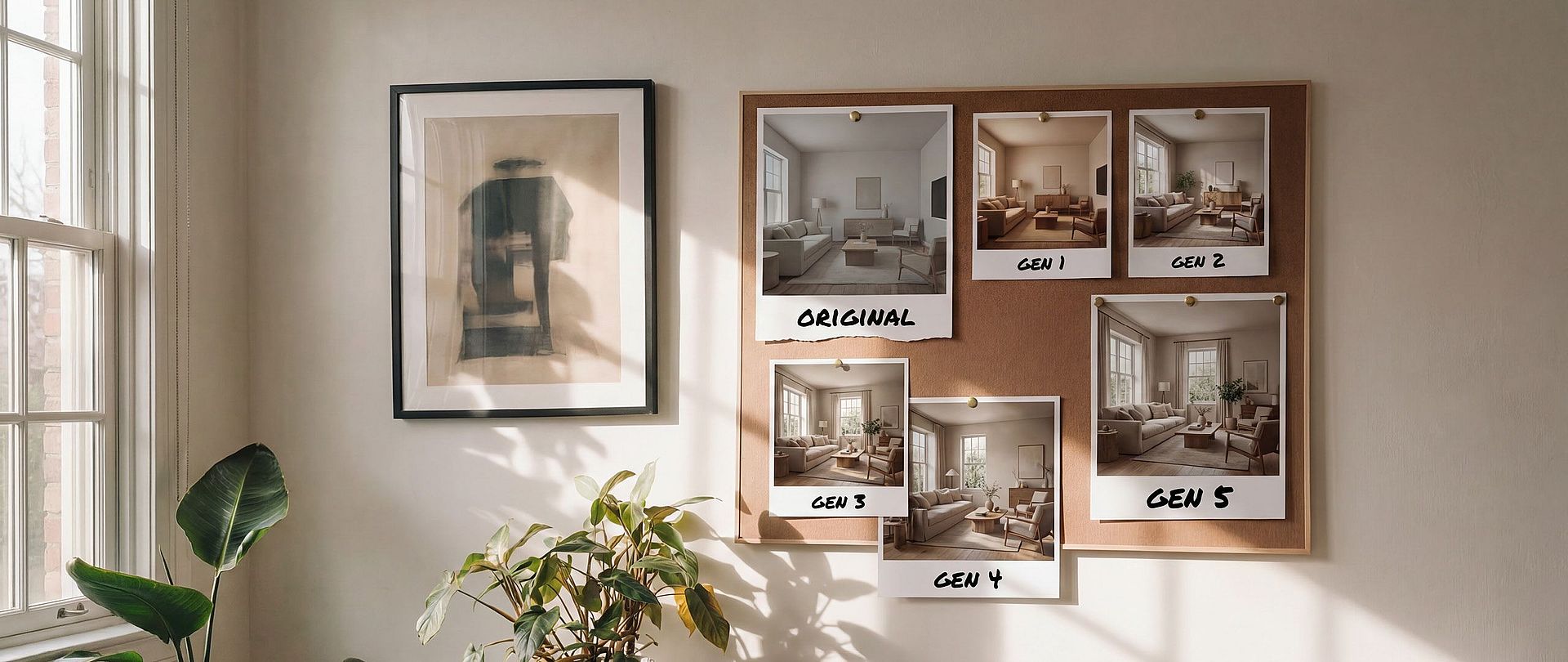
Building a visual brand has always meant assembling a team: photographers, designers, studios, post-production. That's still how a lot of brands work, and for plenty of them it always will be. For others, generative AI has started showing up as another tool in the toolbox, sitting alongside the photoshoots and the design systems rather than replacing them. And for the brands leaning into it, the workflow looks different in places. A single person with a clear vision can generate polished, professional-looking imagery in an afternoon, and the friction between an idea and a finished image has never been lower.
Mais les outils ne font pas le travail créatif. Ça n'a jamais été le cas, et ça ne l'est toujours pas. Le créateur, le conteur, le visionnaire de la marque reste celui qui décide, comme toujours. La différence aujourd'hui, c'est à quel point il est facile de confondre l'outil avec le savoir-faire.
For years, quality was the differentiator. A brand that could afford beautiful photography or sharp design had a built-in edge, and consumers noticed. Now quality is table stakes. AI tools have democratized access to "good-looking," which means the definition of standing out has fundamentally shifted. What cuts through isn't polish anymore. It's personality. Think about the brands you recognize instantly. Not because their logo is big, but because their visual language is so consistent and distinct that you'd know them anywhere. A specific palette. A recurring motif. A mood that feels like them and nothing else.
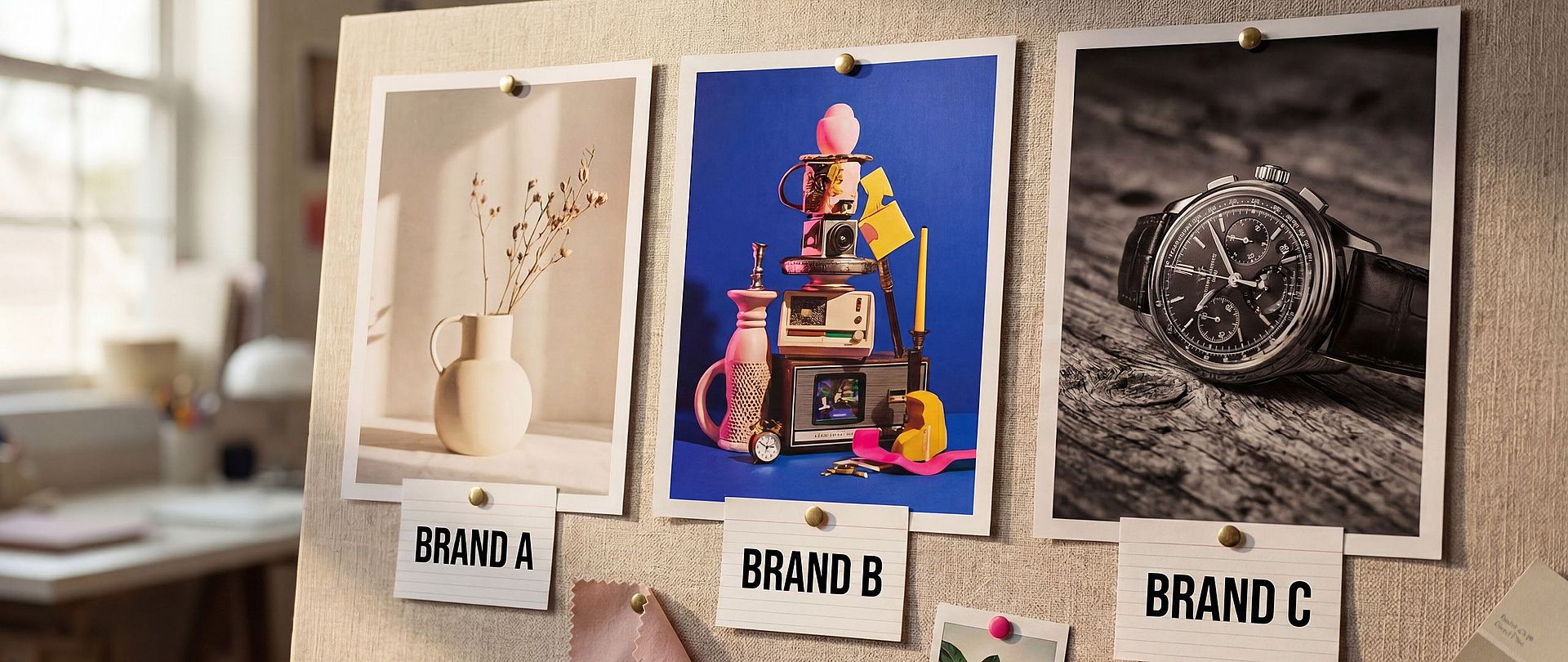
C'est une voix visuelle, et c'est bien plus qu'un guide de style. Ce n'est pas un document de palette de couleurs qui dort dans un dossier Notion que personne ne lit.
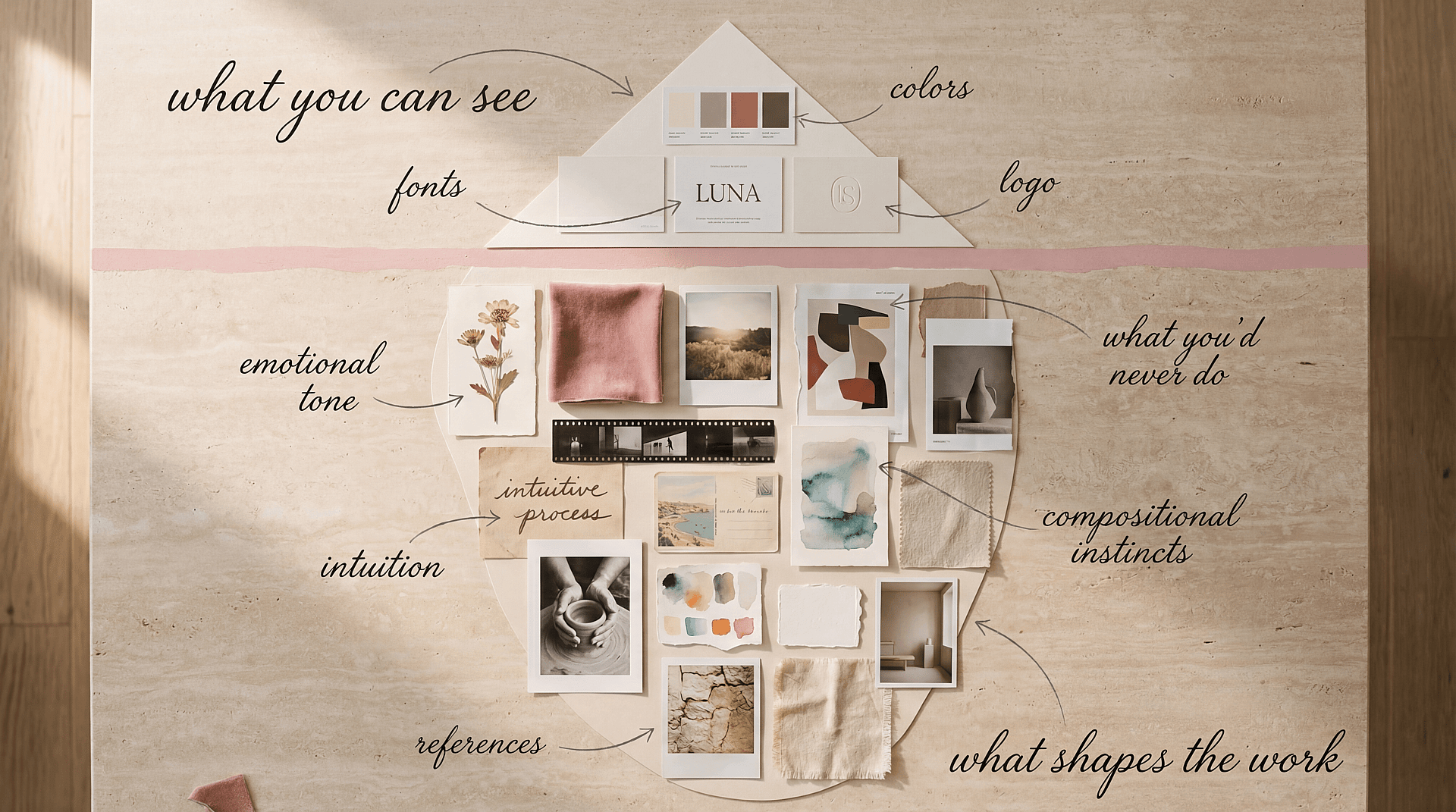 C'est un ensemble de choix, faits de manière délibérée et répétés avec constance, sur la façon dont ta marque apparaît visuellement à chaque point de contact. Les sujets vers lesquels tu tends naturellement. Ta manière d'utiliser la lumière, la couleur et la composition. Les émotions que tes images suscitent. Ce à quoi tu ne ressembles jamais, au grand jamais. Les identités visuelles fortes sont presque impossibles à imiter, car elles se construisent par la constance dans le temps plutôt qu'en une seule session.
L'IA est un multiplicateur, mais seulement si tu as quelque chose à multiplier
Voici l'opportunité à ne pas manquer : les outils IA ne remplacent pas l'identité visuelle. Ils l'amplifient.
Une marque qui sait qui elle est, quels sont son ambiance, son esthétique et ses instincts visuels fondamentaux, peut utiliser l'IA pour créer plus de contenu, plus vite, sans dériver. Chaque résultat lui ressemble parce qu'elle a donné aux outils une vraie matière à travailler. Des prompts cohérents, des références de style cohérentes, une direction créative cohérente.
Une marque sans cette base obtient un résultat différent. L'IA ne fait que générer plus de bruit, plus de volume du même contenu générique que tout le monde produit.
Les marques qui gagnent en ce moment ne sont pas celles qui génèrent le plus. Ce sont celles qui génèrent des contenus toujours fidèles à leur identité, en utilisant l'IA comme un multiplicateur de force au service d'une vision créative claire, plutôt que comme un substitut.
Comment commencer à construire ton identité visuelle
Tu n'as pas besoin d'un rebranding. Tu as besoin d'intentionnalité.
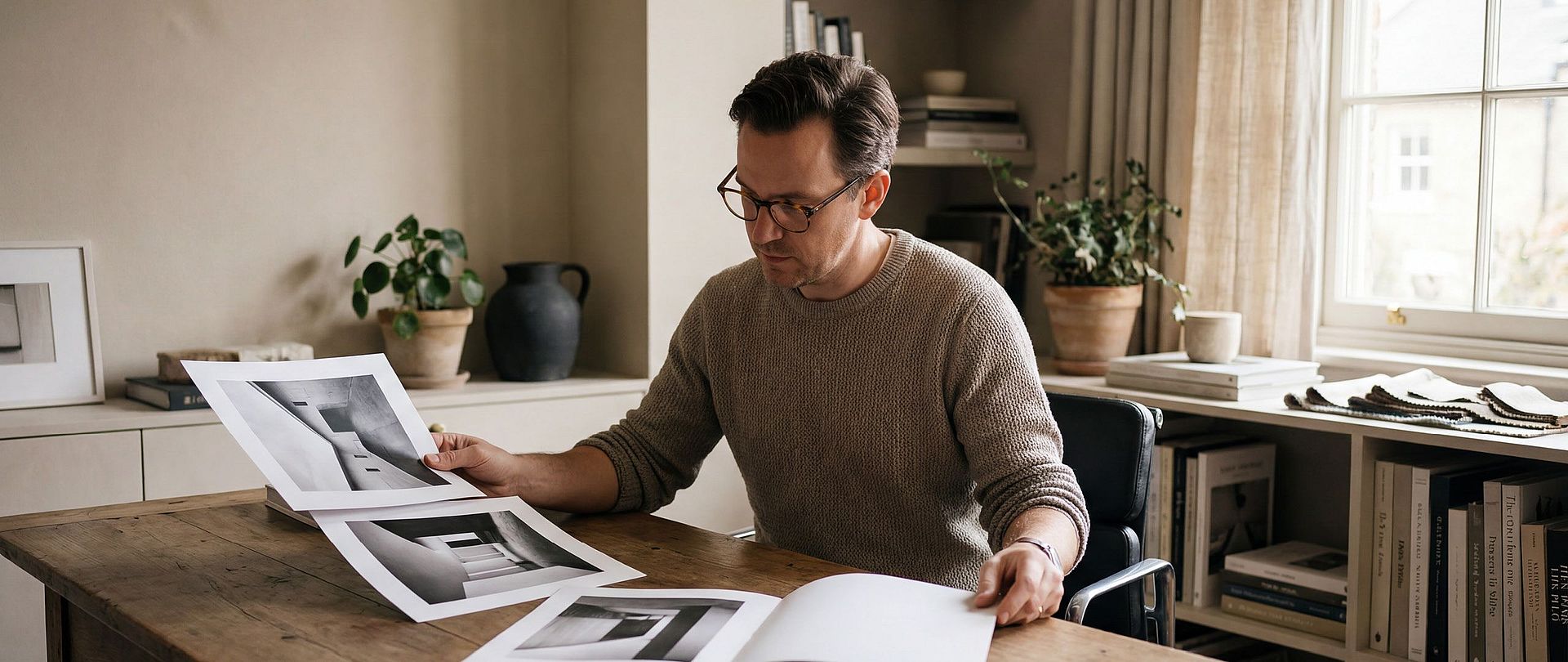
1. Fais l'inventaire de ce que tu as déjà. Rassemble tes 30 à 50 derniers contenus visuels et cherche les tendances qui s'en dégagent. Vers quoi es-tu attiré ? Qu'est-ce qui, avec le recul, ne colle pas à ta marque ? Ton travail existant est une carte de tes instincts, et la plupart des marques ne l'ont jamais vraiment lue de près.
2. Définis le ressenti avant l'esthétique. Before you pick colors or styles, name the emotion you want your visuals to produce. Confidence, wonder, warmth, precision. The feeling comes first, and the aesthetic follows from it.
3. Crée un ensemble de références, pas un règlement. Rassemble 10 à 20 images, les tiennes ou celles des autres, qui te ressemblent vraiment. Utilise-les comme boussole créative plutôt que comme modèle. L'objectif est de développer ton goût, pas de copier.
4. Utilise l'IA avec intention. Quand tu génères, intègre ton jeu de références au processus. Teste les styles par rapport à tes références et itère vers la cohérence. Vois chaque génération comme l'occasion d'apprendre ce qui correspond à ta voix et ce qui ne colle pas.
5. Protège-la. La voix visuelle s'effrite sous la pression, quand les délais approchent, quand les tendances vous tentent, quand quelqu'un dit « générons vite quelque chose ». Les marques aux identités visuelles les plus fortes sont celles qui savent dire non aux contenus hors identité, même quand il aurait été facile de les publier.
Les marques qui maîtrisent ça construisent dès maintenant
L'internet visuel va devenir plus bruyant avant de s'apaiser. Les marques qui prospéreront malgré ce bruit, et celles qui y survivront, sont celles qui construisent dès maintenant une identité visuelle distincte et cohérente, pendant que tout le monde apprivoise encore les outils.
Ta signature visuelle est un atout qui se renforce avec le temps. Plus tôt tu la traites avec la même intention que ton produit, ton message et ton expérience client, plus il devient difficile pour quiconque de reproduire ce qui te rend reconnaissable.
C'est justement là qu'OpenArt intervient. Notre Suite donne aux marques et aux équipes créatives les outils pour développer, tester et maintenir une identité visuelle sur les images, vidéos et bien plus générés par IA, pour que chaque contenu que tu diffuses te ressemble, quel que soit le modèle qui l'a créé ou la vitesse à laquelle tu devais avancer.