
 ChatGPT
 Perplexity
 Claude
 Gemini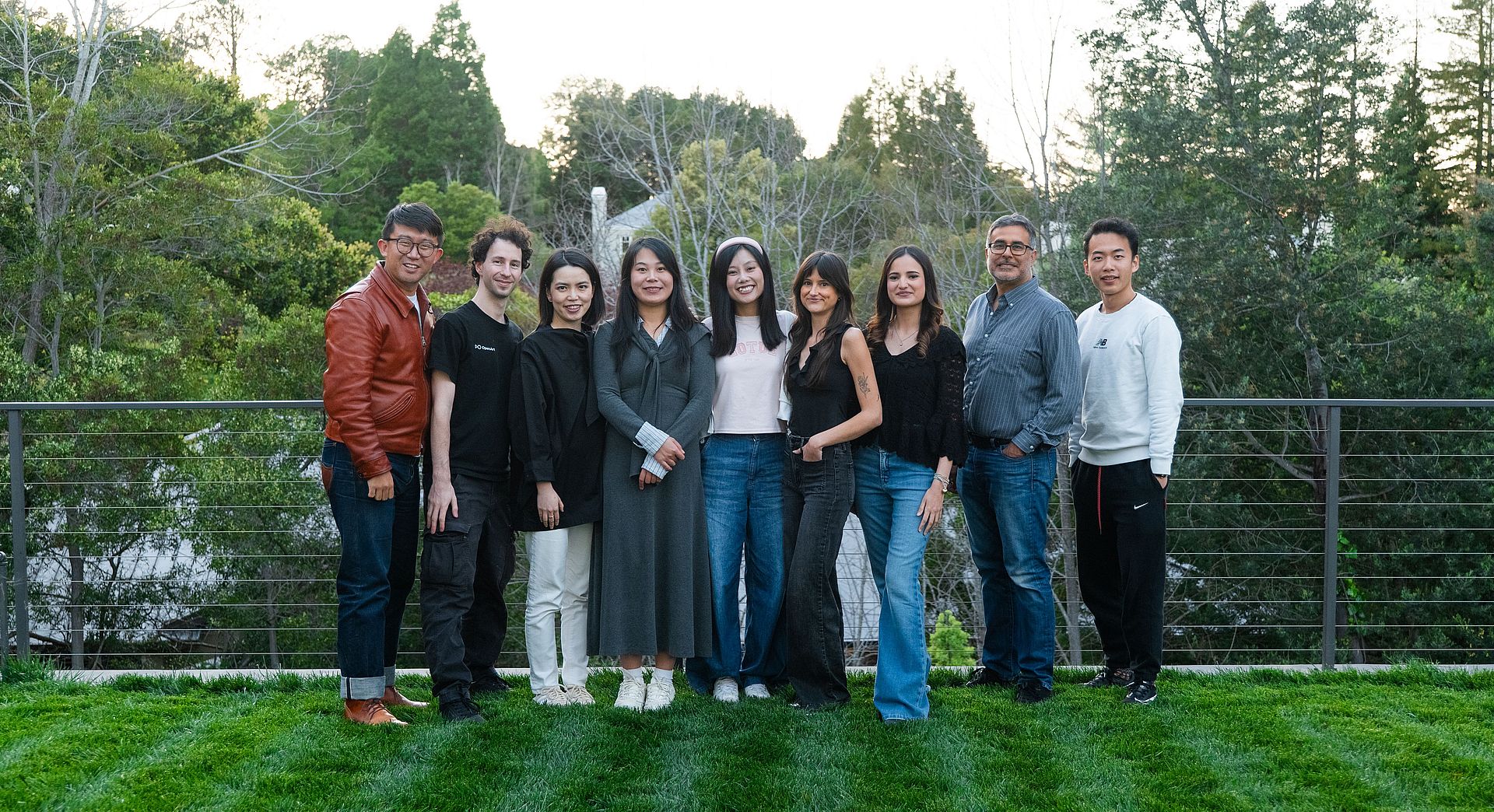
L'univers
Lorsque Coco Mao et John Qiao ont quitté Google en 2022 pour créer OpenArt, ils avaient déjà réussi ce pari une première fois. Au sein de l'incubateur Area 120 de Google, ils avaient lancé une plateforme de vidéo courte, l'avaient fait grandir jusqu'à des millions d'utilisateurs actifs mensuels avec une équipe de cinq personnes, puis l'avaient vue rachetée par Google Search. Ils savaient ce qu'une petite équipe pouvait accomplir.
Alors quand ils ont remarqué que les gens généraient des images IA partout mais n'avaient aucune idée des prompts à écrire, ils ont créé un site de navigation simple associant les images IA à leurs prompts, un endroit où n'importe qui pouvait voir exactement comment quelque chose avait été fait et le refaire soi-même. Ils l'ont posté sur Hacker News sous le titre « Pinterest pour les images IA » et se sont réveillés en découvrant que c'était l'article numéro un du jour.
From there they started building creation tools, going deeper on image generation and editing. But the signal that changed everything came from their users. The most requested feature, by far, was consistent characters. When Coco asked why, the answer was always the same: they were trying to tell a story. That insight is what turned OpenArt from an image tool into a full creative platform — image, video, character, audio, all in one place — built for the people who have a story to tell, not just an image to generate.
L'élan
Une équipe de dix personnes construisant quelque chose auquel elle croyait a levé les yeux un jour pour réaliser que ce qu'elle avait créé était indéniable. En 2025, OpenArt a multiplié son revenu par 7, passant de 10,5 M$ d'ARR à plus de 70 M$. Nous avons dépassé les 8 millions d'utilisateurs actifs mensuels et bouclé une série A de 35 M$ menée par Canaan Partners.
Mais la métrique qu'on surveille le plus attentivement n'est pas l'ARR, c'est l'obstination avec laquelle nos créateurs reviennent. Pas pour générer des images uniques, mais pour approfondir les personnages qu'ils ont construits, étendre les univers qu'ils créent et faire avancer les histoires qui comptent pour eux. Cette rétention, c'est le vrai signal.
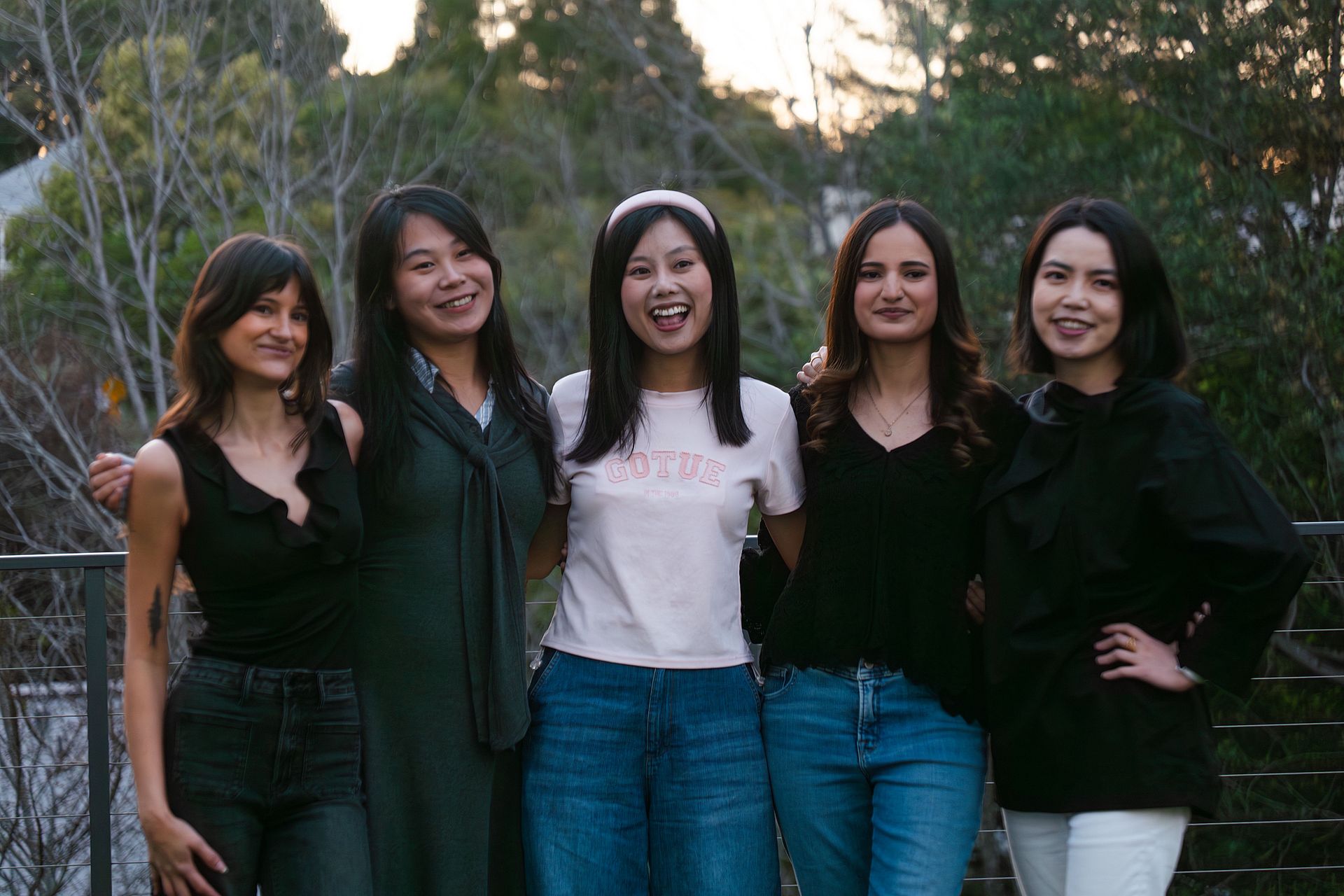
Derrière ces chiffres se cache une équipe basée à San Francisco, qui crée pour des millions de créateurs OpenArt dans tous les pays, sur tous les continents. On avance vite, on communique sans limites et on met la narration au cœur de tout ce qu'on construit. Notre effectif a presque doublé cette année, et le rythme ne ralentit pas. Rien qu'au premier trimestre, on a déjà :
- Lancement d'une refonte fondamentale de l'interface, les workflows les plus épurés qu'on ait jamais livrés
- A organisé le tout premier AI Influencer Summit au monde à San Francisco
- Produit par Bot House, la toute première télé-réalité IA
Nous agrandissons activement l'équipe en conséquence. Si ça ressemble au genre d'endroit où tu veux construire, on serait ravis d'avoir de tes nouvelles.
Nos convictions
Le pinceau était radical à son arrivée. L'appareil photo aussi. Le cinéma aussi. La CGI aussi. Chaque génération a connu ce moment où un nouvel outil est apparu et où une certaine catégorie de personnes, souvent taxées de naïves ou de dangereuses, voire les deux, s'en est emparée pour créer ce que le monde n'avait jamais vu. Les artistes et conteurs qui ont adopté ces outils n'ont pas remplacé la créativité, ils en sont simplement devenus le chapitre suivant.
L'IA générative, c'est ce moment. Quand on dit qu'on démocratise la créativité chez OpenArt, on veut dire mettre le pinceau entre les mains de quelqu'un qui n'en a jamais tenu. On croit que l'IA aide les humains à raconter de meilleures histoires. Pour les cinéastes chevronnés, ou juste quelqu'un qui a une histoire à partager.
Parmi les créateurs à qui Coco a parlé l'année dernière, il y avait une grand-mère récemment retraitée en Nouvelle-Zélande qui avait bâti une chaîne YouTube entièrement à partir d'histoires de chats générées par IA. Chaque semaine, elle tape un prompt, OpenArt construit l'univers autour, et son audience petite mais fidèle en redemande. Elle n'est ni réalisatrice ni designeuse, juste quelqu'un qui a enfin eu les outils à la hauteur de son imagination.
La suite
La prochaine grande franchise créative peut naître de n'importe où. Un réalisateur avec une vision trop chère à tourner. Un créateur de marque qui ne peut pas attendre un cycle de production. Un débutant qui, pour la première fois, en est enfin capable.
C'est vers ça que nous construisons. Une plateforme où tes personnages, ton esthétique et ton identité créative t'appartiennent entièrement. Où la propriété intellectuelle que tu crées avec l'IA est à toi de protéger, de développer et de posséder. Où les outils sont assez puissants pour les pros et assez accessibles pour tous les autres.