

 ChatGPT
 Perplexity
 Claude
 Gemini
Access to Generative AI creative tools has never been more equal. Anyone with a subscription can generate images that would have required a professional studio two years ago. And anyone with a prompt can produce work that looks, at first glance, like the output of someone with years of craft behind them. The playing field has genuinely leveled, which makes the gap between the creators whose work stands out and the ones whose work disappears into the feed more interesting to study; that gap is no longer about access to tools, but about everything that surrounds how you use them.
Hier sind zehn Dinge, die die Creator mit der spannendsten Arbeit gerade konsequent vermeide.
01 – Entschuldige dich nie für den Prozess
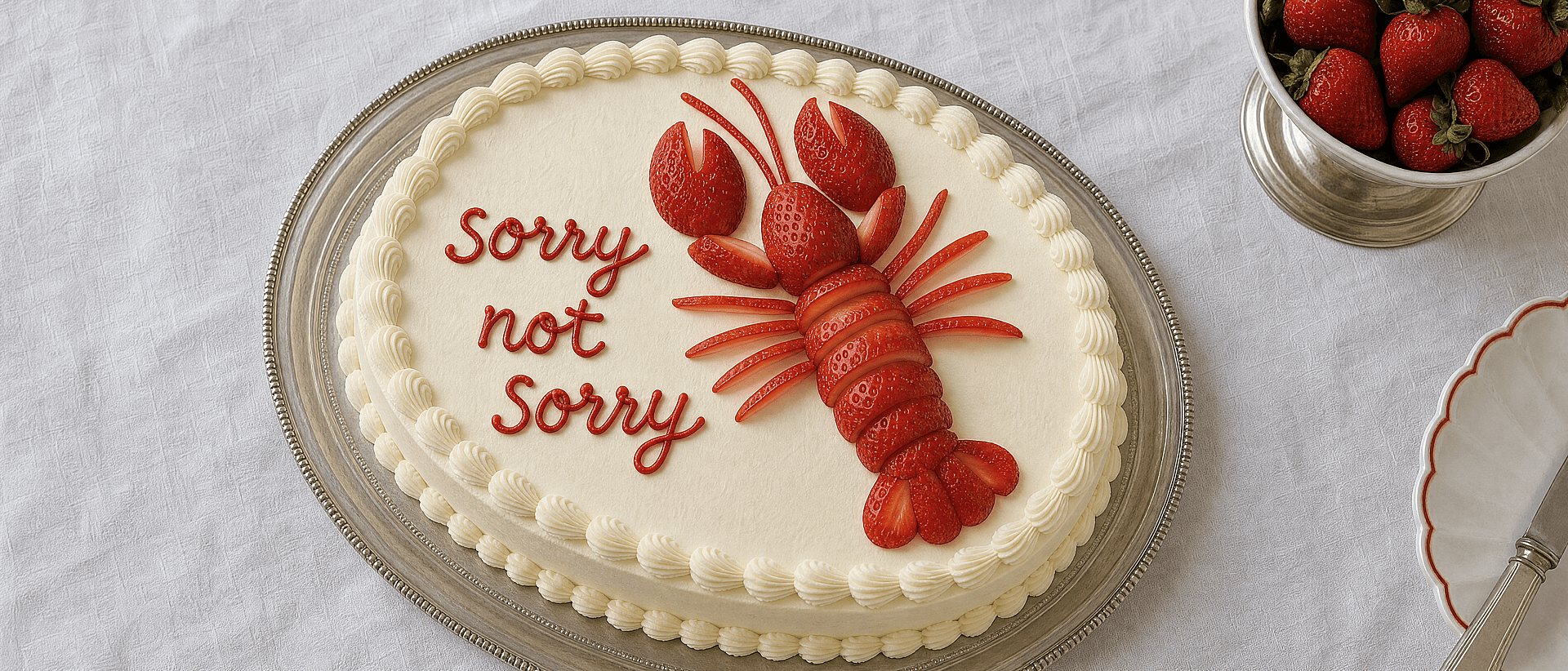 The strongest creators don't preface their work with disclaimers, hedge their captions with "this was made with AI so I know it's not real art," or perform ambivalence about their tools to manage someone else's discomfort. They stand behind the things they create and acknowledge that the process is part of the work, not something to apologize for. Creators who lead with apology are telling their audience how to receive the work before the audience has a chance to experience it, and almost always underselling something they should be proud of.
02 — Verwechsle Follower nie mit kreativer Bestätigung
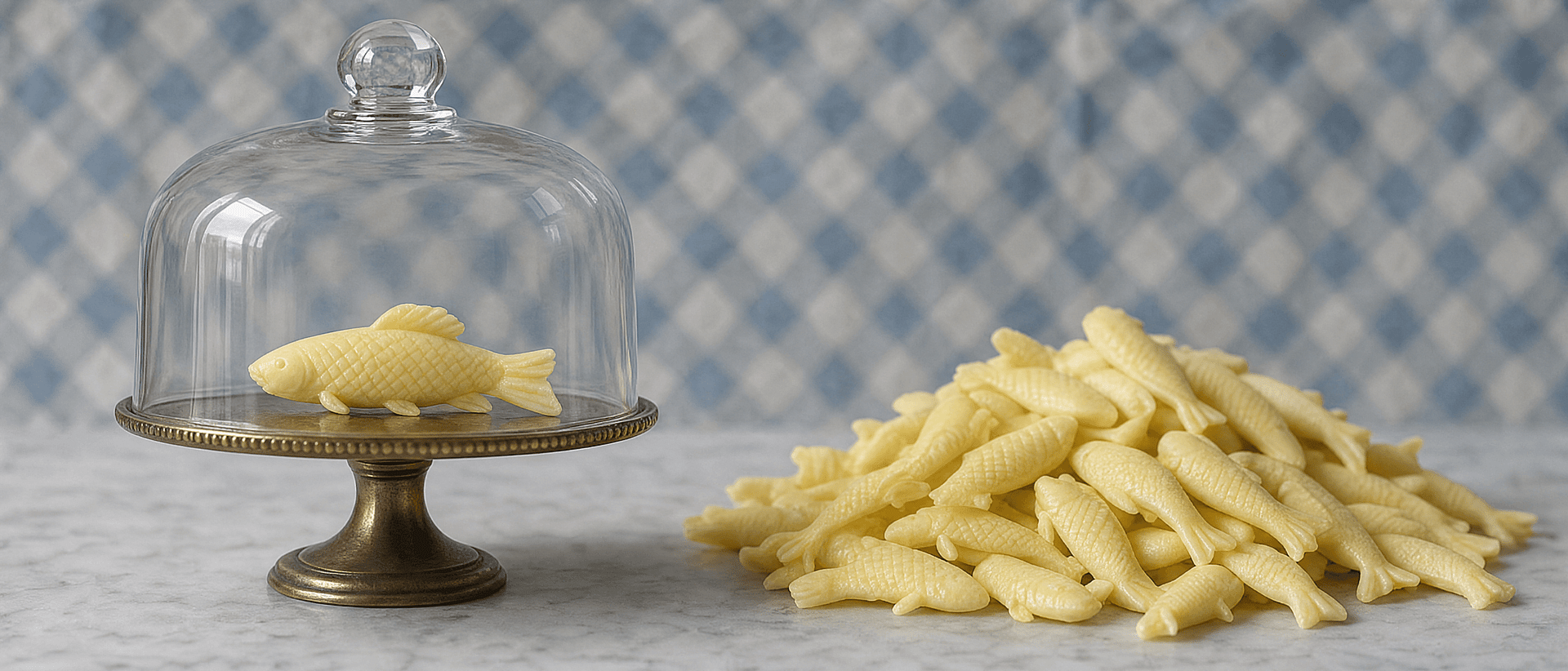 Engagement is a metric, not a verdict. The work that travels fastest on social media is often the most legible, the most familiar, the most calibrated to what an algorithm already knows people respond to. That's a different quality than the work that is most interesting, most original, or most distinctly yours. The sharpest creators know the difference, and they don't let their follower count dictate whether their work is good. They have other creative criteria, and those criteria are not dependent on whether a post performed.
03 — Lass niemals Trends entscheiden, was du erschaffst
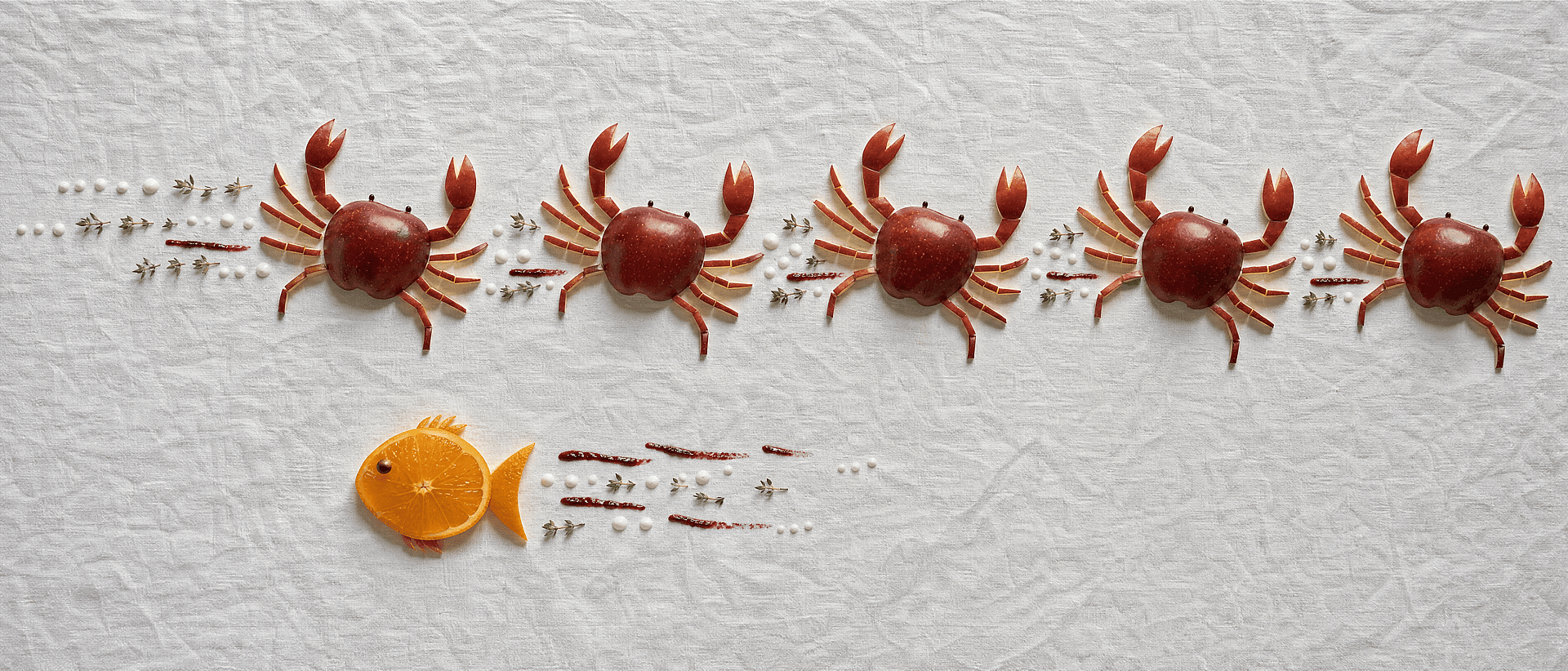 There will always be a trend afoot, a style that's everywhere right now, a prompt formula that is producing results people are responding to, an aesthetic wave that's cresting across the feeds. The best AI creators are aware of these trends but largely unmoved by them, because they make what they were going to make anyway, informed by the landscape but not directed by it. Trend-chasing is the fastest way to produce work that is perfectly calibrated to a moment that's already passing by the time it publishes. Want to participate in a trend? Try putting your own unique spin on it.
04 — Verwechsle Zugang zu guten Tools nie damit, etwas zu sagen zu haben
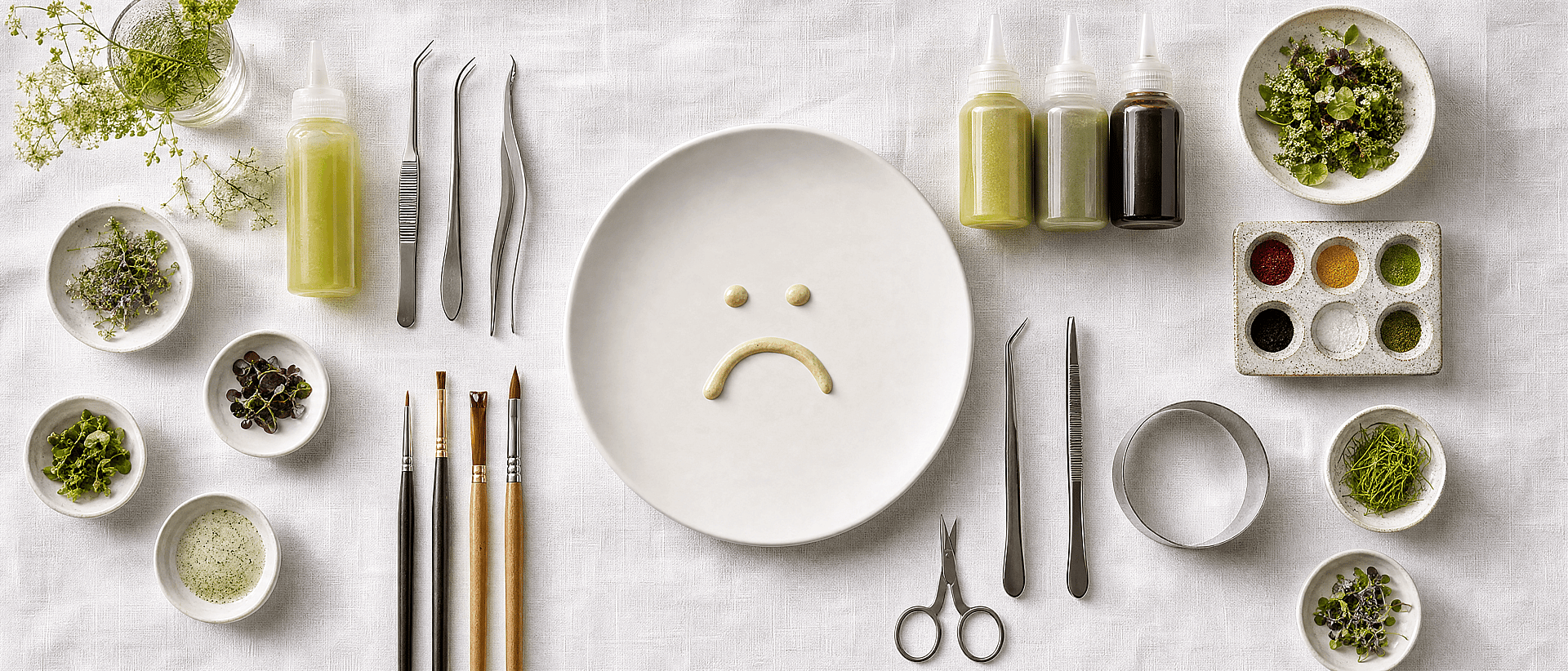 This is perhaps the most important one, and the hardest to sit with. Generating a technically excellent image is not the same as making something worth looking at. The tools can produce extraordinary outputs, but they cannot supply the intention, the perspective, the specific way of seeing that makes a piece of creative work matter to someone. The standout creators right now come to the work with something to say and use the tools to say it, while most others use the tools and cross their fingers that something worth saying comes out the other side.
05 – Veröffentliche nie ohne zu bearbeiten
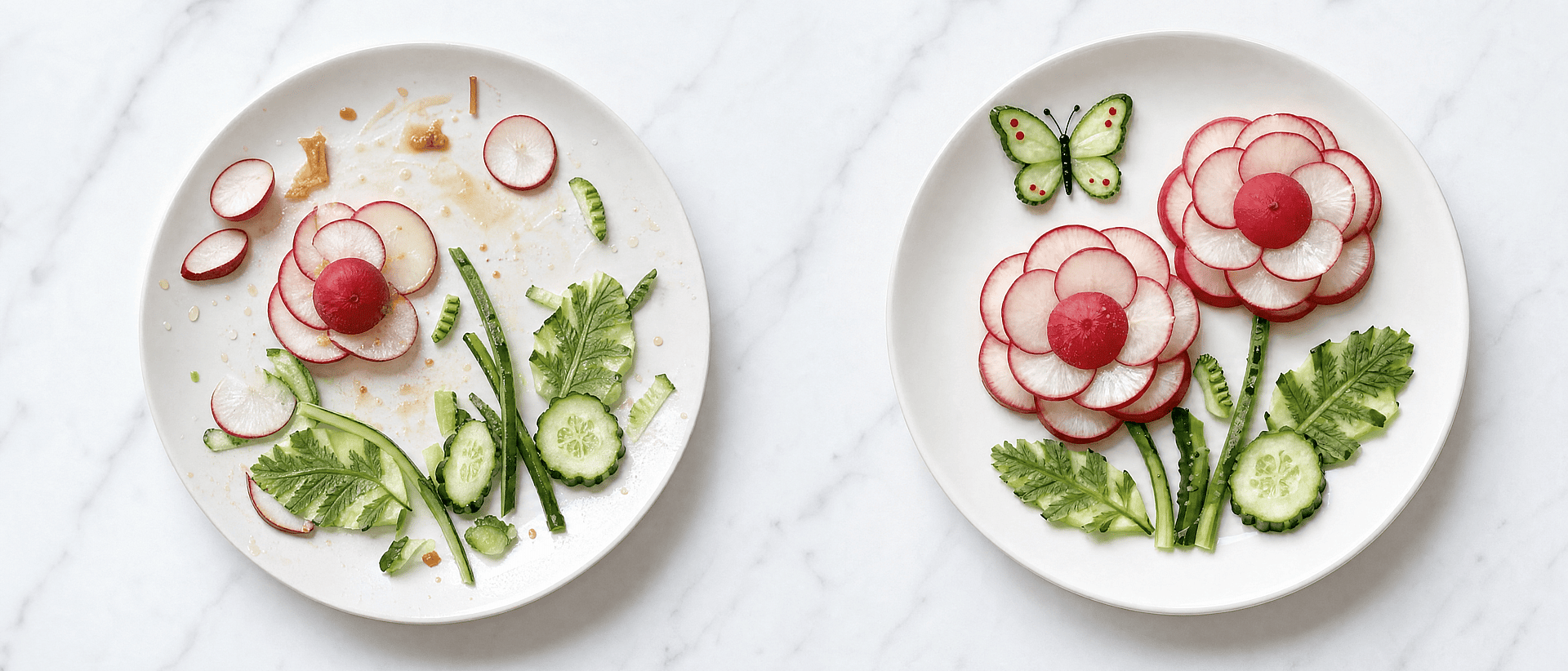 You should think of a singular generation as a first draft. Every piece of work that comes out of a model, however good it looks on first view, benefits from a human layer: a crop, a color grade, a decision about what to emphasize and what to pull back. Treat the output as the beginning of the process, not the end of it. Bring the image into your editing workflow, apply your taste to it, and publish the result of that engagement rather than the raw model output. It's in the edit that the work truly becomes deins.
06 — Verwechsle Erstellen nie mit Veröffentlichen
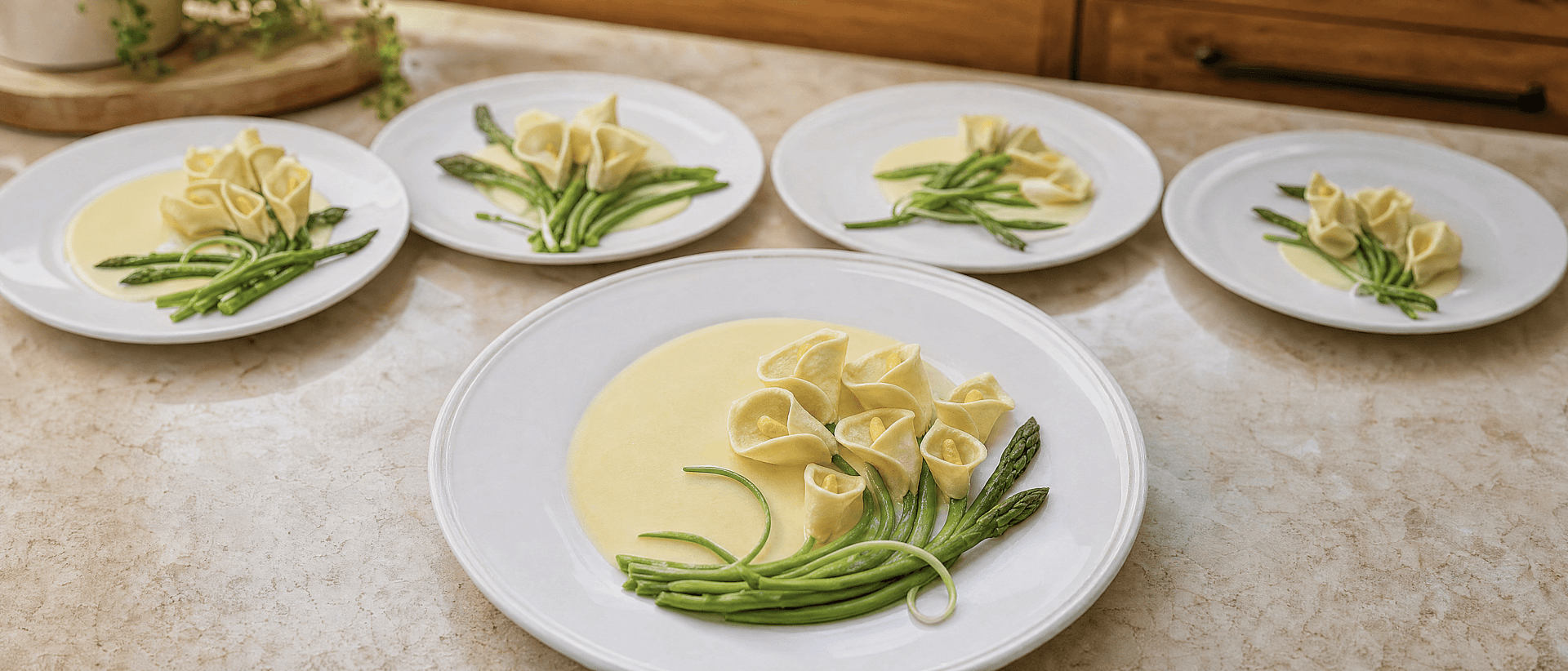 Volume does not equal a portfolio of work. The most compelling creators have an internal rejection rate that most people would find surprising: they generate far more than they ever show, and they're ruthless about what makes the cut. This isn't because most of what they generate is bad, it's because they have a standard that most outputs don't reach, and they protect that standard by not lowering it for the sake of staying active. A feed of occasionally extraordinary work is infinitely more powerful than a feed of consistently decent work, and the best creators know this well.
07 — Verwechsle niemals einen Stil mit einer Perspektive
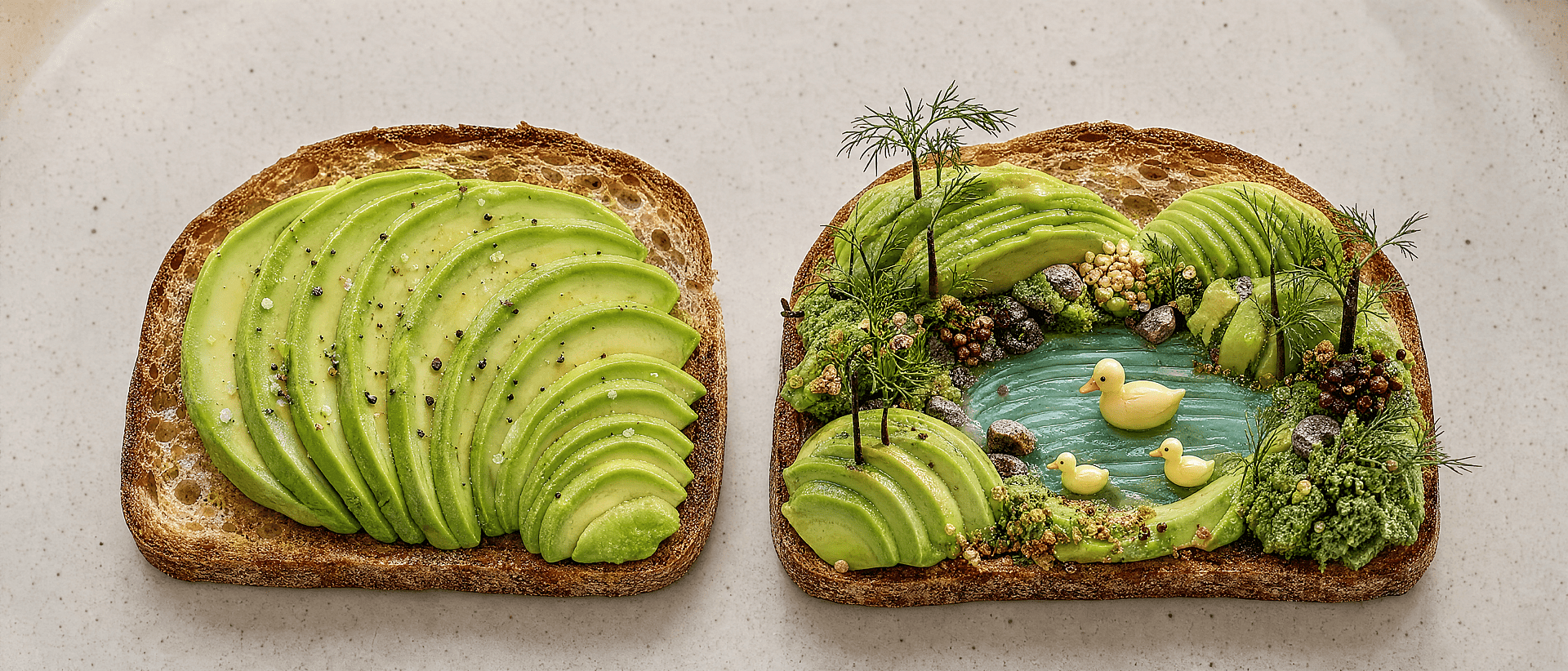 Ein Stil ist eine Ästhetik, ein Standpunkt ist eine Aussage; du kannst eine sehr konsistente Ästhetik ohne eine besondere Perspektive dahinter haben, und die Arbeit wird sich auf eine Weise hohl anfühlen, die schwer zu benennen, aber leicht zu spüren ist. Die besten KI-Creator entwickeln nicht nur einen wiedererkennbaren Look, sondern eine Haltung: eine Art, die Welt zu sehen, eine Reihe von Dingen, die ihnen am Herzen liegen, ein Grund, warum ihre Arbeit existiert – über die bloße Tatsache hinaus, dass sie fähig sind, sie zu machen. Der Stil ist wirklich nur oberflächlich; es ist die Perspektive, die einen wiederkommen lässt.
08 – Optimiere niemals für die Plattform statt für das Werk
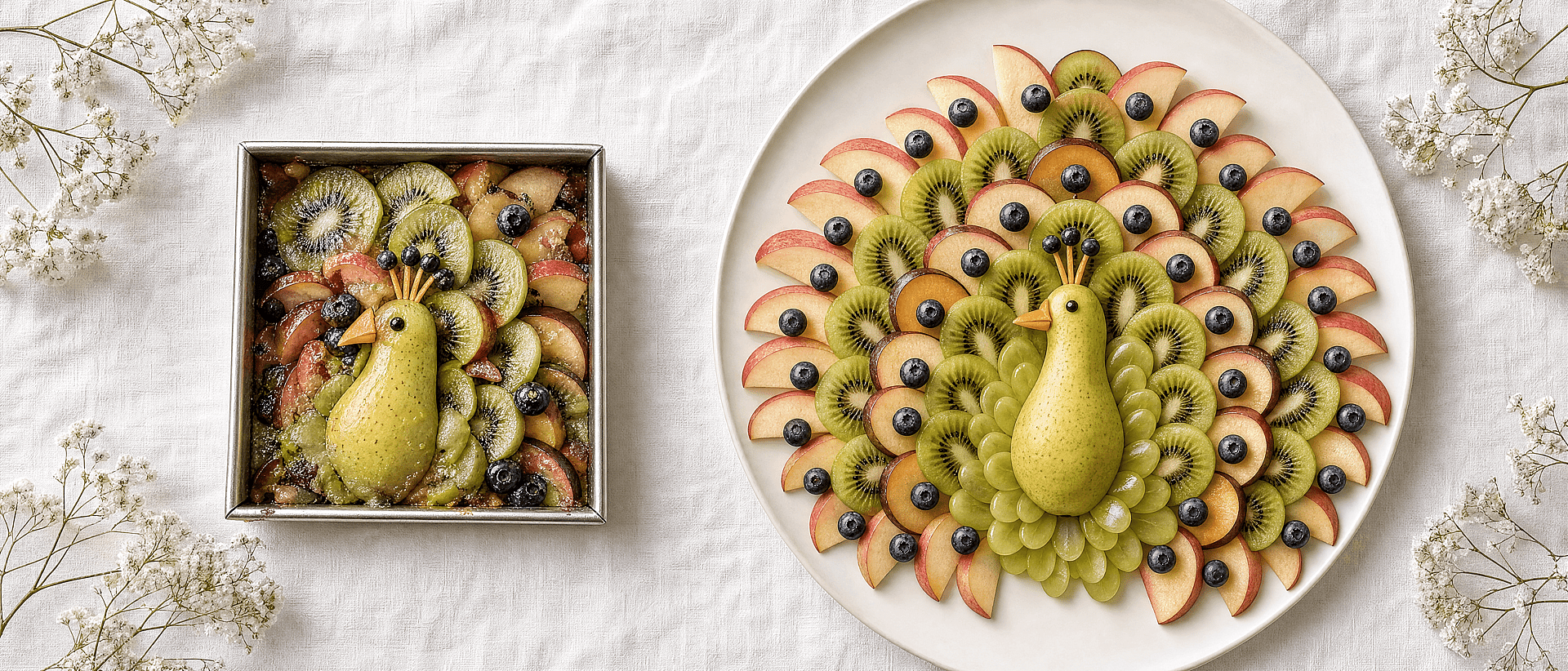 Aspect ratios, posting frequencies, caption lengths, hashtag strategies: all of these things matter, but quite frankly none of them matter as much as whether the work itself is good. The creators worth watching understand distribution without being beholden by it. They know how platforms work and make reasonable accommodations to that knowledge, but they don't let platform logic drive creative decisions. Work made for an algorithm (surprise surprise) tends to feel like it was made for an algorithm. The audiences can almost always tell, even when they can't quite articulate why.
09 — Lass Bequemlichkeit nie die Neugier ersetzen
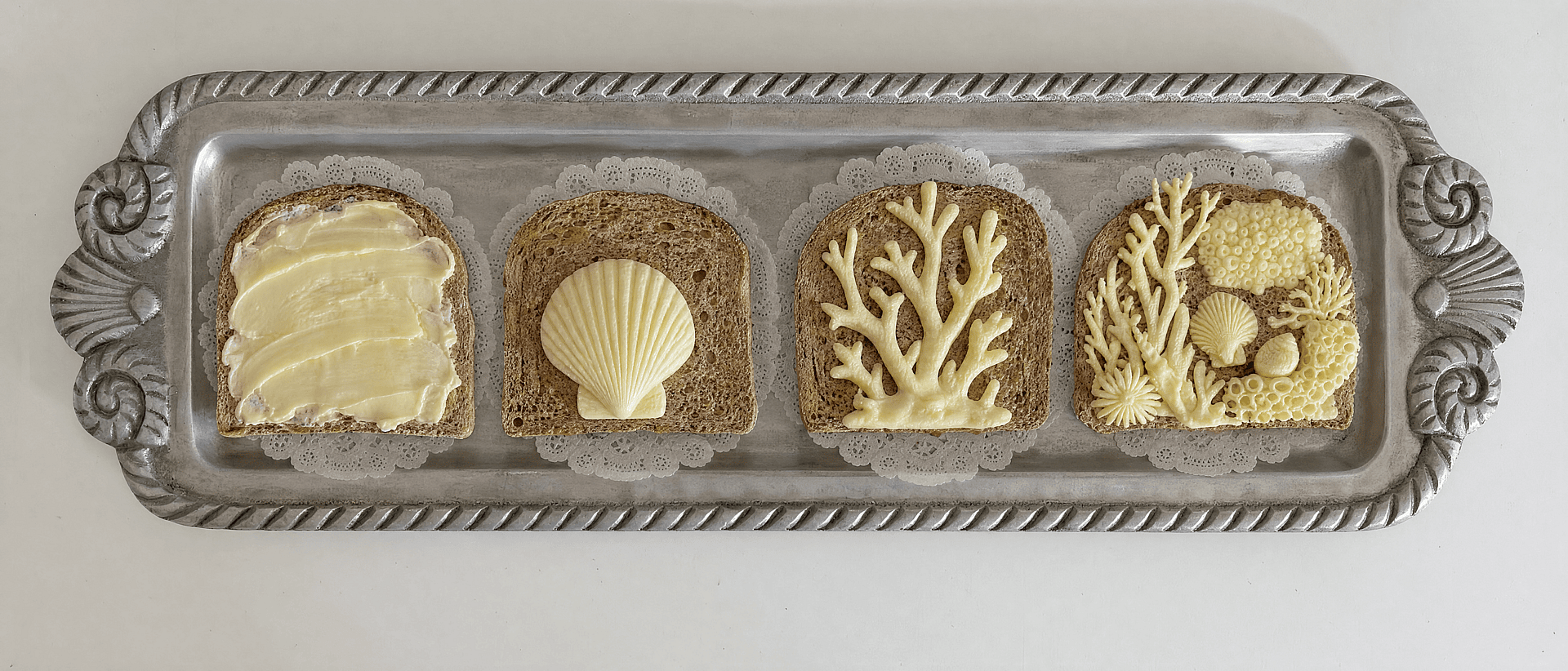 There's a plateau that many Gen AI creators hit when they find a workflow that produces reliably good results. The prompts that work become the prompts they always use, the models that feel comfortable become the only models they open. But the best creators resist this because they know that the plateau can be the beginning of creative stagnation. So they keep experimenting with models they haven't mastered, styles they haven't tried, approaches that feel risky and might not work. The learning is not separate from the practice, rather es ist die Praxis.
10 – Warte nie, bis du dich bereit fühlst
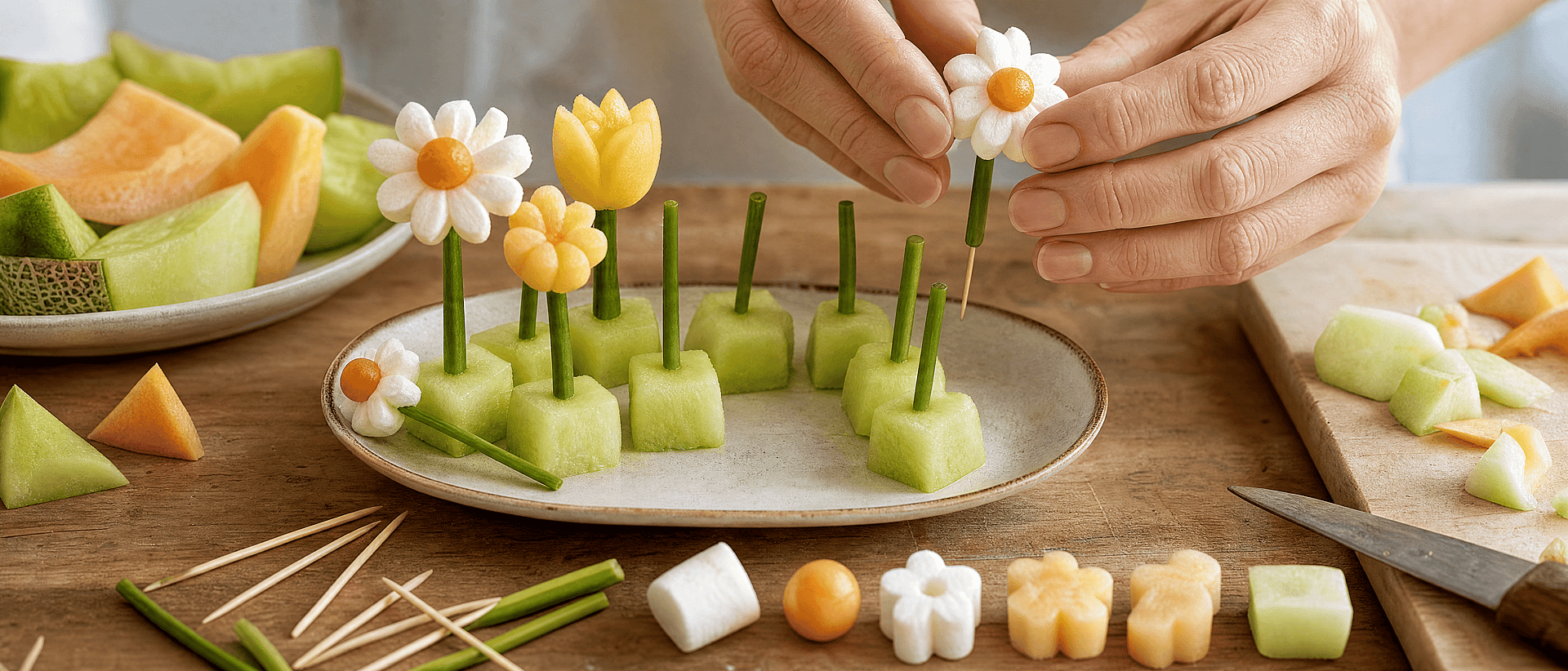 Wenn wir ehrlich zu uns sind: Die Bereitschaft, unsere Arbeit mit der Welt zu teilen, ist ein Gefühl, kein Zustand. Die stärksten Creator sind nicht unbedingt selbstbewusster als alle anderen – sie kommen einfach besser mit dem Unbehagen zurecht, das mit nicht wissen ob etwas funktionieren wird. Sie erschaffen Dinge, bevor sie sich bereit fühlen, weil sie verstehen, dass das Gefühl der Bereitschaft aus dem Erschaffen kommt, nicht aus der Vorbereitung darauf. Die Arbeit lehrt dich, was du wissen musst, und der einzige Weg zu lernen ist, irgendwo anzufangen.
Dir wird auffallen, dass bei keinem der obigen Punkte darum geht, welches Modell du nutzt oder wie du einen besseren Prompt schreibst. Es geht um die Haltung, die du in die Arbeit einbringst – und die baust du bewusst über die Zeit auf, durch deine Entscheidungen darüber, was du erstellst, was du behältst, was du veröffentlichst und wofür du letztlich einstehst.
Die Werkzeuge, die wir gerade zur Hand haben, sind wirklich außergewöhnlich (und sie werden nur besser!), aber sie können dir keinen Standpunkt liefern. Dieser Teil war schon immer deiner.