

 ChatGPT
 Perplexity
 Claude
 Gemini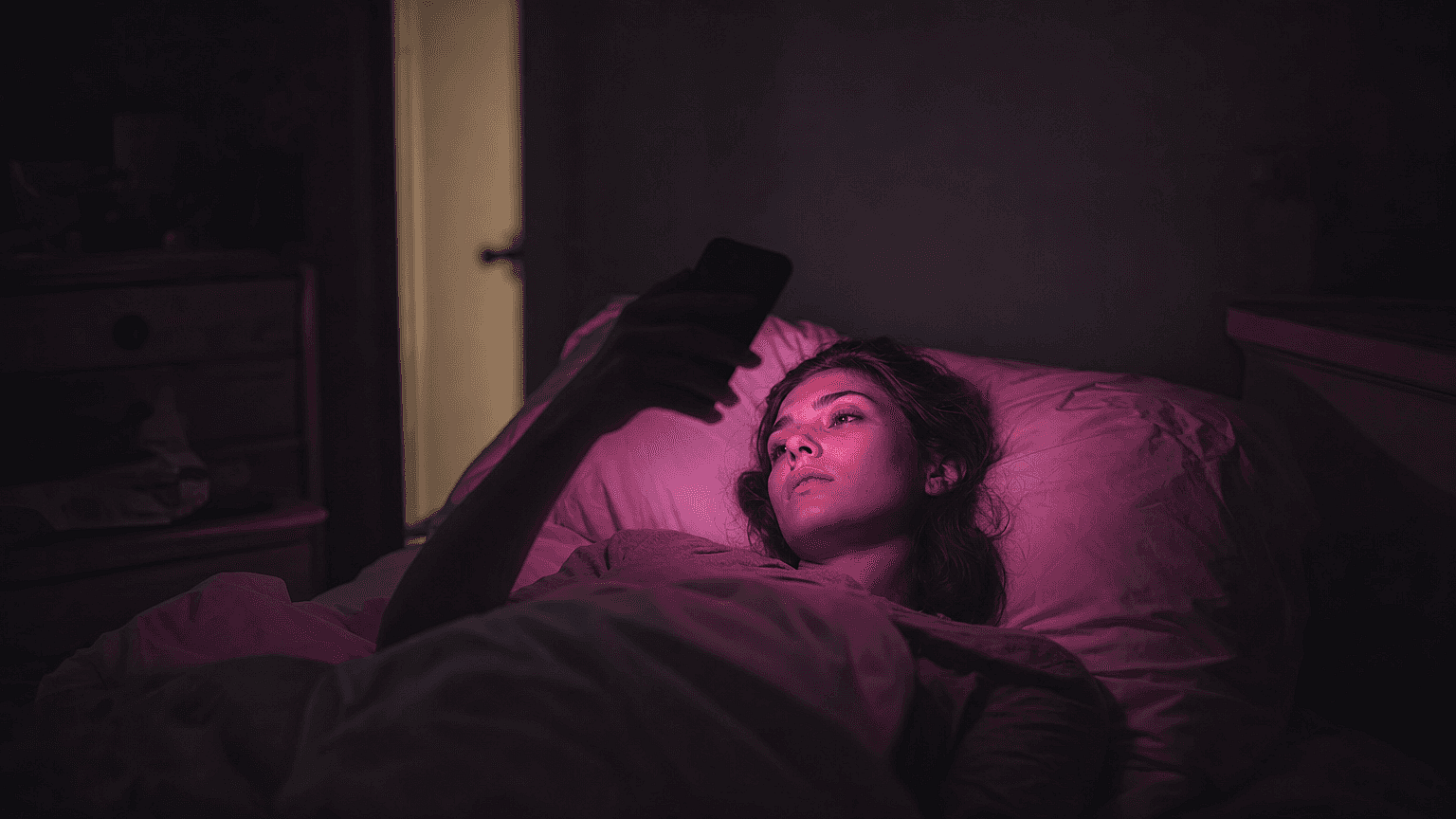
It's 10pm. You're horizontal, phone overhead, thumb on autopilot. You scroll past a child presenting an impossibly elaborate birthday cake captioned "this is my first cake." Swipe. Jesus fused with a crustacean rising from the sea. Swipe. An elderly stranger's AI-generated face asking you to wish them a happy birthday. Swipe. With every hollow flash of the screen, your memories of a quieter internet flicker faintly and fade. This feeling — of being duped into a dissociative doomscroll — is the result of enshittification, what happens when platforms built to share your stories and showcase your creativity quietly become machines for extracting your attention instead.
The writer Cory Doctorow coined the term "enshittification" a few years ago to describe a pattern he kept seeing in tech: platforms start out genuinely good for users, then slowly squeeze users to serve advertisers, then squeeze everyone to maximize returns for shareholders. It's the lifecycle of every social platform you've ever loved and then slowly stopped loving. What's happening to your feed right now is that process hitting the content layer — and generative AI is what made it happen at this speed and scale.
The incentive isn't to show you something meaningful anymore, it's to keep you scrolling. Because every second you stay is another ad impression sold. And the cheapest, fastest way to do that at scale is slop: content farmed by individuals or small operations deliberately targeting high-value advertising markets, generating and posting at inhuman volume purely to exploit platform monetization. A Kenyan creator speaking to New York magazine described asking ChatGPT to write prompts that would "bring high engagement on Facebook," feeding those into an image generator, and repeating the cycle indefinitely. A 22-year-old medical student in India told WIRED he was making a few thousand dollars a month creating an AI influencer persona, spending no more than 30 to 50 minutes a day on it. None of it made for you. All of it made at you. And the feed rots a little more.
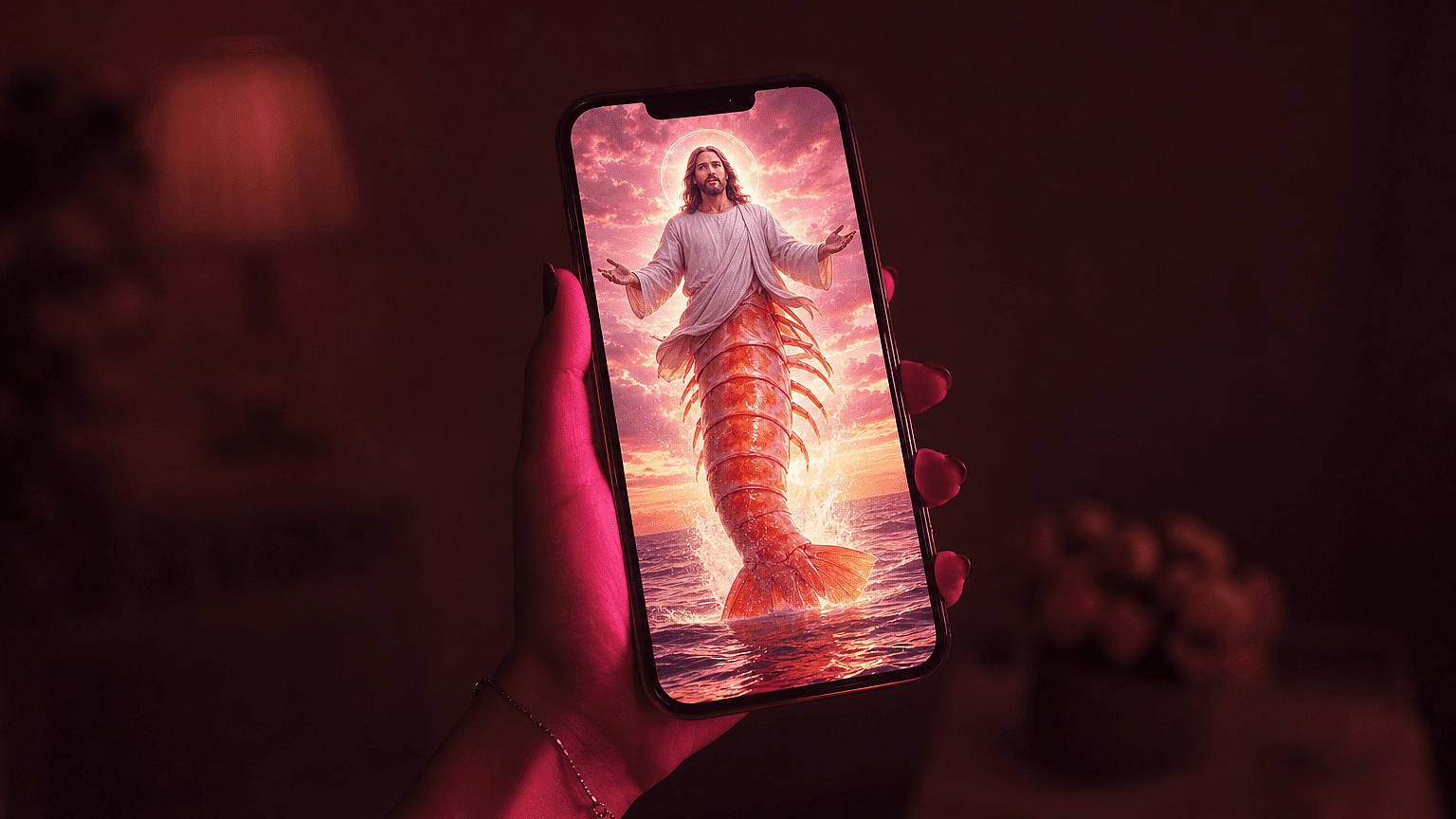
Slop works by stopping the scroll, not by earning it. Shrimp Jesus goes viral because it's so bizarre you can't look away, not because it's telling a compelling story. The quality is obviously low, the artificiality is plain to see — and everybody knows it. Shock is a one-time transaction. It arrests your attention for a second and deposits you back into the same hollow feeling you were scrolling to escape. No resonance, no point of view, nothing to return to. And the more of it there is, the more people can feel the difference between content that stops the scroll and content that actually means something.
Which is why enshittification, for all the damage it does, can't kill taste. Consumer preference for AI-generated content has collapsed from 60% in 2023 to 26% in 2025, according to research from Billion Dollar Boy. Audiences aren't just indifferent to slop; they're getting faster at spotting it. The uncanny valley of AI content — the too-smooth skin, the background that dissolves into nothing if you look closely, the hand with seven fingers — has become its own cultural shorthand. What stops the thumb now isn't the most polished thing in the feed. It's the most specific. The most unmistakably made by someone, for someone.
The backlash is already reshaping behavior. Brands are now explicitly asking creators to not over-produce — to leave the wrinkled shirt, the unwashed dishes, the imperfect lighting. Founder-led and behind-the-scenes content is outpacing polished brand creative by 3x to 8x on Meta and TikTok. Authenticity is becoming the scarcest resource in the feed, and scarcity creates value.

The readers of this blog are not the slop problem. They're the antidote. Becky Owen, CMO of Billion Dollar Boy, told Digiday: "The majority of bad AI content that flooded our feeds didn't come from creators. It came from people that thought AI was going to unlock the magical creative spark inside of them and then cruelly found that is not the case." The slop problem was never about AI. It was about using AI as a substitute for having something to say, rather than a tool for saying it better.
If you're here, you already have something to say. You have taste, a point of view, a visual world you're building or a story you're trying to tell. What these tools give you isn't a replacement for that — it's a force multiplier for it. And right now, that multiplier is sitting in a field where almost nobody else is using it well. The content farms are producing volume, the brands are producing polish, and almost nobody is producing vision — work with a clear human behind it, a reason to exist beyond filling a slot in a posting schedule, an aesthetic that holds together across everything it touches.
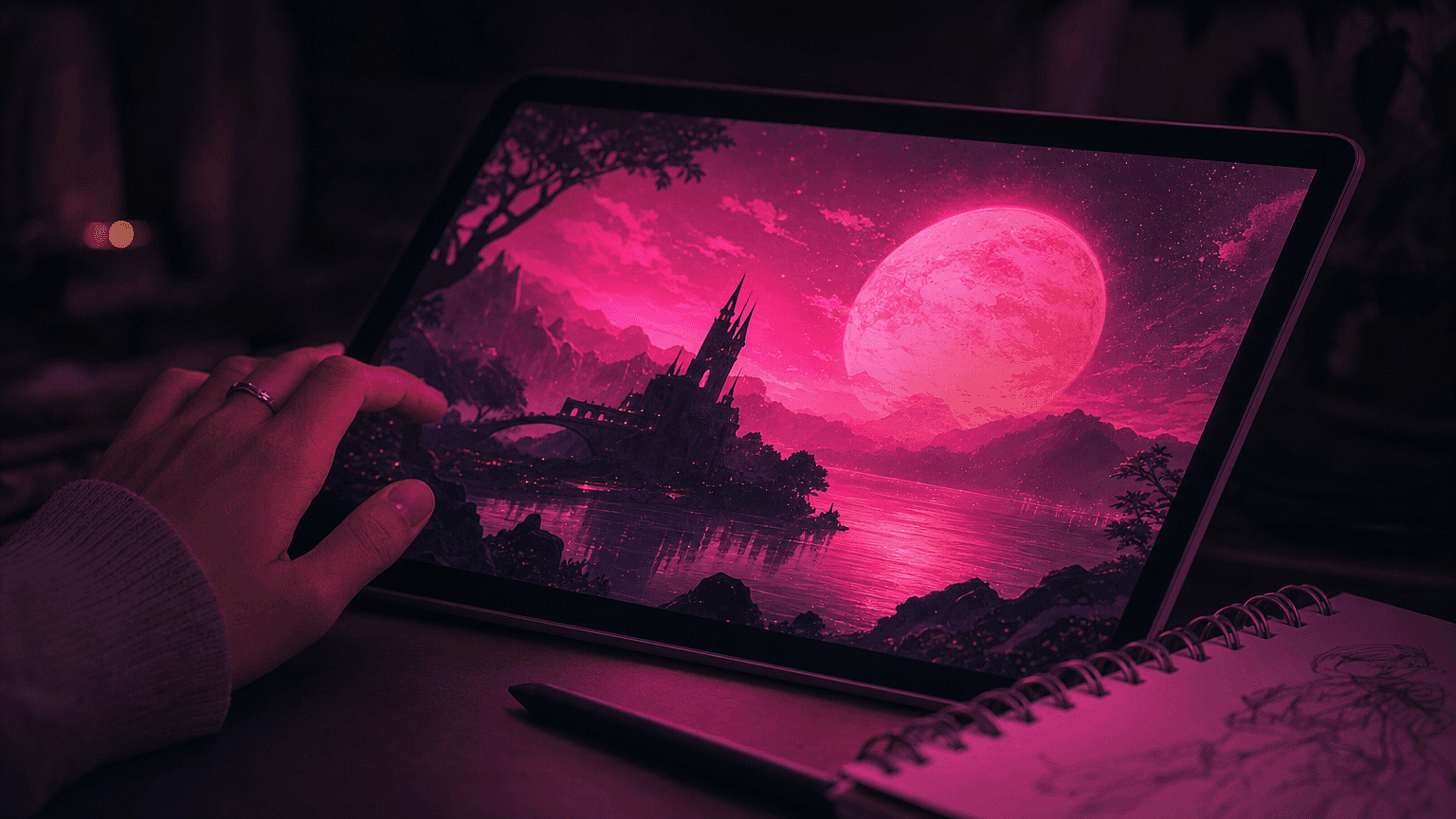
That gap is yours. Work that is unmistakably yours doesn't just stand out — it becomes the thing people come back for, the oasis in the doomscroll, the thing that briefly makes the platform feel like it used to. The antidote to enshittification isn't less AI, because frankly we can't put that cat back in the bag. What we can do is create with intention, to make something worth finding in this mess of a feed.
That's what OpenArt exists for. From the beginning, we've built for visual storytellers; people with a real point of view, a real story, and the ambition to tell it as beautifully as possible. The tools are here, but the gap in the feed is real. The only question is what you're going to make to disrupt it.