
 ChatGPT
 Perplexity
 Claude
 Gemini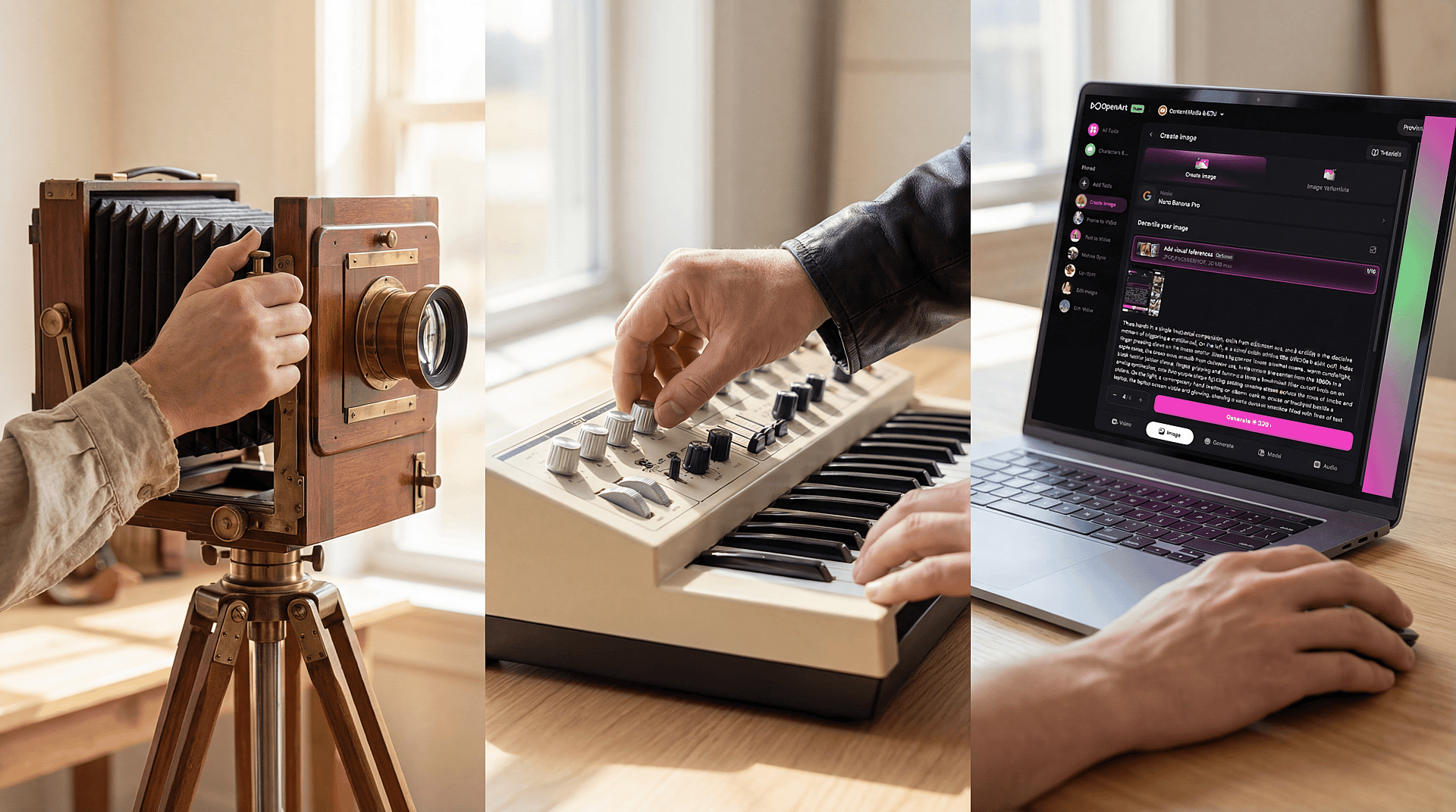
1859년, 시인 샤를 보들레르는 미술 비평 역사상 가장 유명한 혹평 중 하나를 썼습니다. 그 대상은 사진이었죠. 그는 사진을 이렇게 불렀습니다: "예술의 가장 치명적인 적"라며 이를 다음과 같이 일축했습니다 실패한 화가들의 마지막 피난처 진짜 붓을 들 재능이 없어서 그런 거라고요. 그가 보기에 사진은 기계가 예술가의 일을 하는 척하는 것이었습니다. 상상력도, 기술도, 창의적 비전도 필요 없었죠. 순전히 기계적이었고, 따라서 순전히 영혼이 없었습니다. 그런데도 Dorothea Lange의 이주 노동자 어머니 는 대공황 시기 연방 식량 지원을 이끌어내는 데 기여했고, 아폴로 8호 승무원의 Earthrise 사진은 한 세대 전체가 우리 지구를 이해하는 방식을 바꿔놓았고, 사진술은 인류가 발전시켜 온 가장 중요한 창작 형식 중 하나로 자리 잡았습니다.
그로부터 100년 남짓 지나, 신디사이저도 똑같은 취급을 받았습니다. 1970년대 후반과 1980년대 초반 신스팝이 차트를 채우기 시작하자, 반발은 즉각적이고 격렬했습니다. Gary Numan은 이렇게 표현했죠. "적대감" 그는 기계가 작업을 대신한다고 여겨 전자 음악을 진짜 음악으로 인정하지 않는 비평가들로부터 이런 비판을 받았습니다. OMD의 프론트맨 앤디 맥클러스키 쉽게 말하면: 장비가 곡을 대신 써준다고 진심으로 믿는 사람들이 정말 많았습니다. Queen은 1970년대에 네 장의 앨범 커버에 연속으로 "신디사이저 없음!"이라고 인쇄했는데, 마치 청취자에게 지금 듣는 것이 여전히 정당한 음악임을 안심시키려는 것 같았죠. 그리고 1982년에는 영국 음악가 노동조합이 신디사이저와 드럼 머신을 전면 금지하는 안에 투표로 찬성했다전자 악기가 인간 연주자를 쓸모없게 만들 거라고 확신했죠. 하지만 오늘날 전자 음악은 지구상에서 가장 많이 듣는 장르 중 하나이고, 신디사이저는 현대 음악 제작에 너무나 깊이 뿌리내려 대부분의 팝 곡은 신디사이저 없이는 존재하지도 못할 정도입니다.
이런 비판들이 묘하게 익숙하게 들릴 겁니다. "사진"이나 "신디사이저"를 "AI 아트"로 바꿔보면 오늘날 댓글 창과 칼럼에서 거의 똑같은 주장을 찾을 수 있습니다. 도구는 바뀌어도 불안은 변하지 않으니까요.
We are, as a species, compulsively creative. We build tools, we extend our capabilities, and then we spend a generation or two being deeply unsettled by what we've built before finally absorbing it into the fabric of normal life. Cities once felt like an affront to the natural world. The printing press was going to destroy the memory of scholars. Recorded music was supposed to end live performance. The internet was going to rot our brains (jury's still out on this one). But in each of these cases, the tool eventually became so thoroughly woven into human culture that we stopped seeing it as foreign and started seeing it as ours.
"AI 아트"를 둘러싼 논의는 지금 깊은 두려움의 단계에 있으며, 그 명칭 자체가 이를 계속 붙잡아 두는 요인 중 하나입니다.
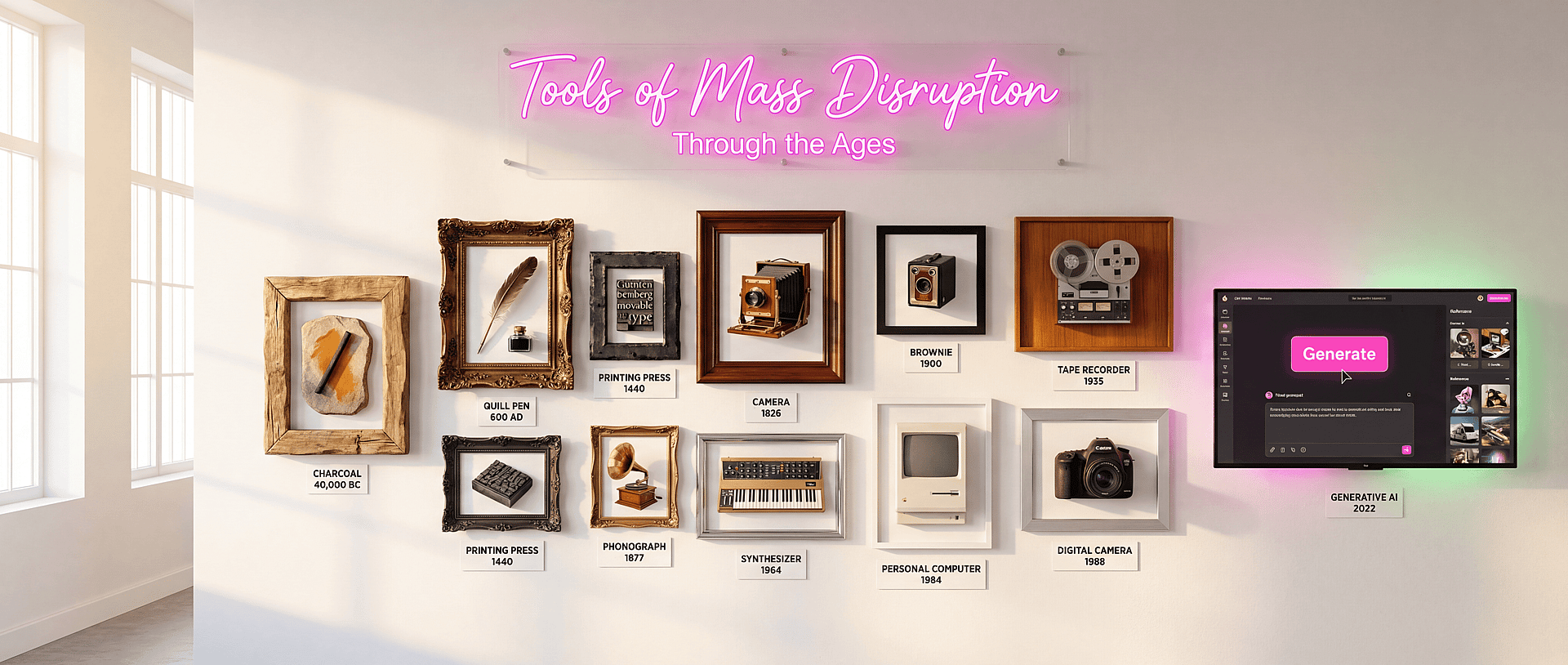
어떤 것을 "AI 아트"라고 부르면 인간 아티스트가 뒷전으로 밀립니다
사진작가를 '카메라 예술가'라고 부르지 않습니다. 영화감독을 '렌즈 이야기꾼'이라 하지 않고, 그래픽 디자이너를 '소프트웨어 일러스트레이터'라 하지 않죠. 창작자를 도구로 부르지 않는 이유는, 결과물을 의미 있고 특별하게 만드는 건 도구가 아니기 때문입니다. 그 뒤에 담긴 창작의 비전이 바로 그 역할을 합니다.
무언가를 "AI 아트"라고 부르는 순간, 도구가 주인공이 되고 사람은 무대 밖으로 밀려납니다. 그 뒤로 이어지는 모든 대화는 자연스럽게 소프트웨어를 중심으로 돌아가죠. AI는 창의적인가? 인정받을 자격이 있나? 사람이 모든 붓질을 하지 않았다면 그게 진짜 예술인가? 흥미로운 철학적 질문이긴 하지만, 매일같이 생성형 도구로 실제 창작 작업을 하는 수백만 명에게는 거의 핵심에서 벗어난 이야기입니다.
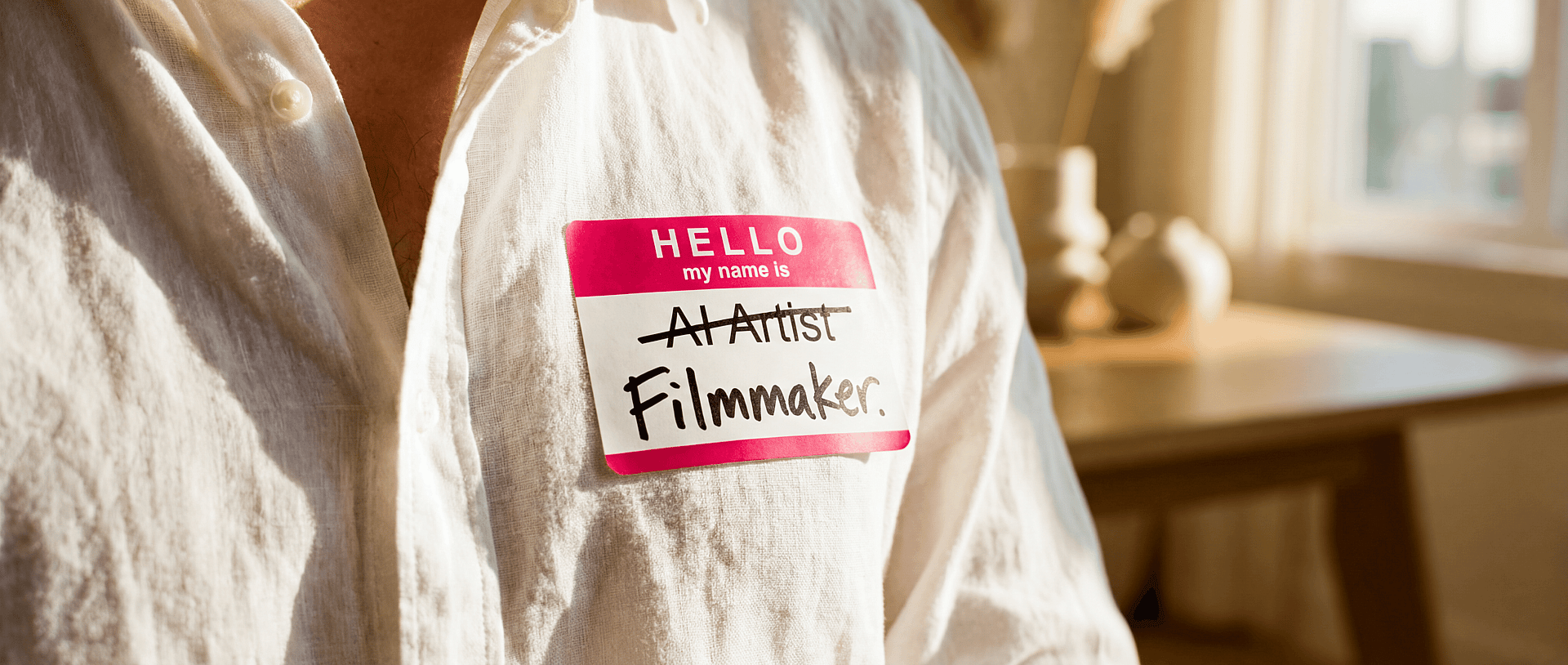
The label also flattens an enormous range of creative practices into one reductive term. Consider what "AI art" is currently being asked to cover: a brand creative director prototyping visual directions for a campaign, a solo illustrator building a consistent fantasy world they couldn't afford to render any other way, a filmmaker generating storyboard imagery at speed, a fashion designer exploring colorways in real time, a small business founder who finally has a way to make content that feels like their brand instead of like stock footage. These are wildly different practices with different goals, different skill sets, and different outputs. The only thing they share is one piece of the pipeline, and that shared tool has somehow become the defining characteristic of all of them, which would be a bit like calling every piece of writing created in Google Docs "software literature."
이 용어가 무엇을 뜻하는지는 예술계조차 의견이 갈립니다. 최근 Artsy 설문조사 of more than 300 gallery professionals found three competing definitions in active use: some define "AI art" as fully prompt-based work, others focus on artistic intent regardless of tool, and others classify anything where AI meaningfully shapes the outcome. The survey's own conclusion was telling: these debates about legitimacy and value are happening without a common vocabulary. Professionals in the same field are using the same term to describe fundamentally different things, and then arguing about whether those different things have merit.
법조계도 의견을 내놓기 시작하고 있습니다
The court of cultural opinion tends to dominate these conversations, but it's worth paying attention to what's happening in actual courts. Because when the legal system starts hearing cases and making room for how a new technology is actually being used, that's historically one of the clearest signs that it's here to stay and that culture will eventually follow. It always starts with a few brave people who just want to create, and little by little their work becomes recognized not just in law but in our colloquial way of life.
2026년 3월 2일, 미국 대법원이 심리를 거부한 Thaler 대 Perlmutter, the decade-long case about whether AI can be an "author" under copyright law. The ruling was clear: copyright requires human authorship. Works created autonomously by AI, with no human creative contribution, cannot be copyrighted. But the court left room for works where humans maintain genuine creative control through direction, prompting, and alteration. In other words, the legal system already distinguishes between "the AI made this" and "a human made this using AI." When we call something "AI art," we linguistically frame it as the first category, even when the reality is almost always the second.
그럼 이걸 뭐라고 불러야 할까요?
아마 가장 간단한 방법은 결과물 그대로 부르는 것입니다. 일러스트레이션. 콘셉트 아트. 브랜드 이미지. 모션 그래픽. 비주얼 디자인. 스토리보드. 캠페인 사진. 매체는 그것을 만든 과정이 아니라 결과물이며, 사진작가에게 그 사진을 뭐라고 부를지 정하기 전에 캐논으로 찍었는지 핫셀블라드로 찍었는지 묻는 사람은 없습니다.
아니면, 누가 알겠어요, 아직 존재하지 않는 완전히 새로운 단어가 될지도 모릅니다. 우리 모두가 함께 만들어갈 단어 말이죠. 갓 태어난 창작 도구를 감쌀 어휘를 탄생시키는 일은 그 나름의 고된 작업입니다.
이제 그만둬야 할 습관은 AI를 창작자로, 사람을 방관자로 만드는 표현을 기본으로 쓰는 것입니다. 실제로 이 도구가 활용되는 모든 스튜디오, 브랜드 팀, 창작 워크플로우에서 벌어지는 일은 그렇지 않기 때문입니다. 실제로는 사람들이 결정을 내리고, 연출하고, 편집하고, 큐레이션하고, 걸러냅니다. 손에 새로운 도구를 쥐었을 뿐, 창작을 창작답게 만들어 온 안목을 발휘하며 그 작업을 해내고 있는 것입니다.
그리고 이 변화가 이미 실제로 일어나고 있는지 궁금하다면, 답은 '그렇다'입니다.
긍정적 신호
We know that it can feel like there's a lot of shade being thrown at creators who use these tools right now, and that it's hard to tell how far we really are from a cultural shift where this kind of work is simply accepted for what it is. But the positive signals are already there. Every generation's technological revolution has its naysayers, but there are also always the Gary Numans and Andy McCluskeys of the world, already jamming out on their synths and pioneering entirely new sounds before the rest of the culture catches up. The same thing is happening right now with GenAI.
Paul McCartney는 AI를 사용해 수십 년 된 데모 테이프에서 John Lennon의 목소리를 추출해 "Now and Then비틀즈의 마지막 곡인 이 노래를 아무도 'AI 노래'라고 부르지 않습니다. 사람들은 이를 비틀즈의 노래라고 부릅니다. AI는 하나의 악기였을 뿐, 중요한 건 음악이었으니까요.
Grimes가 만든 AI를 중심으로 한 완전한 크리에이티브 인프라, 팬들이 그녀의 AI 생성 음성으로 음악을 만들 수 있게 해주는 Elf.Tech 보이스 모델부터 크리스티에서 판매된 시각 예술. 그녀는 스스로를 "AI 아티스트"라고 부르지 않습니다. 그녀는 음악, 비주얼 아트, 기술을 아우르는 비전을 실현하기 위해 여러 도구 중 하나로 AI를 활용하는 아티스트입니다.
그리고 The Brutalist Adrien Brody의 남우주연상을 포함해 2025년 여러 오스카상을 수상했는데, 이는 Brody와 Felicity Jones가 방언 코치와 함께 수개월간 익힌 헝가리어 억양을 AI로 다듬은 뒤의 일이었습니다. 이 기술은 후반 작업에서 특정 모음과 발음을 매끄럽게 손보아, 모든 실질적인 의미에서 배우 본인의 것이었던 연기의 진정성을 지켜냈습니다. 아무도 그것을 The Brutalist "AI 영화"가 아닙니다. 그것은 영화이며, AI는 그것이 만들어진 방식의 작고 눈에 띄지 않는 한 부분일 뿐이었습니다.
OpenArt는 이 문제를 이렇게 생각합니다
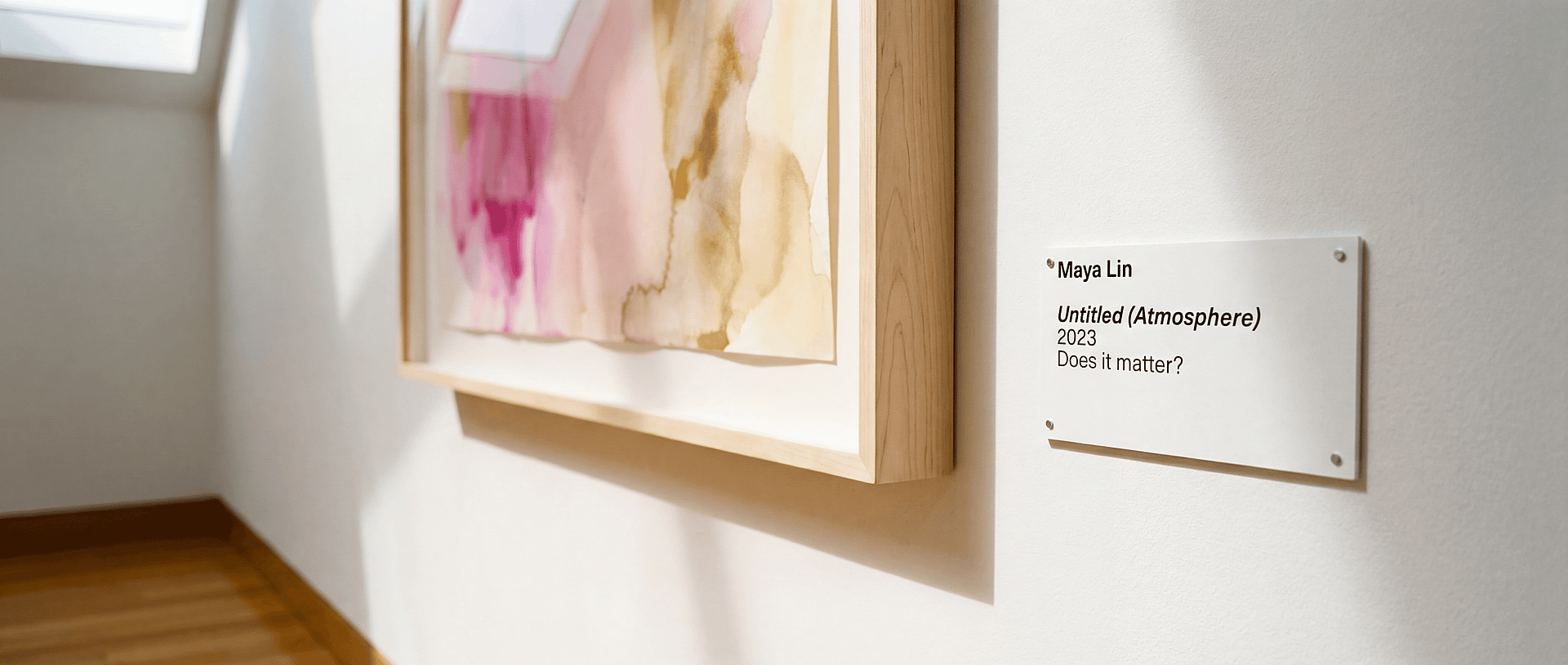
When we talk about the people who use OpenArt, we don't call them "AI artists." We call them creators, storytellers, filmmakers, founders. When we describe what the platform does, we don't say "AI generates images for you." We say "bring your characters, stories, brands, and worlds to life." That's not a branding exercise. It's a reflection of something we genuinely believe, informed by the same history this piece has been tracing. (In fact, every image in this post was made with generative tools on OpenArt.)

이 패턴이 알려주는 것은 1. 그 두려움은 진짜예요, 2. 근본적으로 인간적이며, 그리고 3. 이 또한 지나가리라. 이는 도구가 결국 사람들이 무언가를 만들어내는 더 큰 이야기 속으로 흡수된다는 것을 말해줍니다. 그리고 지금 우리가 할 수 있는 가장 유용한 일은, 방해가 되지 않으면서 창작자가 무엇을 왜 만드는지에 집중할 수 있게 해주는 도구를 만드는 것임을 알려줍니다.
인간이 새로운 무언가를 만들어 낸 뒤 그것이 진짜인지 논쟁하는 이런 순간에 우리가 거듭 다다른다는 사실에는 정말로 아름다운 무언가가 있습니다. Baudelaire가 사진을 몰아내려 했던 지 수백 년, 음악가 노조가 신디사이저를 금지하려 했던 지 수십 년이 지난 지금도, 우리는 여전히 서로 창작하고 나누는 새로운 방식을 발명하고 있으며, 초기의 그 어떤 저항도 이를 막아낸 적은 없습니다.