
 ChatGPT
 Perplexity
 Claude
 Gemini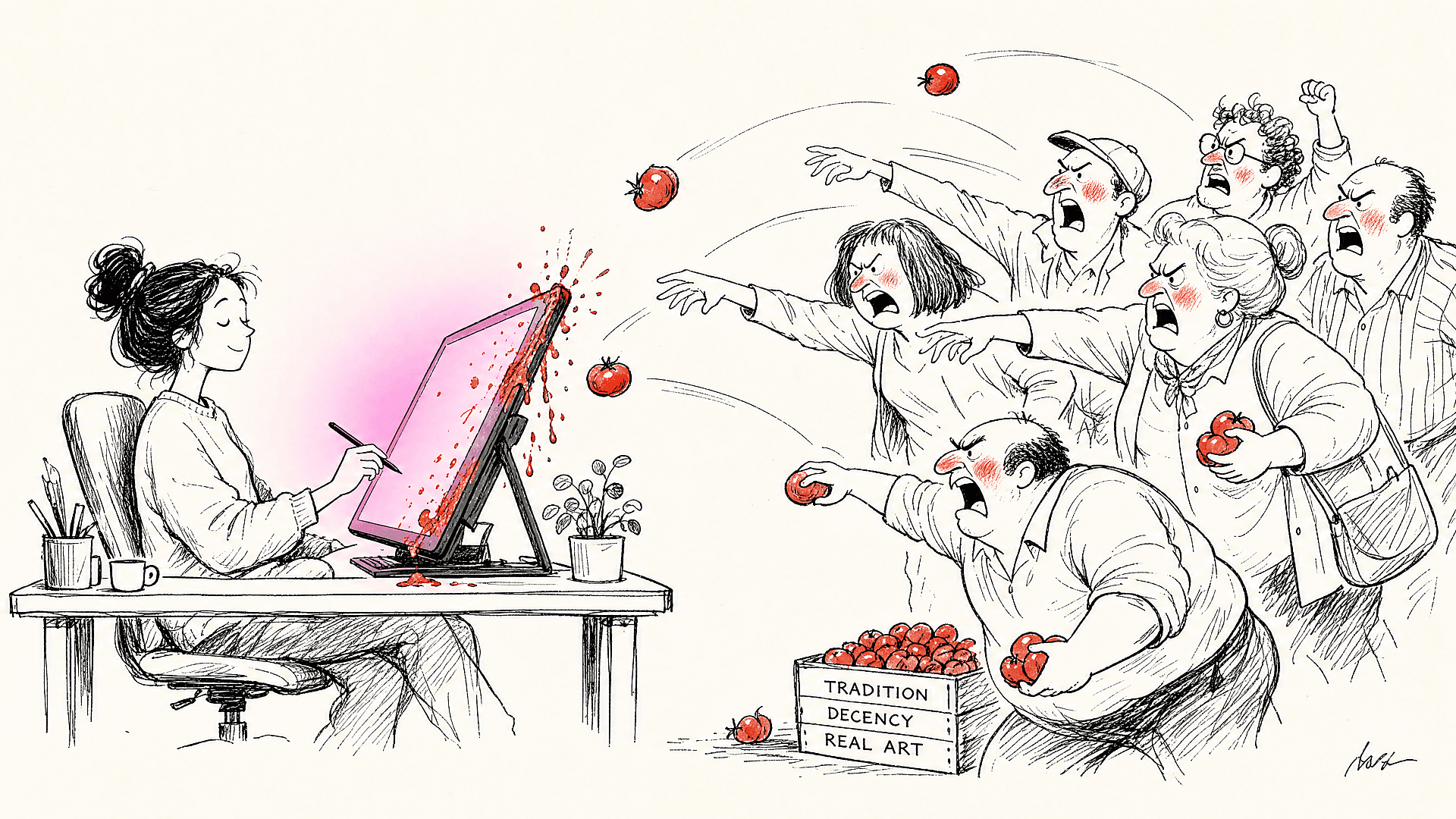
If you're even remotely online right now, you've seen the comments. They show up under any post that looks slightly AI-adjacent, in the quote-tweets, in the half-second verdict someone delivers out loud in their own video while reacting to someone else's: "ugh, this is AI." Sometimes it's "ew, AI, unfollowing," sometimes it's a single disgusted word, sometimes it's a long paragraph about everything wrong with the world. The wording barely matters because the sentiment is always the same, a mix of disgust and finality, the sound of a door closing. And it's become common enough that creators are now quietly engineering their work to avoid setting it off, adding disclaimers, obfuscating their process, over-explaining how much human effort went in, or backing away from the tools altogether.
يستحق الأمر التمهّل للنظر في ما يوجد فعلاً داخل ذلك التفاعل، لأن ما يبدو كجدار رفض واحد هو عادةً أربعة اعتراضات منفصلة مضغوطة في ردّ فعل واحد، وهي ليست متساوية في العدالة، ولا موجهة إليك بالقدر نفسه، ولا يمكن مساءلتها بالطريقة نفسها. تبيّن أن الفصل بينها هو أنفع ما يمكن للمبدع فعله، سواء لراحة باله أو لجودة المحادثة التي يعجز الجميع عن إجرائها.
أولاً، المحتوى الرديء
الاعتراض الأول المدفون في ردّة الفعل يتعلق بالمحتوى الرديء، لأنّ في مكان ما من ذاكرة الشخص القريبة تمريراً لا نهائياً لمحتوى منخفض الجهد مُنتَج بالجملة: الوجوه الخمسة نفسها، والإضاءة البلاستيكية نفسها، وسلاسل الصور الطُعم للتفاعل التي تُنتَج بالآلاف. تلك الردّة معقولة تماماً، فالمحتوى الرديء حقيقي وموجود في كل مكان ويُدهور فعلاً تجربة التواجد على الإنترنت للجميع. لكن الاعتراض في الحقيقة يتعلق بـ الجهد والنية بدلاً من الأداة نفسها، والإهمال سبق الذكاء الاصطناعي ببضعة آلاف من السنين. العمل المدروس المصنوع بهذه الأدوات لا يشترك في شيء مع الرديء سوى التقنية الأساسية، مما يجعل عبارة "يعع، ذكاء اصطناعي" أشبه برفض القراءة تمامًا لأن بعض الكتب مكتوبة بشكل سيئ.
ثم، السرقة
The second objection has real teeth, and it's about theft. Many image models were trained on the work of living artists who never consented and were never paid, and a great deal of the legitimate anger about AI traces directly back to that fact, which deserves to be taken seriously rather than waved off. What's worth noticing is that this is a specific grievance about how certain models were built and how the industry has handled consent, not a blanket indictment of everyone who's ever opened one of the tools. It points toward genuine questions about training data, licensing, and which platforms a creator chooses to work with, but it doesn't actually resolve into the conclusion that أنت، شخصياً، جديرون بالازدراء لأنهم صنعوا شيئًا ما.
وهناك أيضًا مسألة التكلفة
The third objection is about cost in the most literal sense, since the energy and water required to train and run large models at scale is a real environmental concern that's entirely fair to raise. Like the others, though, it operates at the level of infrastructure rather than the level of the individual, a question about how these systems are built and powered and at what scale, which sits with companies, energy grids, and the regulatory bodies meant to hold them accountable rather than with one person making one image on a random Tuesday.
لقد مررنا بهذا من قبل مع مخاوف بيئية أخرى، حيث يُنقل العبء بهدوء من المؤسسات القادرة فعلاً على إحداث فرق إلى الناس العاديين في حياتهم اليومية. حتى فكرة "البصمة الكربونية" الشخصية نفسها كانت اشتهرت في أوائل الألفينات عبر حملة إعلانية لعملاق النفط BP, explicitly to shift responsibility for climate change away from fossil fuel companies and onto individual consumers, and the same move has been run on recycling and a dozen other problems. It works because guilt is easier to manufacture than systemic change. Pointing disgust at a single creator follows the same logic, and it belongs in the conversation about AI's real costs the same way your recycling bin belongs in the conversation about climate: it's not nothing, but it's not where the actual leverage is.
وتحت كل ذلك، يكمن الخوف
الاعتراض الرابع هو الاعتراض الهادئ الكامن تحت جميع الاعتراضات الأخرى، وهو الذي يولّد الاشمئزاز فعلًا: الشعور بأن إبداع الذكاء الاصطناعي يهدد شيئًا جوهريًا في كوننا بشرًا. البحث في هذا الشأن مباشر بشكل مفاجئ. إحدى دراسة تمتد عبر ست تجارب وجدت أن الناس يقللون من قيمة الفن بمجرد وصفه بأنه من صنع الذكاء الاصطناعي، حتى عندما يعترفون بأنهم لا يستطيعون تمييزه عن العمل البشري، وحتى عندما يُقال لهم إن إنسانًا تعاون فيه. وأظهرت دراسة منفصلة دراسة من جامعة UBC وجد أن هذا الانحياز يكون أقوى لدى الأشخاص الذين يؤمنون بأن الإبداع سمة إنسانية بحتة، وأنهم مستعدون لدفع المزيد مقابل عمل يعتقدون أن إنسانًا صنعه. وما يشير إليه ذلك ليس حجة بقدر ما هو انعكاس الهوية. ينبع ذلك من مكان مفهوم، وهو الخوف من أنه إذا استطاعت آلة صنع شيء جميل، فإن تميزنا يصبح فجأة موضع تساؤل، لكنه شعور تجاه الحالة الإنسانية أُسقط على إبداعاتك.
إن بدا ذلك قاتماً، فلا ينبغي أن يكون كذلك، لأننا شهدنا هذا الخوف بالذات يتكرر من قبل ونعرف كيف تنتهي القصة. في القرن التاسع عشر، رُفضت الفوتوغرافيا باعتبارها بلا روح وآلية، إهانة للرسم الحقيقي، قبل أن يصبح واحدًا من أكثر الأشكال التعبيرية لدينا. وبعد قرن من الزمن، كان يُقال إن أجهزة السينثيسايزر ستجعل الموسيقيين بلا فائدة، حتى أصبحت العمود الفقري لكل أغنية تحبها تقريبًا. الذعر من أن شيئًا ما يفقد إنسانيته لحظة تدخّل الآلة ليس جديدًا، وقد خسر في كل مرة دون استثناء. لا يوجد سبب للاعتقاد بأن هذه الجولة ستنتهي بشكل مختلف.
الخدعة، ولماذا يبدو من المستحيل الاعتراض عليها
Something clarifying happens when you set these four objections side by side. Slop is a problem of effort, theft is a problem of consent and law, environmental cost is a problem of infrastructure, and the "it's not real" reaction is a problem of philosophy and identity, which means they have different causes, different solutions, and different people responsible for addressing them. Almost none of those people is the individual creator who made something with care and caught a stray "boooo AI 🍅" for the trouble.
لهذا السبب أيضًا لا يوصلك الجدال حول تعليقات كهذه إلى أي نتيجة. ترد على نقطة الرداءة فينتقل الشخص إلى السرقة؛ تتناول السرقة فيتحول إلى "إنه بلا روح"؛ ترد على ذلك فتجد نفسك فجأة تتحدث عن مراكز البيانات. يظل الاعتراض ينتقل لأنه لم يكن حجة متماسكة واحدة منذ البداية، بل مجرد عدة مشاعر غير مرتبة مجمّعة معًا، وفي كل مرة تعالج واحدة تبقى الأخريات واقفة هناك في انتظار من يلتقطها.
ما يعنيه هذا للمبدعين
The goal, then, isn't to win the argument but to unravel it, because once the four objections come apart two things become clear at the same time. The legitimate concerns, theft and labor and environmental cost, genuinely deserve to be taken seriously, and the right response to them is engagement, not denial: choosing tools built responsibly, being honest about your process, pushing for better practices across the industry. The identity panic, meanwhile, the part doing most of the emotional work behind AI shaming, was never really about your work at all. It was about someone else's relationship to a changing world, and it's not a verdict you're obligated to accept on their behalf.
لا شيء من هذا يوقف موجة الانتقاد، وستزداد صخباً على الأرجح قبل أن تهدأ، لأننا نعيش المرحلة المبكرة الصاخبة من تحوّل ثقافي حقيقي، وهذه المراحل دائماً ما تبدو هكذا. لكن الاشمئزاز، رغم صخبه، كان موجّهاً في الغالب نحو المحتوى الرديء، ونحو الشركات المستغِلّة، ونحو البنية التحتية للطاقة، ونحو قلق فلسفي قديم قِدم كل تقنية سابقة جعلت الناس يتساءلون عمّا سيتبقّى للبشر ليفعلوه. القليل جداً منه كان موجهاً إليك. لذا أنجز عملك، واستخدم أدوات جديدة لصنعه، وتعامل مع الأسئلة الحقيقية بجدية كافية لتملك إجابات فعلية عند طرحها. المبدعون الذين سيتجاوزون هذا العصر بنجاح لن يكونوا من يخفون عمليتهم ولا من يتظاهرون بأن المخاوف مزيفة، بل من يستطيعون استيعاب الصورة كاملة في آن واحد، وهذا النوع من الوضوح سيظل دائمًا أثمن من أي إخلاء مسؤولية.