
 ChatGPT
 Perplexity
 Claude
 Gemini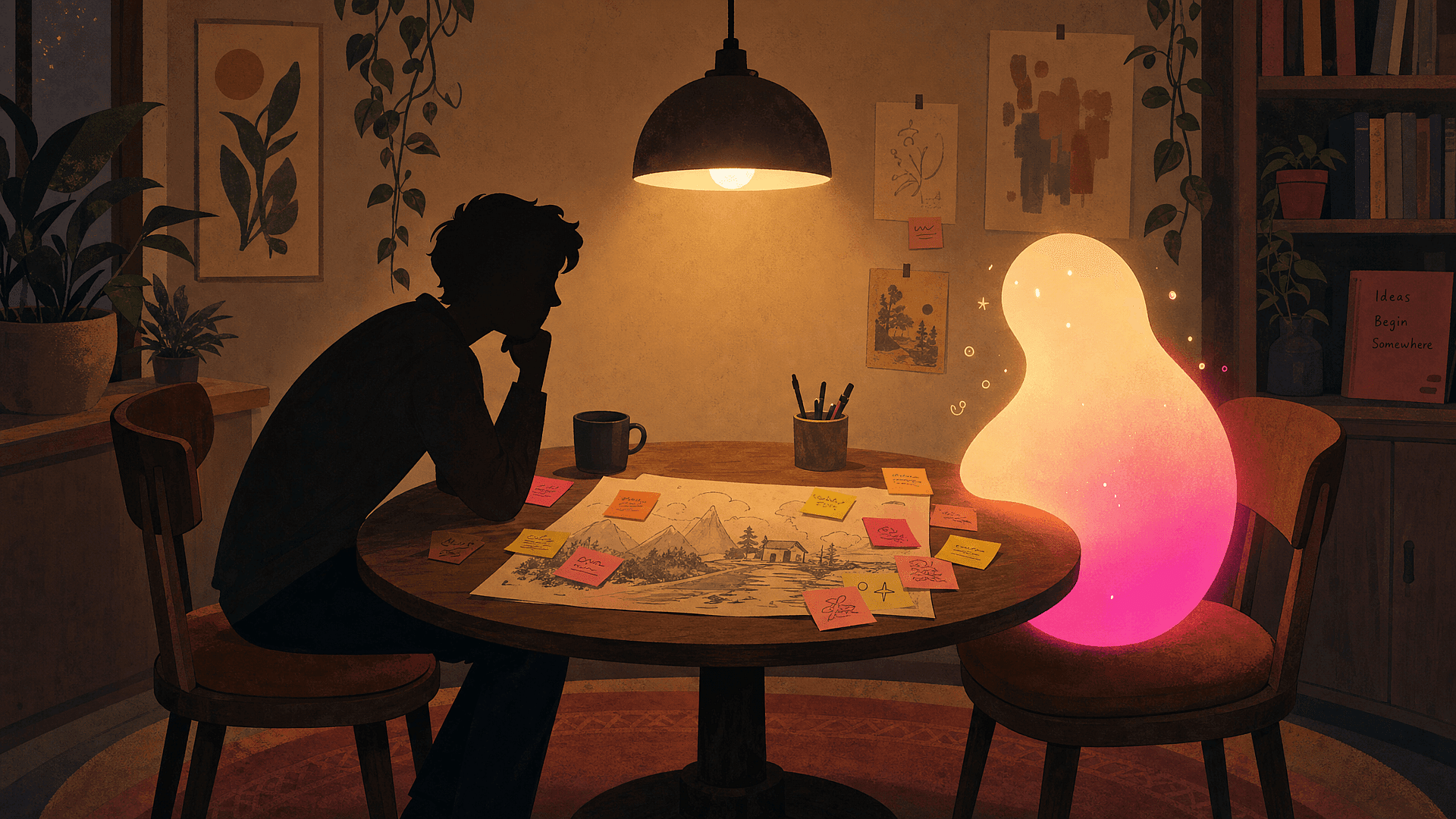
اطّلع على أمثلة الـ prompts الفعلية كانت Google DeepMind تقدّم Nano Banana Pro: «حوّل هذا المشهد إلى وقت الليل.» «ركّز على الزهور.» «غيّر نسبة العرض إلى الارتفاع إلى 1:1 بتقليل الخلفية. تبقى الشخصية مثبّتة تماماً في موضعها الحالي.» لا يبدو أي من هذه الأوامر كتلك الـprompts الكثيفة والمُحمّلة مسبقاً التي أمضى الناس العامين الماضيين يتعلمون كتابتها. إنها تبدو كملاحظات تتركها لمتعاون يعرف بالفعل ما تعمل عليه ويحتاج فقط إلى التعليمة التالية.
That's not an accident of phrasing. It's the actual design of the tool. Nano Banana Pro is built to hold an image in an ongoing exchange: you don't redescribe the whole scene to change the lighting, you just say what to change and it edits the frame you already have. OpenAI's newest release works the same way, just from the chat side rather than the canvas side. Instead of writing one exhaustive prompt and hoping, you can say "make the sky more orange" or "add a coffee cup to the left," and the model modifies the existing image instead of generating a new one from scratch, closer to giving direction to a designer than typing a search query. When OpenAI shipped that generation of the model, ChatGPT Images 2.0, on April 21, تصدّر فوراً كل فئة في لوحة صدارة Image Arena بأكبر فارق سُجّل هناك على الإطلاق، وهو ما يقول شيئاً عن المكان الذي قررت الصناعة أن المنافسة الحقيقية أصبحت فيه الآن: ليس فقط في جودة الصورة من المحاولة الأولى، بل في مدى قدرة النموذج على مواصلة محادثة عبر عدة تعديلات دون أن يفقد الخيط.
That shift changes what the actual skill is. Prompt engineering, as a discipline, grew up around the idea that a prompt was a kind of incantation: get the wording, the modifiers, the syntax exactly right, and the single generation you got back was the whole game. A lot of the early advice reflected that, elaborate templates, keyword stacking, the sense that there was one correct spell for any given image. None of that disappears entirely, but it stops being the center of the skill once the tool expects you to keep talking. لم يعد السؤال مجرد "ماذا أقول أولاً". بل أصبح "ما الشيء الوحيد الذي أغيّره بعد ذلك، وكيف أعرف متى أتوقف عن التغيير".
That second question turns out to be the harder one, and it's a more familiar kind of hard. It's the same judgment a photographer uses deciding whether a shot needs one more adjustment or is already right, the same instinct an editor uses knowing which note to give first and which ones can wait. Directing a back-and-forth well means noticing what's actually wrong with a draft rather than everything that could theoretically be different about it, and it means knowing your own taste well enough to recognize the version that's actually finished instead of just the version that's different from the last one.
None of this makes the initial prompt irrelevant. A clear starting instruction still saves you several rounds of correction later, the same way a clear brief saves a designer several rounds of revision. But the center of gravity has moved. The people getting the most out of these tools right now aren't the ones with the cleverest opening prompt. They're the ones who know how to keep a conversation going toward something specific, correcting course a little at a time, without losing track of what they were في الواقع تحاول إنشاءه في المقام الأول.