

 ChatGPT
 Perplexity
 Claude
 Gemini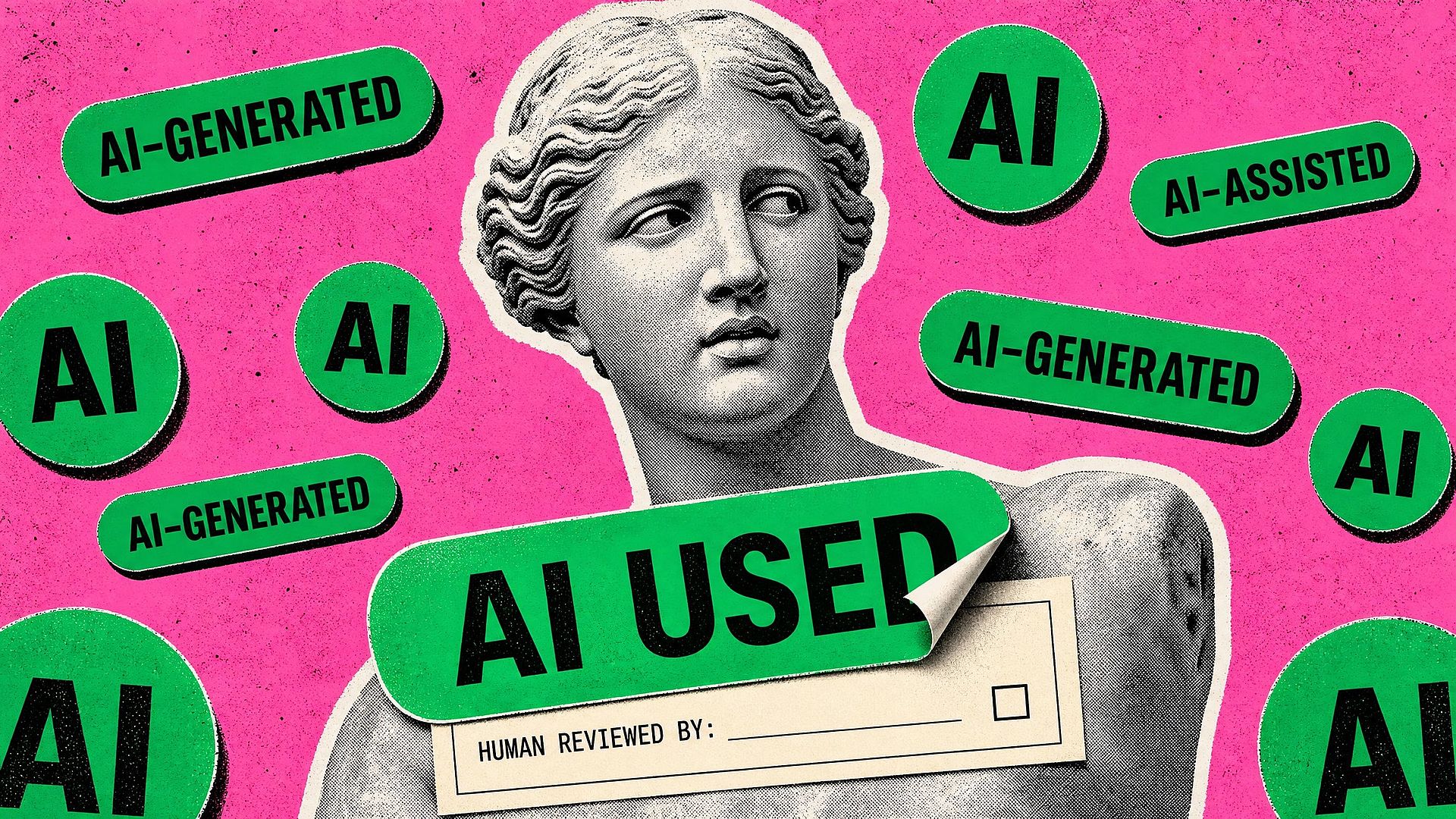
جانب الطلب في هذه الحجة ليس متقاربًا على الإطلاق. استطلاع Fractl لعام 2026 الذي شمل أكثر من ألف مستهلك found that 84 percent want written AI content labeled, 91 percent want it on video, 90 percent on images, 87 percent on audio, with strongly-agree responses alone clearing half in every category. The supply side isn't close either, just in the other direction: only 20 percent of organizations say they always disclose AI use to their audience, and 33 percent say they never do. Framed that way, this looks like a straightforward compliance gap. Get more companies labeling their content, close the gap, problem solved.
لكن دراستين لعام 2026 نُشرتا في مجلة Digital Journalism تشيران إلى أن هذه الفجوة ليست في الواقع مكمن مشكلة الثقة. أولًا، تجربة تحليل مشترك مع مستهلكي الإعلام في تشيليطلب من الناس مقارنة سياسات الذكاء الاصطناعي لدى الوسائل الإعلامية جنبًا إلى جنب، ووجد أن الإشراف البشري، وليس الإفصاح وحده، كان العامل الأكثر تأثيرًا في اختيار الوسيلة التي يراها الناس موثوقة ويختارون قراءتها. أما استخدام الوسيلة للذكاء الاصطناعي في مهام روتينية أو في تخصيص الصيغ فلم يُحدث فرقًا يُذكر في أي من الاتجاهين. ما أحدث الفرق هو ما إذا كان هناك شخص قد راجع ما أنتجه الذكاء الاصطناعي. تُجيب البطاقة التعريفية عن سؤال واحد: هل شارك الذكاء الاصطناعي أم لا. واتضح أن هذا نادرًا ما يكون السؤال الذي يطرحه الجمهور فعلًا.
الدراسة الثانية، مبنية على المقابلات لا على التجارب، وجدنا شيئاً أكثر حدّة: قد تأتي التسميات بنتائج عكسية فعلاً. One participant described their reaction to seeing an AI label as "I probably need to fact-check this and try and find another article," which is the opposite of what a disclosure label is supposed to accomplish. Others saw AI use itself as a kind of professional shortcut, with one interviewee putting it bluntly about a fully AI-written article: "You can do that as an 11-year-old. You don't need the training for that if you're going to use AI to generate your entire article." A vague, generic label doesn't resolve that instinct. It just confirms the suspicion without giving anyone a reason to set it aside.
What the same research found does help: specificity about degree, not just presence. Interview subjects drew a real line between an article labeled as fully AI-generated and one labeled as AI-assisted, treating those as different claims requiring different levels of scrutiny, and they wanted that distinction visible at the top of a piece rather than buried in a footer where it could look like it was trying not to be noticed. None of that is about whether to disclose. It's about whether the disclosure actually tells someone what happened and whether a person was accountable for it.
هذا هو الفارق الذي يغفله تأطير الامتثال تماماً. يمكن للقانون أن يفرض وجود ملصق. لكنه لا يستطيع أن يفرض أن يقوم الملصق بالمهمة الفعلية لإعادة بناء الثقة، لأن الثقة دالة على ما إذا كان الجمهور يعتقد أن شخصاً كفؤاً لا يزال ضمن العملية، وليست دالة على وجود الملصق على الصفحة. جعل الـ 33 بالمئة الذين لا يفصحون أبدًا يبدأون في الإفصاح أمر مهم بحد ذاته. لكن السؤال الأصعب والأكثر فائدة الكامن تحت ذلك هو ما إذا كان ما يُفصح عنه يخبر أحداً بأي شيء فعلاً، أم أنه مجرد إجراء شكلي لا يمسّ ما كان يقلق الناس حقاً في المقام الأول