
 ChatGPT
 Perplexity
 Claude
 Gemini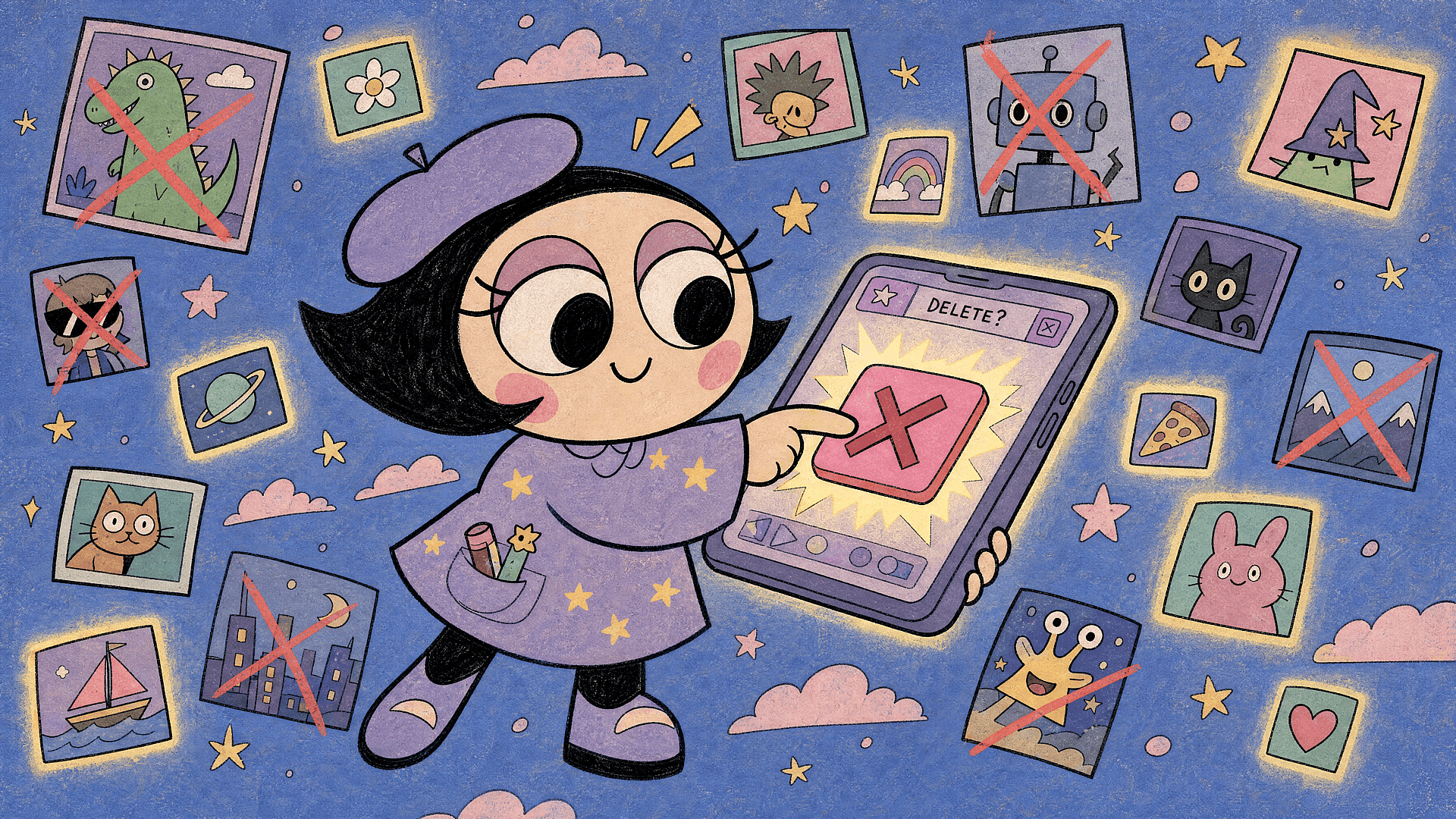
There is a version of creative development that gets talked about constantly: consume voraciously, collect references obsessively, surround yourself with work you love until your own work starts to reflect it. Build a mood board. Fill a swipe file. Study the people you admire. This advice is not wrong, but it is incomplete, because it points you toward your enthusiasms and asks you to build a creative identity from them, and enthusiasm alone is one of the least reliable guides to a genuine point of view.
Enthusiasm is diffuse, because it wants to say yes to too many things. It's moved by quality wherever it finds it, which means it is moved by contradictory things, incompatible aesthetics, ideas that can't coexist in the same body of work. Every creative person who has spent time carefully curating a collection of things they love has also experienced the paralysis that comes with it: the references pull in ten directions at once, and instead of clarifying your aesthetic, the collection just reflects the breadth of your taste rather than the specificity of your vision.
O que realmente afia um ponto de vista é a recusa, porque o "não" é mais preciso que o "sim" — e muitas vezes mais revelador. Quando você se depara com um trabalho que te causa até uma leve rejeição, não porque seja ruim, mas porque simplesmente não tem a ver com você, está chegando mais perto do formato da sua verdadeira identidade estética do que qualquer coleção de referências poderia levar.
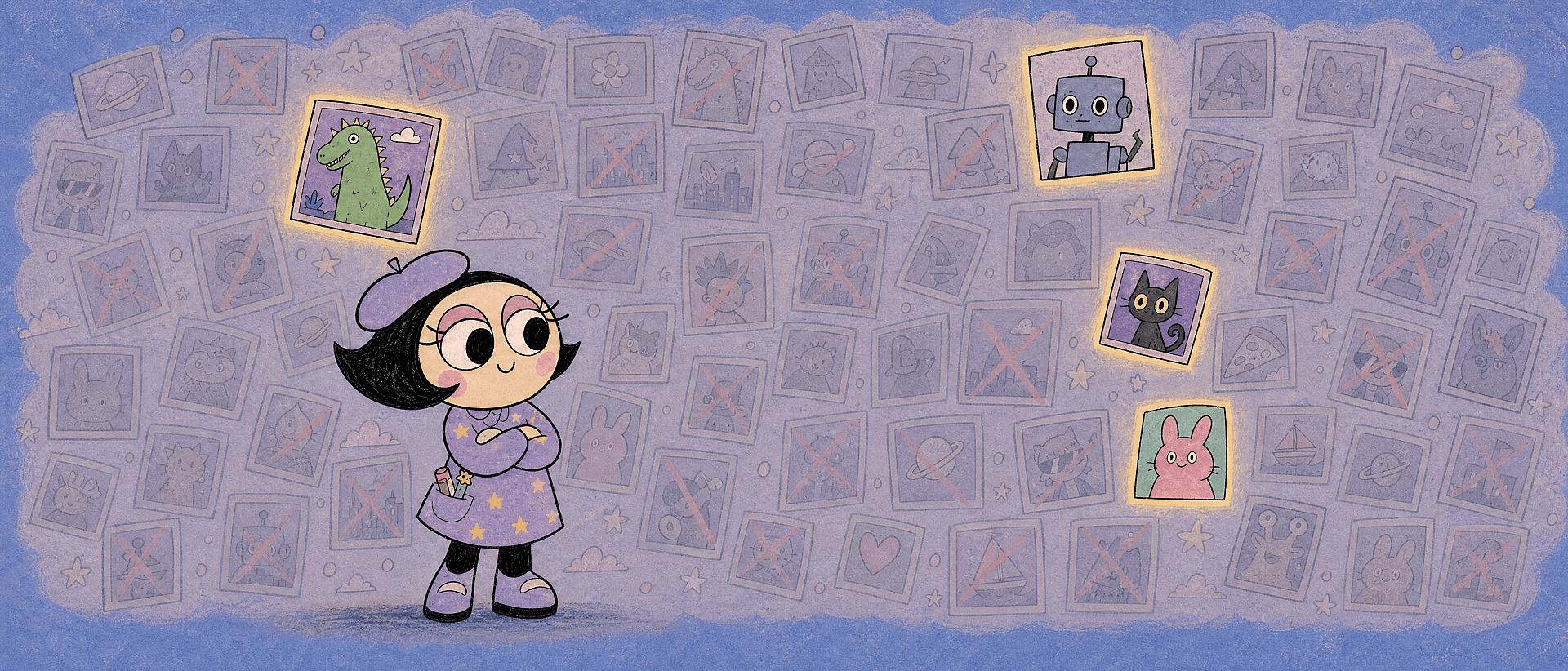
Think about the creatives whose work you can identify instantly across mediums and years. What makes them recognizable is not just what they chose to include but what they conspicuously excluded: the designer who never uses more than two typefaces, the photographer who won't touch a golden hour shot, the illustrator who refuses sentimentality even when the subject invites it, the AI creator who generates fifty images and throws away anything that feels safe. These aren't arbitrary constraints; they're the result of a thousand small refusals, each one carving the work a little closer to something that couldn't have come from anyone else.
The "no" is also more durable than the "yes," because the reality is that enthusiasms shift. The references that move you at 22 are not the ones that move you at 35. Influences come and go and leave their marks in ways that are hard to predict and harder to control. But the things you've decided you genuinely cannot stand tend to be more stable, more structural, more connected to something fundamental about your point of view. The refusals accumulate into a kind of negative space that holds its shape even as everything inside it changes.
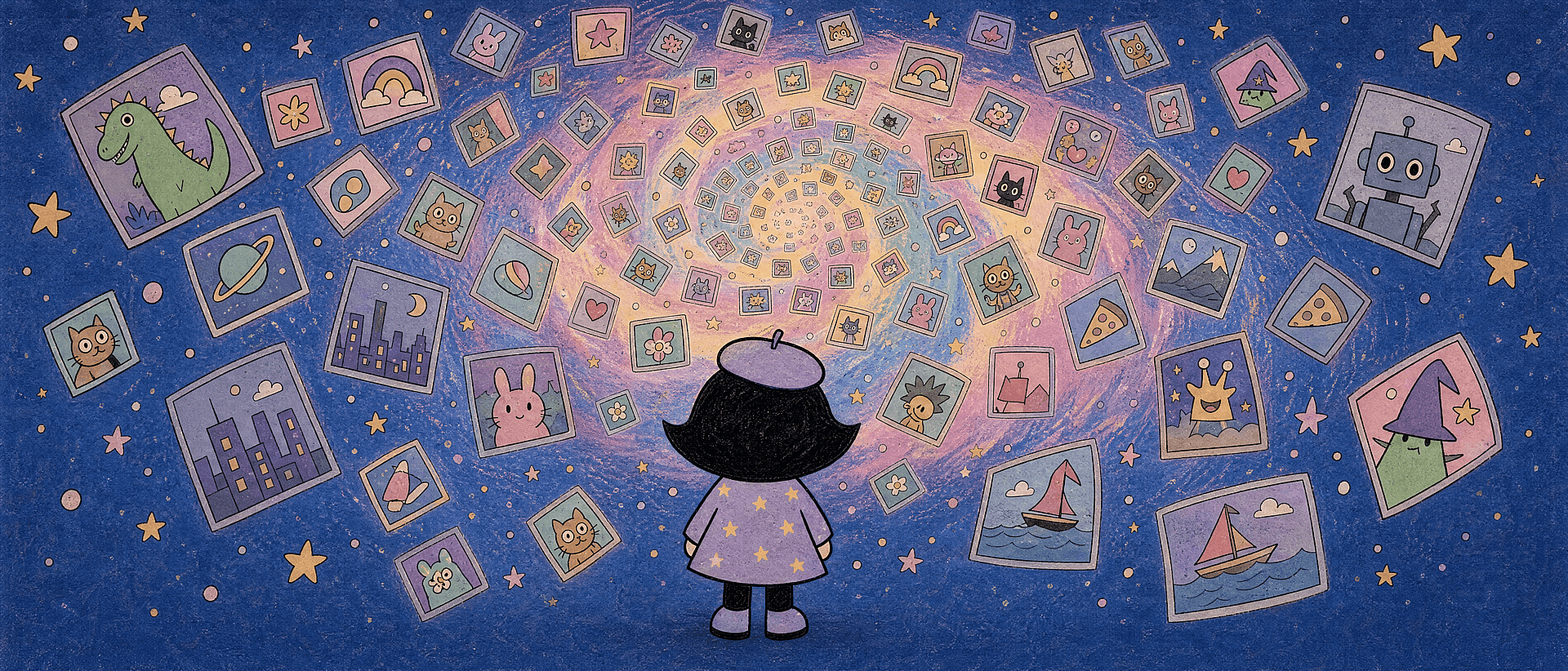
This is especially true in an era when the volume of available reference material is essentially infinite and the tools to generate more of it are equally unlimited. The challenge is no longer finding inspiration, it's maintaining the ability to refuse, edit, and curate. When everything is possible and everything is fast and the model will happily produce whatever you describe, the creative muscle that needs the most deliberate exercise is not imagination, but discernment. It's the voice that says "not that, not quite, not yet, keep going."
Desenvolver essa vozinha interior exige prestar muita atenção às suas próprias reações, especialmente as negativas, e levá-las a sério o bastante para articulá-las no processo criativo. Não apenas "não gostei disso", mas "não gostei disso porque a composição está centralizada demais, a paleta está forçando demais e o clima parece emprestado de algo que já vi cem vezes". A especificidade da rejeição são os dados. Com o tempo, esses dados se organizam em um conjunto de posições, e essas posições são o seu ponto de vista.
The practical version of this is simple: start keeping a rejection file alongside your reference library. Not screenshots of bad work, but screenshots of work that is technically accomplished, clearly professional, and somehow still not you: the kind of work you could imagine someone else making but that you would never make, and that you can articulate precisely why. Review it as often as you review your inspirations, because you'll learn more about your aesthetic from studying the conviction in your refusals than from studying your endlessly shifting enthusiasms.
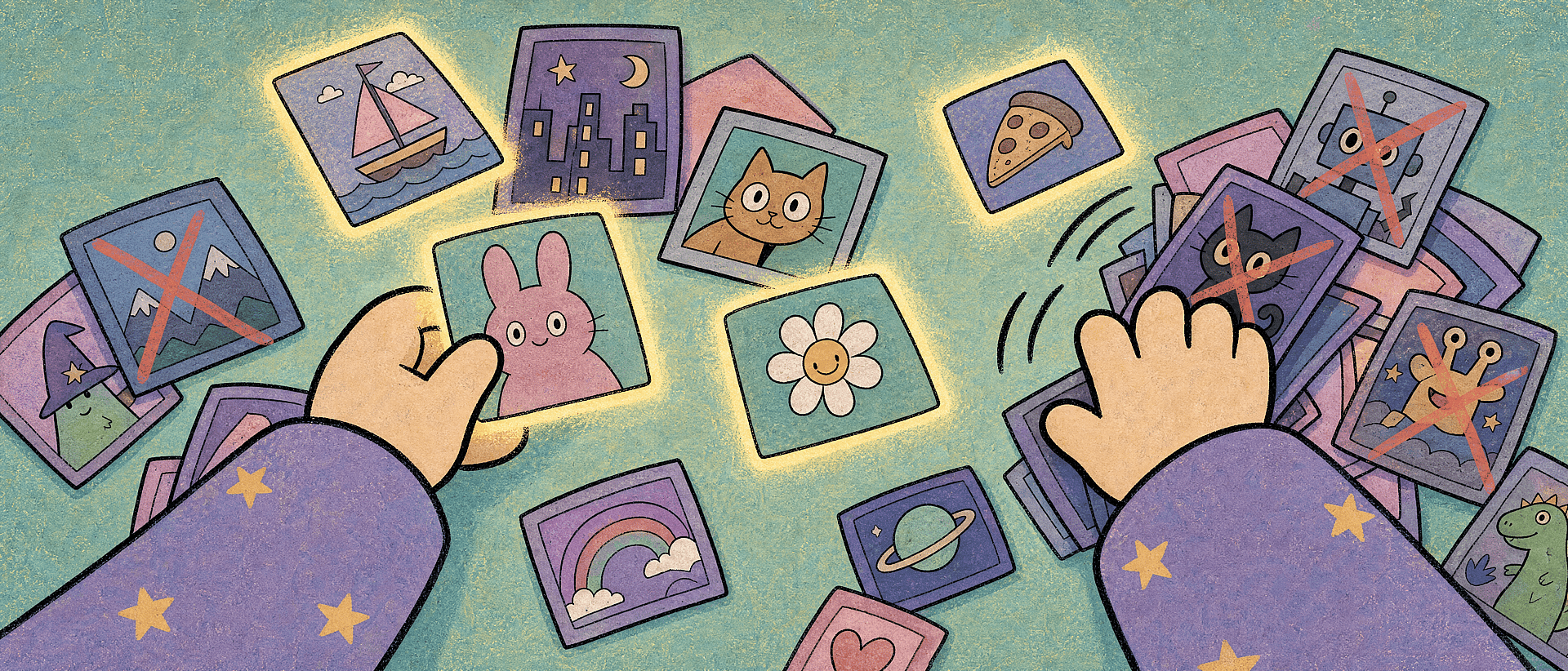
Um ponto de vista criativo não é uma coleção de coisas que você ama, mas um conjunto de posições que você defende (e sim, posições exigem oposição clara). O "sim" só faz sentido em relação ao "não". O trabalho que é mais genuinamente seu é aquele que não poderia ter sido feito por alguém com um conjunto diferente de recusas, e o caminho para chegar lá não é acumular mais inspiração, mas ficar muito claro, muito específico e muito honesto sobre o que você não vai fazer.
O espaço multimodelo do OpenArt foi feito exatamente para esse tipo de discernimento: a capacidade de gerar em grande volume, alternar entre ferramentas e continuar selecionando até que o que resta seja genuinamente seu. As ferramentas são tão boas quanto o olhar que as dirige, e toda vez que você diz "não", o olhar fica mais apurado e a voz criativa fica mais forte.