
 ChatGPT
 Perplexity
 Claude
 Gemini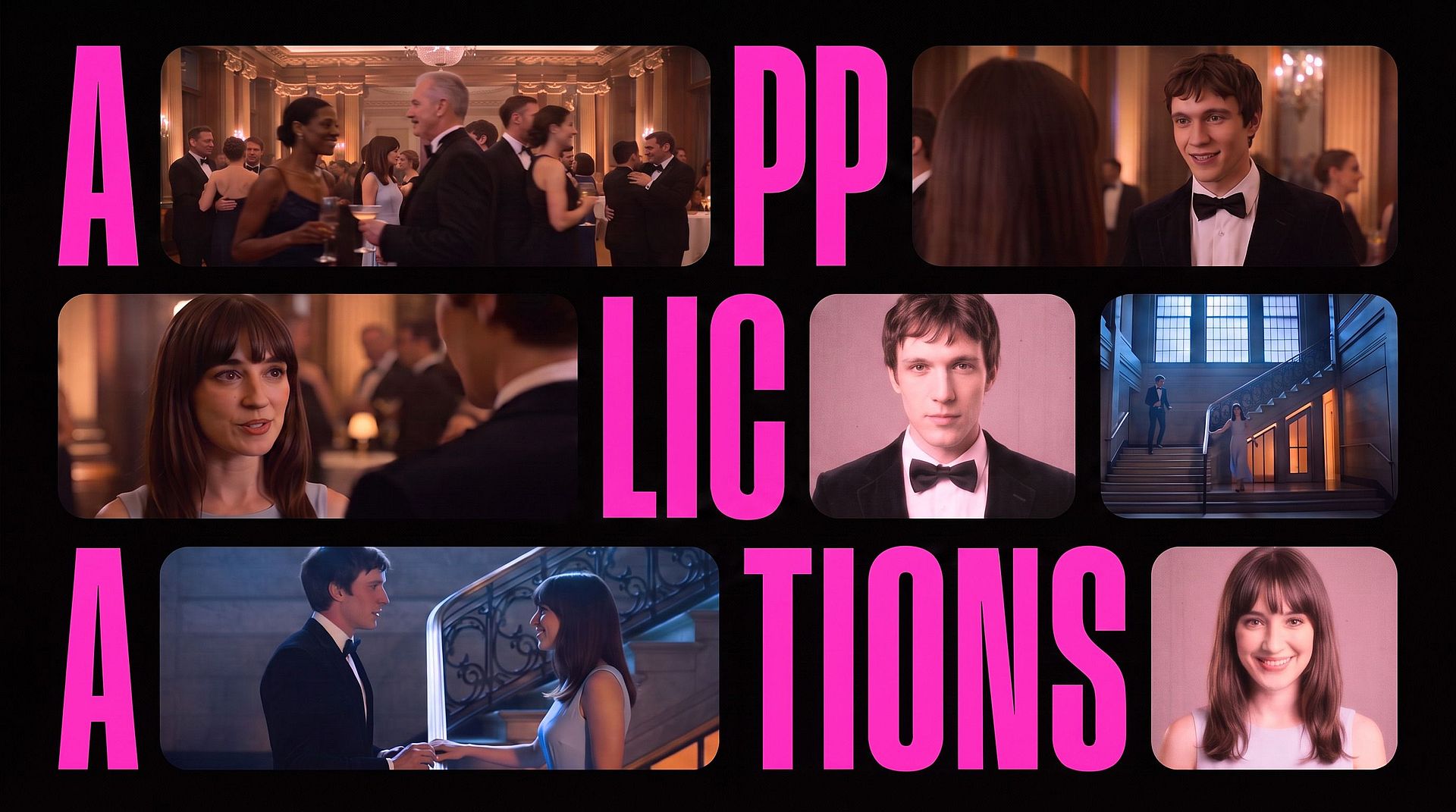
فيلم علامة تجارية مدته دقيقتان صُوّر بسلسلة عمل معتمدة على وكيل ذكاء اصطناعي استغرق مؤخراً ثلاثة أيام من النص إلى المونتاج النهائي، مقابل نحو شهرين لتصوير مماثل بالطريقة التقليدية، وفقًا لحالة الإنتاج الموثقة لدى invideo نفسها. A ninety-second horror short pulled around four hundred separate video generations before it was done. Numbers like that used to be the whole story: AI got fast enough to make an entire scene, so why would you need a person in the room. The more interesting number is the other one buried in that same case study: more than 40 percent of the finished shots in one documented project weren't a single generation at all. They were stitched together from the strongest few seconds of several different attempts, a practice invideo's own team describes bluntly: "Prompt, eight tries, Frankenstein the keepers."
هذه التفصيلة تقول عمّا يحدث فعلًا أكثر مما تقوله ادعاءات السرعة. النموذج القادر على تكوين مشهد كامل عند الطلب لا يلغي الحاجة إلى شخص يتخذ القرارات، بل يقدّم كل تلك القرارات إلى مرحلة أبكر ويجعل تنفيذها أسرع. The workflow behind these AI-made shorts isn't one person typing a single magic sentence and getting a finished film back. It's a full crew of separate roles, a producer role holding the script and characters, a storyboard role visualizing shots before anything gets generated, a cinematography role taking direction like "hold the shot longer" or "track the actor through the doorway," a costume role, a production design role, each one scoped to its own job the way a real set is. The AI executes inside each of those roles. The structure of the roles themselves is still the same structure a film crew has always had, because someone still has to decide what the shot should look like before anything generates it.
أوضح دليل على أن الحُكم، وليس التوليد، هو العائق يظهر فيما يحدث بعد توفر اللقطات. تدمج الإنتاجات الموثقة خطوةً يُرسَل فيها المونتاج الأولي المُجمَّع مجدداً لجولة نقد تبحث تحديداً عن مشكلات الإيقاع ومشكلات الصوت واللحظات التي يختل فيها الطابع العاطفي، وهي أمور من نوع تصف ملاحظات سير العمل الخاصة بـ invideo هذه الخطوة بأنها الأكثر تخطيًا والتي تلتقط الأخطاء التي يغفلها المحررون البشريون. إنها جملة غريبة حقًا للتأمل فيها: تمريرة آلية تشير إلى ما أغفله محرر مدرَّب. لا يعني هذا أن الذكاء الاصطناعي يمتلك ذوقًا أفضل. بل يعني أن الذوق يُطبَّق الآن في نقطة مختلفة من العملية، على المجمَّل الكامل بدلًا من لقطة بلقطة، ولا يزال على أحدهم أن يقرر ما إذا كانت الملاحظة صحيحة ويتصرف بناءً عليها.
So what is the creator actually making, if not the pixels. They're making the same thing a director has always made: the specific sequence of choices that turns raw coverage into a scene that lands the way it's supposed to. Which take gets used, which two generations get spliced together because neither one alone had the whole shot, which note from the critique pass actually matters and which one gets ignored, all of it decided by someone rather than generated by anything. None of that shows up if you only look at "who generated the footage," and all of it is the actual difference between a finished piece of work and four hundred generations sitting in a folder. يمكن للنموذج أن يصنع المشهد. لا يزال عاجزاً عن أن يقرر بنفسه أي نسخة من المشهد تستحق الإبقاء عليها.